Budapest, Hungary
Budapest is one of Europe's most fascinating capital cities, combining spectacular architecture, rich history, incredible food, and surprisingly affordable prices. But there's more to Hungary's capital than its famous Parliament Building and thermal baths.
After spending nearly two weeks exploring Budapest, we discovered a city full of contrasts. Beautifully restored historic buildings sit alongside crumbling facades, lively neighborhoods, peaceful green spaces, and some of the most impressive riverfront views in Europe.
Whether you're planning a weekend getaway or a longer Budapest vacation, this guide covers the best things to see and do, where to stay, traditional Hungarian foods to try, transportation tips, safety and common mistakes to avoid.
Budapest at a Glance
Budapest, the capital of Hungary, sits along the Danube River in Central Europe. The city is divided into two distinct sides: Buda, known for its hills, historic landmarks, and scenic viewpoints, and Pest, home to lively neighborhoods, restaurants, shopping streets, and many of the city's major attractions.
What makes Budapest special is its combination of grandeur and grit. You'll find magnificent architecture, elegant boulevards, historic thermal baths, and beautiful public parks, but also older buildings showing their age. Unlike some of Europe's more polished capitals, Budapest feels like a real, lived-in city.
One of its biggest advantages is affordability. While prices in tourist-heavy areas can be surprisingly high, Budapest still offers excellent value for dining, public transportation, sightseeing, and accommodations compared with many major Western European cities.
Is Budapest worth visiting? Absolutely. Whether you're interested in history, architecture, traditional Hungarian cuisine, or simply exploring a beautiful European city, Budapest offers plenty to experience. We recommend spending at least four or five days here, although a full week or longer allows you to explore beyond the main tourist attractions.
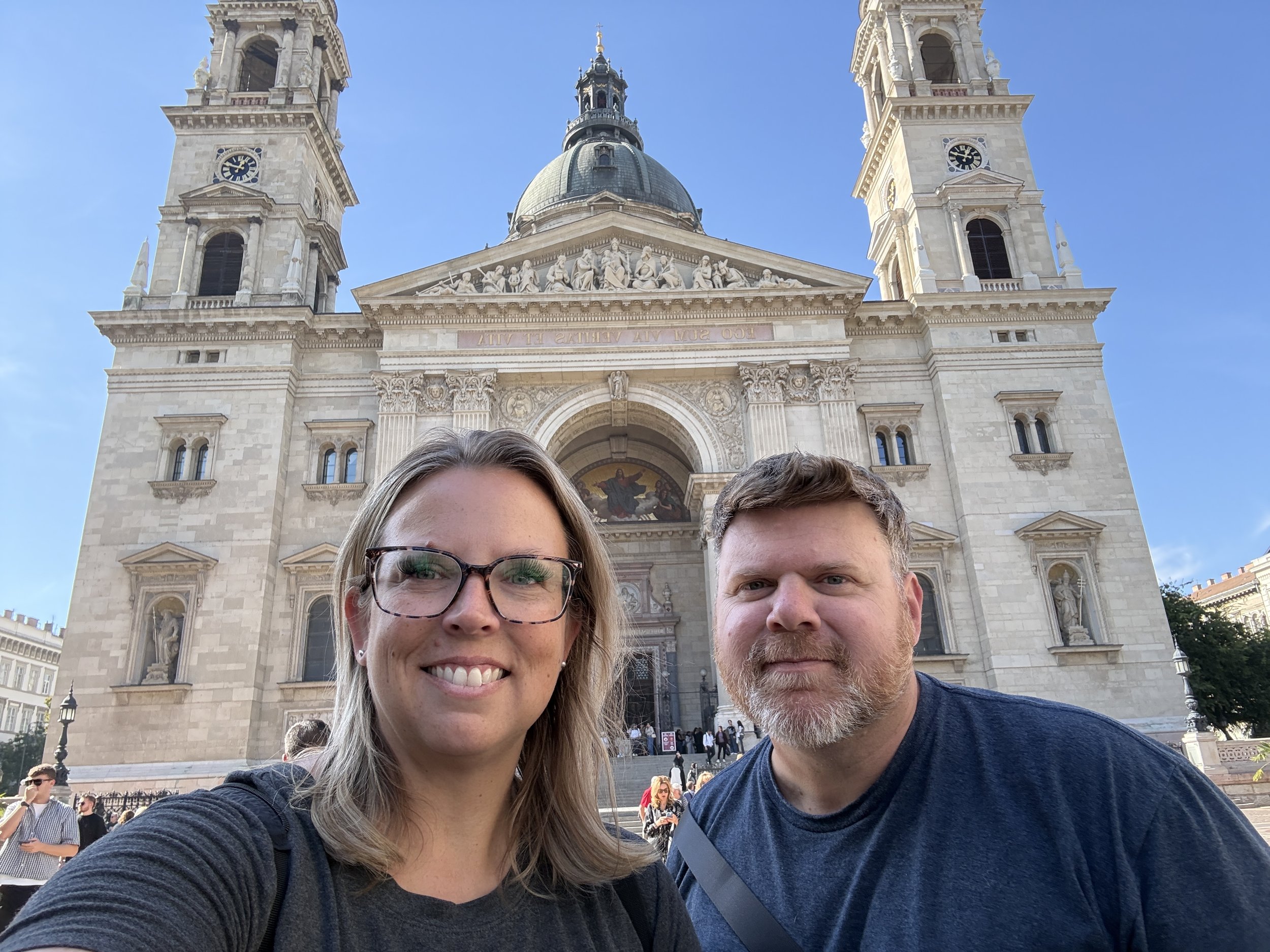
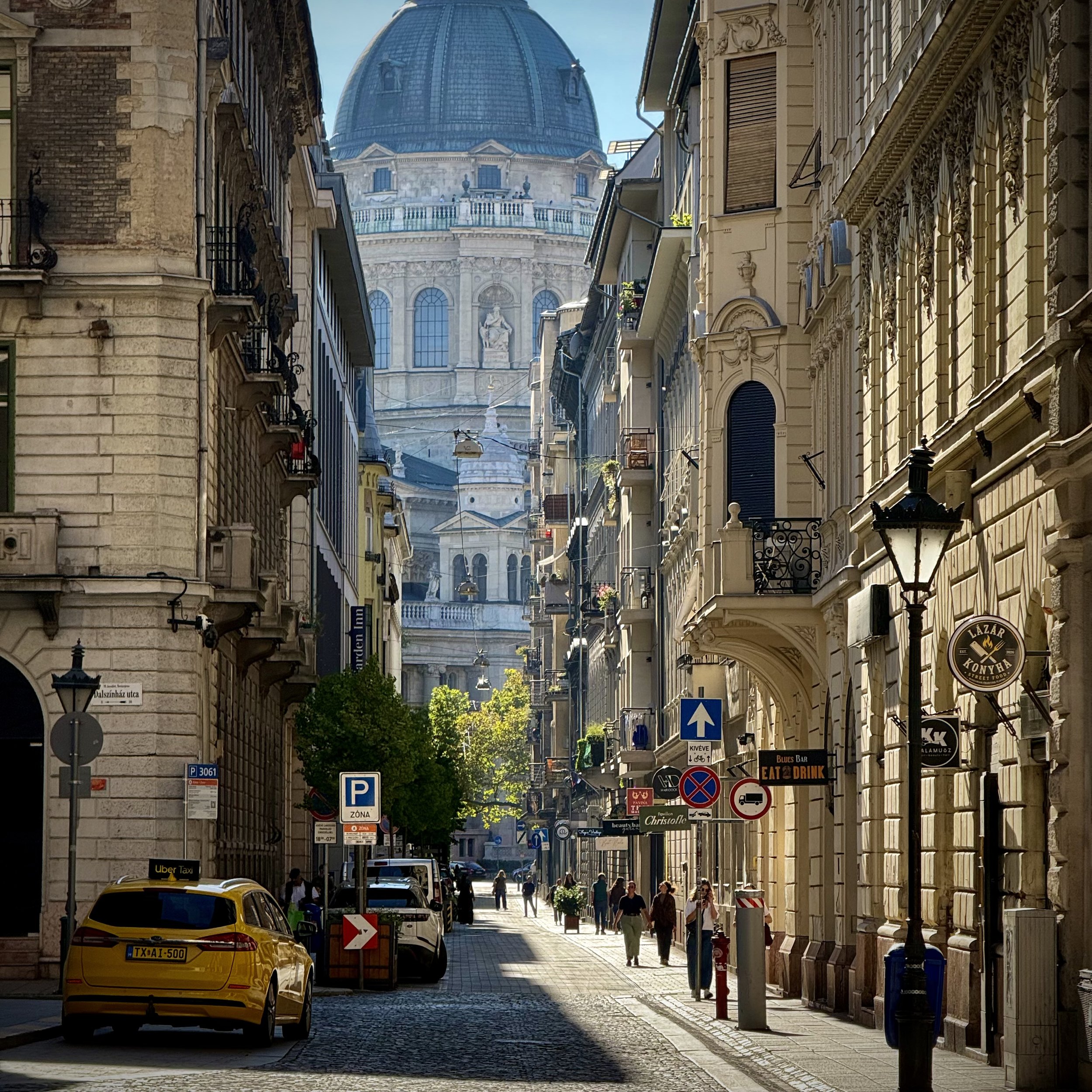
History of Budapest
Budapest's history stretches back nearly 2,000 years, beginning with the Roman settlement of Aquincum in what is now Óbuda. Over the centuries, the region experienced Mongol invasions, Ottoman occupation, Habsburg rule, and major political transformations.
The modern city of Budapest was officially formed in 1873 when Buda, Pest, and Óbuda united. During the late 19th and early 20th centuries, Budapest flourished as one of the major cities of the Austro-Hungarian Empire. Much of its magnificent architecture, including the Hungarian Parliament Building, dates from this period.
World War II left extensive damage throughout Budapest, particularly during the 1944–1945 siege. After the war, Hungary came under communist rule and Soviet influence. The Hungarian Revolution of 1956 was a major uprising against that system, but Soviet forces ultimately suppressed it.
Communist rule ended in 1989, opening the door to democratic reforms and a market economy. Hungary joined the European Union in 2004.
Today, Budapest continues to preserve and restore its historic buildings, although decades of political upheaval, changing ownership, and uneven investment have left visible marks on parts of the city. That contrast between restoration and deterioration is something visitors will notice, even in central Budapest.
Budapest, Hungary – Quick Facts
Country: Hungary
Population: Approximately 1.7 million
Language: Hungarian (Magyar); English widely spoken in tourist areas
Currency: Hungarian Forint (HUF)
Time Zone: Central European Time (CET / UTC+1); UTC+2 during daylight saving time
Best Time to Visit: April–June and September–October
Recommended Stay: 4–7 days, longer for slow travelers
Getting Around: Metro, trams, buses, and walking
Main Airport: Budapest Ferenc Liszt International Airport (BUD)
Public Transportation: Affordable and extensive; daily and multi-day passes available
Electrical Outlets: Type C and F (230V)
Tipping: Generally 10–15% for good service, unless a service charge is included
Drinking Water: Tap water is safe to drink
Safety: Generally safe for tourists; normal big-city precautions recommended
Visa Requirements: U.S. citizens can generally visit visa-free for up to 90 days within a 180-day period across the Schengen Area
Known For: Hungarian Parliament Building, thermal baths, Danube River, historic architecture, ruin bars, and traditional Hungarian cuisine
Emergency Number: 112
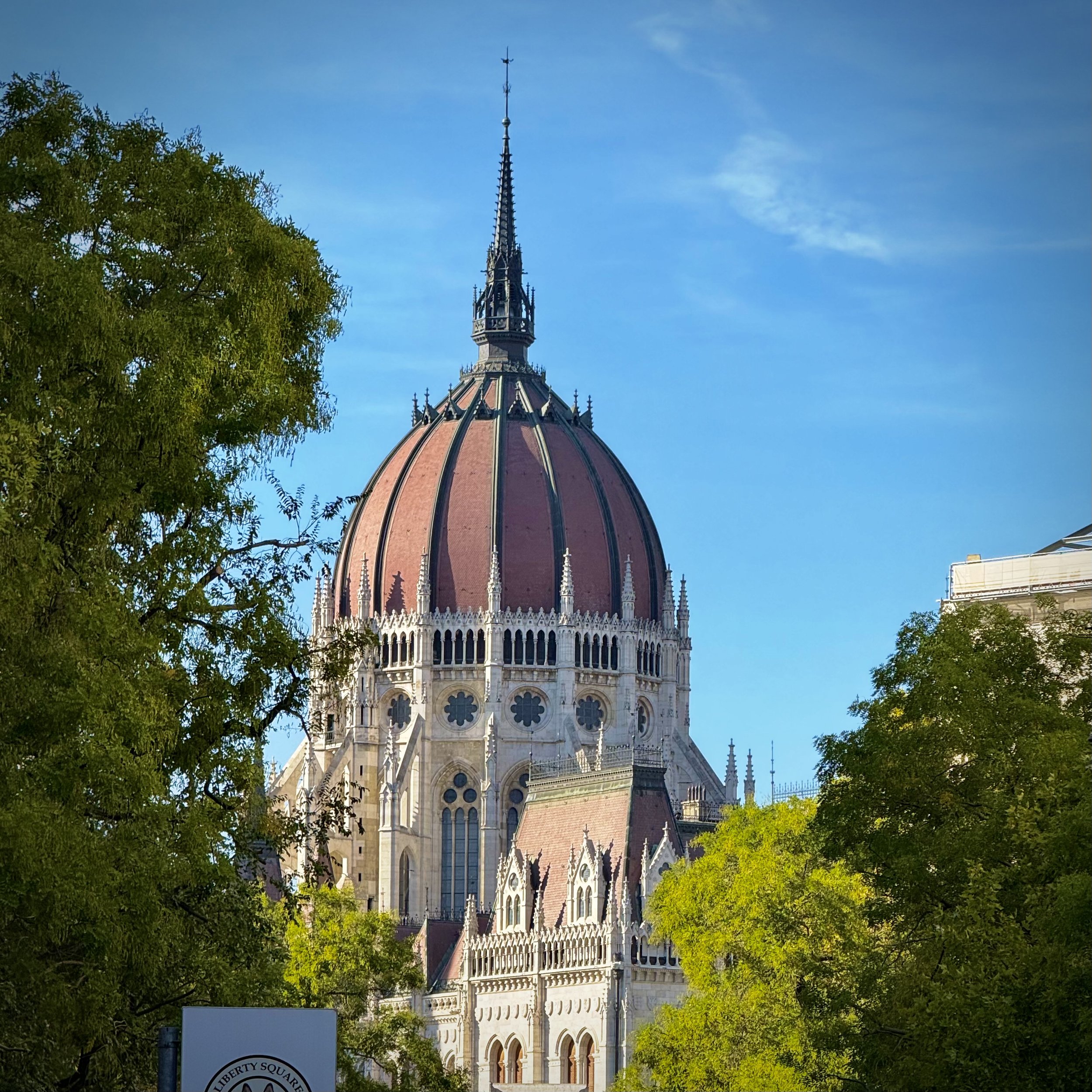
Hungarian is widely considered one of the more challenging European languages for English speakers to learn. Fortunately, English is commonly spoken in tourist areas, hotels, and many restaurants.
Although Hungary is part of the European Union, it does not use the euro. Most establishments accept credit cards, but it's useful to have a small amount of Hungarian forints for certain markets, smaller businesses, and occasional cash-only purchases.
Where to Stay in Budapest
Best Areas and Neighborhoods
Choosing where to stay in Budapest depends on whether you prefer sightseeing, restaurants, nightlife, or a quieter neighborhood. Most first-time visitors will find Pest more convenient, while Buda offers a more relaxed atmosphere and beautiful views.
District V – Belváros-Lipótváros (Downtown Budapest)
Best for: First-time visitors, sightseeing, restaurants, and convenience.
District V is one of the most convenient places to stay in Budapest. Located near the Danube River, it puts visitors within walking distance of St. Stephen's Basilica, the Hungarian Parliament Building, Váci Street, and the Chain Bridge.
The area offers excellent transportation connections, upscale hotels, restaurants, and shopping. Accommodations can be more expensive here, but the central location makes exploring Budapest easy.
District VII – Erzsébetváros (Jewish Quarter)
Best for: Restaurants, nightlife, ruin bars, and younger travelers.
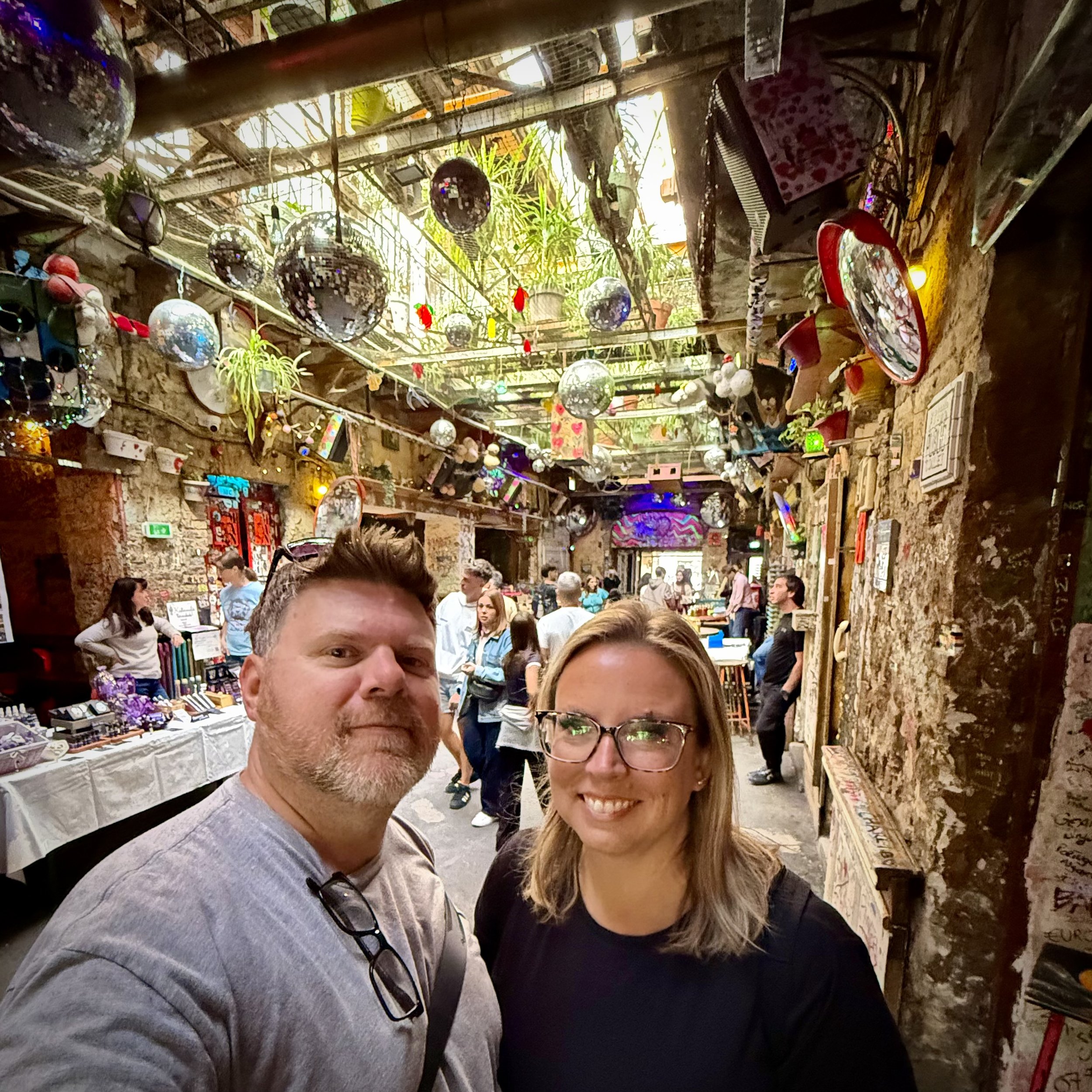
Budapest's Jewish Quarter is one of the city's most energetic neighborhoods. Famous for its historic synagogues, street art, restaurants, and ruin bars, the area offers a unique combination of history and modern entertainment.
Szimpla Kert, Budapest's most famous ruin bar, is located here. Although this neighborhood is great for dining and entertainment, some streets can be noisy late into the evening.
District VI – Terézváros (Andrássy Avenue)
Best for: Historic architecture, shopping, and public transportation.
District VI is home to Andrássy Avenue, an elegant boulevard lined with historic buildings, restaurants, theaters, and shops.
The Hungarian State Opera House is one of its major landmarks, and the historic M1 metro line connects the area with Heroes' Square and City Park.
This neighborhood offers a good balance between convenience and a more traditional Budapest atmosphere.
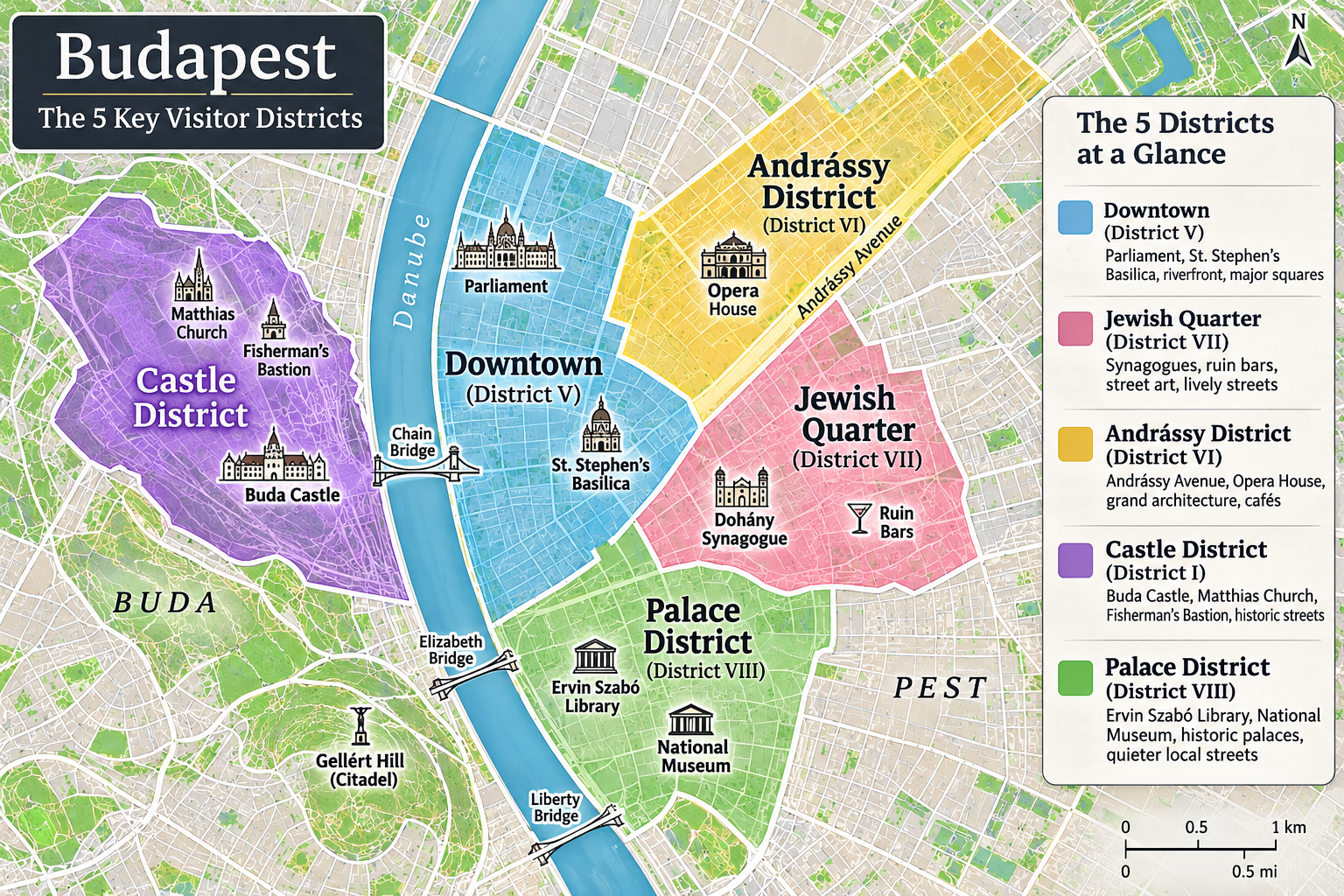
District I – Castle District (Buda)
Best for: Historic charm, quieter evenings, and scenic views.
Located on the Buda side of the Danube, the Castle District is home to Buda Castle, Matthias Church, and Fisherman's Bastion.
The neighborhood is especially beautiful in the early morning and evening when many day visitors have left. However, its hilltop location makes it less convenient for visitors planning to spend most of their time exploring Pest.
District VIII – Palace Quarter
Best for: Historic character, local restaurants, and potentially better accommodation value.
The Palace Quarter, part of Józsefváros, features impressive historic buildings, quieter streets, cafés, and cultural attractions.
It's a great alternative for travelers who want to stay close to central Budapest without being directly in the busiest tourist areas. The Hungarian National Museum and Metropolitan Ervin Szabó Library are nearby.
Our recommendation: For most first-time visitors, District V offers the best overall convenience. District VI and the Palace Quarter are excellent alternatives, while the Jewish Quarter is ideal for those who enjoy restaurants and nightlife.
Best Things to See and Do in Budapest
Budapest has an incredible variety of attractions, from world-famous landmarks and historic churches to unique neighborhoods, beautiful parks, and thermal baths. Here are some of the best things to do in Budapest based on our nearly two-week visit.
1. Hungarian Parliament Building
One of Budapest's most recognizable landmarks, the Hungarian Parliament Building is an architectural masterpiece overlooking the Danube River. It's impressive during the day, but especially spectacular when illuminated at night. For one of the best views, walk along the Buda riverfront or take an evening Danube cruise.
2. Buda Castle and Fisherman's Bastion
The historic Castle District is one of Budapest's most beautiful areas. Explore Buda Castle, admire Matthias Church, and visit Fisherman's Bastion for panoramic views of the Danube and Parliament Building. Early mornings are especially enjoyable before the crowds arrive.
3. St. Stephen's Basilica
Located in the heart of Pest, St. Stephen's Basilica is one of Hungary's most important churches. Its grand interior is worth exploring, and visitors can access the panoramic terrace for excellent city views. The surrounding neighborhood is also filled with cafés, restaurants, and pedestrian-friendly streets.
4. Jewish Quarter and Szimpla Kert
Budapest's Jewish Quarter is known for its historic synagogues, street art, restaurants, and famous ruin bars. Szimpla Kert is a must-see, even if nightlife isn't your thing. Visit during the day to appreciate the quirky decorations, mismatched furniture, and creative use of an old building.
5. Széchenyi Thermal Bath
Budapest is famous for its thermal baths, fed by naturally heated mineral-rich waters. Széchenyi Thermal Bath, located in City Park, is one of the most iconic places to experience this tradition. Its outdoor pools, grand yellow architecture, and relaxing atmosphere make it a popular attraction year-round.
6. Margaret Island (Margitsziget)
Located in the middle of the Danube River, Margaret Island is one of Budapest's best green spaces and a peaceful escape from the busy city. This beautiful island features walking and cycling paths, landscaped gardens, a musical fountain, historic ruins, and plenty of places to relax. It's a great spot for a leisurely stroll, bike ride, or simply enjoying nature while exploring Budapest.
7. Shoes on the Danube Bank Memorial
Located along the Pest riverfront near Parliament, this moving memorial honors Jewish victims murdered by Arrow Cross militiamen during World War II. The iron shoes represent those left behind after victims were forced to remove their footwear before being shot into the river. It's an important and emotional stop when exploring Budapest's history.
8. Chain Bridge and Danube Riverfront
The Széchenyi Chain Bridge connects Buda and Pest and is one of Budapest's most famous landmarks. Walking across the bridge provides excellent views of the river, Castle Hill, and Parliament. The riverfront is especially beautiful after sunset when Budapest's major landmarks are illuminated.
9. City Park, Heroes' Square and Vajdahunyad Castle
City Park is one of Budapest's best green spaces, offering walking paths, gardens, and several major attractions. Nearby Heroes' Square features monuments honoring important Hungarian historical figures, while Vajdahunyad Castle showcases a fascinating mix of architectural styles.
10. Danube River Cruise
A Danube River cruise is one of the most memorable experiences in Budapest. Whether you choose a sightseeing cruise or an evening dinner cruise, seeing Parliament, Buda Castle, and the bridges illuminated from the water is something special. For us, Budapest at night was one of the highlights of our visit.
Traditional Hungarian Food: What to Eat in Budapest
One of our favorite things about Budapest was the food. Hungarian cuisine is hearty, flavorful, and often served in extremely generous portions. Paprika is a defining ingredient in many traditional dishes, and visitors will find everything from comforting soups and slow-cooked meats to fried breads and sweet pastries.
Chicken Paprikás (Paprikás Csirke)
Chicken paprikás was one of our favorite meals in Budapest. This traditional Hungarian dish features tender chicken simmered in a rich paprika sauce, typically finished with sour cream and served with small Hungarian dumplings called nokedli.
It's comforting, filling, and packed with flavor. If you enjoy hearty meals, chicken paprikás should be near the top of your list.
Hungarian Goulash (Gulyás)
Hungarian goulash is one of the country's most famous dishes. Unlike the thick stew many Americans associate with goulash, traditional Hungarian gulyás is generally a flavorful soup made with beef, vegetables, potatoes, and paprika.
You'll find it served in regular bowls and sometimes in hollowed-out bread bowls. Portion sizes and prices vary considerably between restaurants, so it's worth comparing menus.
Lángos
Lángos is one of Hungary's most popular street foods, made from deep-fried dough traditionally topped with sour cream, grated cheese, and sometimes garlic.
It's crispy on the outside, soft inside, and incredibly satisfying. We especially enjoyed the lángos at Retro Lángos Budapest.
One thing we learned is that prices don't always tell the whole story. Some inexpensive places serve smaller portions, while more expensive options can be large enough to share.
Chimney Cake (Kürtőskalács)
Chimney cake is a traditional sweet treat made from dough wrapped around a rotating spit and baked until golden and crispy. It's commonly coated with sugar, cinnamon, or other toppings.
You can enjoy a simple, traditional version or try one of the more elaborate creations filled with ice cream, chocolate, and other sweet toppings.
Other Hungarian Foods Worth Trying
If you have time, look for Hungarian stuffed cabbage, pörkölt (a rich meat stew), and traditional Hungarian pastries. Local markets and neighborhood restaurants are great places to explore the country's food culture.
Where to Eat in Budapest: Our Restaurant Recommendations
Budapest has an excellent food scene, but we found that restaurant prices and portion sizes varied dramatically, sometimes just a few streets apart.
Rather than assuming a restaurant is affordable because it's in Budapest, we recommend checking menus, comparing prices, and reading recent reviews.
Mama Goulash
Mama Goulash was one of our favorite restaurants in Budapest, serving delicious, traditional Hungarian comfort food with generous portions at incredibly reasonable prices. If you're looking for authentic Hungarian goulash and a hearty, satisfying meal without the tourist-trap prices, this is a spot you won't want to miss!
Retro Lángos Budapest
This is Retro Lángos, one of Budapest's popular spots for lángos — a traditional Hungarian dish made from deep-fried dough that's crispy on the outside and soft and fluffy on the inside."
"The classic version comes loaded with garlic, sour cream, and shredded cheese, but they've got all kinds of toppings to choose from.
Twenty Six Budapest
Twenty Six offers a completely different dining experience, with a lush, plant-filled interior and a modern restaurant atmosphere. It's especially appealing for visitors looking for a memorable setting.
Pho 90’s
One of our favorite meals in Budapest, Hungary, wasn't Hungarian food at all! 🇭🇺
After nearly two weeks exploring Budapest and enjoying traditional Hungarian dishes, we were craving something different. That's when we discovered Pho 90s, a Vietnamese restaurant that turned out to be one of our favorite food finds in the city!
Our Budapest Dining Tip
Don't assume the most popular restaurant is automatically the best value. During our visit, we occasionally left restaurants after looking at the menu because the prices seemed unreasonable compared with nearby alternatives.
We found that exploring a few streets away from the busiest tourist areas often led to better value and more satisfying meals.
Also, check whether a service charge has already been included on your bill before adding an additional tip.
Getting Around Budapest:
Public Transportation, Walking and Airport Transfers
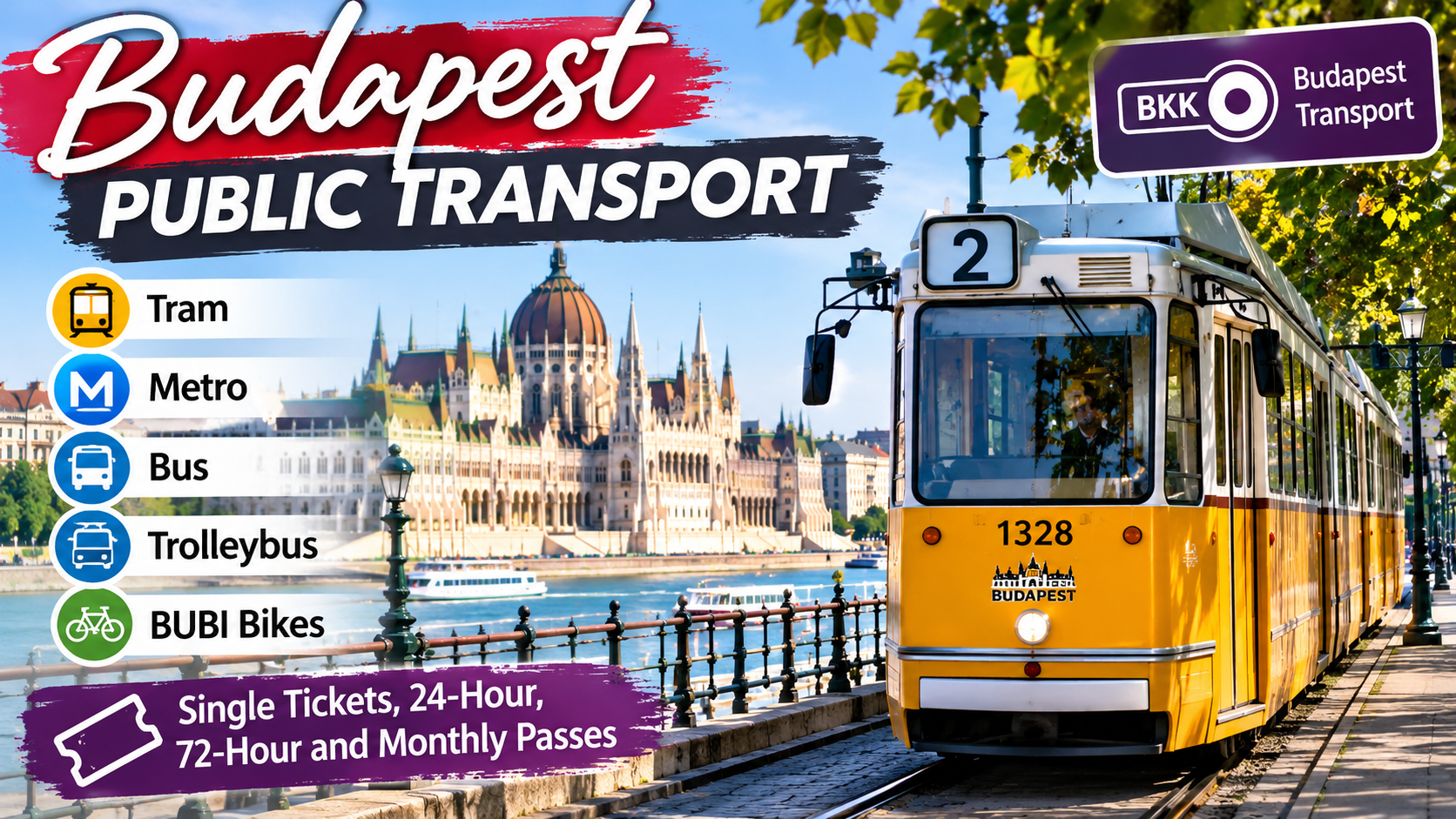
One of Budapest's biggest advantages is its excellent public transportation system. The city has an extensive network of metros, trams, buses, and trolleybuses operated by BKK, making it easy to explore without renting a car.
Budapest Metro
Budapest has four metro lines connecting many of the city's major neighborhoods and attractions.
The historic M1 metro line, which runs beneath Andrássy Avenue, is particularly interesting. Opened in 1896, it is one of the oldest underground railways in the world and an attraction in its own right.
Trams and Buses
Budapest's yellow trams are a convenient and scenic way to travel around the city. Tram 2, which runs along the Pest side of the Danube, is especially popular because of its views of Parliament and the riverfront.
Buses and trolleybuses provide additional connections to neighborhoods not directly served by the metro.
Budapest Public Transportation Passes
During our visit, we purchased a monthly BKK public transportation pass for approximately 9,500 HUF, around $27 at the time. It provided excellent value and allowed us to use public transportation throughout our stay.
For shorter visits, consider individual tickets or multi-day travelcards, depending on how often you expect to ride.
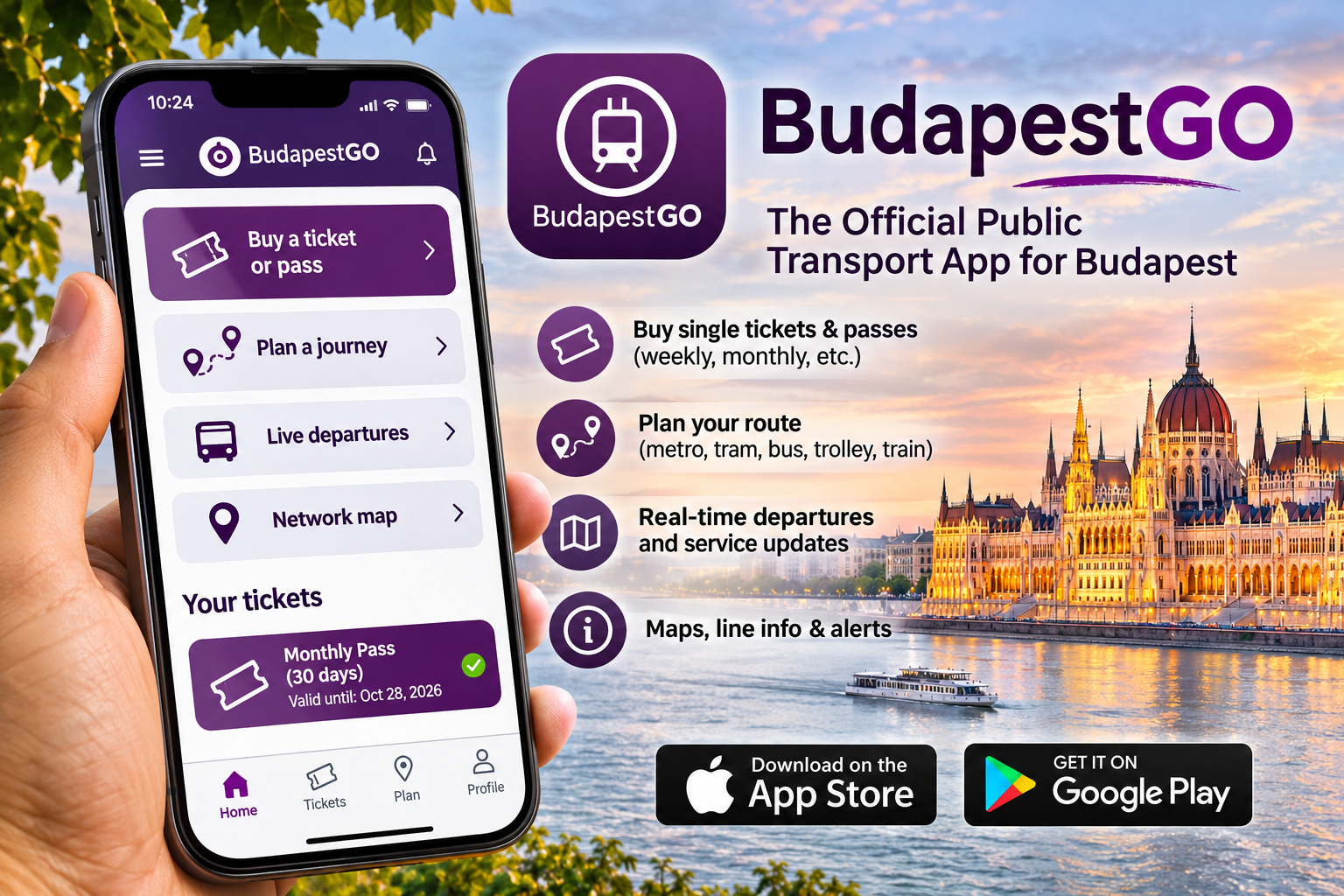
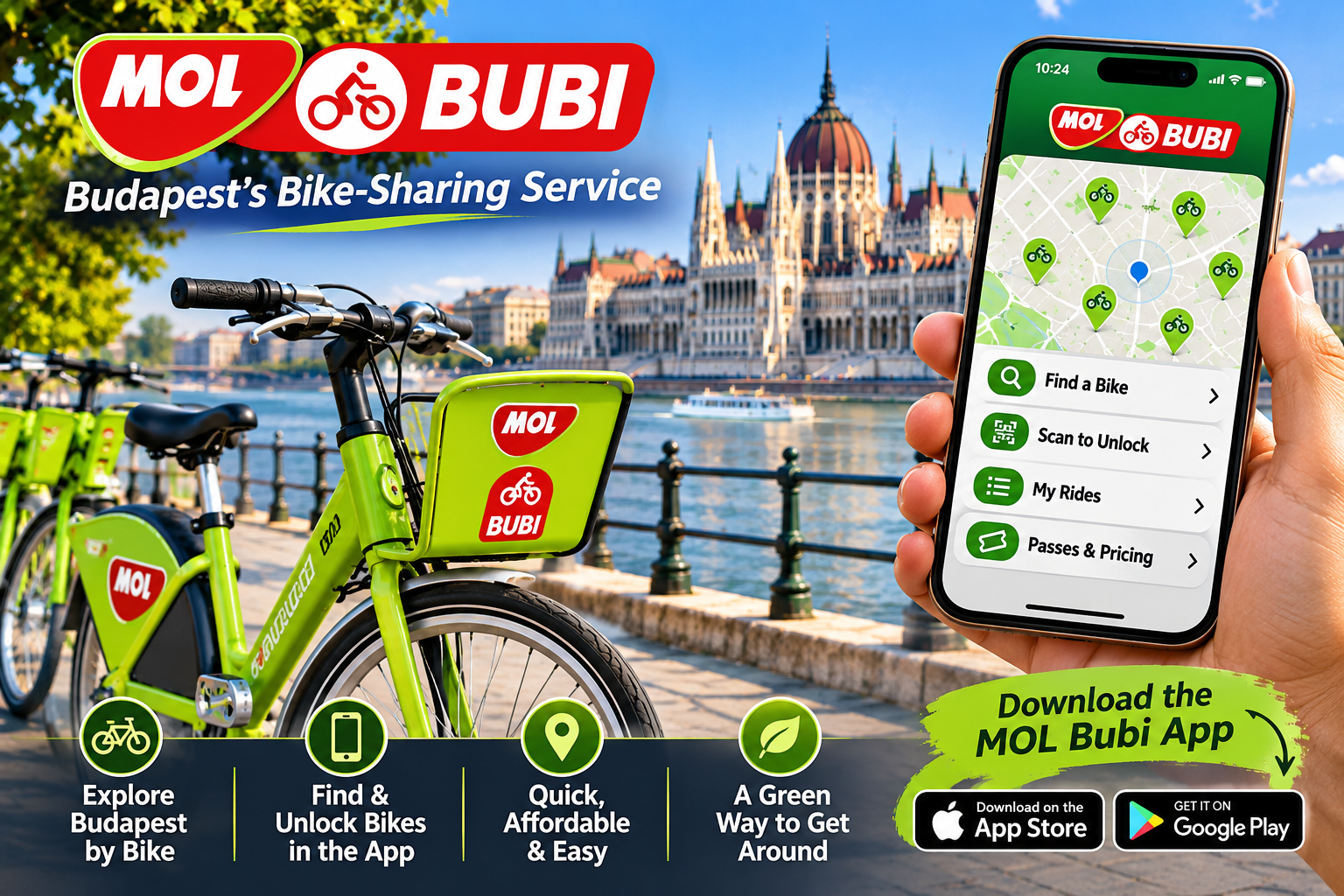
The BudapestGO app is useful for planning routes and purchasing eligible tickets and passes. Always follow the validation rules for your particular ticket. Ticket inspections are common, and fines can be expensive. With the monthly transit pass we also got (10) free 30 minute sessions through MOL Bubi bikes - make sure you select a pedal bike though electric bikes are not included.
Walking Around Budapest
Budapest is a very walkable city, particularly in central Pest and along the Danube River.
However, distances between attractions can be longer than they appear on a map. We recommend combining walking with public transportation to save time and energy.
Getting From Budapest Airport to the City Center
Budapest Ferenc Liszt International Airport is located outside the city center. The 100E Airport Express bus provides a direct connection to central Pest using a special airport bus ticket.
If you purchase the monthly transit pass you have the option to purchase a discounted fare ticket - you’ll find the discount in the app
Taxis and private transfers are also available, although public transportation is generally the more affordable option.
Our recommendation: Skip the rental car. Between walking, public transportation, and occasional taxis, most visitors can explore Budapest easily without one.
Common Mistakes to Avoid When Visiting Budapest
Budapest is relatively easy to explore, but there are a few mistakes that can cost visitors time and money.
1. Assuming Everything in Budapest Is Cheap
Budapest has a reputation for being affordable, and in many ways it is. However, prices can vary significantly between restaurants, attractions, and tourist-heavy neighborhoods.
We found that some restaurants charged considerably more than others located just a few streets away. Always check menus and prices before ordering.
2. Spending Only Two Days in Budapest
Many travelers visit Budapest for a quick weekend, but there's much more to explore beyond Parliament, Buda Castle, and the thermal baths.
With its historic neighborhoods, markets, parks, museums, and riverfront attractions, Budapest deserves more than a rushed visit. We recommend at least four or five days, and preferably longer.
3. Not Using Public Transportation
Budapest's public transportation is inexpensive, convenient, and easy to navigate. Walking everywhere might sound appealing, but the city is spread out, and distances can add up quickly.
Purchase an appropriate transit pass or ticket and take advantage of the metro, trams, and buses.
4. Forgetting to Validate Transportation Tickets
Ticket inspections are common throughout Budapest. Depending on the ticket type, you may need to validate your ticket before traveling or when boarding.
Having an unvalidated ticket can result in a fine, even if you've already paid for it. If you purchase the monthly pass you only need to validate it once and then you won’t have to worry about validating tickets the rest of the journey.
5. Only Visiting the Most Famous Attractions
Budapest's major landmarks are spectacular, but some of our favorite experiences came from wandering through neighborhoods, discovering historic buildings, and exploring less touristy areas.
Places like the Palace Quarter, Metropolitan Ervin Szabó Library, and smaller neighborhood restaurants offer a different perspective on the city.
6. Skipping Budapest at Night
Budapest is particularly beautiful after dark when Parliament, the Chain Bridge, Buda Castle, and other major landmarks are illuminated.
An evening walk along the Danube or a nighttime river cruise is one of the best experiences in the city.
7. Not Checking Service Charges
Some Budapest restaurants automatically add a service charge to the bill. Check your receipt before tipping extra to avoid paying more than intended.
8. Exchanging Money Without Checking the Rate
Hungary uses the Hungarian forint, not the euro. Avoid accepting unfavorable exchange rates, and when paying by card, choosing to be charged in Hungarian forints is generally preferable to accepting a merchant's currency conversion.
Is Budapest Safe for Tourists?
Budapest is generally considered a safe destination for tourists, including solo travelers and couples. During our nearly two-week visit, we felt comfortable exploring the city, including walking around central neighborhoods after dark.
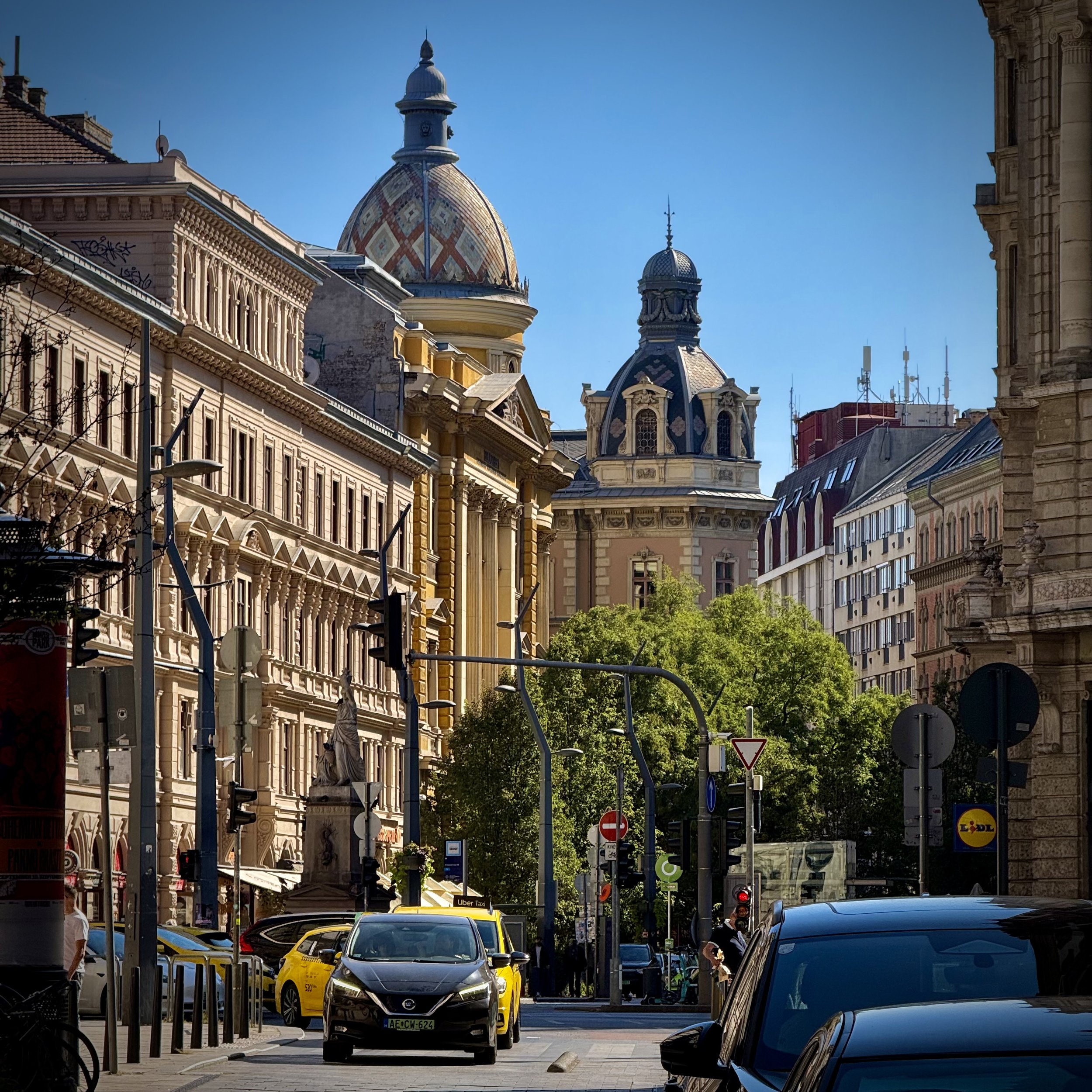
One thing that surprised us was the appearance of certain areas. Some buildings looked neglected, with crumbling facades, graffiti, and abandoned properties, even close to major attractions.
However, appearances can be misleading. Despite some areas looking rougher than other European capitals we've visited, we generally felt safe walking around Budapest.
As with any major city, visitors should remain aware of their surroundings, especially in crowded tourist areas, train stations, and nightlife districts.
Petty theft, pickpocketing, restaurant overcharging, and taxi scams are among the issues visitors should watch for. The U.S. Department of State currently advises travelers to exercise normal precautions in Hungary.
We recommend using reputable transportation providers, checking restaurant prices before ordering, keeping valuables secure, and exercising extra caution in busy nightlife areas.
Our experience: Budapest felt safer than its occasional worn-down appearance might suggest. We wouldn't hesitate to return.
Hungary Entry Requirements and Visa Information
Hungary is a member of the European Union and the Schengen Area, making it relatively straightforward to visit as part of a larger European trip.
Do U.S. Citizens Need a Visa to Visit Hungary?
U.S. passport holders generally do not need a visa for tourism visits of up to 90 days within any 180-day period in the Schengen Area.
Your passport must be valid for at least three months beyond your planned departure, and travelers may be asked to provide proof of accommodation, sufficient funds, or onward travel.
Understanding the Schengen 90/180-Day Rule
Hungary shares its standard short-stay limit with other Schengen countries, including Austria, Italy, Germany, France, and Greece.
This means that time spent visiting these countries generally counts toward the same 90-day allowance within a rolling 180-day period.
For travelers planning extended European trips, keeping track of Schengen days is essential.
ETIAS and European Entry Requirements
Europe is introducing additional border and travel authorization systems for visitors from outside the European Union.
The Entry/Exit System (EES) is operational and digitally records eligible non-EU travelers' border crossings, including biometric information.
The European Travel Information and Authorisation System (ETIAS) is expected to introduce an additional travel authorization requirement for eligible visa-exempt travelers, including Americans. As of October 31, 2026, ETIAS is not yet operating and no applications are being accepted.
Travelers should check the official European Union ETIAS website and U.S. State Department Hungary travel information before departure.
Entry requirements vary by nationality and can change, so always verify the latest rules before traveling.