Local German band singing stand by me in old town Cologne, Germany
Cologne At a Glance:
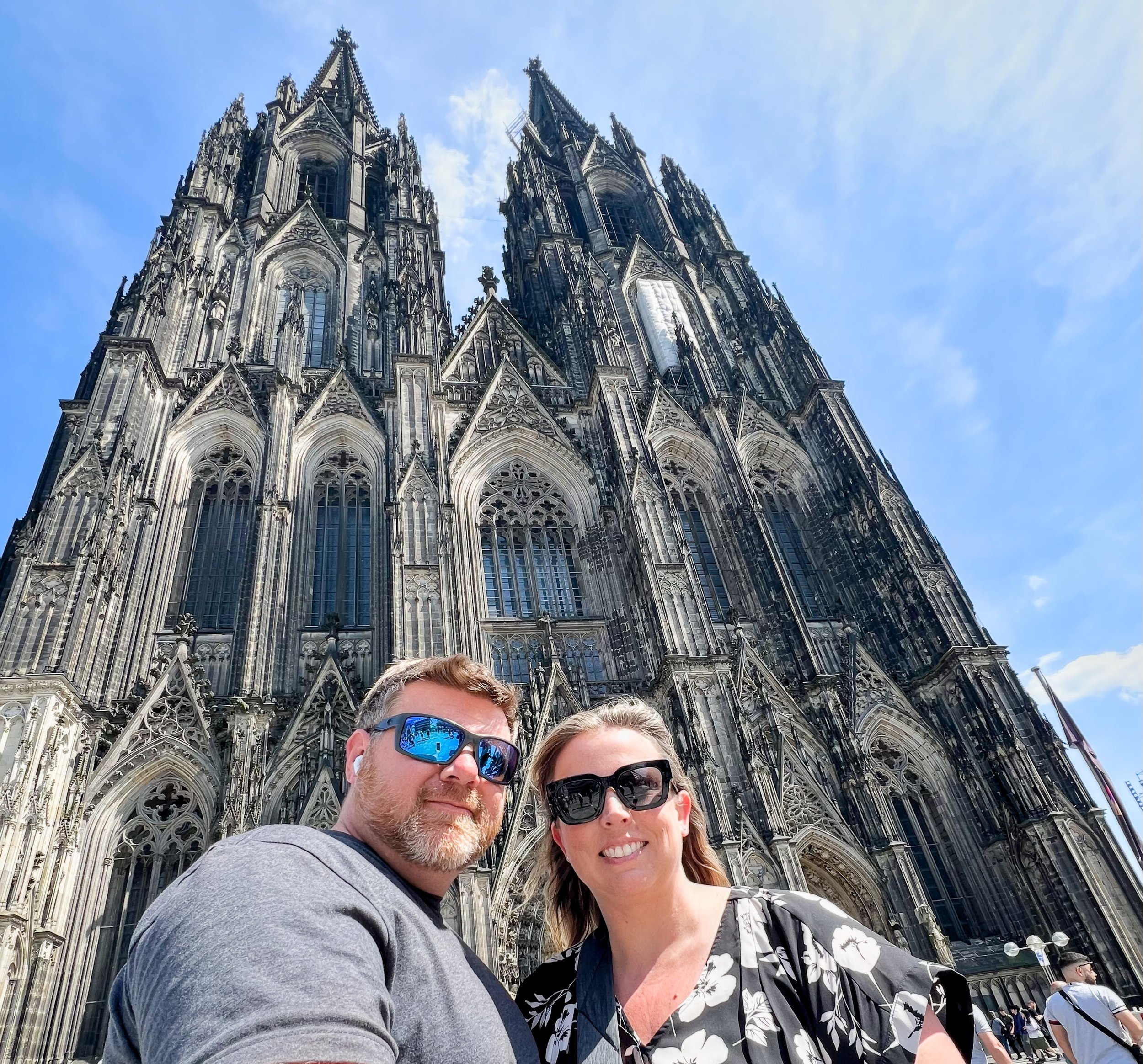
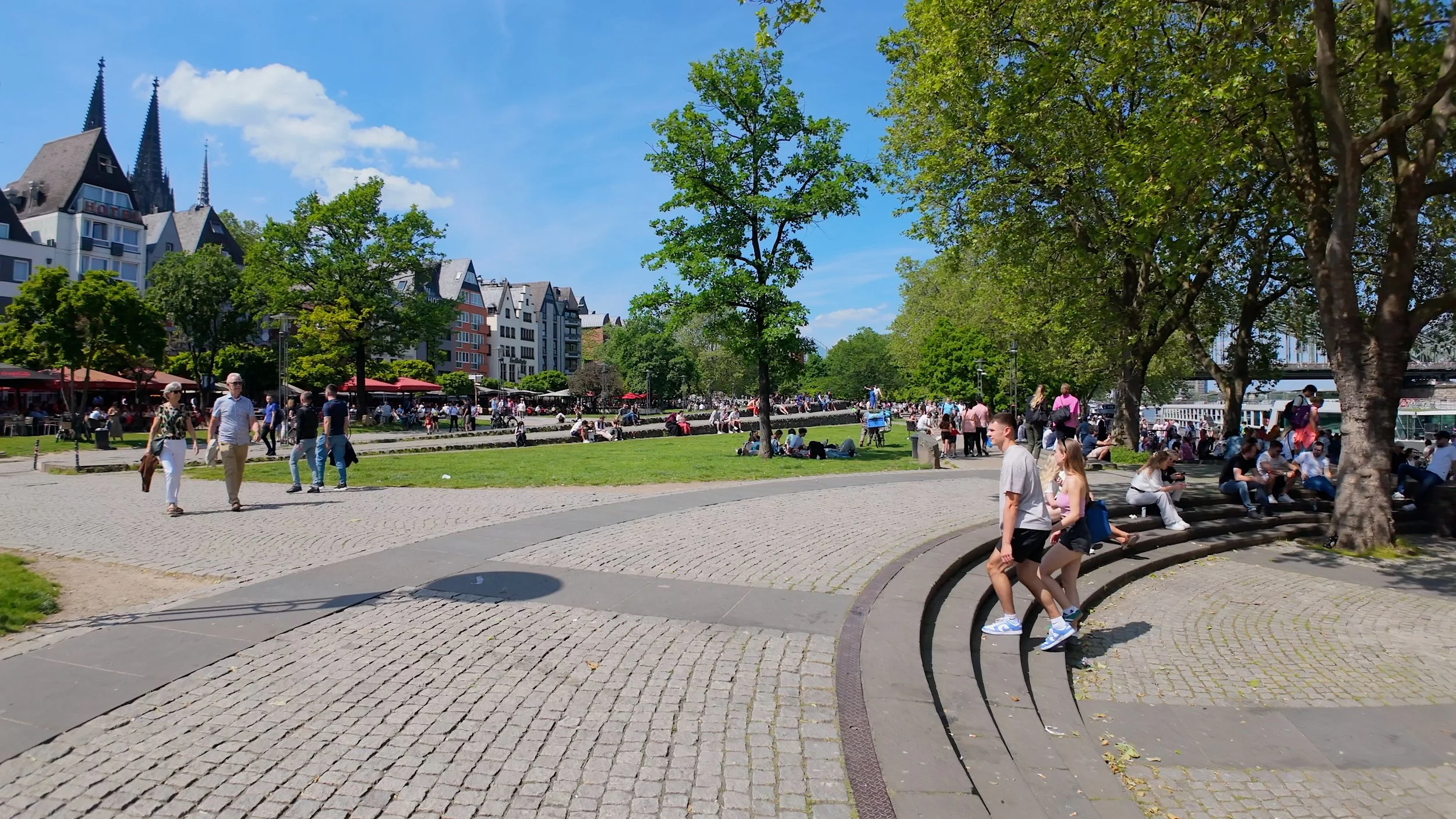
Cologne is a lively, welcoming city where more than 2,000 years of history meet a relaxed, youthful energy. The towering Cologne Cathedral dominates the skyline, but the city’s appeal goes far beyond its most famous landmark. Along the Rhine, locals gather for drinks, bike rides, river walks, and long evenings outside, while the Old Town mixes colorful buildings, traditional beer halls, Roman history, museums, and bustling public squares. Cologne is not Germany’s most polished or picture-perfect city—much of it was rebuilt after World War II—but it makes up for that with personality. The atmosphere is casual, friendly, and unpretentious, with a strong local identity centered around Kölsch beer, Carnival, and a genuine love of having a good time. It feels less formal than Munich, less edgy than Berlin, and more approachable than many larger European cities, making it an easy place to settle into and enjoy.
Quick Facts
Country: Germany
State: North Rhine-Westphalia
Population: ~1.1 million (Germany's fourth-largest city)
Language: German (English is widely spoken in tourist areas)
Currency: Euro (€)
Time Zone: Central European Time (CET/CEST)
Airport: Cologne Bonn Airport (CGN)
Known For: Cologne Cathedral, Kölsch beer, Carnival, Roman history, Christmas markets, and its vibrant riverside atmosphere.
Best Length of Stay: 2–3 days (4 days if taking day trips)
Walkability: Excellent in the historic center.
Public Transportation: Outstanding trams, buses, regional trains, and high-speed ICE connections.
Fun Facts
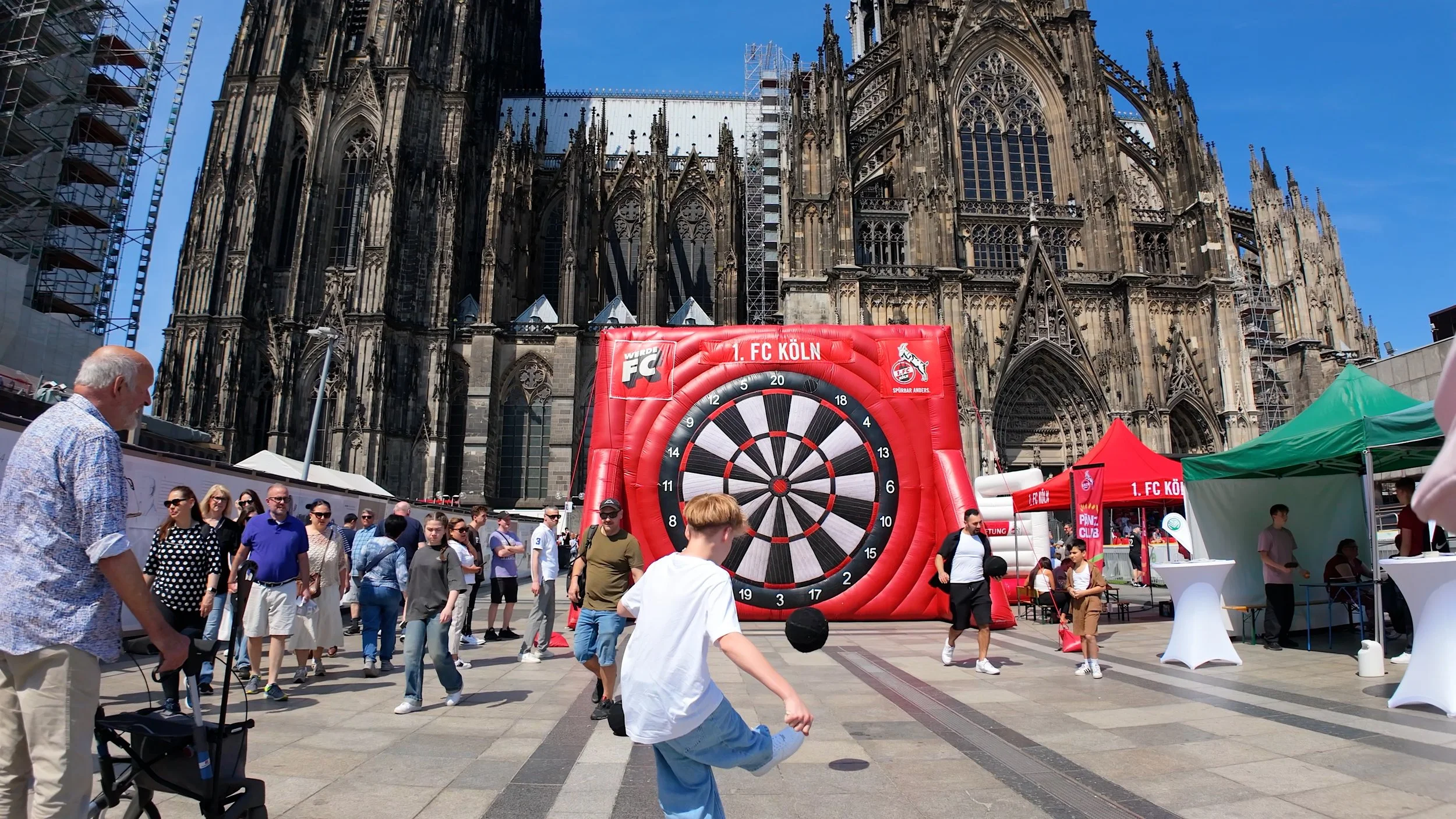
Cologne Cathedral took over 630 years to complete. Construction began in 1248 and wasn't officially finished until 1880.
The cathedral somehow survived World War II despite the surrounding city being heavily bombed.
Cologne was founded by the Romans nearly 2,000 years ago.
The word "cologne" perfume comes from this city. The original fragrance, Eau de Cologne, was first created here in 1709.
Kölsch isn't just a beer—it's legally protected and can only be brewed within the Cologne region.
Waiters traditionally keep bringing fresh Kölsch until you place your coaster over your glass.
Cologne hosts one of Europe's largest Carnival celebrations every February.
Best Time to Visit
Cologne is enjoyable year-round, but each season offers a completely different experience.
May through September is the best overall time to visit. Temperatures are comfortable, beer gardens are packed, river cruises operate daily, and locals spend evenings outside along the Rhine. Summer festivals bring the city to life, although hotel prices rise during weekends.
December transforms Cologne into one of Germany's premier Christmas destinations. Multiple Christmas markets spread throughout the city, each with its own personality, while the Cathedral market is considered one of Europe's most beautiful.
February is ideal if you want to experience Cologne Carnival (Karneval). This isn't a small local festival—it's one of Europe's biggest parties, with parades, costumes, music, and celebrations filling the streets. Expect enormous crowds and book accommodations many months in advance.
Spring and autumn offer a nice balance of pleasant weather, fewer crowds, and slightly lower hotel prices.
Where to Stay
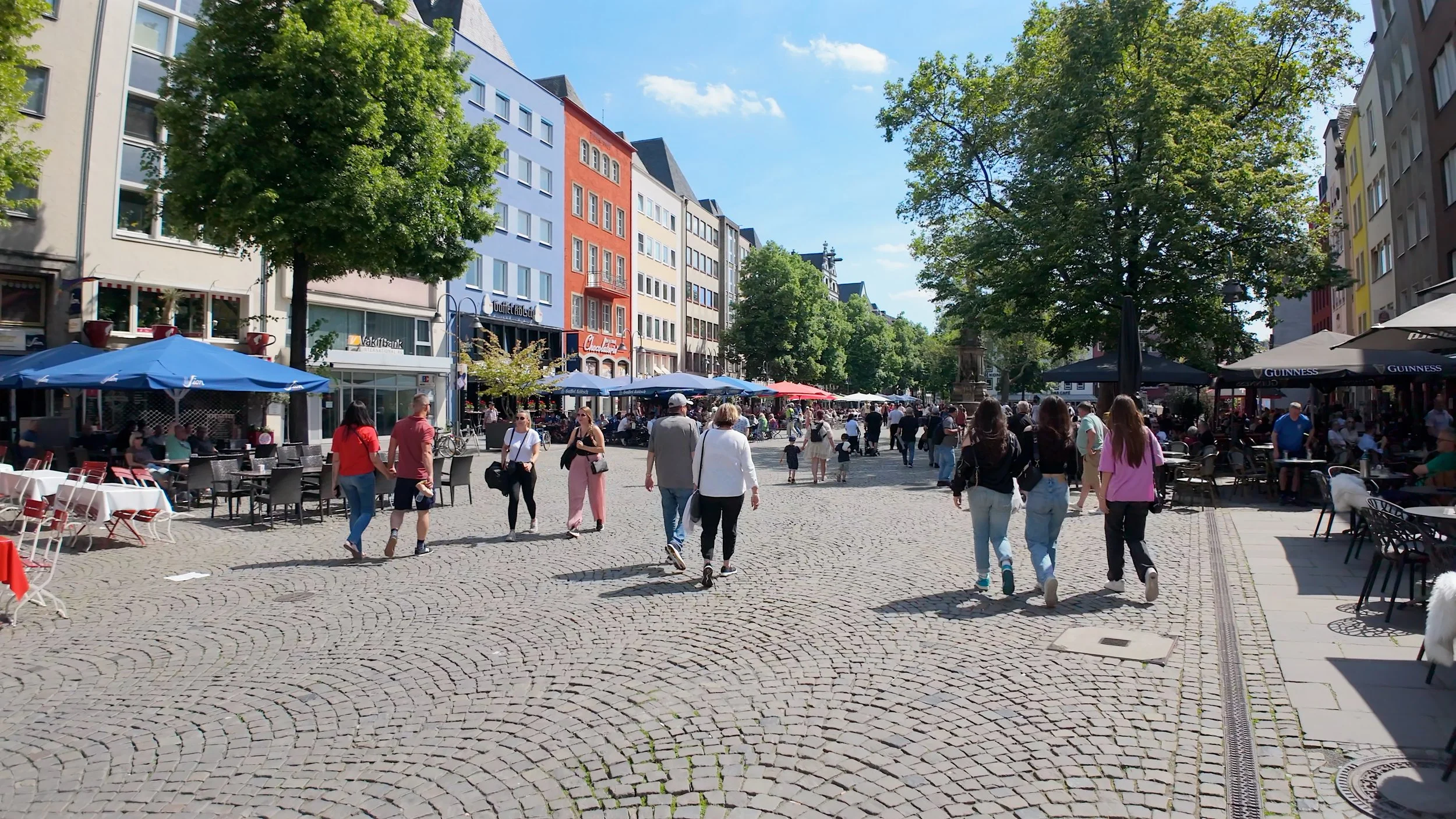
For most first-time visitors, staying in or around the Altstadt (Old Town) is hard to beat. You'll be within walking distance of Cologne Cathedral, the Rhine River, museums, restaurants, and the main train station. It's the most convenient location, especially if you're only spending a couple of nights.
If you prefer a trendier neighborhood with more local flavor, consider Belgisches Viertel (Belgian Quarter). This area is filled with boutique hotels, independent coffee shops, cocktail bars, and excellent restaurants. It has a younger, creative atmosphere while still being only a short tram ride from the historic center.
Deutz, located across the Rhine River, is another excellent choice. It offers modern hotels, beautiful skyline views of the cathedral, and easy access via bridges or public transportation. It's often quieter than the Old Town while remaining extremely convenient.
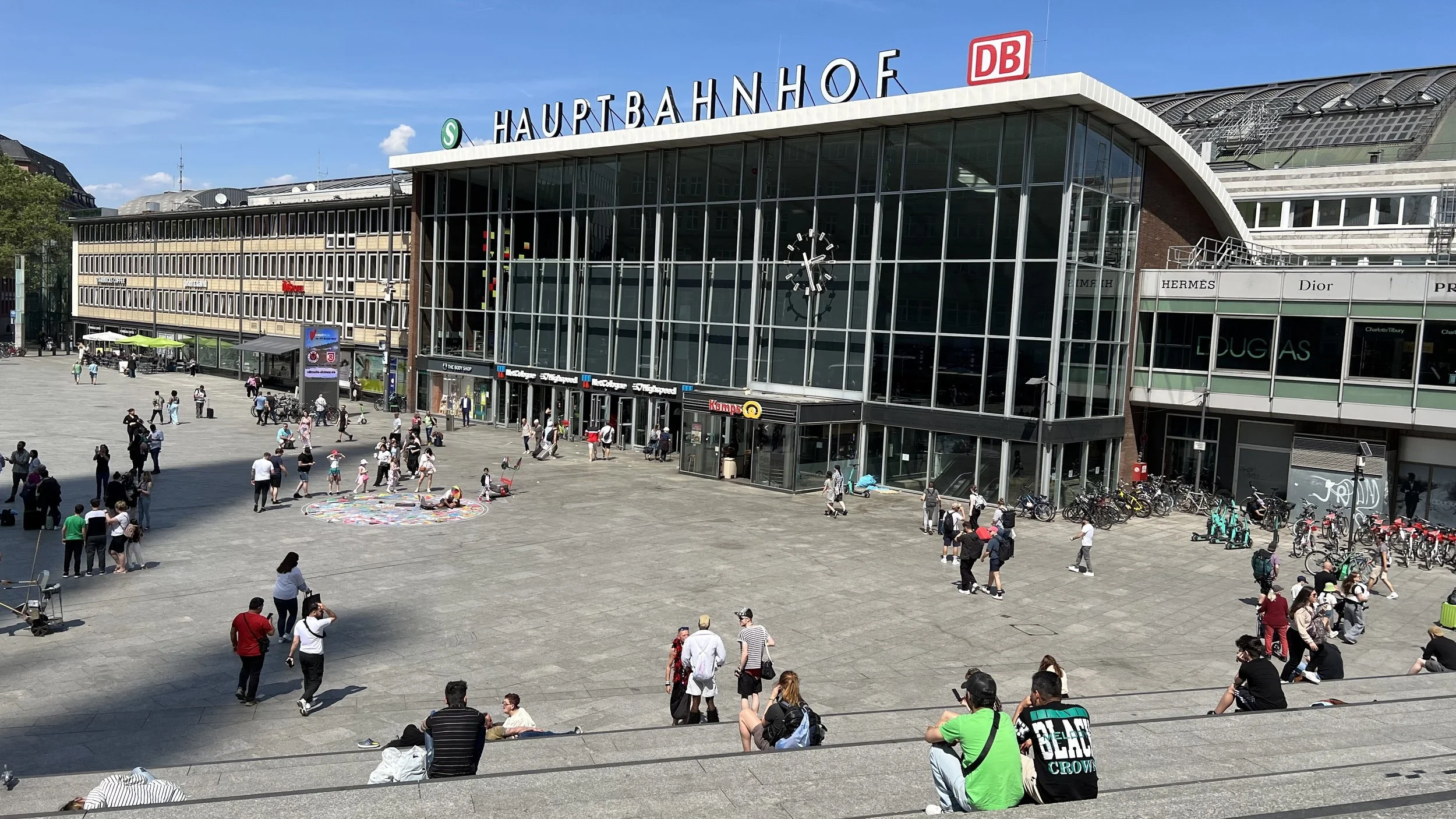
Travelers arriving by train may also appreciate staying near Cologne Central Station (Hauptbahnhof). Although the immediate area isn't the city's most charming, it's incredibly practical for sightseeing and day trips.
Things to Do & See
No visit begins anywhere other than Cologne Cathedral (Kölner Dom). Climb the 533 steps to the observation platform for spectacular panoramic views across the city and the Rhine River.
Spend time wandering through the Altstadt, where colorful buildings, narrow cobblestone streets, traditional beer halls, and lively squares create the city's most charming atmosphere.
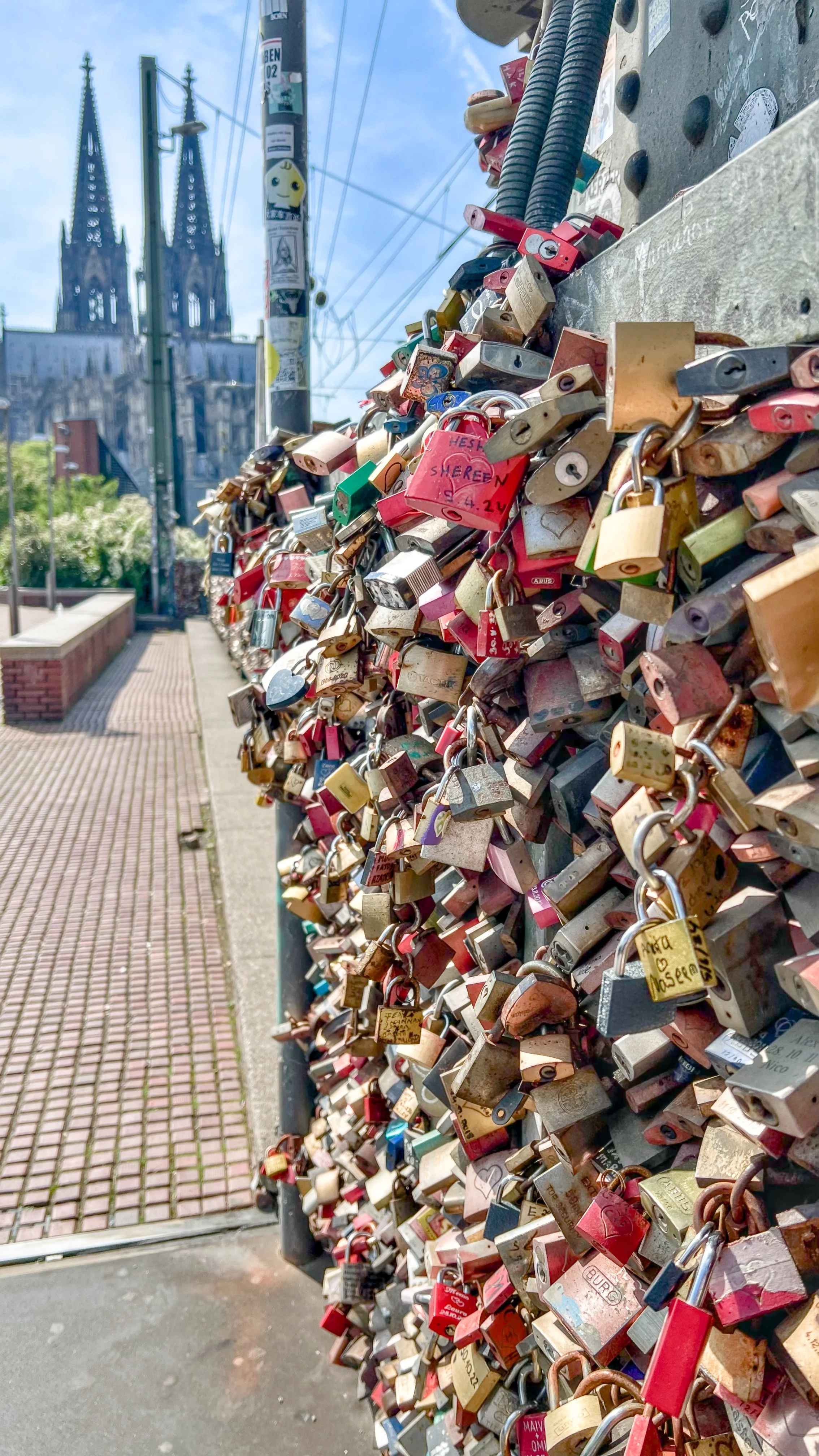
Walk across the Hohenzollern Bridge, famous for its thousands of love locks and incredible cathedral views. Trains rumble overhead while pedestrians enjoy one of Germany's most iconic photo spots.
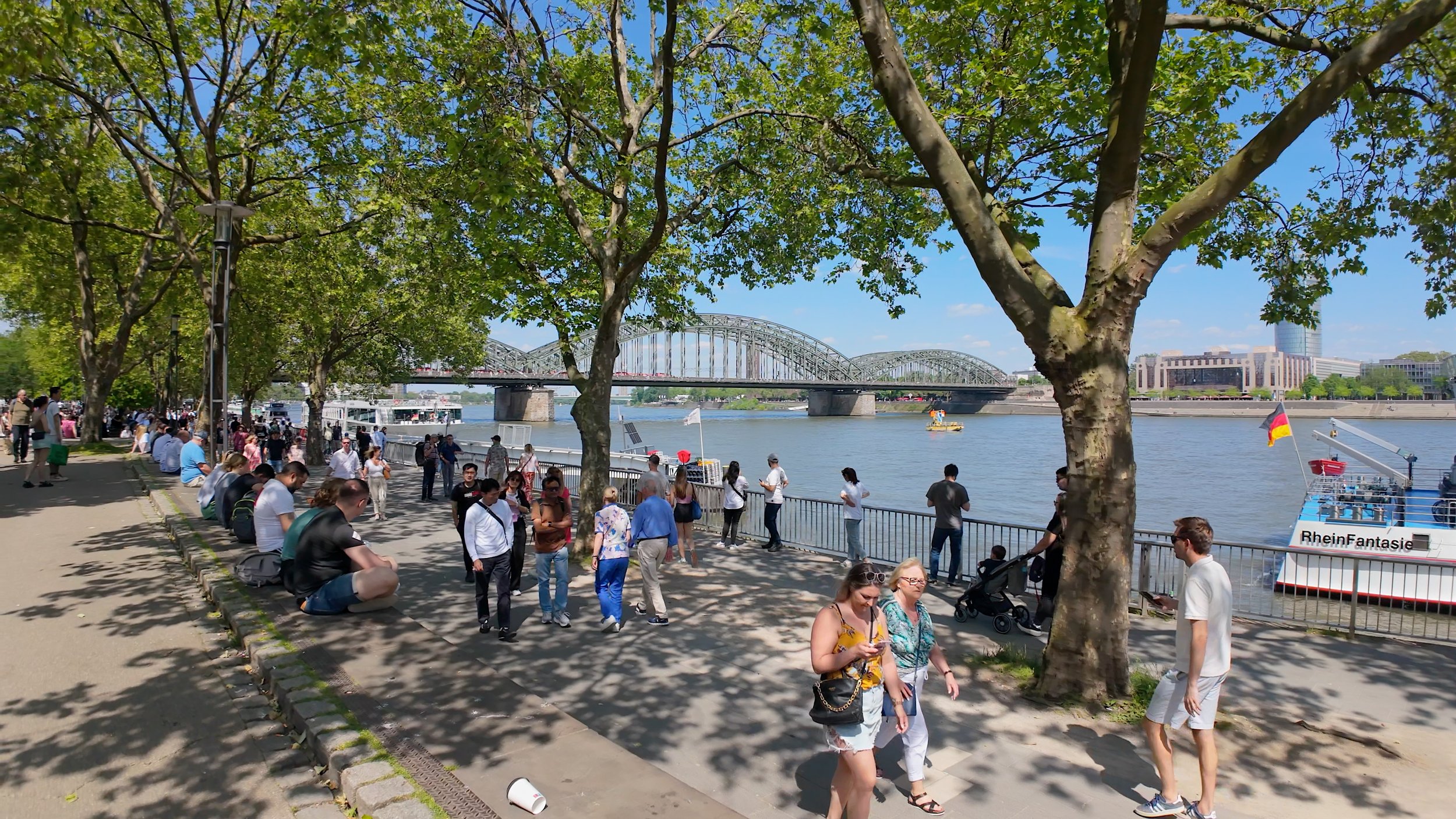
Take a leisurely stroll along the Rhine Promenade, especially around sunset when locals gather with drinks and food.
History lovers should visit the Roman-Germanic Museum (or its temporary exhibitions while renovations continue) to explore Cologne's Roman past.
The Chocolate Museum is surprisingly entertaining for adults and families alike. Learn about chocolate production, sample fresh chocolate, and watch it being made.
Art enthusiasts shouldn't miss the Museum Ludwig, home to one of Europe's finest collections of modern art, including numerous Picasso works.
If you're visiting during warmer months, take a scenic Rhine River cruise for a different perspective of the city skyline.
Finally, experience a traditional Kölsch brewery where the beer is served in small cylindrical glasses and the atmosphere is lively from afternoon until late evening.
Local Foods to Try
Cologne's cuisine is hearty, comforting, and deeply rooted in Rhineland traditions.
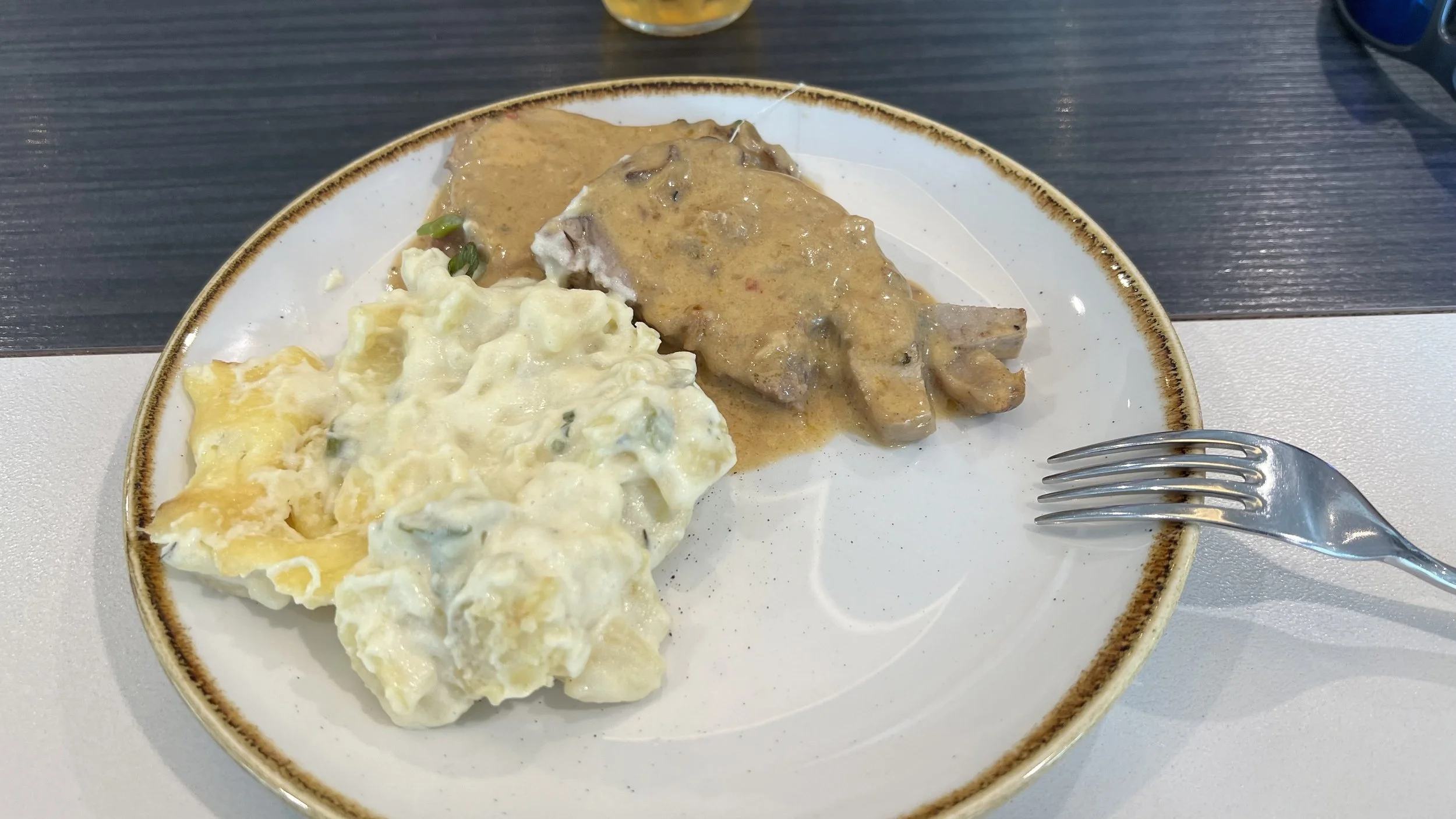
The city's signature dish is Himmel un Ääd ("Heaven and Earth"), a comforting combination of mashed potatoes, applesauce, onions, and black pudding.
Another local favorite is Halver Hahn, despite its misleading name. It's not chicken at all, but rather a rye roll topped with aged Gouda cheese, mustard, onions, and pickles.
You'll also encounter Sauerbraten, Germany's famous marinated pot roast served with rich gravy, potato dumplings, and red cabbage.
Don't leave without trying Flammkuchen, a thin, crispy flatbread topped with crème fraîche, onions, and bacon.
And of course, no culinary visit is complete without drinking several glasses of authentic Kölsch beer, served fresh directly from the barrel.
Where to Eat
Cologne excels at traditional German breweries where food and beer go hand in hand.
Around the Old Town you'll find centuries-old brewpubs serving generous portions of regional specialties alongside freshly brewed Kölsch. These establishments are lively, communal, and often filled with both locals and visitors sharing long wooden tables.
The Belgian Quarter offers a different experience. Here you'll discover stylish cafés serving excellent breakfasts, creative international cuisine, wine bars, and modern restaurants that showcase Cologne's increasingly diverse food scene.
If you're looking for riverside dining, several restaurants along the Rhine provide beautiful views while serving everything from traditional German fare to Italian, Mediterranean, and contemporary European cuisine.
For dessert, stop into one of Cologne's many bakeries for fresh pastries, cakes, or seasonal treats that pair perfectly with a cup of German coffee.
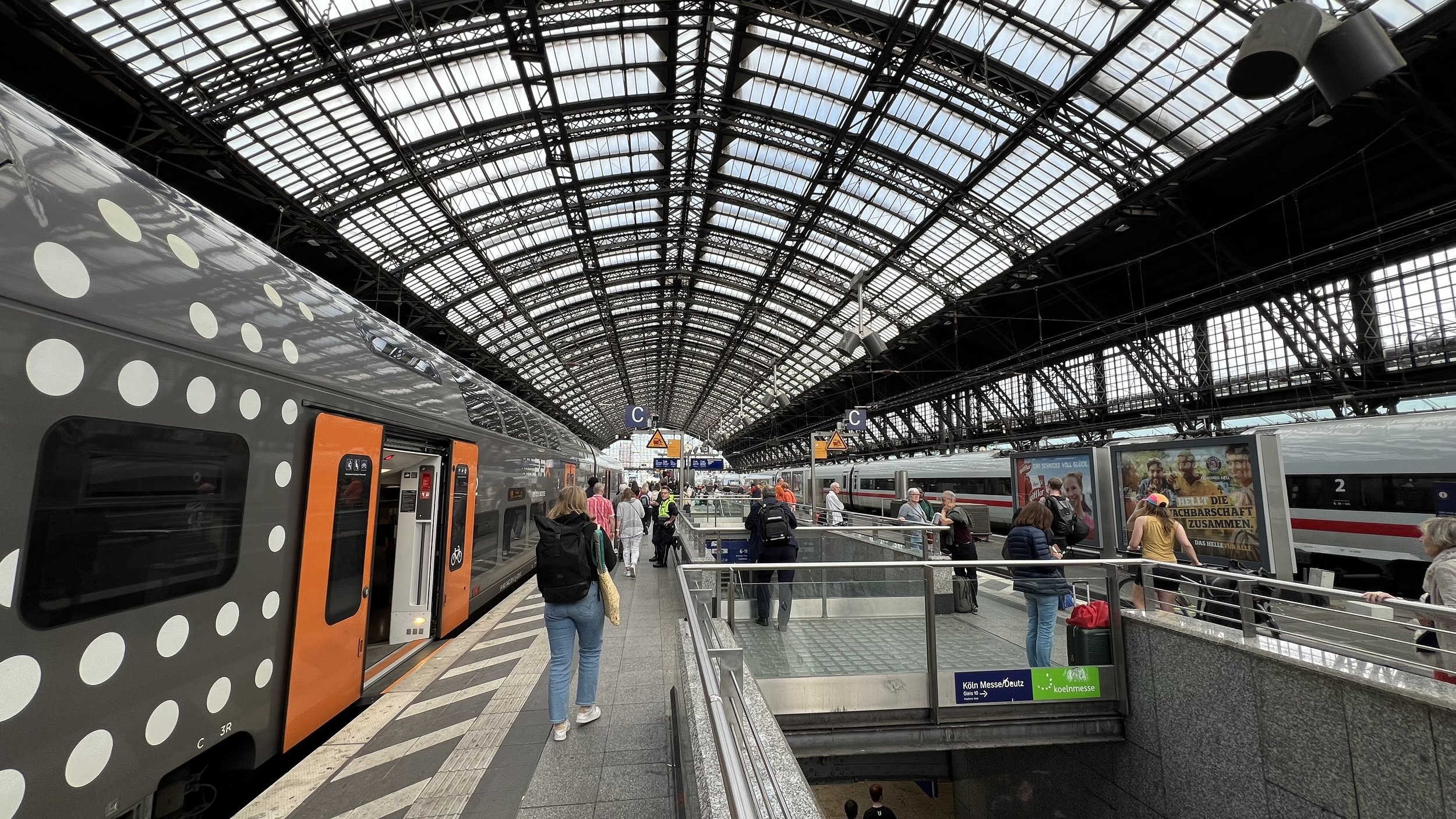
Getting Around
Cologne is one of Germany's easiest cities to explore.
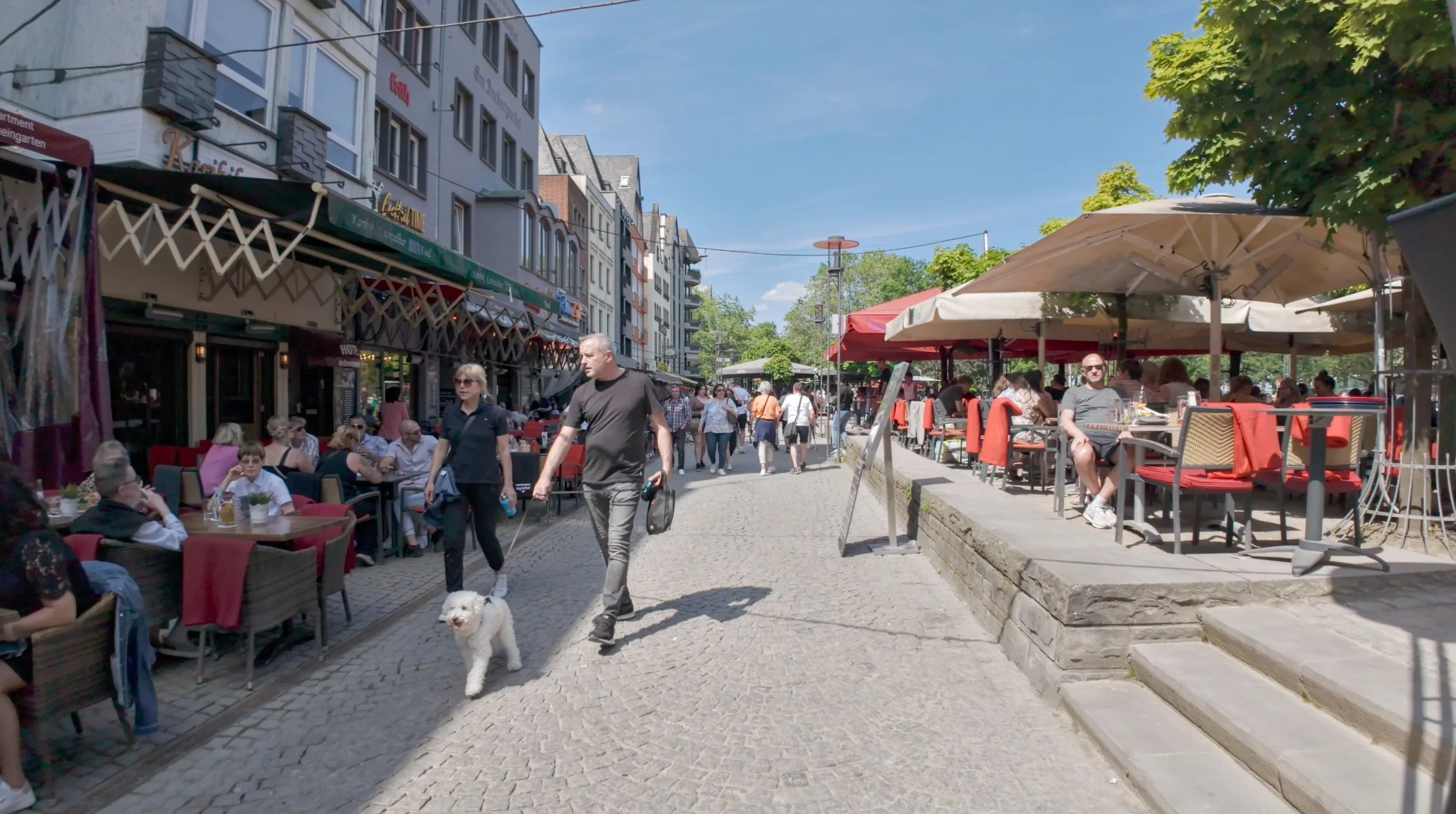
Most major attractions are within walking distance once you're in the city center. The cathedral, Old Town, museums, shopping streets, and Rhine promenade are all connected by pedestrian-friendly streets.
For longer distances, Cologne's extensive tram (U-Bahn) and bus network is fast, clean, and easy to navigate. Regional trains make visiting nearby cities incredibly convenient.
If you're planning several trips throughout the day, purchasing a day pass is often more economical than buying individual tickets.
Driving is generally unnecessary. Parking is expensive, traffic can be frustrating, and public transportation is excellent.
Best Day Trips
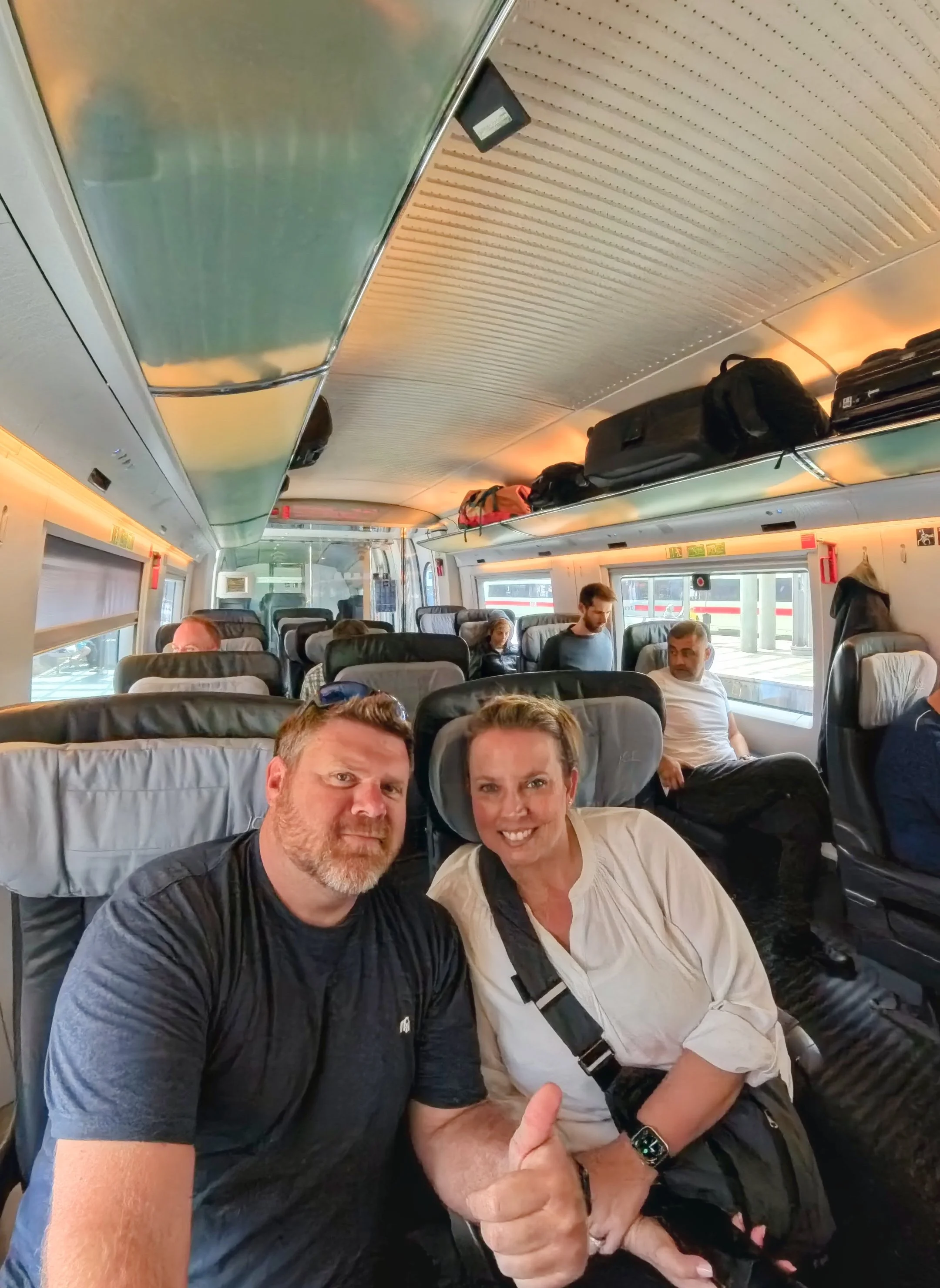
Cologne's central location makes it one of Germany's best bases for exploring western Germany.
Bonn is just 20 minutes away and offers beautiful riverside scenery, Beethoven's birthplace, charming squares, and excellent museums.
Düsseldorf provides a completely different atmosphere with upscale shopping, modern architecture, a beautiful riverfront, and one of Germany's longest bar districts.
Nature lovers should head to Drachenfels in the Siebengebirge hills, where a historic cogwheel railway climbs to castle ruins overlooking the Rhine Valley.
For fairytale charm, visit Monschau, a picturesque medieval town nestled among forested hills near the Belgian border.
If you have more time, the Rhine Valley south of Cologne offers castles, vineyards, and some of Germany's most scenic river cruises.
Common Mistakes to Avoid
Many visitors only spend a few hours around the cathedral before moving on. Cologne deserves at least two full days to appreciate its neighborhoods, food scene, and riverside culture.
Don't expect a perfectly preserved medieval city. Much of Cologne is modern due to wartime destruction. Focus instead on its atmosphere rather than architecture alone.
Avoid dining directly beside the cathedral if you're looking for the best value. Walk just a few streets away and you'll often find better food at lower prices.
Many first-time visitors are surprised when Kölsch waiters continue bringing fresh beers automatically. If you've had enough, simply place your coaster on top of your glass.
If visiting during Carnival or Christmas markets, book accommodations well in advance because hotels can sell out months ahead.
Safety & Things to Know
Cologne is generally a very safe destination.
As with any major European city, keep an eye on your belongings around the central train station, busy shopping streets, Christmas markets, and crowded festivals where pickpockets
occasionally operate. Tap water is safe to drink throughout Germany.
Credit cards are becoming more common, but some traditional pubs and smaller cafés still prefer cash, so it's worth carrying some euros.
Public transportation is extremely reliable, although ticket inspections are common. Always validate or purchase the correct ticket before boarding.
Shops are generally closed on Sundays except for restaurants, train stations, and a few convenience stores, so plan your shopping accordingly.