Western Crete, Greece
Western Crete is one of the most beautiful regions of Greece, known for its turquoise beaches, rugged mountains, traditional villages, incredible food, and thousands of years of history.
But there's more to this Greek island than the picture-perfect beaches you see online.
We spent 13 days exploring Western Crete, splitting our time between nine nights in the peaceful countryside near Kissamos and four nights in the historic city of Chania. Along the way, we discovered spectacular beaches, charming restaurants, incredible coastal scenery, and a few challenges that visitors should know about before arriving.
Crete is Greece's largest island, stretching approximately 160 miles from east to west. Its mountainous landscape makes traveling between destinations surprisingly time-consuming, and many of the island's most beautiful attractions require some planning to reach.
From the famous turquoise waters of Balos Lagoon and Elafonissi Beach to the Venetian harbor in Chania, Western Crete offers an incredible mix of natural beauty, history, and authentic Greek experiences.
Quick Facts
Planning a trip to Western Crete? Here are some essential facts to help you prepare for your visit, from the best time to travel and getting around to currency, costs, and how long to stay.
Country: Greece
Region: Western Crete, Mediterranean Sea
Main City: Chania
Nearest Airport: Chania International Airport (CHQ)
Language: Greek (English is widely spoken in tourist areas)
Currency: Euro (€)
Time Zone: Eastern European Time (UTC+2), UTC+3 during daylight saving time
Electricity: 230V, Type C and F plugs
Driving: Right side of the road
Best Time to Visit: May, June, September, and October
Recommended Stay: 7–14 days to explore Western Crete
Getting Around: Rental car highly recommended
Famous Beaches: Balos Lagoon, Elafonissi, and Falassarna
Known For: Beautiful beaches, Venetian history, traditional villages, mountain scenery, and delicious Greek food
Average Daily Cost: We spent approximately $299 per day for two people during our 13-night visit, including accommodations, transportation, food, activities, and flights
Safety: Generally a safe destination for tourists; use normal travel precautions
Visa Requirements: U.S. citizens can generally visit visa-free for up to 90 days within any rolling 180-day period across the Schengen Area
Emergency Number: 112
Our Travel Tip: Western Crete is much larger than it looks on a map, and some of its most beautiful beaches require long drives along winding mountain roads. We recommend renting a car, allowing extra travel time, and splitting your stay between the peaceful countryside and Chania's historic Old Town.
Where to Stay in Western Crete
Choosing where to stay in Western Crete can make a significant difference in your experience. The region is larger than it appears on a map, and the best location depends on whether you prefer beaches, countryside relaxation, or exploring historic towns.
During our visit, we split our time between the countryside near Kissamos and Chania's historic center. We loved experiencing both.
Chania Old Town — Best for First-Time Visitors
Chania is one of the most popular places to stay in Western Crete, particularly for visitors who enjoy historic architecture, restaurants, shopping, and exploring on foot.
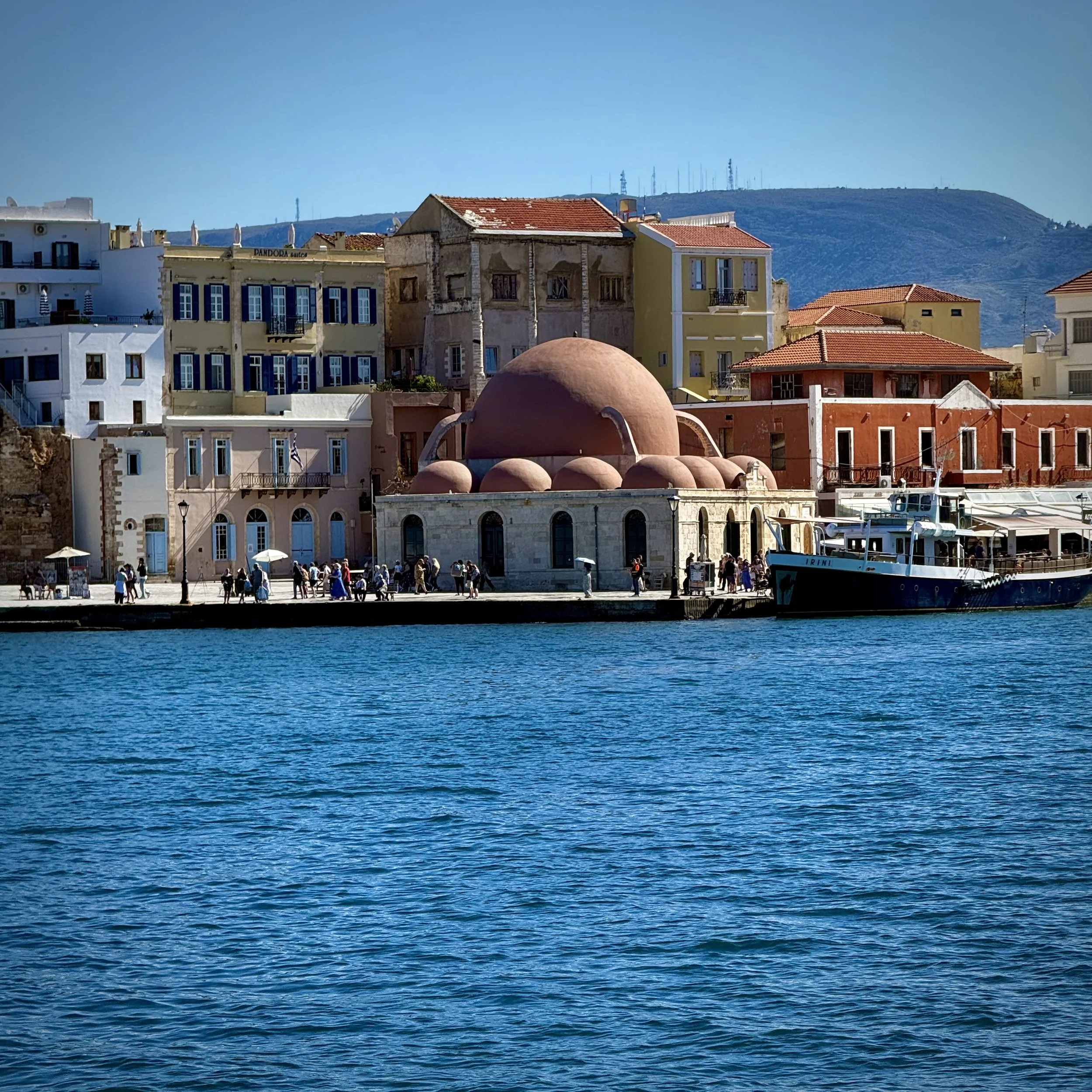
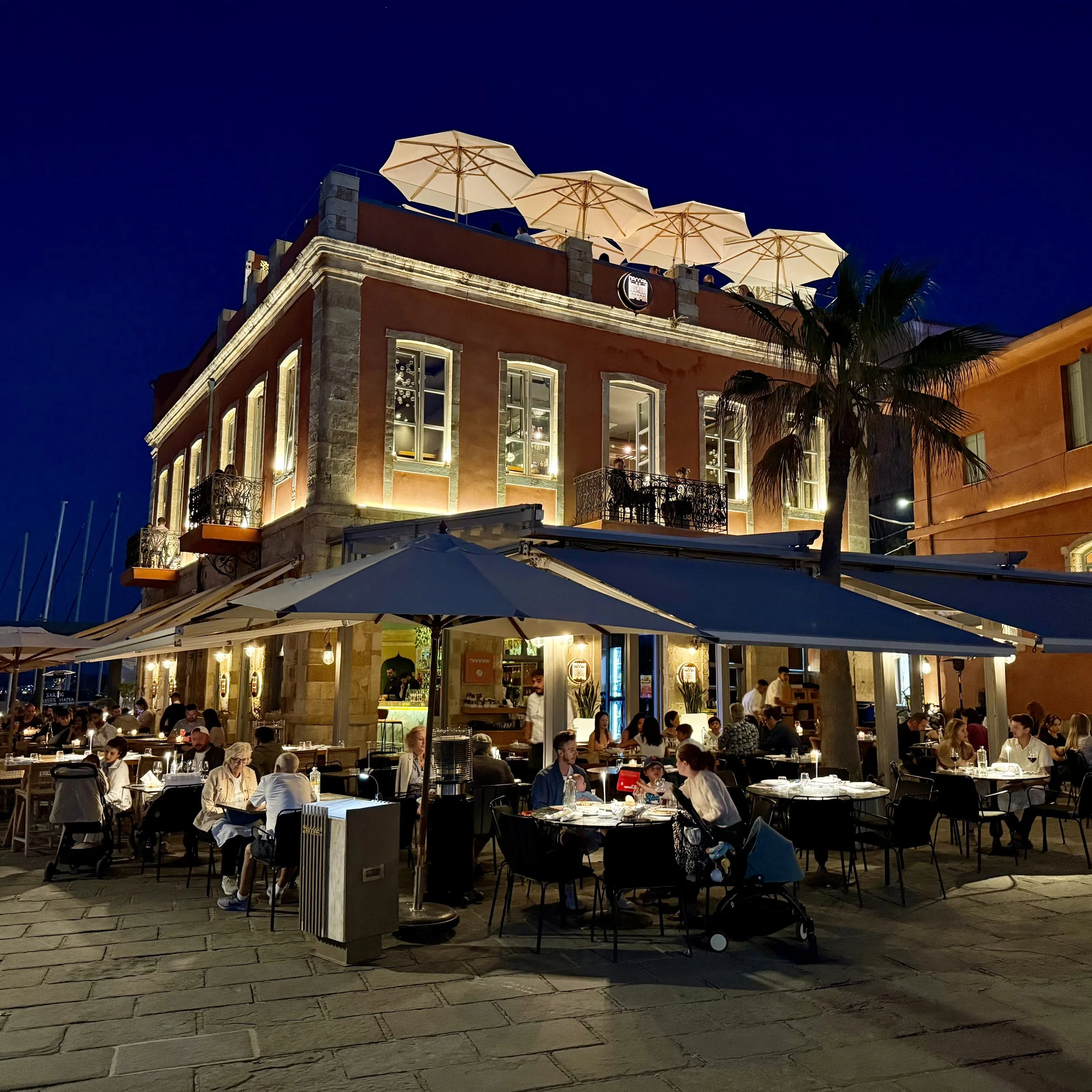
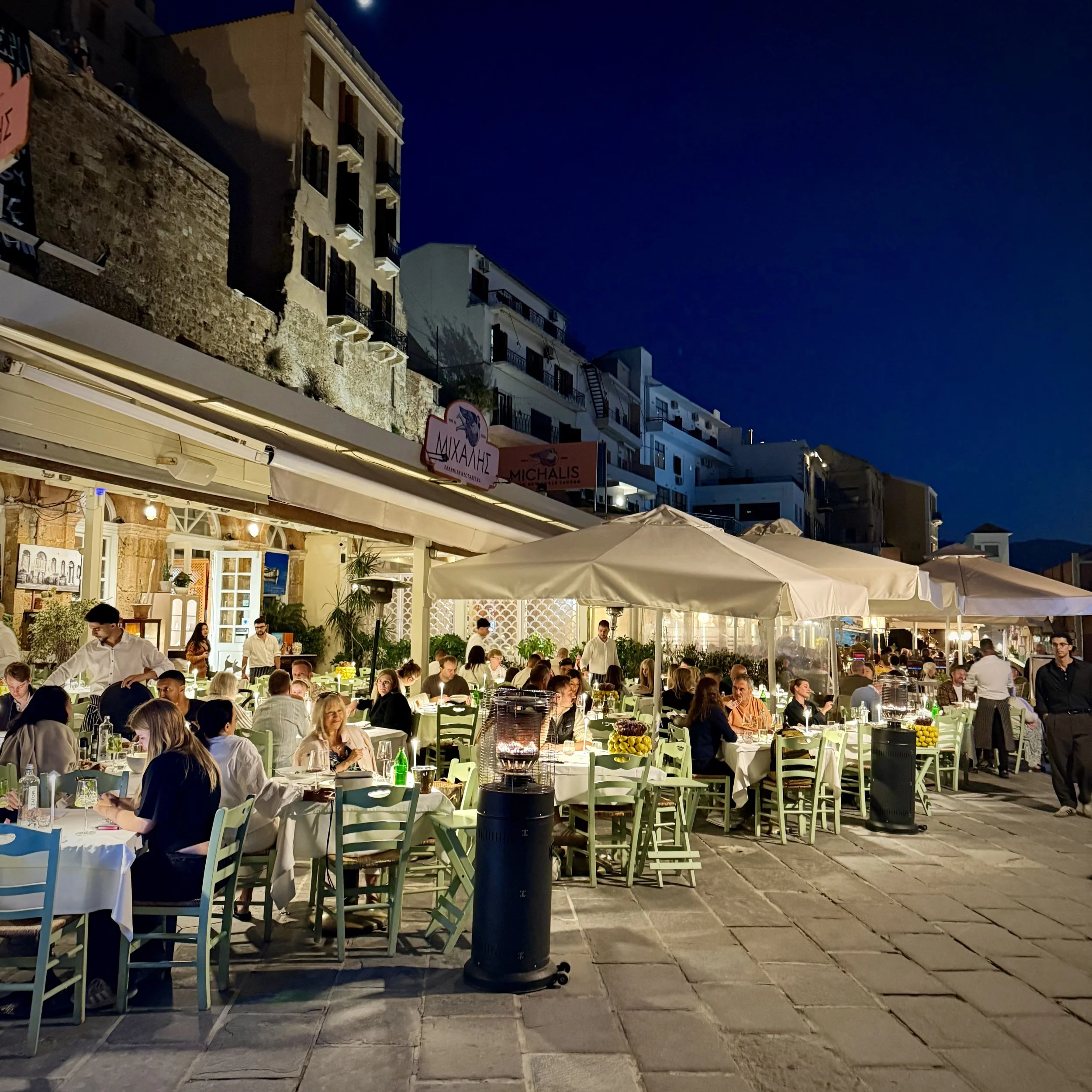
The beautiful Venetian harbor is surrounded by colorful buildings, narrow streets, cafes, and traditional Greek tavernas.
Staying near the Old Town makes it easy to enjoy the city without constantly needing a car.
However, parking can be challenging, and the surrounding streets can become congested with cars, scooters, and motorcycles.
Best for: First-time visitors, couples, history lovers, and travelers who prefer walkable destinations.
Kissamos and the Surrounding Countryside — Best for Beaches and Relaxation
We spent our first nine nights in Zerviana, a small village in the countryside near Kissamos.
Our spacious Airbnb offered a peaceful retreat with beautiful mountain scenery, plenty of privacy, and room to relax between adventures.
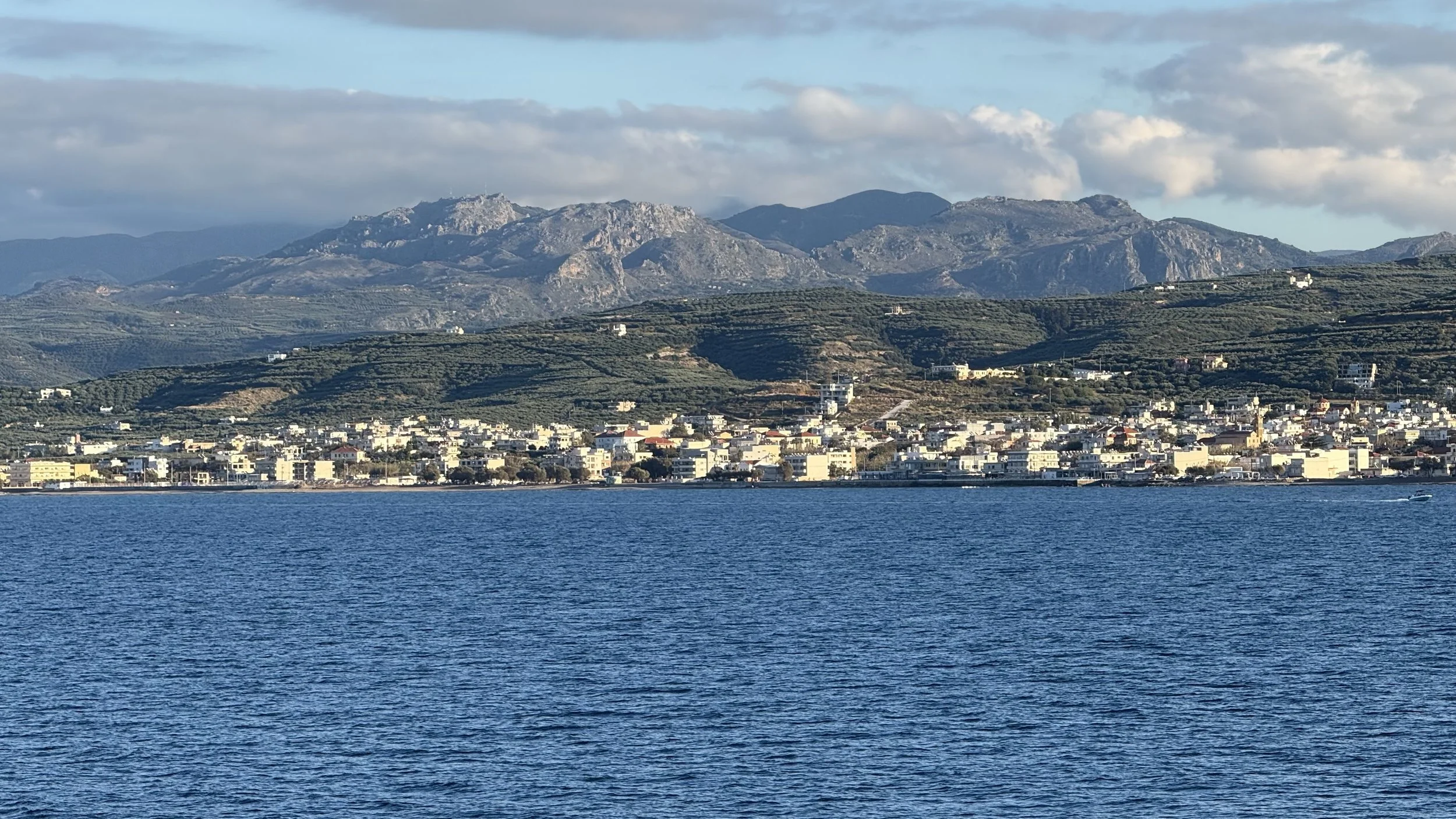
The surrounding landscape featured rugged mountains, olive groves, dry hillsides, and small traditional villages.
We loved the slower pace and convenient access to Western Crete's famous beaches, including Falassarna and Balos.
The biggest downside was needing a car for nearly everything, including restaurants and groceries.
Best for: Slow travelers, families, nature lovers, and anyone looking for a quieter home base.
Falassarna — Best for Beach Lovers
If your main priority is spending time near one of Crete's most beautiful sandy beaches, Falassarna is worth considering.
This coastal area is known for its turquoise water, wide stretches of sand, dramatic sunsets, and relaxed atmosphere.
You'll find accommodations ranging from small guesthouses to villas and apartments.
However, the area is relatively quiet, and having a rental car is highly recommended.
Best for: Beach vacations, couples, sunset lovers, and travelers seeking a laid-back atmosphere.
Our Recommendation
For a trip of 10 days or longer, we recommend splitting your stay between two locations.
Spend several nights near Kissamos or Falassarna exploring the beaches and countryside, then finish with a few nights in Chania to enjoy the historic Old Town, restaurants, and waterfront atmosphere.
This combination worked extremely well for us and provided a more complete Western Crete experience.
Best Things to See and Do in Western Crete
Western Crete offers some of Greece's most spectacular beaches, but there's also incredible history, beautiful mountain scenery, and charming towns to discover.
These were some of the highlights from our visit.
1. Visit Falassarna Beach
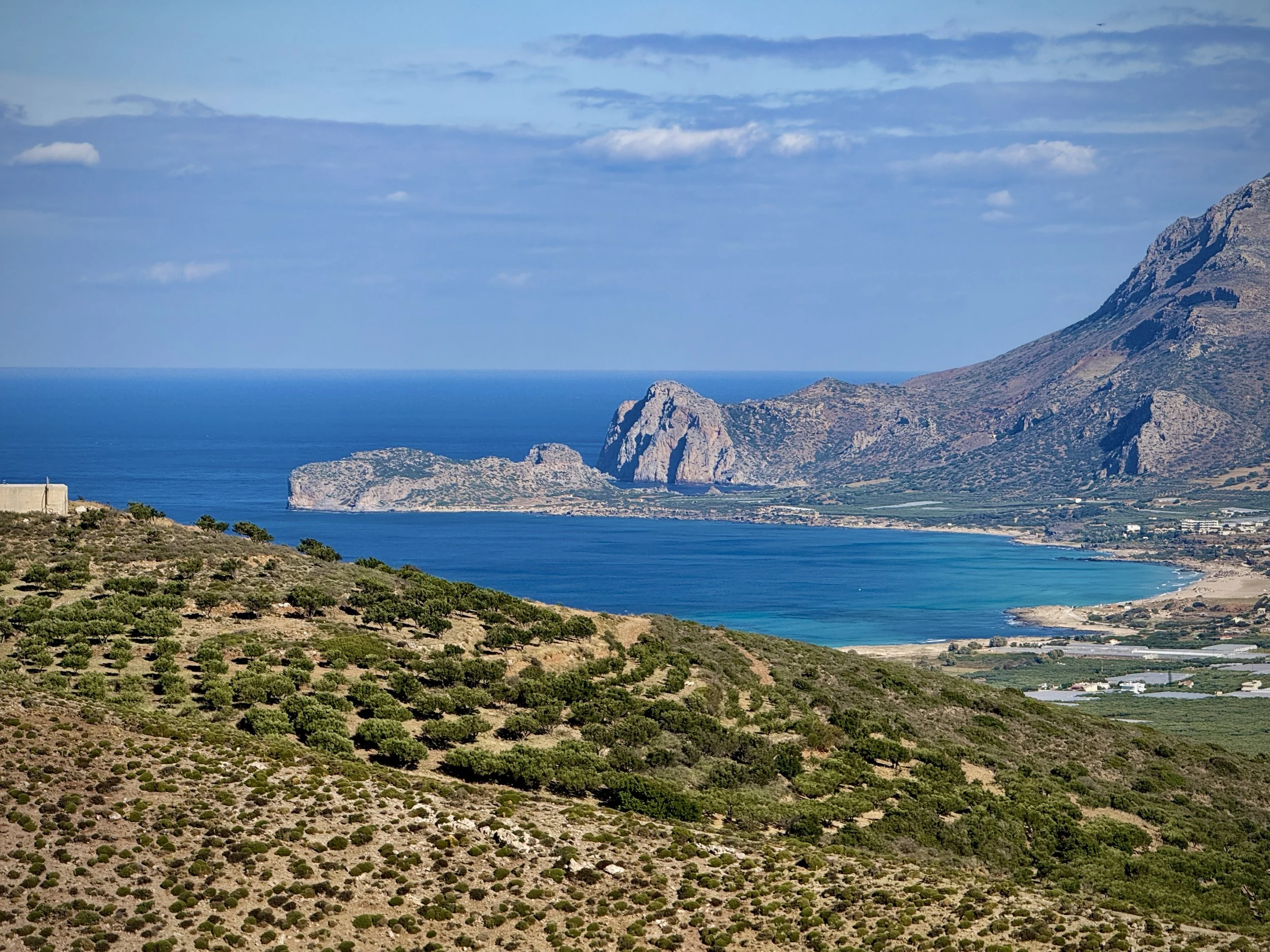
Falassarna Beach is one of the most beautiful sandy beaches in Western Crete, with crystal-clear turquoise water, dramatic mountains, and long stretches of coastline.
It's an excellent place to spend an afternoon swimming, walking along the shore, or simply enjoying the scenery.
One thing we discovered is that not every section of Falassarna is the same. Some areas have beautiful sandy beaches, while others are rockier and less suitable for swimming.
We also paid €6 to park near one of the nicer sections, although free parking areas are available farther away.
Our tip: Visit on a calm day. Strong winds can make the beach considerably less enjoyable.
2. Explore Elafonissi Beach
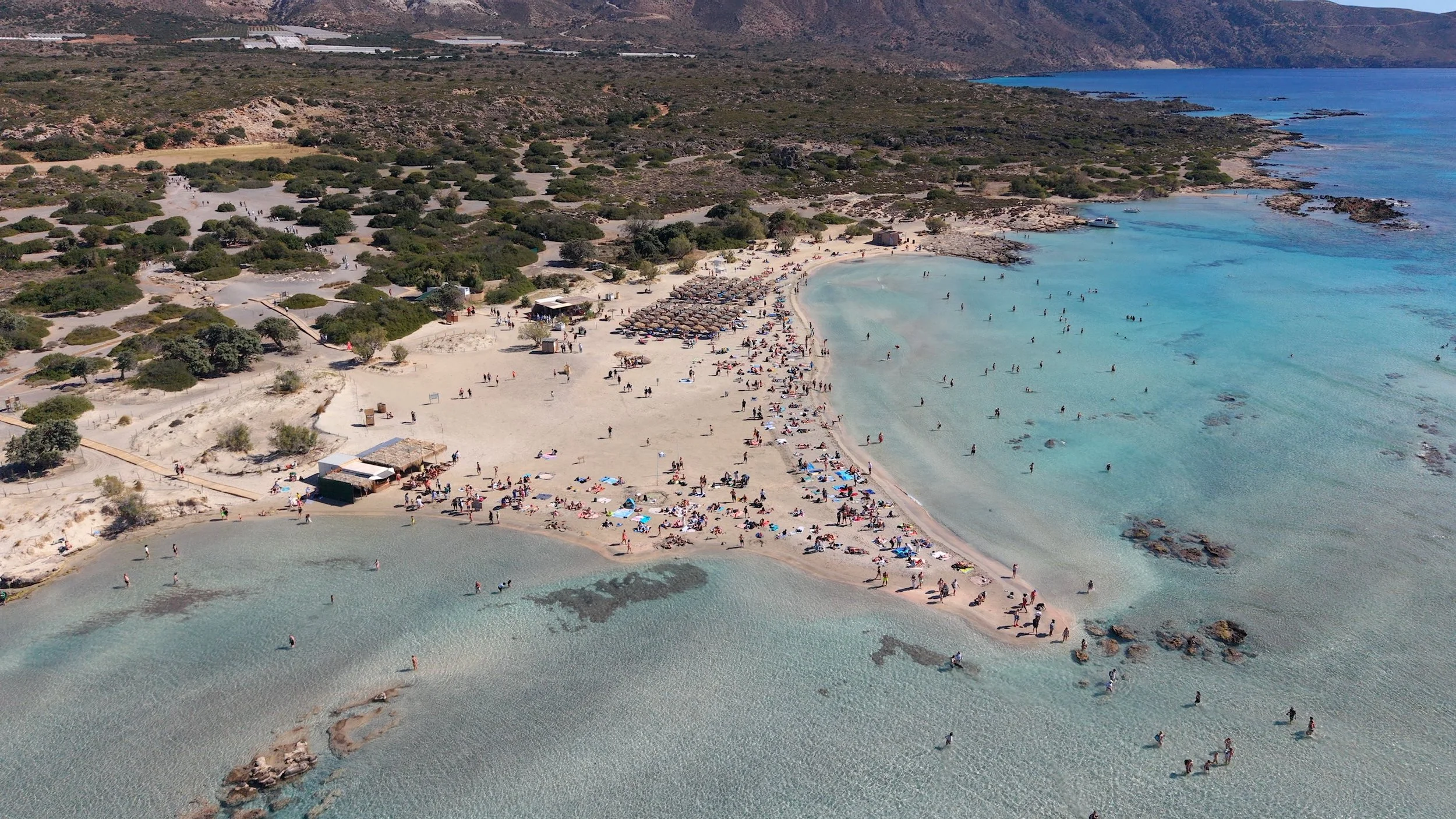
Elafonissi is one of Crete's most famous attractions, known for its shallow turquoise water and pink-tinted sand.
The beach is absolutely beautiful, but getting there requires some effort.
From our countryside accommodation near Kissamos, the drive took approximately 90 minutes along narrow, winding mountain roads.
We paid €5 for parking and walked roughly half a mile to reach the beach before wading through shallow water to explore the area farther out.
Although Elafonissi is often described as a pink-sand beach, don't expect the entire coastline to be bright pink. The pink coloring comes from tiny shell fragments and varies depending on the location and conditions.
For us, the incredibly clear water and surrounding scenery were the real highlights.
Our tip: Plan to spend several hours here, and allow extra time for the scenic drive. Even in October, the beach attracted plenty of visitors.
3. Take a Boat Trip to Balos Lagoon
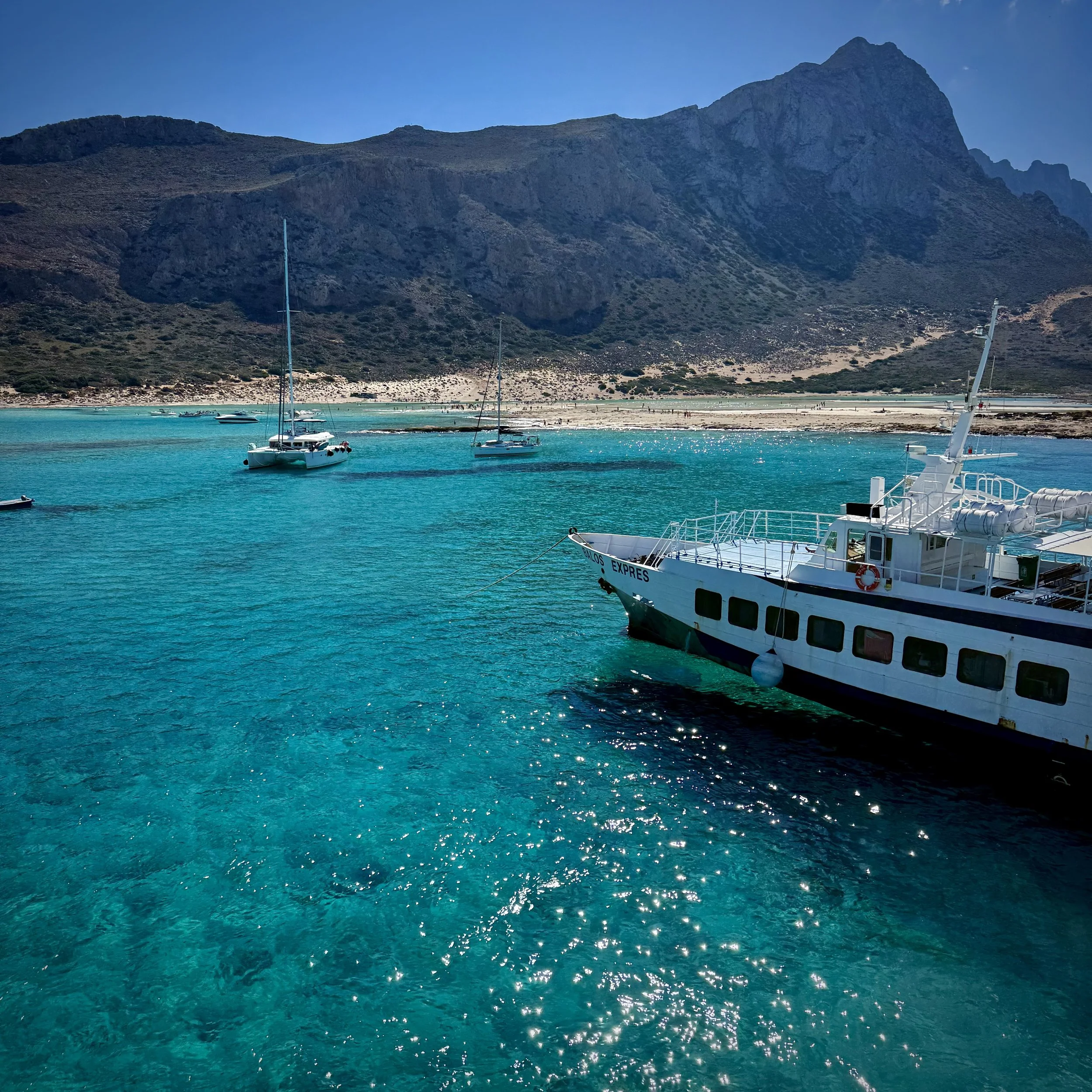
Balos Lagoon is one of the most photographed destinations in Greece, famous for its brilliant turquoise water, white sand, and dramatic mountainous backdrop.
There are two main ways to reach Balos: driving along a rough road followed by a hike, or taking a boat from Kissamos.
We chose the ferry and were glad we did.
Our excursion cost €53 per person, including lunch, and combined Balos Lagoon with a visit to Gramvousa Island.
The scenic ferry ride took a little over an hour, offering spectacular views of the coastline.
Balos is breathtaking from the water, but we found the beach itself rockier and less comfortable than the photographs might suggest.
We spent a little over two hours exploring, which felt like enough time to enjoy the lagoon.
Our tip: Consider the ferry if you want to avoid rough roads and steep hiking trails. Bring water, sunscreen, and comfortable footwear, as facilities at the lagoon are limited.
4. Discover Gramvousa Island and Its Venetian Fortress
Gramvousa Island is often included on boat excursions to Balos Lagoon.
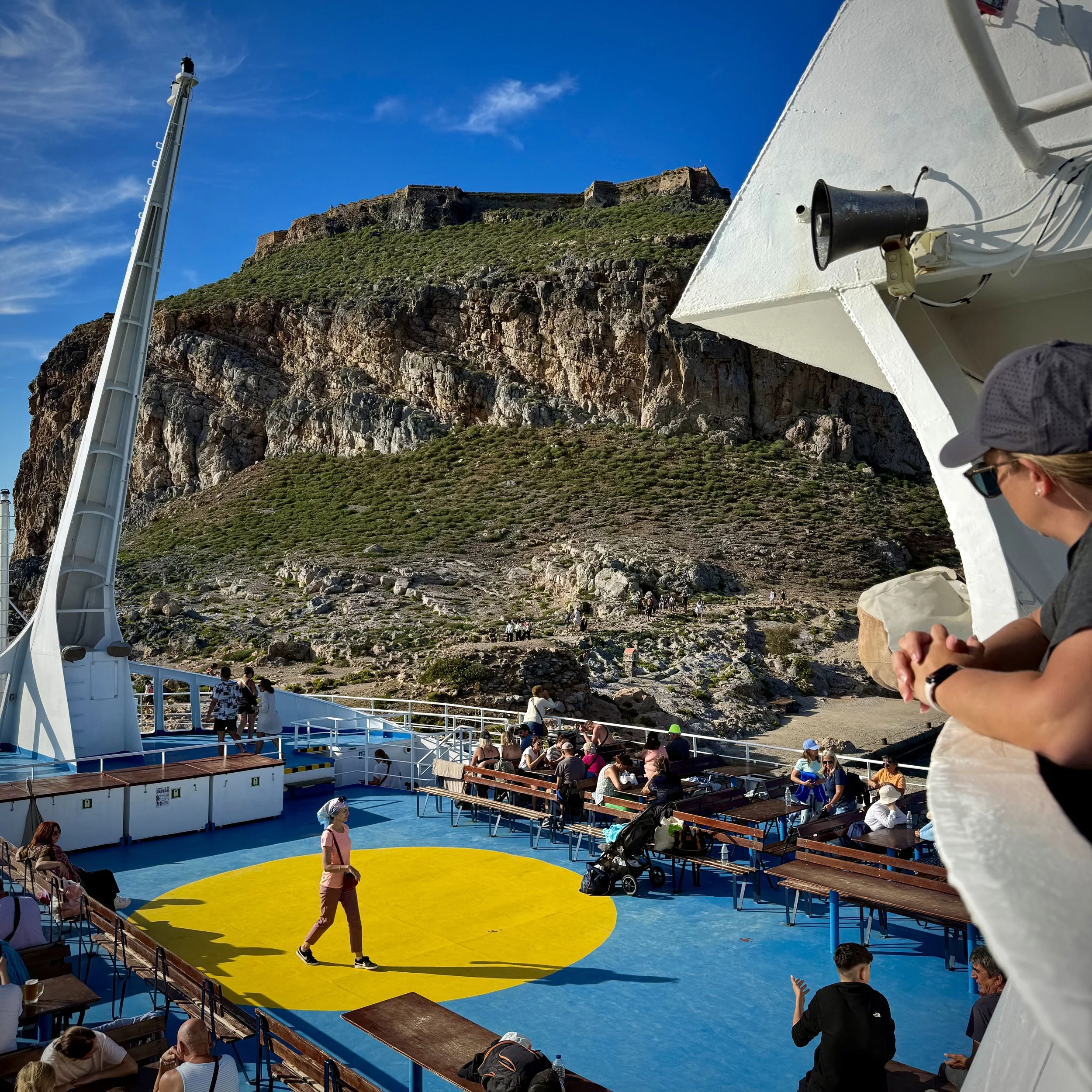
The island is famous for its historic Venetian fortress, constructed in the late 1500s as part of Venice's coastal defense network.
The fortress sits high above the sea, offering panoramic views of the surrounding coastline.
However, reaching it requires climbing more than 300 steps along a steep, exposed trail with very little shade.
Gramvousa also has a small beach, although much of the shoreline is rocky.
We found the island beautiful from the water, but there was relatively little to do unless you wanted to make the climb to the fortress.
Our tip: Wear proper shoes and bring plenty of water if you plan to hike to the fortress.
5. Wander Through Chania Old Town
Chania Old Town is one of the most charming historic destinations in Crete.
Its narrow streets are lined with colorful buildings, small boutiques, restaurants, and beautiful architecture influenced by centuries of Venetian and Ottoman rule.
The best way to experience Chania is simply to wander through its winding alleyways and discover the quieter corners away from the busiest tourist streets.
We particularly enjoyed exploring the historic neighborhoods and seeing how the architecture changed from one area to another.
6. Walk Along Chania's Venetian Harbor
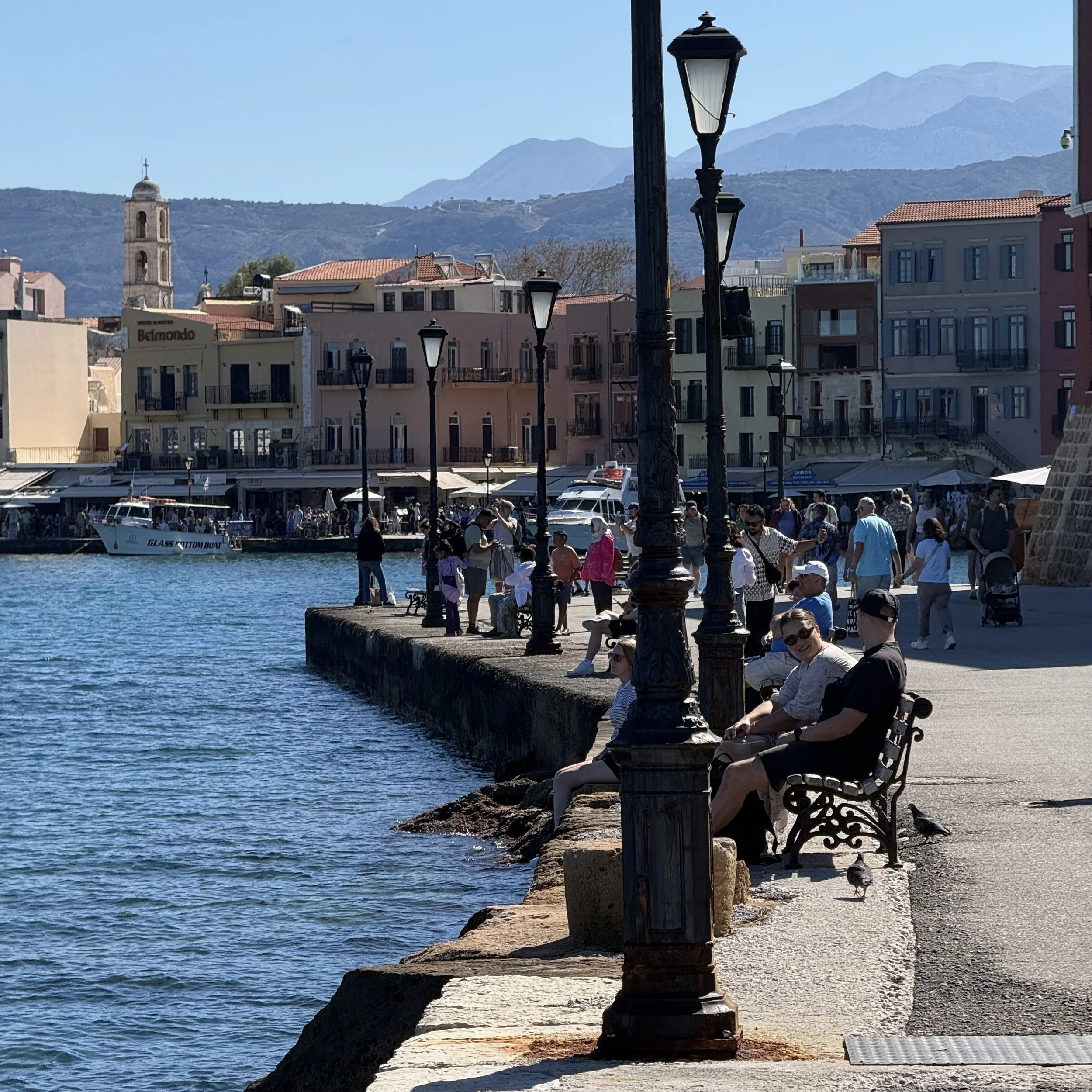
The Venetian harbor is the heart of Chania and one of the most recognizable landmarks in Western Crete.
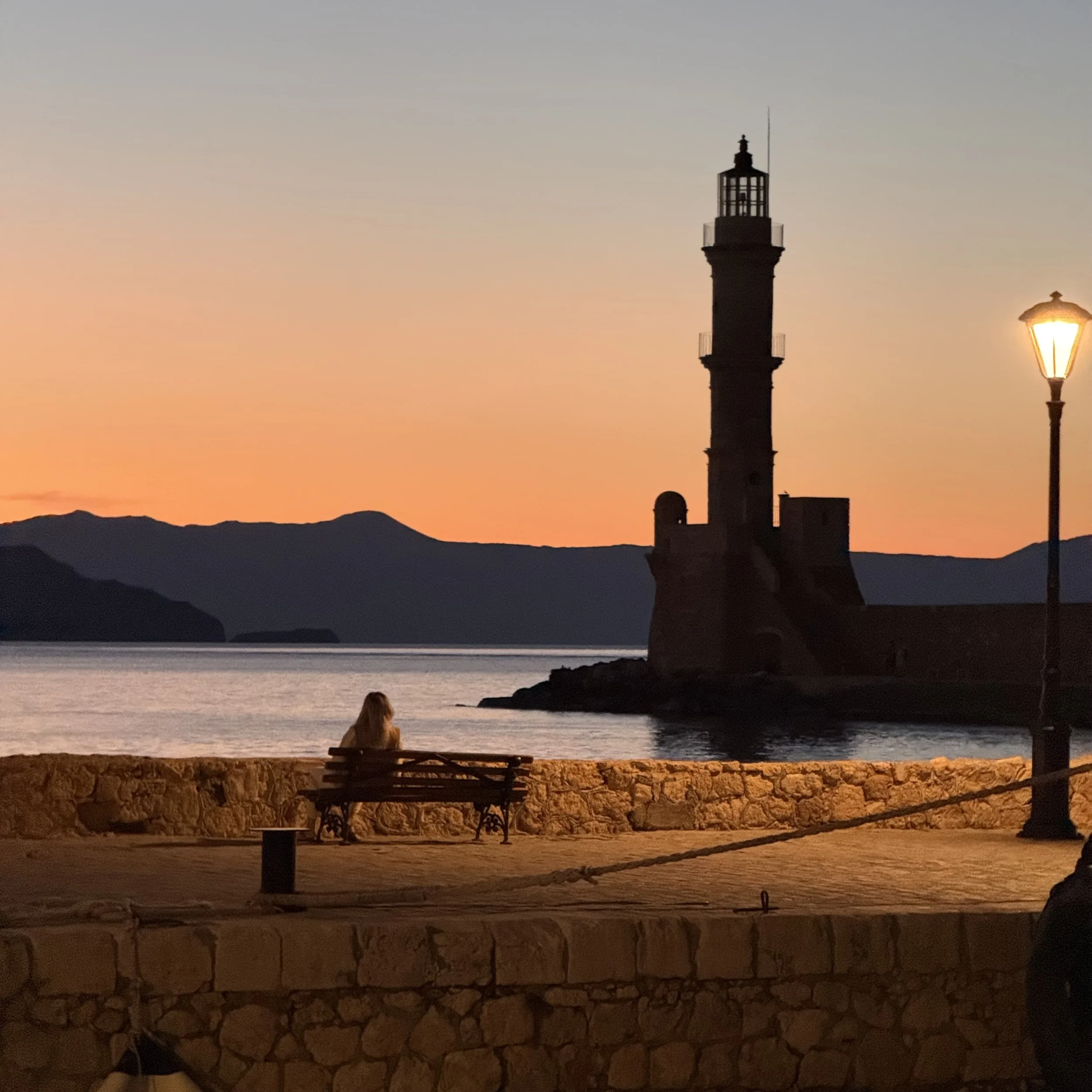
Developed during Venetian rule beginning in the 14th century, the harbor features historic waterfront buildings, old shipyards, and a famous lighthouse.
The lighthouse has Venetian origins, although its present appearance reflects reconstruction during the Egyptian administration of Crete in the 19th century.
Today, the waterfront is filled with restaurants, cafes, and visitors enjoying the scenery.
We recommend walking along the harbor, exploring the surrounding streets, and visiting in the evening when the waterfront takes on a completely different atmosphere.
7. Explore Crete's Mountain Villages and Countryside
One of our favorite experiences in Western Crete was simply driving through the countryside.
The landscape is surprisingly diverse, with rugged mountains, rolling hills, olive groves, small villages, and dry Mediterranean terrain.
Some areas reminded us of Southern California, with sunbaked hillsides and dramatic mountain backdrops.
The countryside also offers a glimpse into a quieter side of Crete, far removed from the busy tourist beaches.
Just remember that mountain roads can be narrow and winding, so allow plenty of time and avoid rushing.
Getting Around Western Crete
Transportation is one of the most important things to consider when planning a trip to Western Crete.
Although Chania itself is relatively walkable, exploring the region's beaches, mountain villages, and more remote attractions is considerably easier with a rental car.
Renting a Car in Crete
We rented a compact hybrid vehicle from a local rental company for approximately €30 per day.
Having a car allowed us to explore the island on our own schedule and reach destinations that would have been difficult to visit using public transportation.
However, driving in Crete requires patience.
The main highways are generally manageable, but some secondary roads are extremely narrow, winding, and mountainous.
Driving habits can also be unpredictable, particularly when sharing the road with scooters and motorcycles.
We recommend choosing a smaller vehicle, especially if you're planning to explore villages or drive through Chania.
Public Transportation
Crete has an intercity bus network operated by KTEL, connecting Chania with other towns and selected beaches.
Buses can be an affordable alternative if you're staying in Chania and primarily visiting major destinations.
However, routes and schedules may be limited, especially outside the peak summer season.
For travelers planning to explore multiple remote beaches and mountain villages, a rental car offers significantly more flexibility.
Walking Around Chania
Chania Old Town is best explored on foot.
Many of the historic streets are narrow or pedestrianized, making walking the easiest way to discover the harbor, restaurants, shops, and historic buildings.
Outside the Old Town, traffic can be busy, and some streets are less pedestrian-friendly.
Ferries and Boat Tours
Boat excursions are a popular way to reach destinations such as Balos Lagoon and Gramvousa Island.
We took a large ferry from Kissamos, which provided a comfortable and scenic alternative to driving along the rough access road to Balos.
If you're considering a boat excursion, compare departure times, included meals, time at each stop, and weather conditions before booking.
Best Day Trips From Chania and Kissamos
Western Crete has several excellent day-trip options, although travel times can be longer than expected due to the mountainous terrain.
Balos Lagoon and Gramvousa Island
Best for: Spectacular coastal scenery, boat trips, and photography.
A combined ferry excursion from Kissamos is one of the most convenient ways to experience these two famous destinations.
Allow most of the day for the excursion.
Elafonissi Beach
Best for: Turquoise water, beautiful sand, and scenic mountain drives.
Elafonissi is one of the most popular day trips from Chania. Plan for a full day rather than a quick visit, especially if you want time to relax and stop for food along the way.
Falassarna Beach
Best for: Sandy beaches, swimming, and sunsets.
Falassarna is an excellent choice for a relaxing beach day, particularly if the weather is calm.
Combine your visit with lunch at a local taverna overlooking the coastline.
Rethymno
Best for: Historic architecture, waterfront restaurants, and exploring another charming Cretan town.
Located east of Chania, Rethymno is known for its Venetian harbor, narrow Old Town streets, and impressive Fortezza fortress.
It's a worthwhile option for travelers who want to experience another historic destination beyond Chania.
Samaria Gorge
Best for: Hiking, dramatic mountain scenery, and outdoor adventure.
Samaria Gorge is one of Crete's most famous natural attractions, located in the White Mountains.
The full hike is challenging and requires appropriate footwear, preparation, and transportation planning.
The gorge operates seasonally, with access dependent on weather and official opening conditions.
Is Western Crete Safe?
We felt very safe throughout our 13 days exploring Western Crete, including our time in the countryside near Kissamos and in Chania.
The people we encountered were friendly and welcoming, and we never felt uncomfortable exploring the towns, beaches, or surrounding villages.
Crete is generally considered a safe destination for tourists, but normal travel precautions still apply.
Petty Theft: Keep an eye on valuables in crowded tourist areas, particularly around busy attractions and transportation hubs.
Rental Cars: Avoid leaving valuables visible inside your vehicle, especially when parking at beaches or remote trailheads.
Driving: Narrow mountain roads, sharp turns, and unpredictable driving habits are among the more significant practical challenges visitors may encounter.
Beach Safety: Pay attention to wind, waves, currents, and local warnings. Some beaches are exposed and can become rough when conditions change.
Hiking: Bring appropriate footwear, water, and sun protection when exploring remote areas or hiking to attractions such as the Gramvousa fortress.
Emergency Assistance: Dial 112 for emergency services in Greece.
Overall, we found Western Crete to be a comfortable and welcoming destination, including for independent travelers and couples exploring by rental car.
Visa and Entry Requirements for Greece
Greece is a member of the European Union and the Schengen Area.
For American travelers, visiting Crete is generally straightforward for short tourist stays.
U.S. Passport Requirements
U.S. citizens can generally visit Greece for tourism without a visa for up to 90 days within any rolling 180-day period across the entire Schengen Area.
Your passport must generally be valid for at least three months beyond your intended departure from the Schengen Area and must have been issued within the previous 10 years.
The Schengen 90/180-Day Rule
One important detail is that your time in Greece counts toward the same 90-day allowance used in other Schengen countries, including Italy, France, Germany, Austria, and Spain.
Traveling between these countries does not reset your allowance.
This is particularly important for travelers planning extended European trips.
ETIAS and EES
Europe is introducing updated border procedures, including the Entry/Exit System (EES) and the European Travel Information and Authorisation System (ETIAS).
EES records entry and exit information for eligible non-EU travelers, while ETIAS will require visa-exempt travelers, including Americans, to obtain travel authorization once the system becomes operational.
Requirements and implementation dates can change, so verify the latest information before departure.
Travel Insurance
Although travel insurance is not generally mandatory for visa-exempt U.S. tourists visiting Greece, we recommend having coverage for medical emergencies, unexpected cancellations, and travel disruptions.