Overview & Vibe
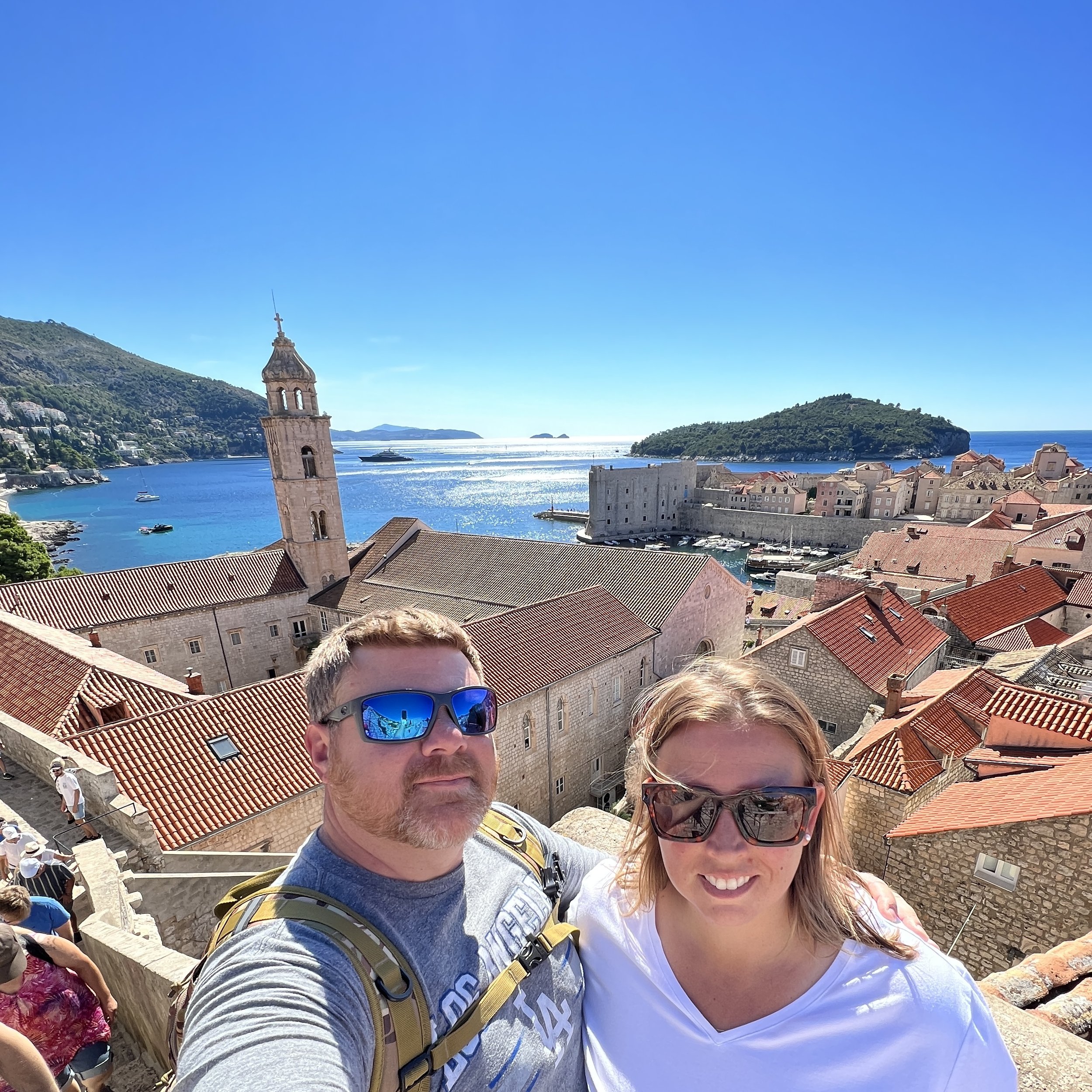
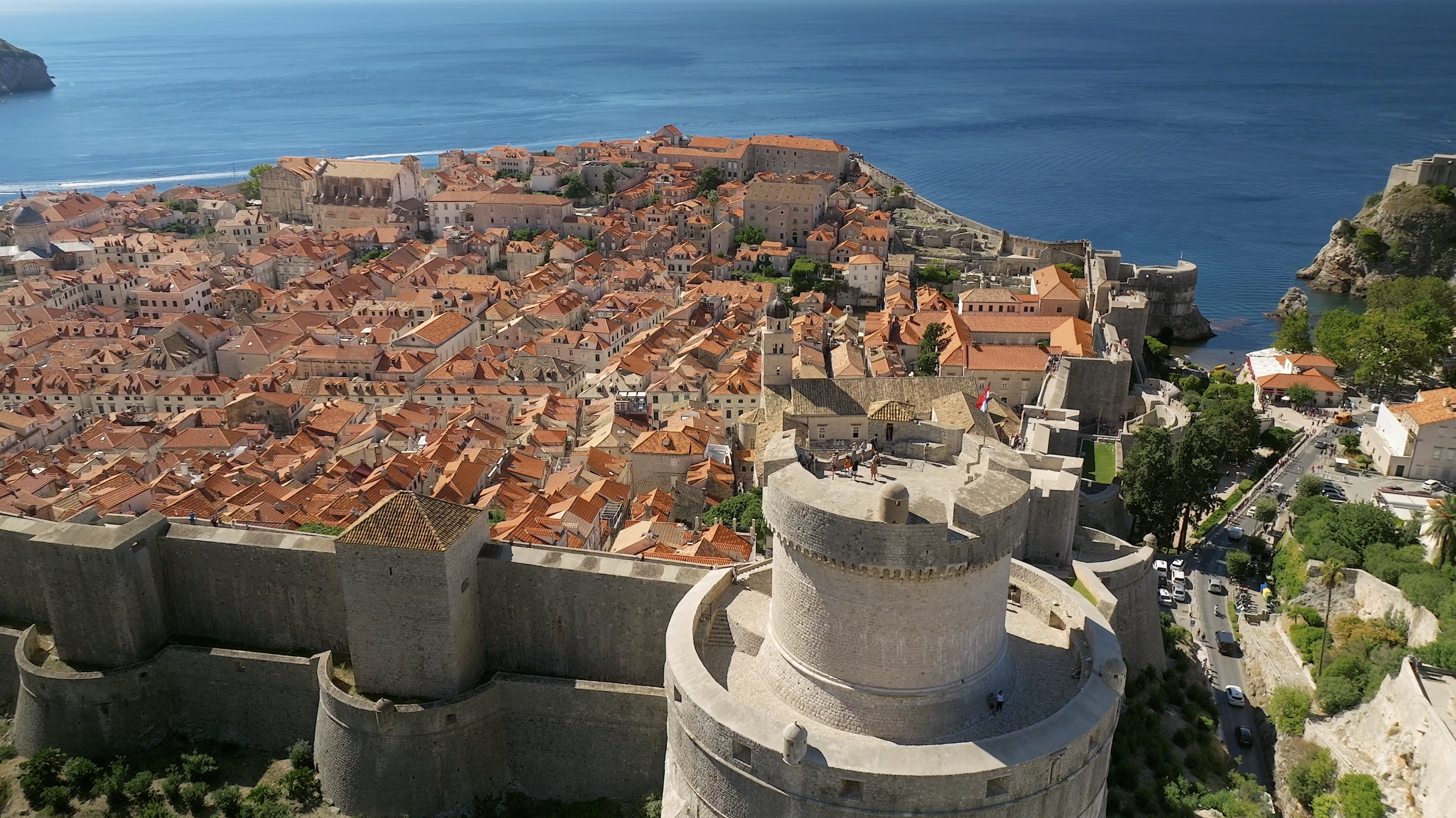
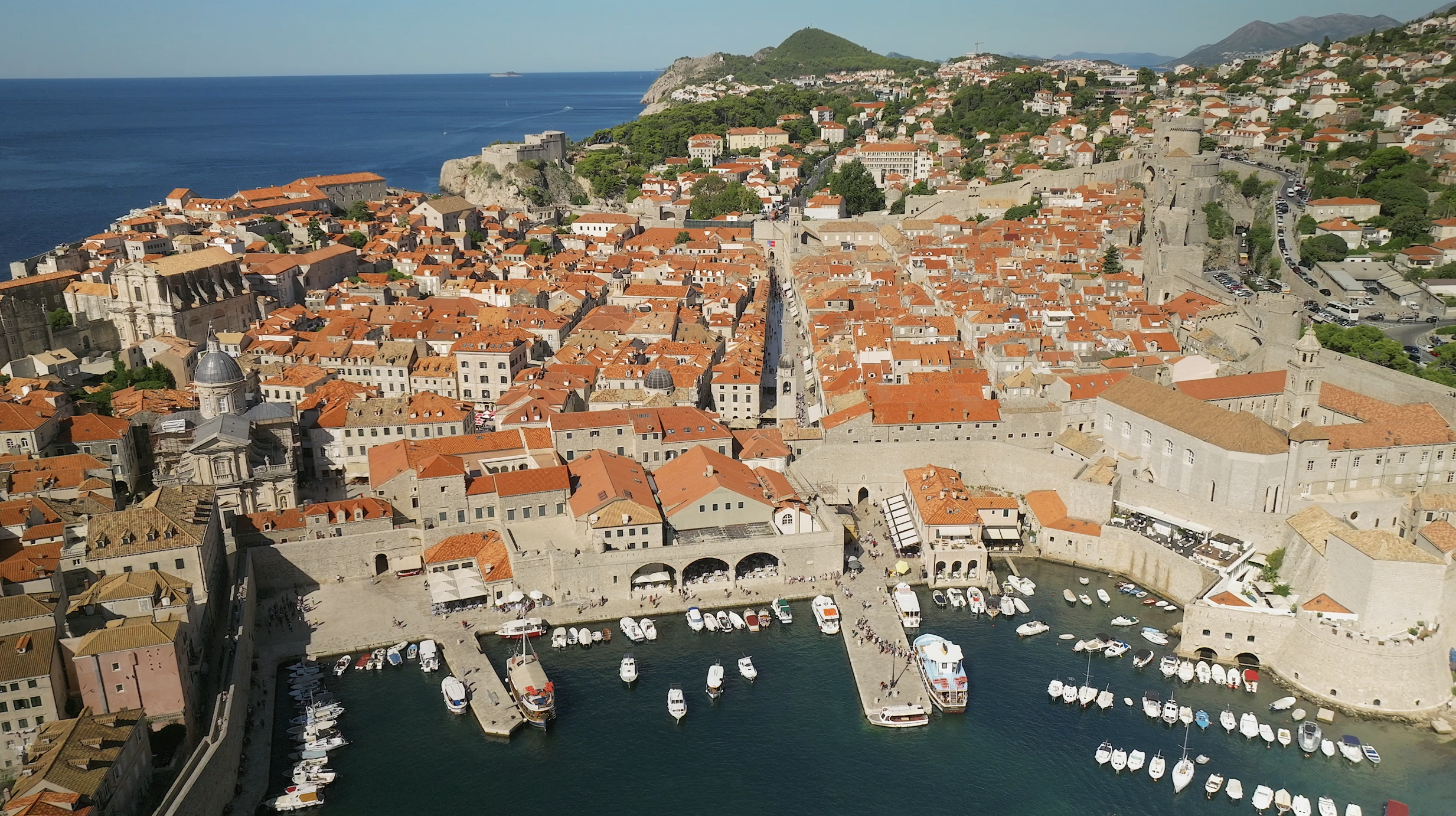
Dubrovnik is one of those places that looks almost unreal the first time you see it. Massive stone walls rise above brilliant blue Adriatic water, orange rooftops cover the Old Town, narrow limestone streets disappear between centuries-old buildings, and mountains provide a dramatic backdrop behind it all.
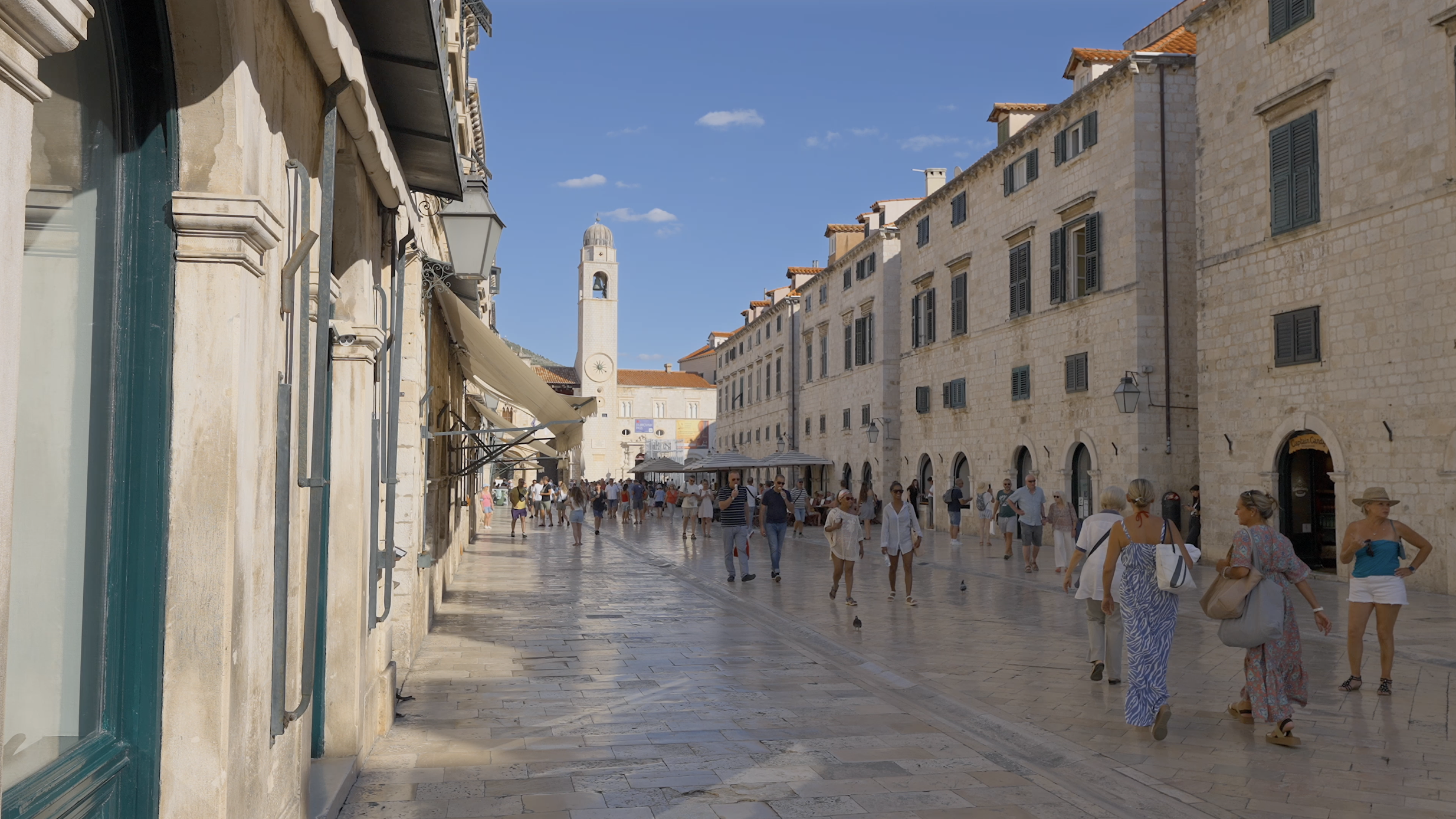
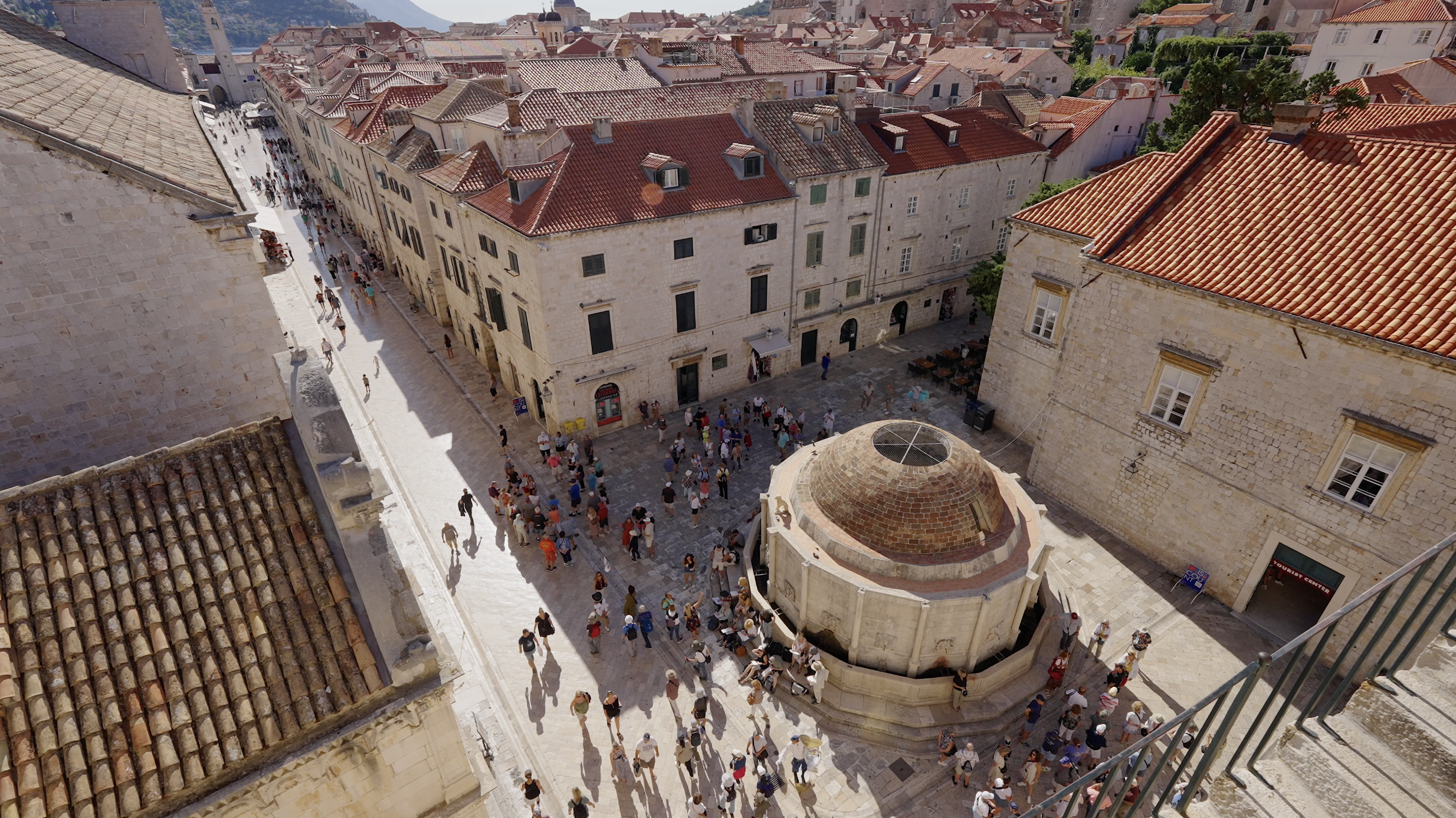
The heart of Dubrovnik is the Old Town, a compact pedestrian-only historic district enclosed within the city walls. Stradun, the main street, runs through its center, while dozens of narrow alleys climb uphill in both directions.
During the morning and evening, Dubrovnik can feel magical. During the middle of a busy summer day, however, it can feel like half of Europe has been squeezed inside the city walls.
Cruise ships and day-trippers can dramatically increase crowds between roughly late morning and mid-afternoon. This makes Dubrovnik particularly rewarding for travelers who actually stay overnight rather than visiting on a cruise or quick day trip. Early mornings and evenings reveal a much calmer version of the city.
Dubrovnik is also considerably more expensive than many other Croatian destinations. Accommodation, restaurants, drinks, and attractions around the Old Town command a premium.
The upside is that you don't need a huge amount of time here. For most first-time visitors, 3–4 nights provides enough time to explore Dubrovnik without rushing while still allowing time for the beach, nearby islands, or a day trip.
Quick Facts & Fun Facts
Region: Dalmatian Coast, southern Croatia
Population: Around 40,000
Currency: Euro (€)
Language: Croatian, although English is widely spoken in tourist areas
Time Zone: Central European Time (CET) / Central European Summer Time (CEST)
Best Known For: Medieval city walls, the Adriatic Sea, terracotta rooftops, Game of Thrones filming locations, and spectacular coastal scenery
Nickname: The Pearl of the Adriatic
Airport: Dubrovnik Airport (DBV), roughly 20 km from the Old Town
Dubrovnik's historic Old City is part of a UNESCO World Heritage Site and is surrounded by some of Europe's best-preserved medieval fortifications. The walls stretch for nearly 2 kilometers around the city.
Dubrovnik was historically known as Ragusa and was the center of the independent Republic of Ragusa, a wealthy maritime republic that rivaled Venice in regional trade and diplomacy.
Fans of Game of Thrones will recognize Dubrovnik as one of the primary filming locations for King's Landing. Locations throughout the Old Town, Fort Lovrijenac, and the city walls appeared throughout the series.
Another interesting fact: Dubrovnik was an early adopter of quarantine. In 1377, authorities required travelers arriving from areas affected by plague to isolate before entering the city—one of the earliest organized quarantine systems in Europe.
Best Time to Visit
For the best combination of weather, crowds, and prices, consider visiting Dubrovnik during May, early June, September, or early October.
May
Temperatures are comfortable, vegetation is green, and crowds haven't reached peak summer levels. The sea can still be cool for swimming.
June
Excellent weather and long daylight hours make June beautiful, although crowds and accommodation prices begin climbing quickly.
July & August
These are the hottest, busiest, and generally most expensive months.
Daytime temperatures frequently reach the upper 80s°F and occasionally higher. Combine that heat with stone streets, limited shade, stairs, and thousands of visitors, and sightseeing can become exhausting.
If visiting during summer, explore early in the morning, retreat during the hottest part of the afternoon, and return in the evening.
September
Arguably the sweet spot. Temperatures remain warm, the Adriatic is excellent for swimming, and crowds generally begin easing as the month progresses.
October
Early October can be excellent for sightseeing with noticeably fewer visitors. Weather becomes less predictable later in the month.
November–March
Dubrovnik becomes extremely quiet. Accommodation can be much cheaper, but some restaurants, tours, ferries, and seasonal businesses reduce hours or close entirely.
Our pick: September for the best overall combination of warm water, good weather, and somewhat lighter crowds.
Where to Stay
Where you stay can significantly change your Dubrovnik experience.
Old Town
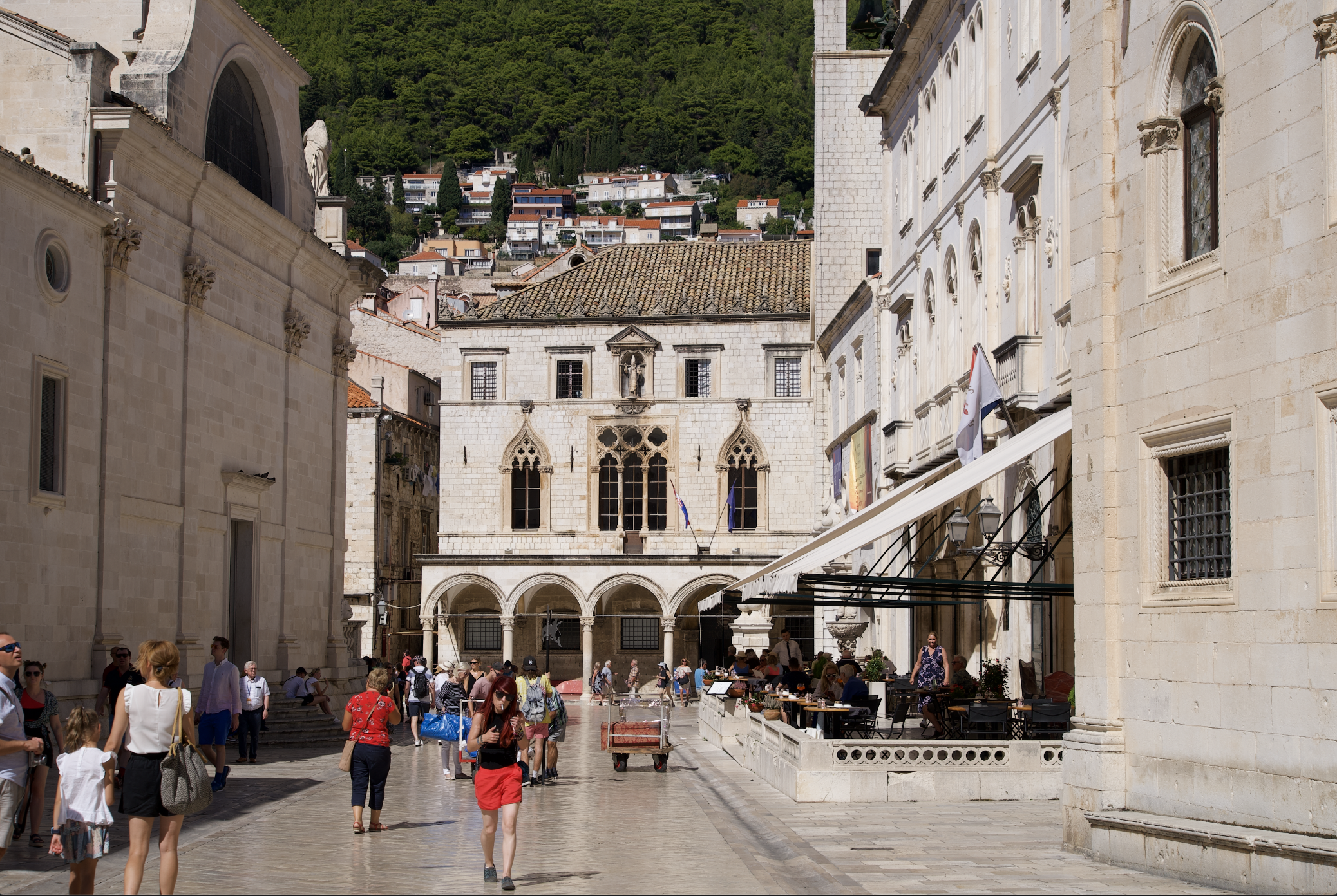
If this is your first trip and you want to be surrounded by Dubrovnik's atmosphere, staying inside the city walls is hard to beat.
You'll be steps from restaurants, attractions, nightlife, and the waterfront. More importantly, you'll experience the Old Town early in the morning and late at night after many day-trippers leave.
There are downsides. Cars cannot enter the Old Town, elevators are rare, accommodations can be expensive, and Dubrovnik has a lot of stairs.
Dragging heavy luggage up several hundred stone steps isn't exactly the glamorous Croatian vacation Instagram promised.
Ploče
Located just east of the Old Town, Ploče is one of our favorite areas for visitors.
You're within walking distance of the historic center while getting beautiful views over Dubrovnik and the Adriatic. You're also close to Banje Beach.
Many properties are built into the hillside, however, so expect stairs and steep streets.
Pile
Pile sits immediately outside the western entrance to the Old Town near Pile Gate.
It's extremely convenient because you can reach the Old Town within minutes without actually staying inside it. Buses and taxis are also easier to access here.
For many first-time visitors, Pile may offer the best balance of convenience and location.
Lapad
Lapad is a great option if you'd rather have more space, beaches, larger hotels, restaurants, and somewhat better value.
It's much more relaxed than the Old Town and connected to central Dubrovnik by public transportation.
The trade-off is obvious: you won't step outside your hotel directly into medieval Dubrovnik.
Gruž
Gruž surrounds Dubrovnik's main port and bus station.
Accommodation can be considerably cheaper, and it's extremely convenient if you're taking ferries to the islands or traveling onward through Croatia.
It's less atmospheric than Old Town, Pile, or Lapad, but it can be a smart choice for budget-conscious travelers.
Best for first-time visitors: Old Town, Pile, or Ploče
Best for beaches and relaxation: Lapad
Best for transportation and value: Gruž
Things to Do & See
Walk the Dubrovnik City Walls
If you only pay for one major attraction in Dubrovnik, make it the city walls.
The approximately 2-kilometer route provides incredible views over the Old Town, Adriatic Sea, Fort Lovrijenac, Lokrum Island, and Dubrovnik's famous orange rooftops.
Allow roughly 1½–2 hours, especially if you're stopping frequently for photos.
During summer, go as early as possible or later in the afternoon. There is very little shade.
Explore the Old Town
You don't really need an itinerary here.
Walk Stradun, explore the side streets, wander through small squares, find hidden churches, and occasionally turn down an alley simply because it looks interesting.
Some highlights include:
Pile Gate
Stradun
Onofrio's Fountain
Rector's Palace
Sponza Palace
Dubrovnik Cathedral
Orlando's Column
Jesuit Stairs
Old Port
Ride the Dubrovnik Cable Car
The cable car climbs to Mount Srđ, providing one of the best panoramic views of Dubrovnik.
From the top, you can see the entire walled city, Lokrum Island, surrounding coastline, and Adriatic.
Sunset is particularly beautiful, although it's also one of the busiest times.
Visit Fort Lovrijenac
Often called Dubrovnik's Gibraltar, Fort Lovrijenac sits dramatically on a rocky cliff outside the western city walls.
It's worth visiting for the views alone.
Game of Thrones fans will immediately recognize portions of the fortress from scenes involving King's Landing.
Visit Lokrum Island
Lokrum is just offshore and makes an easy half-day escape from Dubrovnik.
Regular boats depart from the Old Port during the main tourism season. The island has walking trails, rocky swimming areas, gardens, historic ruins, and plenty of peacocks wandering around as if they own the place.
Relax at Banje Beach
Banje is Dubrovnik's most famous beach and sits just outside the Old Town.
The location is fantastic, with views directly toward the city walls.
Keep in mind that many Croatian beaches are pebble or rock rather than soft sand. Water shoes can be extremely useful.
Kayak Around the City Walls
Sea kayaking provides an entirely different perspective of Dubrovnik.
Tours typically paddle below the city walls and around portions of Lokrum Island, with some including swimming stops.
Sunset tours are particularly popular.
Take a Game of Thrones Tour
You don't need to be a Game of Thrones fan to enjoy Dubrovnik, but fans can visit numerous recognizable filming locations.
Fort Lovrijenac, the Jesuit Stairs, Pile Gate, and several locations around the Old Town appeared throughout the series.
Take a Day Trip
Dubrovnik's location makes it an excellent base for exploring beyond Croatia.
Popular options include Kotor and Perast in Montenegro, Mostar in Bosnia and Herzegovina, the Elafiti Islands, and the wine-producing Pelješac Peninsula.
Remember that Montenegro and Bosnia and Herzegovina are separate countries, so bring your passport and allow additional time for border crossings.

Local Foods to Try
Dubrovnik's food reflects its location on the Adriatic, so expect plenty of seafood, olive oil, Mediterranean herbs, grilled meats, and Dalmatian influences.
Black Risotto — Crni Rižot
One of Croatia's most recognizable dishes, black risotto is typically made with cuttlefish or squid and colored with squid ink.
Yes, your mouth may temporarily turn black.
That's part of the experience.
Peka
Peka isn't technically a single dish but a traditional cooking method.
Meat—often lamb, veal, or octopus—is combined with potatoes and vegetables and slowly cooked beneath a bell-shaped metal lid covered with hot coals.
Because it takes hours to prepare, restaurants often require peka to be ordered in advance.
Fresh Adriatic Seafood
Grilled fish, squid, octopus, mussels, and prawns appear on menus throughout Dubrovnik.
Prices around the Old Town can vary dramatically, so check menus before sitting down.
Dalmatian Prosciutto — Pršut
Croatian dry-cured ham is frequently served with local cheeses, olives, and bread.
It makes an excellent appetizer or light lunch.
Pašticada
A slow-cooked Dalmatian beef dish typically prepared in a rich sweet-and-sour sauce and often served with gnocchi.
This is one to look for if you're getting seafood overload.
Buzara
Shellfish such as mussels or prawns cooked with garlic, white wine, olive oil, parsley, and breadcrumbs.
Simple and very Croatian.
Rozata
Dubrovnik's traditional custard dessert resembles crème caramel and is flavored with ingredients such as lemon zest and rose liqueur.
Getting Around
Dubrovnik is relatively easy to navigate because most visitors spend the majority of their time around the Old Town.
Walking
Walking is the best way to explore central Dubrovnik.
The entire Old Town is pedestrianized, but don't underestimate the terrain. Many side streets involve steep staircases.
Comfortable shoes are essential.
Public Buses
Dubrovnik has a useful local bus network connecting the Old Town with Lapad, Gruž, Babin Kuk, and surrounding neighborhoods.
If you're staying outside the historic center, buses are usually the easiest and cheapest way to get around.
Taxis & Ride-Hailing
Taxis and ride-hailing services are widely available, but traffic around the Old Town can become extremely congested during peak season.
Cars cannot enter the pedestrianized historic center.
Airport Transportation
Dubrovnik Airport is approximately 20 kilometers southeast of the city.
Airport shuttle buses connect the airport with Dubrovnik, while taxis and private transfers provide door-to-door transportation.
Traffic can significantly increase travel times during busy summer periods, so leave extra time when returning to the airport.
Rental Cars
You generally do not need a rental car while staying in Dubrovnik.
Parking is difficult and expensive near the Old Town.
Renting one makes more sense if Dubrovnik is part of a larger Croatian road trip or you're exploring the surrounding region.
Common Mistakes to Avoid
Visiting Only in the Middle of the Day
This is when cruise passengers and day-trippers are most concentrated.
If you're staying overnight, take advantage of early mornings and evenings.
Walking the Walls at Noon in Summer
Stone walls + blazing Adriatic sun + almost no shade = poor life choices.
Go early or later in the day.
Underestimating the Stairs
Dubrovnik is built on hills.
An apartment that looks incredibly close to the Old Town on Google Maps may involve several hundred stairs.
Check reviews and elevation before booking.
Bringing Too Much Luggage Into Old Town
There are no cars inside the walls, and many buildings don't have elevators.
Pack accordingly.
Assuming Dubrovnik Is Cheap
Croatia may still have a reputation among some travelers as an inexpensive European destination, but Dubrovnik is not particularly cheap anymore.
Restaurants, accommodation, attractions, and drinks around Old Town can rival prices in major Western European destinations.
Eating Directly on Stradun Without Checking Prices
Restaurants along the busiest tourist streets often charge a premium for location.
Walk a few streets away and compare menus.
Trying to Drive Into Old Town
You can't.
If arriving by car, research parking arrangements before reaching central Dubrovnik.
Ignoring Cruise Ship Schedules
When several large cruise ships arrive simultaneously, the Old Town can become noticeably more crowded.
Checking the port schedule can help you plan when to walk the walls or explore the busiest attractions.
Treating Dubrovnik Like the Rest of Croatia
Dubrovnik is geographically separated from many of Croatia's other major tourist destinations.
Don't underestimate travel times between Dubrovnik and places like Split, Zadar, or Zagreb when building your itinerary.
Safety & Things to Know
Dubrovnik is generally a very safe destination for travelers, including couples and solo travelers.
Violent crime involving tourists is uncommon, but normal precautions still apply.
Petty Theft
Pickpocketing can occur anywhere large numbers of tourists gather.
Keep phones, wallets, passports, and cameras secure, particularly around crowded Old Town streets, transportation hubs, and major attractions.
Summer Heat
Heat is one of the more realistic concerns for visitors.
Bring water, sunscreen, sunglasses, and a hat, particularly when walking the city walls.
Dubrovnik has public fountains where you can refill a reusable bottle.
The Streets Can Be Slippery
Centuries of foot traffic have polished Dubrovnik's limestone streets until some sections are surprisingly slick.
They can become even more slippery when wet.
Shoes with decent grip are a good idea.
Beaches Are Different
Don't expect endless stretches of Caribbean-style sand.
Many beaches around Dubrovnik consist of pebbles, rocks, or concrete platforms leading directly into the Adriatic.
The payoff is exceptionally clear water.
Currency
Croatia uses the euro (€).
Credit and debit cards are widely accepted, although carrying some cash is useful for small purchases.
When an ATM or card terminal offers to convert your purchase into U.S. dollars, you're generally better off declining the conversion and paying in euros, allowing your bank or credit-card network to handle the exchange rate.
Tap Water
Tap water in Dubrovnik is safe to drink.
Bring a reusable bottle and refill it rather than constantly buying bottled water.
Emergency Number
The European emergency number is 112.
Visa & Entry Requirements
Croatia is a member of both the European Union and the Schengen Area.
For U.S. citizens visiting for tourism, a visa generally isn't required for stays of up to 90 days within any rolling 180-day period in the Schengen Area.
That 90-day limit applies to your total time throughout Schengen, not 90 days in each individual country. Time spent in Italy, France, Germany, Austria, Croatia, Spain, and other Schengen countries all counts toward the same allowance.
Your passport should meet Schengen validity requirements, including being valid for at least three months beyond your planned departure from the Schengen Area, and it generally must have been issued within the previous 10 years.
European entry systems are changing, with the Entry/Exit System (EES) being introduced and ETIAS planned separately. Because implementation timelines have shifted multiple times, travelers should check official EU information shortly before departure rather than relying on an old blog post.
For travelers from countries other than the United States, visa requirements vary by nationality.
Important: Entry rules can change, so always verify current requirements with official Croatian and European Union sources before traveling.
Final Thoughts
Dubrovnik deserves the hype—but how you experience it matters.
Show up at noon in August on a day when several cruise ships are in port, walk the walls under the midday sun, eat on the busiest tourist street, and leave five hours later, and you may wonder what everyone is raving about.
Stay a few nights, walk the Old Town early in the morning, explore the walls when temperatures are comfortable, swim in the Adriatic, watch the sunset from above the city, and wander Stradun after the day-trippers disappear, and Dubrovnik becomes a completely different place.
It's beautiful, historic, compact, easy to explore, and unlike almost anywhere else in Europe.
For most travelers, 3–4 nights is the sweet spot—enough time to experience Dubrovnik itself while leaving room for Lokrum, the coast, or a day trip beyond the city.