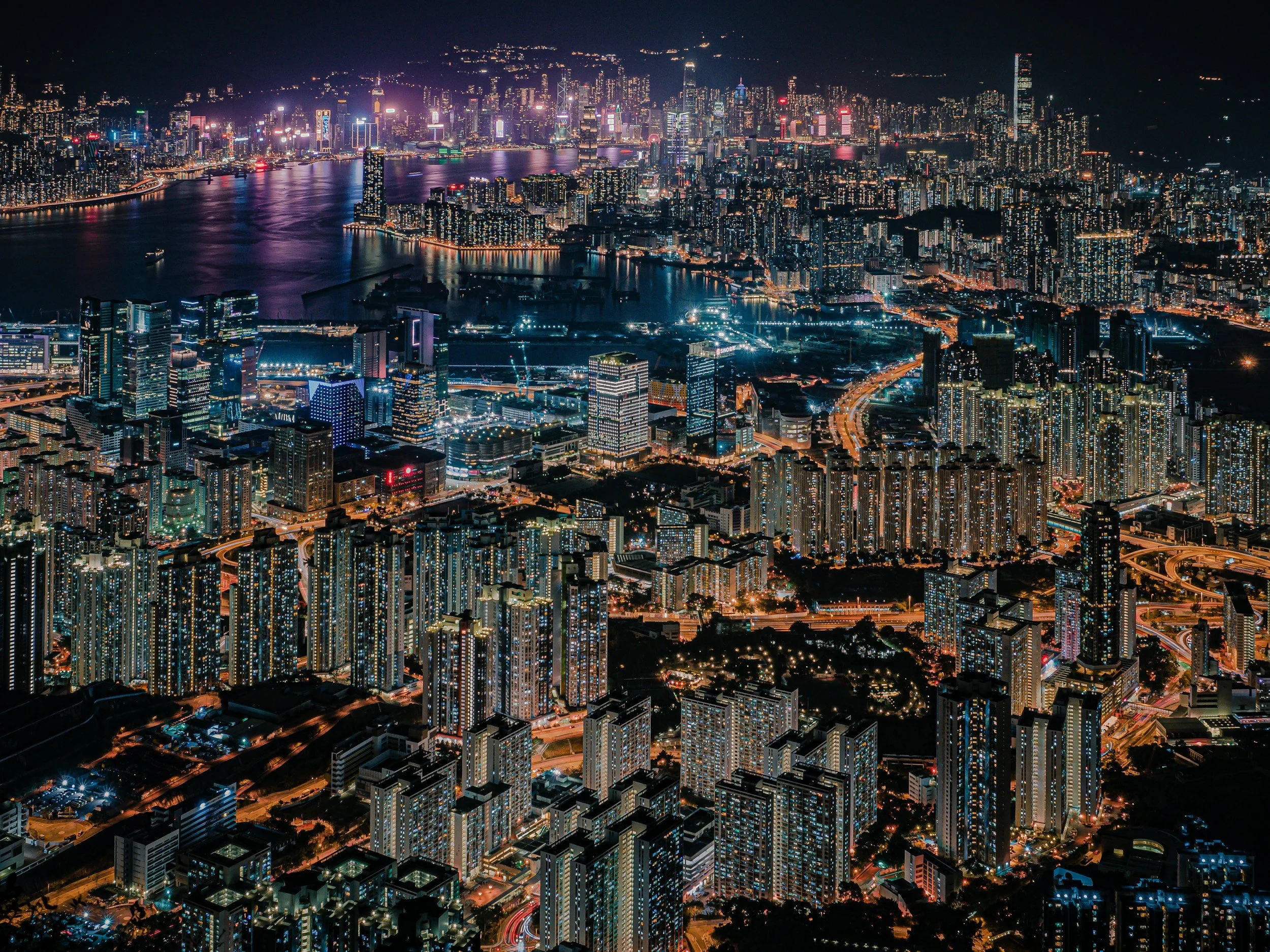
At a Glance, Overview & Vibe
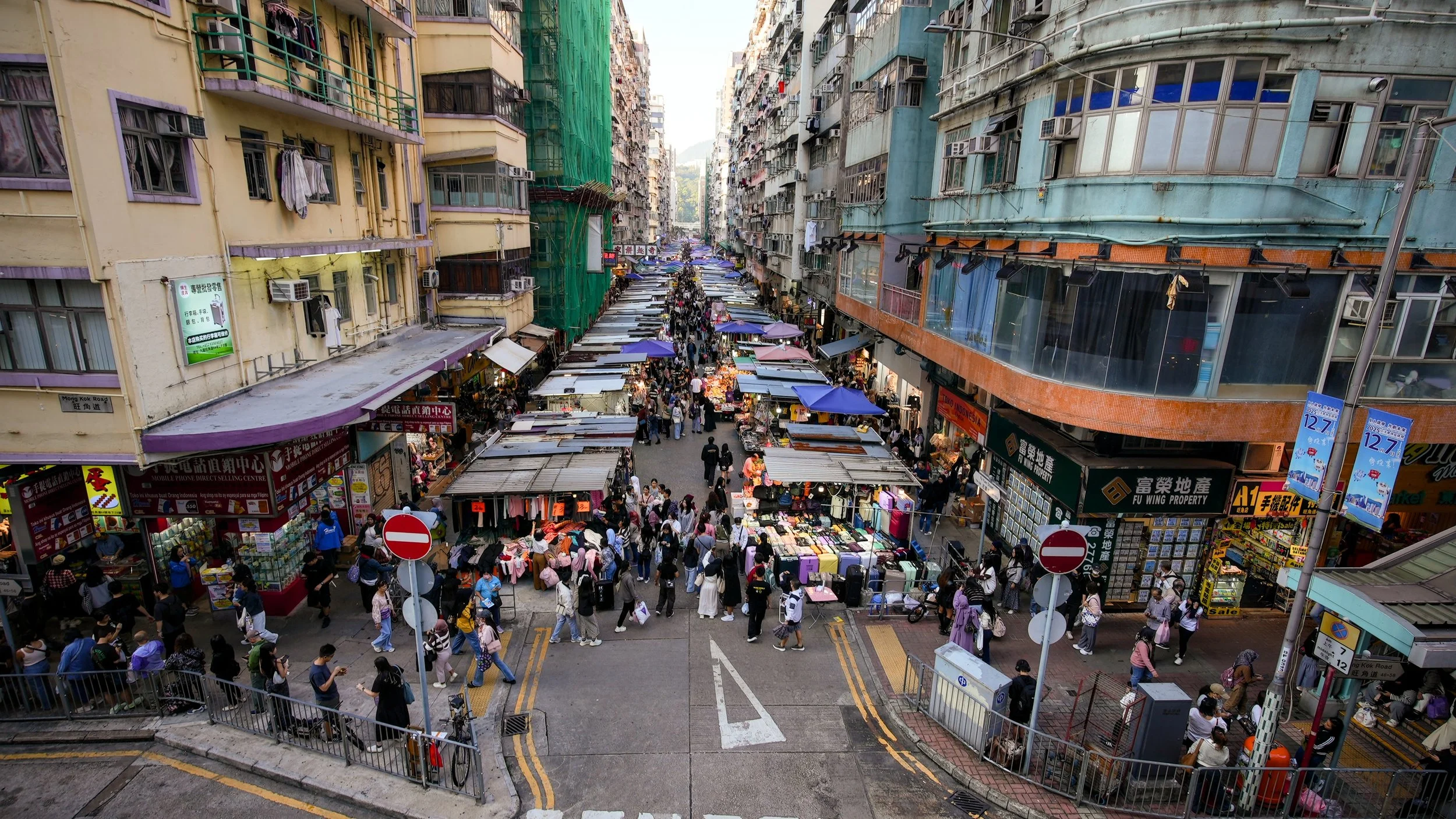
Hong Kong was not what we expected—and that ended up being one of the things we liked most about it. We pictured relentless crowds, skyscrapers and barely controlled chaos. All of that exists, especially in places like Mong Kok, but it is only one layer of the city.
Hong Kong is a place of contrasts. Glass towers rise behind traditional temples. Quiet parks sit between financial buildings. Historic ferries cross beneath one of the world’s most modern skylines. You can spend the morning navigating crowded markets, eat lunch in a tiny noodle shop and finish the day watching the city light up from the top of Victoria Peak.
For most first-time visitors, the city revolves around two main areas. Hong Kong Island feels more polished, vertical and international, particularly around Central, Wan Chai and Causeway Bay. Kowloon feels denser, grittier and more traditionally urban, with markets, neon signs, local restaurants and some of the best harbor views in the city.
The biggest surprise is how manageable it all becomes once you understand the layout. Hong Kong looks intimidating on a map, but the MTR, trams and ferries connect the main visitor areas exceptionally well. The official tourism board describes the city’s transportation network as extensive, fast and efficient, with the MTR supported by buses, trams, taxis and ferries.
The overall vibe is fast, energetic and crowded—but rarely disorganized. Hong Kong does not feel like a city that needs to slow down for you. Instead, it quietly teaches you how to keep up.
Local Foods to Try
Hong Kong is one of those destinations where eating should be treated as sightseeing. The city’s food reflects Cantonese traditions, British influence and decades of international trade.
Dim Sum
Dim sum is Hong Kong’s essential shared meal. Order several small dishes such as har gow shrimp dumplings, siu mai, barbecue pork buns, rice-noodle rolls and turnip cake.
Traditional restaurants may use paper order forms or carts, while modern establishments often use tablets or QR codes. Going with at least one other person makes it easier to try more dishes without leaving the table looking like you misunderstood portion control.
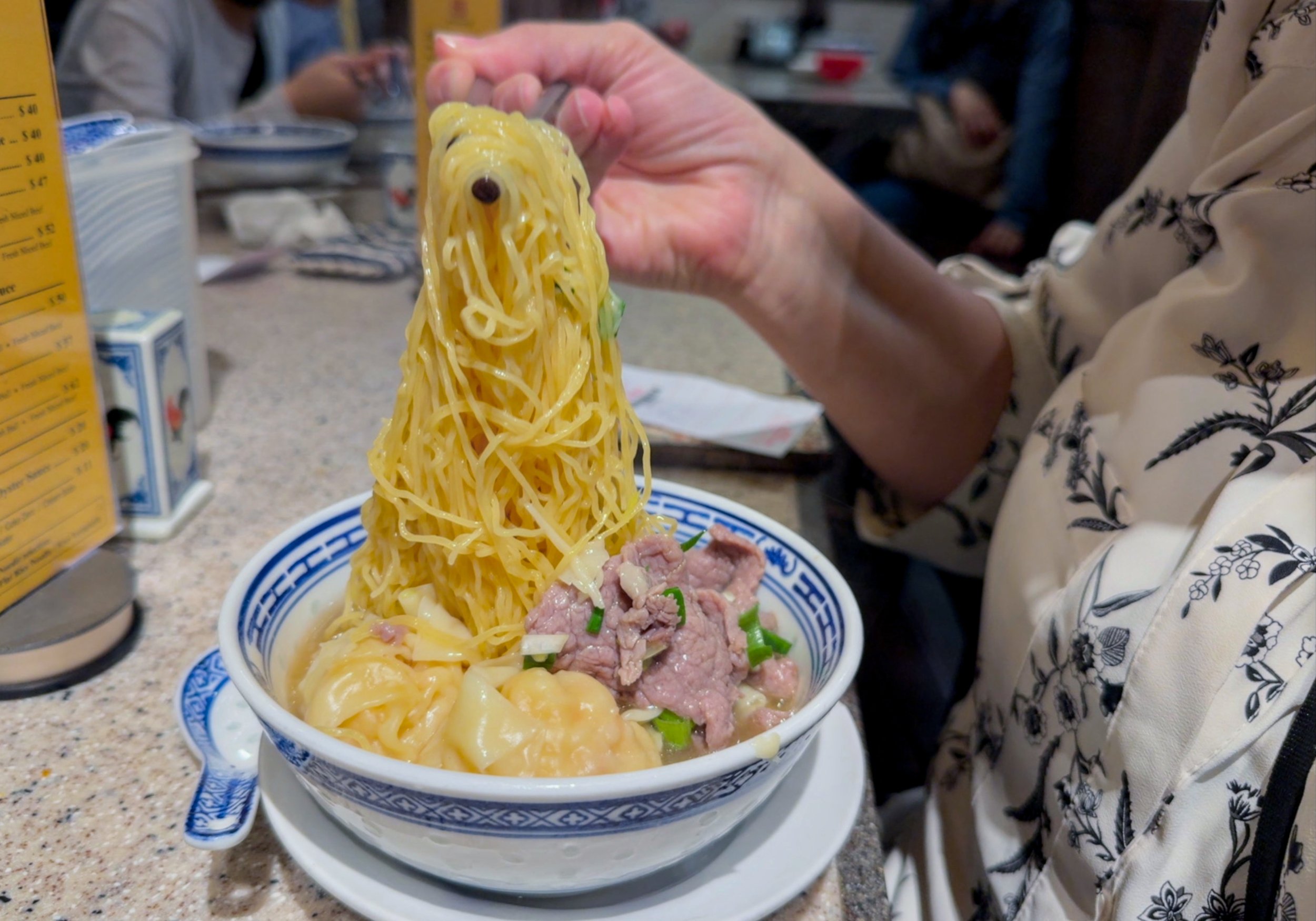
Beef Brisket Noodles
Slow-cooked beef brisket served with noodles and broth is simple, comforting and deeply satisfying. Sister Wah Beef Brisket became one of our favorite meals in Hong Kong. The restaurant was tiny and unfussy, and the food did all the talking.
When a place is crowded, be ready to share a table and leave once you finish. These restaurants are built for efficiency, not a two-hour philosophical discussion over lunch.
Roast Goose and Roast Meats
Cantonese roast-meat shops display glossy ducks, geese and pork in their windows. Roast goose is richer and fattier than roast duck, with crisp skin and intensely seasoned meat.
Char siu barbecue pork and crispy pork belly are easier entry points when you are uncertain about goose. Combination plates let you sample several meats in one meal.
Pineapple Bun
A pineapple bun is a soft bread roll topped with a sweet, crackly crust. Despite the name, it usually contains no pineapple.
Order it warm with a thick slice of butter inside—known as bo lo yau—and pair it with Hong Kong-style milk tea.
Egg Waffles
Egg waffles, or gai daan jai, have a crisp exterior and soft, chewy bubbles. Traditional versions are lightly sweet, while modern shops add chocolate, matcha, fruit and ice cream.
They are best eaten fresh. Ten minutes inside a plastic bag can turn crisp waffle bubbles into a damp little bag of regret.
Curry Fish Balls
Curry fish balls are one of Hong Kong’s classic street snacks. The flavor is savory, mildly spicy and more approachable than the name may sound to unfamiliar visitors.
Wonton Noodles
Cantonese wonton noodles usually combine thin springy noodles, clear broth and shrimp-filled wontons. Portions can be modest, making them useful for a snack or part of a larger food crawl.
Century Egg
Century egg is not 100 years old. It is a preserved egg—usually duck—cured until the white becomes translucent brown and the yolk turns dark and creamy.
The appearance is more intimidating than the flavor. It is generally savory, earthy and slightly salty, and it is often served with pickled ginger or included in congee.
Things to Do & See
Ride the Peak Tram to Victoria Peak
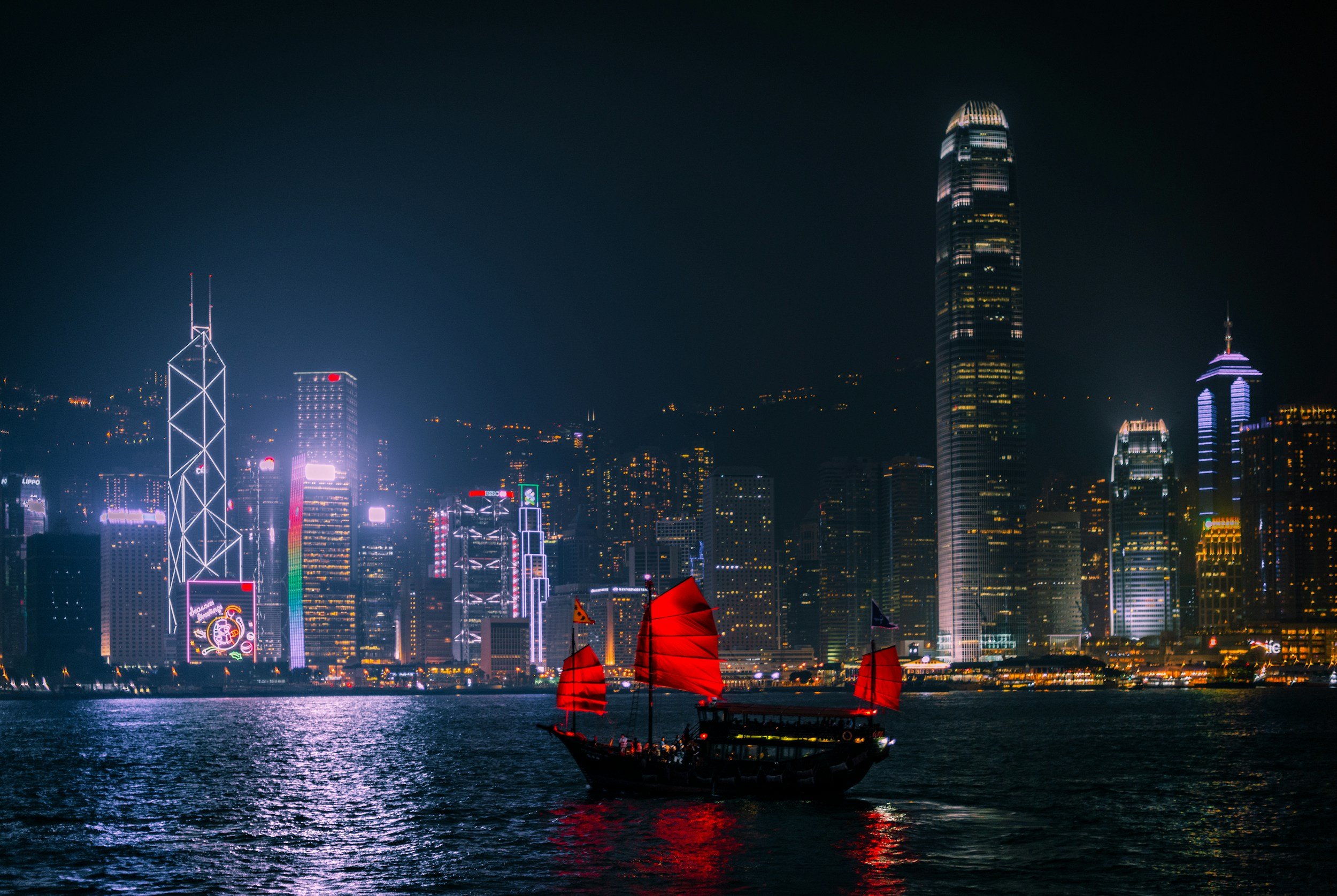
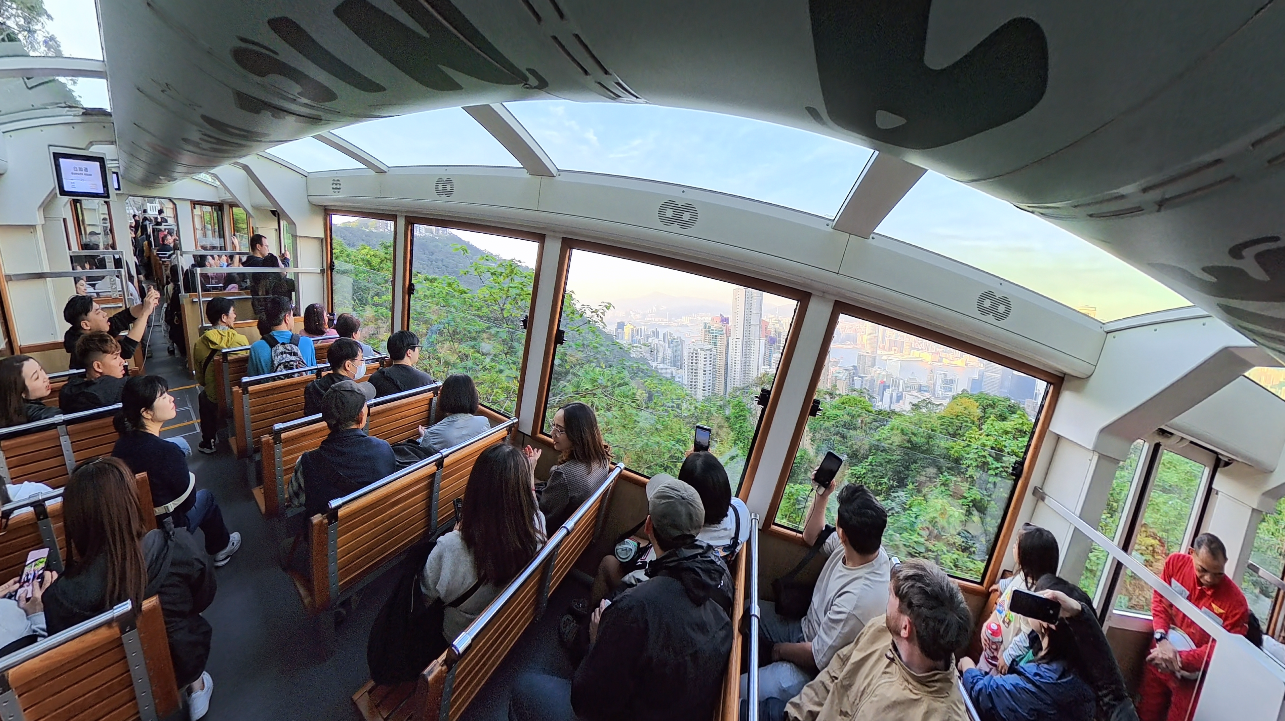
Victoria Peak is Hong Kong’s signature viewpoint and deserves its reputation. The Peak Tram climbs steeply from Central to the Peak Tower, where you can look across Hong Kong Island, Victoria Harbour and Kowloon. The tourism board identifies the Peak as one of the city’s essential attractions, combining the tram journey with panoramic skyline views.
The lower terminal can initially feel crowded and confusing. Purchasing tickets in advance may save time, although queues can still form for boarding. Sky Terrace 428 offers the elevated, unobstructed observation-deck experience, but you can also find views from public areas and walking paths around the Peak.
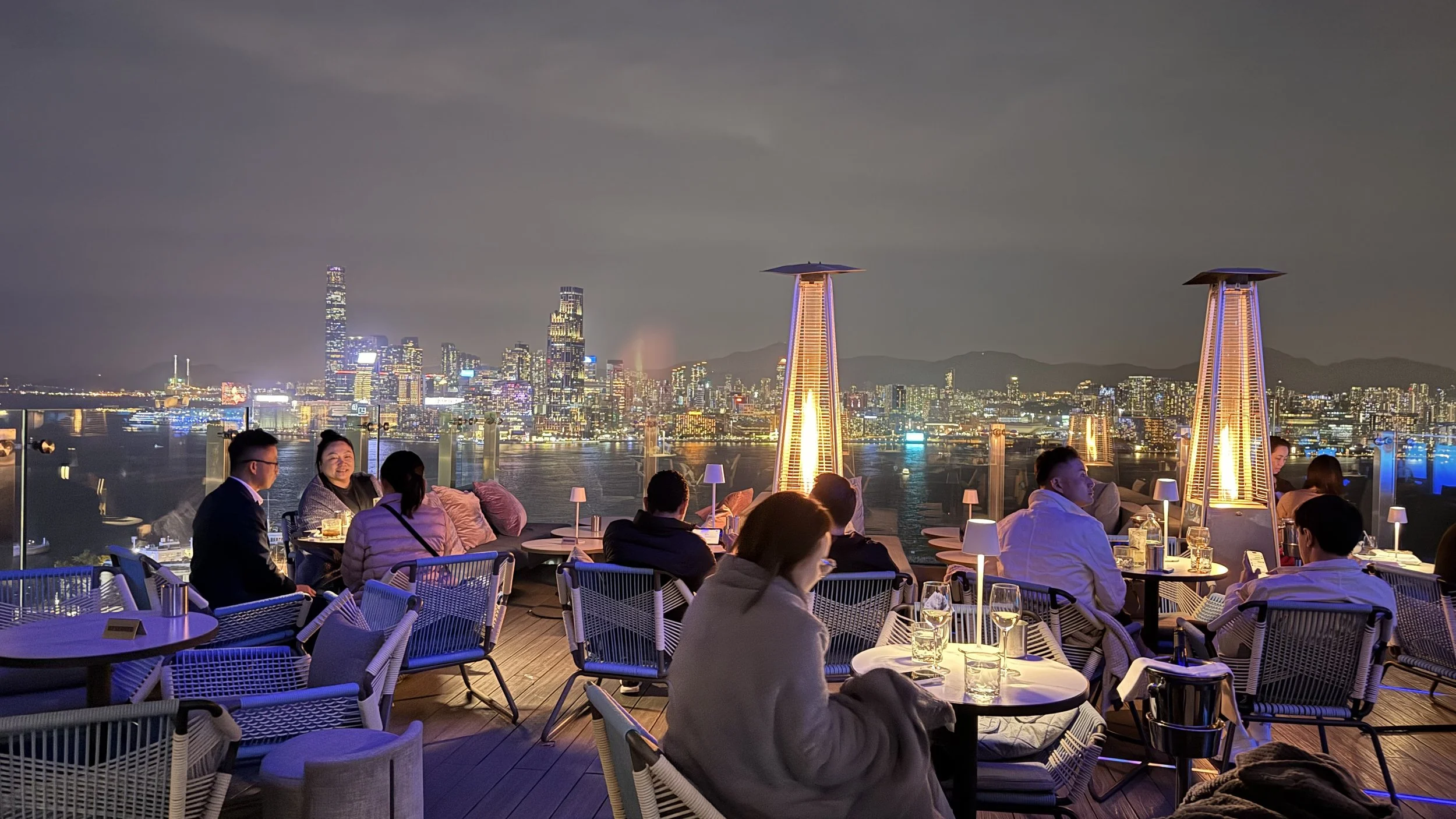
Try to arrive before sunset. Seeing the city in daylight, watching the sky change and then witnessing the skyline illuminate gives you three completely different versions of Hong Kong in one visit.
Weather matters. Do not blindly lock the Peak into your itinerary several days in advance when the forecast looks questionable. Move it to the clearest afternoon available.
Explore Hong Kong Park
Hong Kong Park is one of the city’s most pleasant surprises. It sits directly among the towers of Central, yet contains waterfalls, ponds, tropical landscaping, walking paths and an aviary.
The land was previously associated with British military barracks, and several historical buildings remain incorporated into the park. Its location near the lower Peak Tram terminal makes it an easy stop before or after visiting Victoria Peak.
It is free, peaceful and far better than treating the area as nothing more than somewhere to kill time before your tram reservation.
Ride a Ding Ding Tram
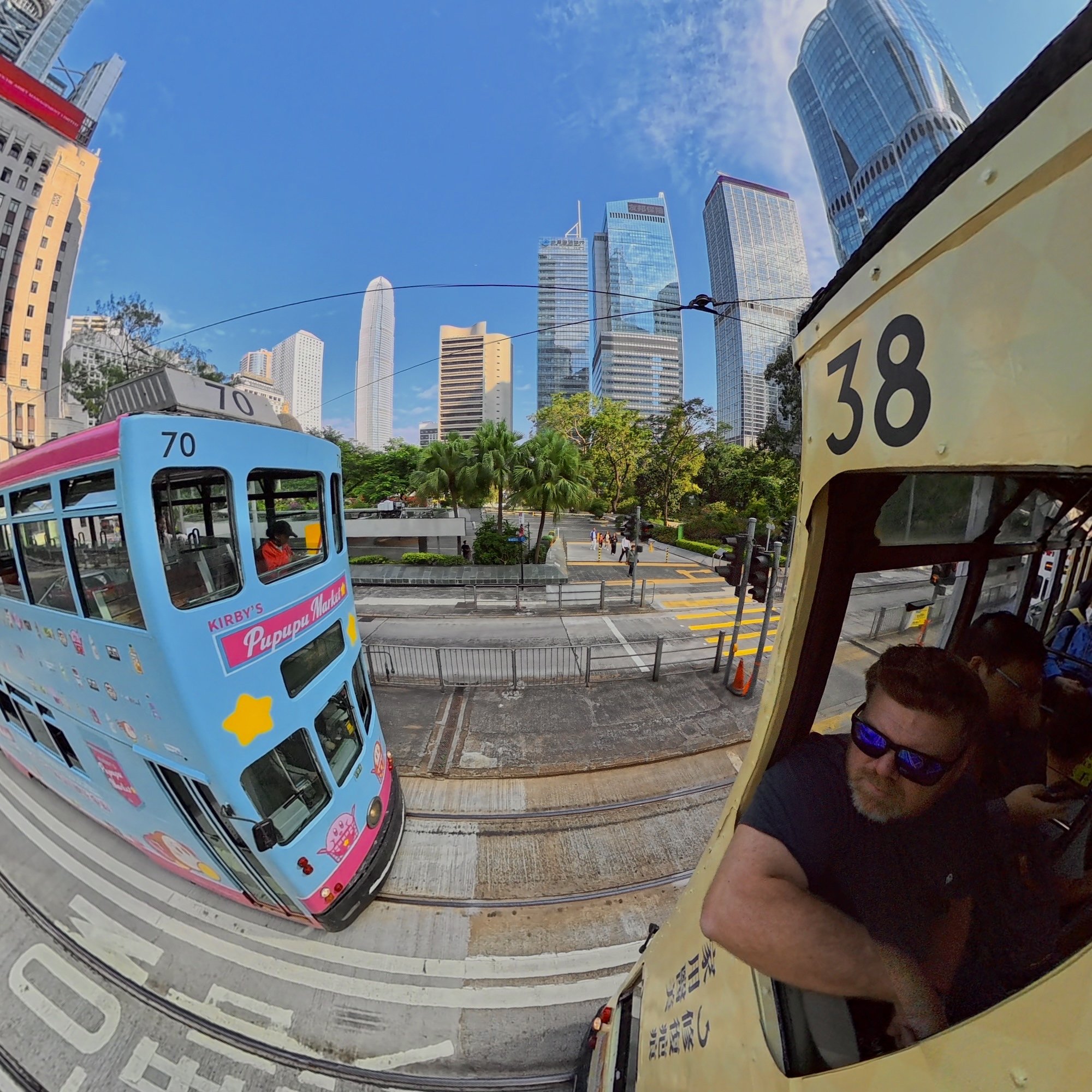
The double-decker trams are one of Hong Kong’s most enjoyable forms of transportation. They are not the fastest way to travel, which is exactly the point.
Board at the rear, climb to the upper level when space is available and watch the neighborhoods change as the tram moves along Hong Kong Island. When leaving, walk downstairs, pay at the front and exit. Octopus, supported electronic payments and exact cash are accepted; no change is provided for cash fares.
The trams are particularly useful between Causeway Bay, Wan Chai, Central and Sheung Wan. They turn a basic transportation ride into a cheap sightseeing tour.
Walk Through Central and Ride the Mid-Levels Escalator
The Central–Mid-Levels system carries pedestrians through the steep neighborhoods above Central. Along the route, you will pass restaurants, cafés, bars, small streets and entrances leading toward Soho and Hollywood Road.
It is less of a single attraction and more of a moving introduction to the neighborhood. Get off periodically instead of riding the entire route without exploring anything around it.
The escalator system follows directional operating hours, so check the current schedule before assuming it will carry you uphill or downhill.
Visit Tai Kwun
Tai Kwun is a restored heritage and arts complex occupying the former Central Police Station, prison and magistracy buildings. The courtyards, colonial architecture and preserved cells give the area a completely different atmosphere from the nearby glass towers.
General access is usually free, although individual exhibitions and events may charge admission. Allow at least an hour, and longer when you enjoy history, architecture or contemporary art.
This was one of the most impressive free attractions we found in Hong Kong.
Walk Hollywood Road and Visit Man Mo Temple
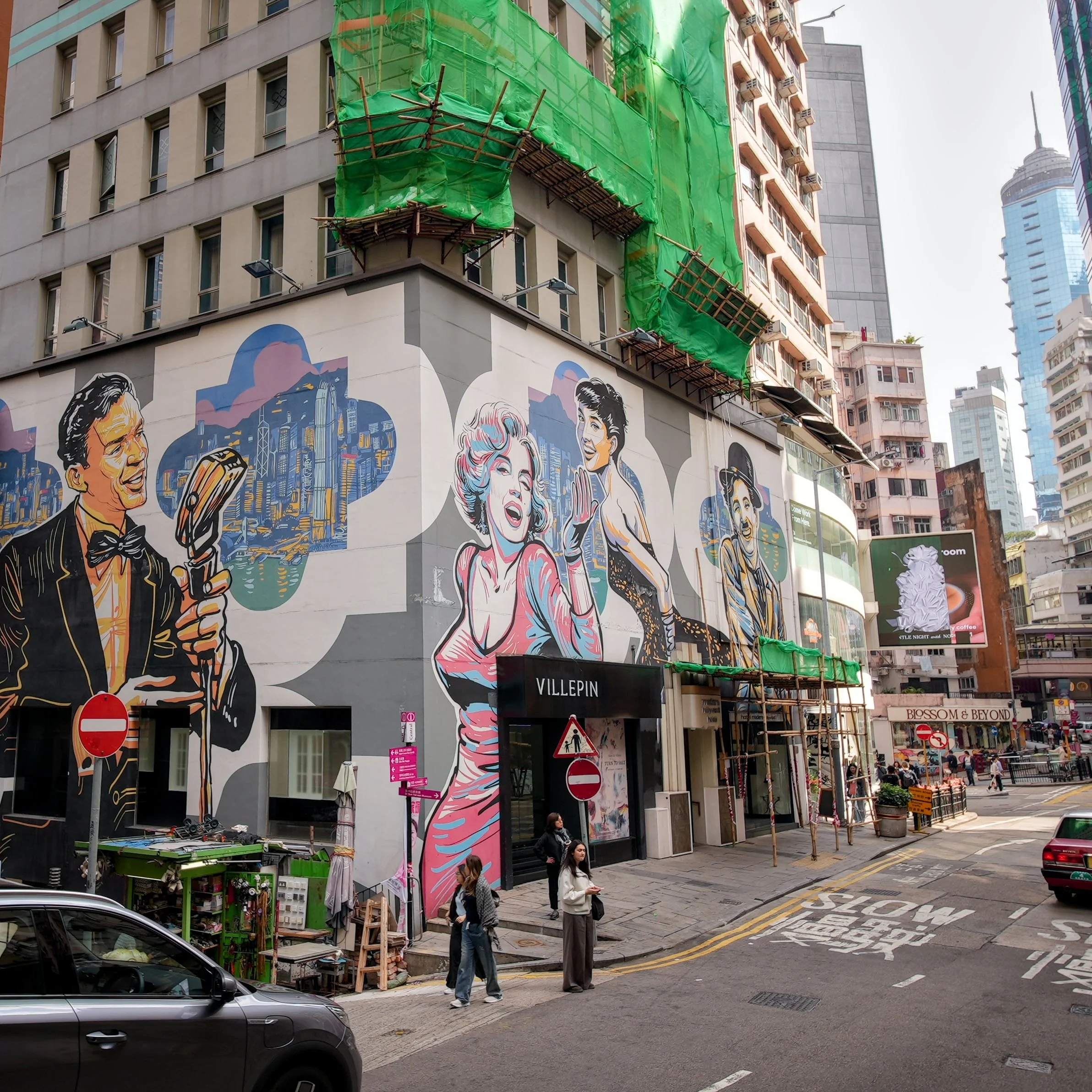
Hollywood Road runs between Central and Sheung Wan and is known for antiques, galleries, murals and historic sites. The art is scattered rather than concentrated, so do not arrive expecting every building to be covered in murals.
Man Mo Temple is the real highlight. Built in the 19th century, it is dedicated to Man, the god of literature, and Mo, the god of war. The hanging incense coils, red lanterns and smoky interior create one of the most atmospheric experiences on Hong Kong Island.
This remains a working place of worship. Dress respectfully, avoid blocking people who are praying and follow posted photography restrictions.
Cross Victoria Harbour on the Star Ferry
The MTR is faster, but the Star Ferry is the way you will remember.
The short crossing between Hong Kong Island and Tsim Sha Tsui delivers one of the best skyline views in the city for very little money. The tourism board specifically recommends the ferry as the scenic alternative to crossing by MTR.
Ride it at least twice if possible: once during daylight and once after dark. Sit near an open window or exterior opening, and have your camera ready before the ferry leaves the pier. The crossing is brief.
Walk the Avenue of Stars
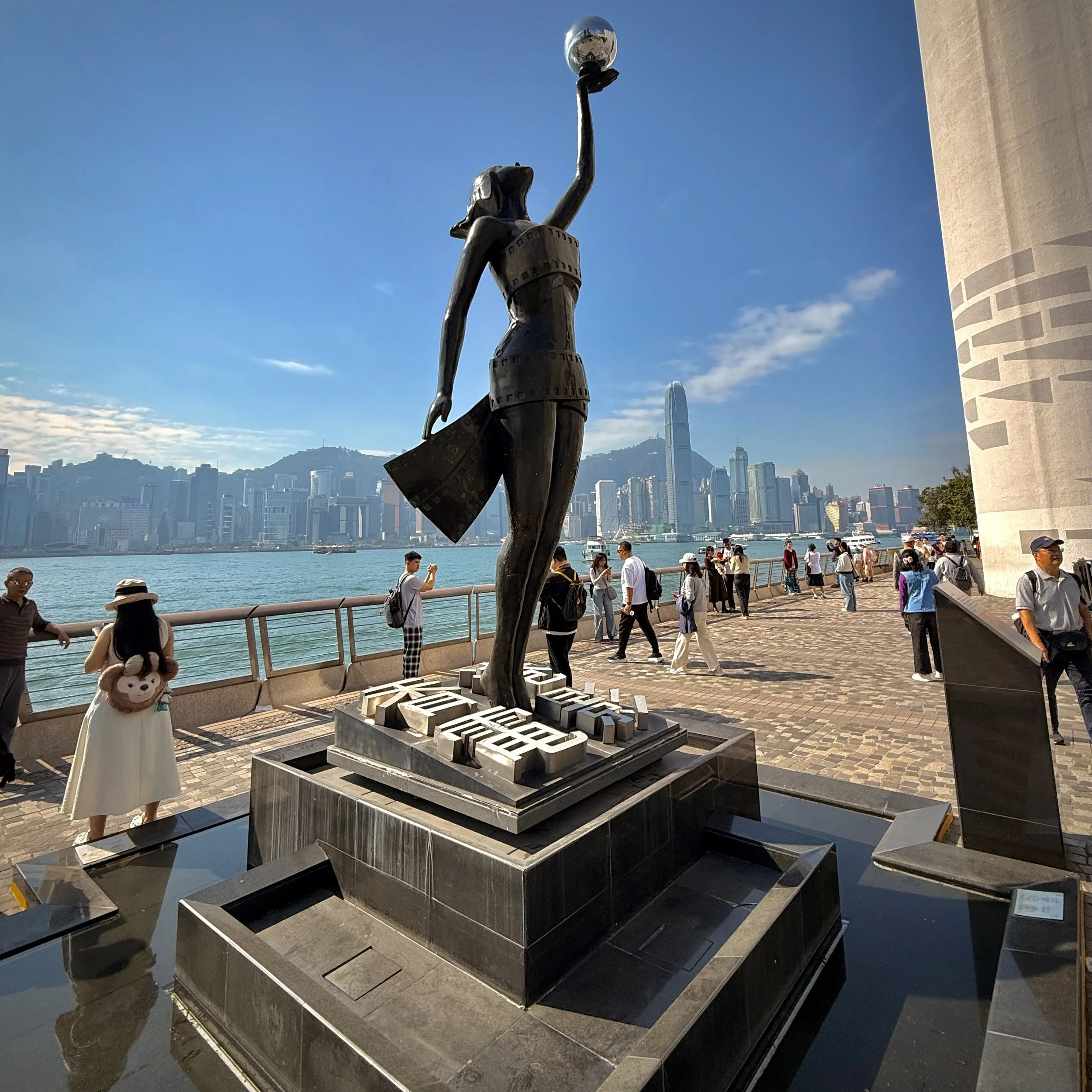
The Avenue of Stars runs along the Tsim Sha Tsui waterfront and celebrates Hong Kong’s film industry. Its best-known landmark is the Bruce Lee statue, but the promenade itself is the bigger attraction.
This is one of the best places to photograph Hong Kong Island, especially around sunset and after the buildings light up. The nightly Symphony of Lights is normally presented at 8:00 p.m., although schedules and weather-related changes should be checked before visiting.
The show itself may not change your life, but the waterfront atmosphere absolutely earns its place in an evening itinerary.
Explore Temple Street Night Market
Temple Street was our favorite market in Hong Kong. It becomes more energetic after dark, when food stalls, vendors, lights and crowds fill the surrounding streets.
You will find souvenirs, accessories, clothing and inexpensive goods, but shopping is secondary to the atmosphere. Come hungry, wander slowly and explore the nearby side streets rather than walking through one central strip and calling it finished.
Experience Mong Kok
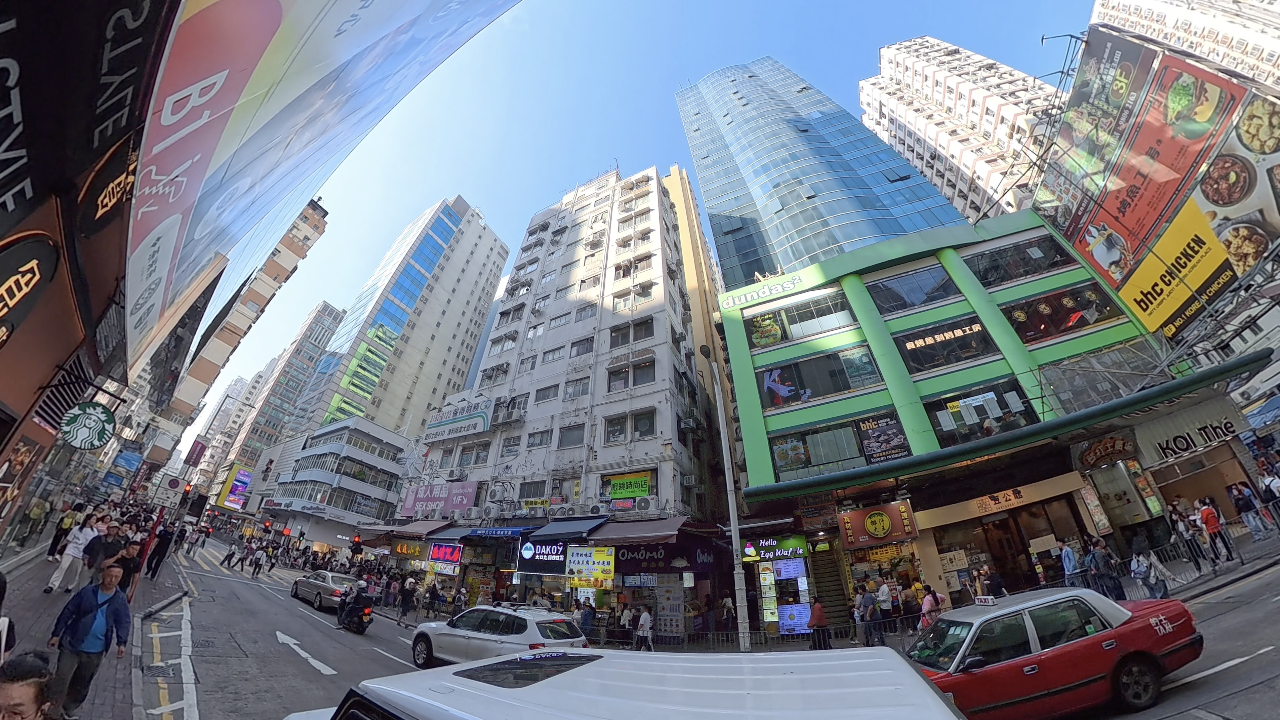
Mong Kok is one of the most intense and memorable neighborhoods in the city. Neon signs, crowds, food stalls, traffic and shops compete for attention from every direction.
Popular stops include:
Ladies’ Market
Goldfish Market
Flower Market
Fa Yuen Street Market
Sneaker Street
Tung Choi Street
Several general merchandise markets begin to feel similar after a while. The Goldfish Market, Flower Market and traditional wet markets offer more distinctive experiences.
Mong Kok becomes especially crowded on Sundays. Large numbers of migrant domestic workers—many from the Philippines and Indonesia—use their weekly day off to meet friends, share meals and socialize in public spaces. Visitors may see groups gathering beneath walkways and overpasses. This is a normal part of local life, not a tourist spectacle. Be respectful and avoid treating people’s private social time as a photo opportunity.
Visit Victoria Park
Victoria Park is a large public green space beside Causeway Bay. It contains walking paths, sports facilities, shaded areas and enough room to provide a genuine break from the surrounding city.
It is not a bucket-list attraction, but it can meaningfully improve your stay when your hotel is nearby. Morning walks here became part of our routine and made Causeway Bay feel far more livable.
See the Big Buddha on Lantau Island
The Tian Tan Buddha, commonly called the Big Buddha, rises above Po Lin Monastery on Lantau Island. The statue stands more than 110 feet tall and is reached by climbing a long staircase.
Many visitors take the Ngong Ping 360 cable car, which travels over the mountains and offers views toward the airport, sea and surrounding landscape. At the top, Ngong Ping Village connects the cable-car terminal with the monastery and Buddha.
This is one of the best ways to experience Hong Kong beyond the dense urban center. Allow most of the day, particularly when cable-car lines are long or you also want to explore nearby Tai O.
Quick Facts
Location: Southern coast of China, along the South China Sea
Status: Special Administrative Region of China
Main visitor areas: Hong Kong Island and Kowloon
Currency: Hong Kong dollar (HKD)
Languages: Cantonese and English are widely used
Population: Approximately 7.5 million
Best time to visit: October through December
Public transportation: MTR, buses, double-decker trams, ferries, taxis and Uber
Essential travel tool: Octopus Card
Airport: Hong Kong International Airport
Hong Kong spent more than 150 years under British rule before being returned to China in 1997. It now operates as a Special Administrative Region under the principle commonly known as “One Country, Two Systems,” maintaining its own currency, immigration controls, courts and economic framework.
Despite its reputation as a wall-to-wall city, Hong Kong is far greener than many first-time visitors expect. Mountains, country parks, beaches, hiking trails and outlying islands sit surprisingly close to the skyscrapers.
A few more fun facts:
The Peak Tram began operating in 1888 and was the first funicular railway in Asia.
Hong Kong’s double-decker trams have operated since 1904 and are nicknamed “Ding Dings” because of the bells they use.
The Star Ferry has carried passengers across Victoria Harbour since 1888.
The Mid-Levels Escalator is a network of covered moving walkways and escalators stretching more than 2,600 feet through Central.
Bamboo scaffolding is still commonly used on construction projects throughout the city.
Pineapple buns do not normally contain pineapple. The name comes from the cracked appearance of the sweet topping.
Hong Kong has its own currency and immigration system, so entering Hong Kong is not the same process as entering mainland China.
Best Time to Visit
The best overall time to visit Hong Kong is usually October through early December. The worst summer humidity has normally eased, rainfall is generally lower and clearer skies make a noticeable difference when visiting Victoria Peak or photographing the skyline.
January and February can also be comfortable, with cooler temperatures and lower humidity. You may need a light jacket in the morning and evening, especially near the harbor.
March and April bring warmer conditions, but fog, clouds and occasional rain can limit visibility. This matters more in Hong Kong than in many destinations because several of its biggest attractions—Victoria Peak, the Star Ferry and the waterfront promenades—are heavily dependent on the view.
May through September is hot, humid and rainy. This period can still work, particularly when hotel prices are attractive, but sightseeing becomes more physically demanding. Tropical cyclones can affect Hong Kong from May through November, with July through September the most likely months for disruptions.
Typhoons do not necessarily ruin an entire trip, but warnings can suspend ferries, close attractions and disrupt flights. During the wetter months, build some flexibility into your plans and monitor the Hong Kong Observatory’s official alerts rather than relying solely on a generic weather app.
Buses and Minibuses
Double-decker buses cover areas the MTR does not reach and can be scenic, particularly on routes along the coast or toward the southern side of Hong Kong Island.
Minibuses are less beginner-friendly. Some require passengers to call out their stop, routes can be difficult to understand and payment procedures vary. They are useful once you become comfortable with the city, but they are not necessary for a standard first visit.
Taxis and Uber
Taxis are plentiful and metered. Red taxis serve most urban areas, while green and blue taxis operate in more limited territories.
Drivers may not always speak English, so have your destination displayed in Chinese. Hotel staff can write it down, or you can show the address on your phone.
Uber operates in Hong Kong and can be easier when you want a cashless ride with the destination entered in advance.
Airport Transportation
The Airport Express is the fastest rail connection between Hong Kong International Airport and the city. The journey to Hong Kong Station takes roughly 24 minutes.
Buses are cheaper and may be more convenient when they stop close to your hotel. Taxis work well for couples or groups carrying luggage, particularly when splitting the fare.
Getting Around
Hong Kong has one of the easiest public-transport systems we have encountered. Once you understand a few basics, there is almost no reason to rent a car.
Octopus Card
The Octopus Card is the most useful transportation tool in Hong Kong. It began as a transit payment system but is now accepted across public transportation and at many shops, restaurants and vending machines.
Visitors can use a physical Tourist Octopus or supported mobile options. A physical card remains useful when your phone battery dies, your device is incompatible or you simply do not want every train ride tied to the continued survival of your electronics.
Although contactless bank cards and mobile wallets are increasingly accepted, Octopus remains the simplest all-purpose option.
Keep a small amount of cash for market stalls, older restaurants and vendors that do not accept international cards.
MTR
The MTR is the fastest way to travel longer distances and cross between Hong Kong Island and Kowloon. Stations are clean, signs are clear and announcements are commonly made in Cantonese, Mandarin and English.
Trains arrive frequently, although major interchange stations can involve long underground walks. The colored line map is easy to understand, but the correct station exit matters. Choosing Exit A instead of Exit F can occasionally turn a three-minute walk into an accidental neighborhood tour.
Ding Ding Trams
Use the trams for shorter journeys along northern Hong Kong Island. Board at the rear and pay when leaving at the front. The fare is flat regardless of distance, making the tram both practical and one of the city’s best-value sightseeing experiences.
Star Ferry
The Star Ferry connects Hong Kong Island and Kowloon while delivering excellent harbor views. It is slower than the MTR only in the sense that you must reach the pier and wait for departure. The actual crossing is quick.
Use the ferry when the journey itself is part of the experience. Use the MTR when you are late.
Common Mistakes to Avoid
Treating Hong Kong as Nothing but a Stopover
Hong Kong deserves more than one rushed night between flights. Four full days provide enough time for Hong Kong Island, Kowloon and one outlying excursion. Five or six days allow you to slow down and add Lantau, Macau or one of the smaller islands.
Staying in the Wrong Neighborhood
A cheap hotel deep in the New Territories may save money but create long daily commutes. Similarly, Mong Kok can be thrilling to explore but exhausting as a home base for travelers seeking quiet nights.
Choose your neighborhood based on the experience you want, not merely the lowest room rate.
Scheduling Victoria Peak on a Fixed Cloudy Day
The view is the attraction. Check visibility and move the Peak to the clearest day available. Paying for an observation deck to admire the inside of a cloud is a character-building exercise, not a travel highlight.
Using Only the MTR
The MTR is wonderfully efficient, but staying underground means missing much of Hong Kong. Use the Ding Ding trams and Star Ferry even when they take slightly longer.
Assuming Every Street Market Is Completely Different
Ladies’ Market, Temple Street and several other markets contain overlapping merchandise. Pick one or two general markets, then prioritize more specialized places such as the Flower Market, Goldfish Market or a wet market.
Carrying No Cash
Hong Kong is highly cashless, but not universally cashless. Small restaurants, older businesses and market vendors may still prefer or require Hong Kong dollars.
Underestimating Walking and Hills
Hong Kong’s transportation is excellent, but sightseeing still involves stairs, steep streets, station corridors and long waterfront walks. Comfortable shoes are not optional.
Expecting Huge Hotel Rooms
Space is expensive. Standard hotel rooms can be smaller than North American travelers expect, especially in older or budget properties.
Check the room’s listed square footage before booking. Clever photography has saved many tiny hotel rooms from public embarrassment.
Eating Only in Malls and Hotels
Hong Kong’s malls have excellent food, but relying on them exclusively means missing noodle shops, roast-meat restaurants, cha chaan teng cafés and market snacks.
Ignoring Sundays in Mong Kok and Central
Several busy districts become even more crowded on Sundays, when migrant domestic workers gather on their day off. The gatherings are an important part of community life. Expect congestion, remain considerate and do not photograph people intrusively.
Assuming Hong Kong and Mainland China Have Identical Entry Rules
They do not. Hong Kong maintains separate immigration controls. A traveler admitted visa-free to Hong Kong may still require a visa to enter mainland China.
Safety & Things to Know
Hong Kong generally feels orderly and physically safe for visitors. Violent crime affecting tourists is relatively uncommon, and public transportation remains busy late into the evening. Normal city precautions still apply: protect phones and wallets in crowded markets, use licensed transportation and avoid leaving valuables unattended.
Typhoons and severe rain are the most likely natural disruptions. Pay attention to official warning signals because transportation and business operations may change quickly. Tropical cyclones are most likely to affect Hong Kong between July and September, though the broader season extends from May through November.
A few practical points:
Traffic drives on the left.
Look both ways before crossing, particularly around tram tracks.
Stand on the right side of escalators and allow people to pass on the left.
Eating and drinking are prohibited in paid MTR areas and aboard trains.
Tap water is treated, but plumbing quality can vary by building. Many visitors prefer filtered or bottled water.
Public restrooms are common in malls, MTR stations and attractions.
Air-conditioning can be aggressive. Carry a light layer even during hot weather.
Avoid photographing military, police or sensitive government facilities.
Local laws and political restrictions may differ substantially from those in the United States. Avoid demonstrations and do not assume speech or conduct treated casually at home carries the same legal protections in Hong Kong.
Drug laws are strict, and penalties can be severe.
Regulations involving vaping products are stricter than in many Western destinations. Check current customs rules before carrying e-cigarettes, heated-tobacco products or related equipment.
English is widely used in hotels, attractions, major restaurants and the transportation system, but communication can be more limited in small local businesses. Saving addresses in written Chinese makes things easier.
Hong Kong uses Type G electrical plugs—the same three-rectangular-pin style used in the United Kingdom—and operates on 220 volts.
Visa & Entry Requirements
U.S. citizens traveling to Hong Kong for tourism or business generally do not need a visa for stays of up to 90 days. Hong Kong Immigration lists ordinary U.S. passports as eligible for 90 days of visa-free entry, while U.S. diplomatic passports are treated differently.
Visitors may be asked to show:
A valid passport
Proof of onward or return travel
Sufficient funds for the visit
Accommodation information
Hong Kong Immigration states that visitors should have enough money to support themselves without working and should hold onward or return tickets unless continuing to mainland China or Macau. Visitors may not work, study or establish a business under ordinary visitor status.
Hong Kong has immigration controls separate from mainland China. A Chinese visa is not required solely because you are visiting Hong Kong, and visa-free admission to Hong Kong does not give you permission to enter mainland China.
Travelers heading to Macau will also pass through separate immigration controls. Carry your passport even when visiting only for the day.
Entry policies can change, and requirements differ by nationality and passport type. Check the Hong Kong Immigration Department’s current rules before departure rather than relying on an old blog post—or a travel creator who confidently filmed the wrong information three years ago.
Wan Chai
Wan Chai sits between Central and Causeway Bay and offers a useful blend of transportation, nightlife, restaurants and local street life. Some blocks are modern and business-oriented, while others feel much older and more lived-in.
Its central location is the real advantage. You can reach most of Hong Kong Island quickly, ride the tram through the neighborhood and use the Wan Chai ferry to cross the harbor.
Tsim Sha Tsui
Tsim Sha Tsui is the best Kowloon base for first-time visitors. Hotels near the waterfront have direct views toward the Hong Kong Island skyline, while the Star Ferry, Avenue of Stars, museums and major shopping streets are all nearby.
The area is touristy and busy, but the location is difficult to beat. It is especially appealing for photographers or anyone who wants to experience the harbor after dark without traveling back across the water.
Jordan and Yau Ma Tei
Jordan and Yau Ma Tei provide a more local Kowloon experience while remaining convenient. Temple Street Night Market, small restaurants and traditional shops are close by, and room rates can be more reasonable than in waterfront Tsim Sha Tsui.
These neighborhoods feel less polished, which is either the selling point or the warning label.
Mong Kok
Mong Kok is loud, dense, colorful and unapologetically chaotic. Markets, sneaker stores, street food and tiny shops seem to occupy every available inch.
It is fascinating to explore, but we would not recommend it as the default base for travelers who value quiet evenings, larger hotel rooms or a relaxed neighborhood. Visit it for the experience; stay there only when you actively want to be inside the chaos.
Where to Stay
Choosing the right neighborhood matters because Hong Kong’s districts have very different personalities. There is no universally perfect area, but first-time visitors will usually be happiest on Hong Kong Island or near the waterfront in Kowloon.
Causeway Bay
Causeway Bay is one of the best all-around choices for visitors who want convenience, shopping, restaurants and easy transportation. It is busy, bright and unmistakably urban, but Victoria Park provides a valuable escape from the concrete.
We stayed at The Park Lane Hong Kong in Causeway Bay and loved being beside the park. That little patch of green made a bigger difference than we expected. The neighborhood also made it easy to use the Ding Ding tram, reach Central and cross over to Kowloon.
Causeway Bay is particularly good for travelers who like being surrounded by activity but do not want Kowloon’s full-volume intensity.
Central
Central is Hong Kong’s polished financial and business district. It offers excellent MTR connections, upscale hotels, major shopping centers and easy access to the Peak Tram, Hong Kong Park and the Mid-Levels Escalator.
It is extremely convenient, but it can feel corporate and expensive. Restaurants, cocktails and hotel rooms tend to cost more here, and some streets become noticeably quieter after the office crowd goes home.
Central works best for shorter trips, first-time visitors who value transportation above everything else and travelers who plan to spend heavily on dining or nightlife.
Sheung Wan
Immediately west of Central, Sheung Wan has more character and a slightly calmer rhythm. The neighborhood mixes dried seafood shops, temples, cafés, independent businesses and older residential streets.
Hollywood Road, Man Mo Temple and several art galleries are located nearby. The street art is worth noticing, although we found the area less dramatic than some social-media posts make it appear. Think scattered murals and interesting side streets, not one enormous open-air art district.
Sheung Wan is a strong choice for travelers who want local texture without giving up quick access to Central.