Overview & Vibe
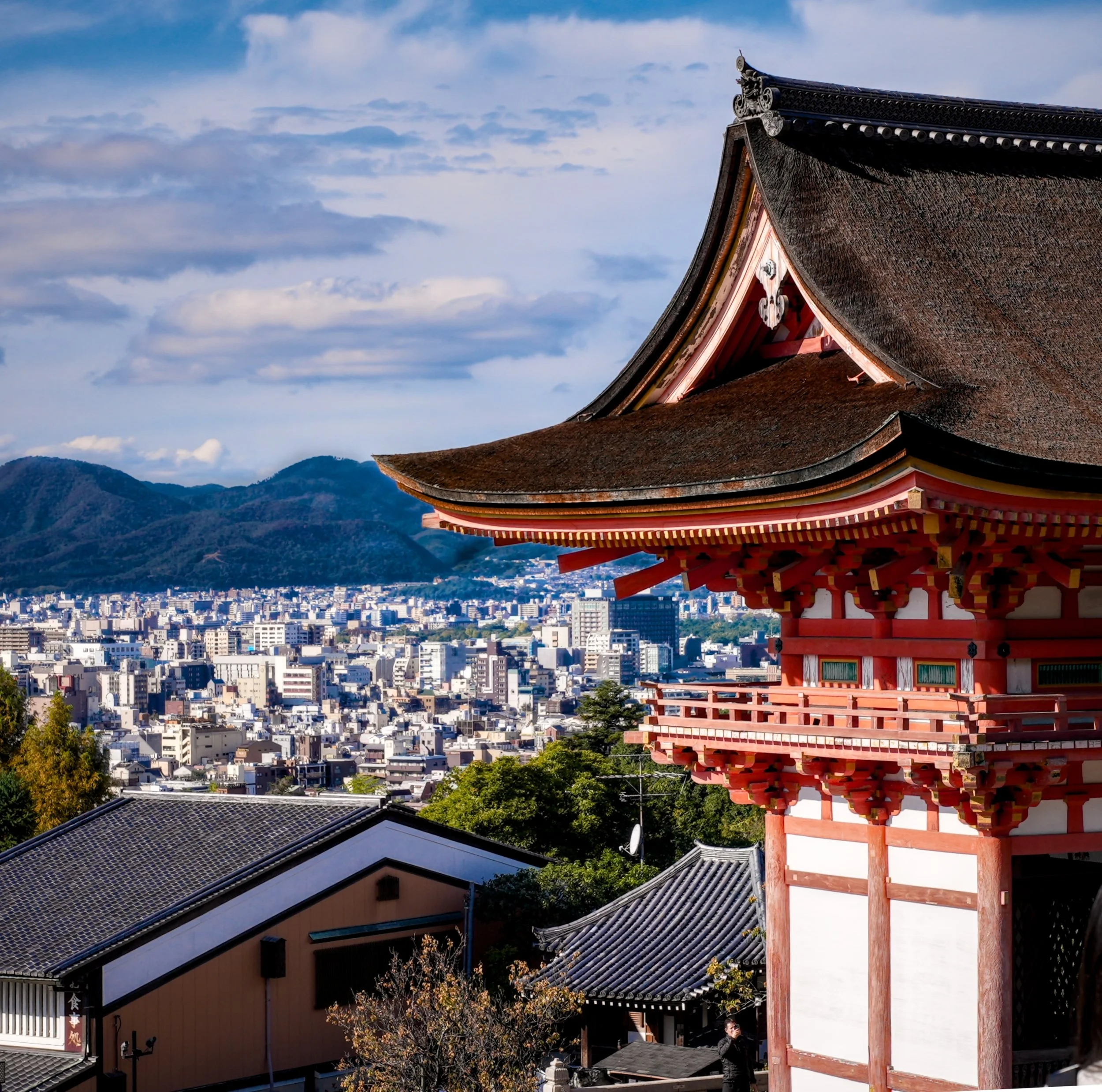
If Tokyo represents modern Japan, Kyoto is where you go to experience much of the country's traditional side.
Kyoto feels noticeably slower and more atmospheric than Tokyo or Osaka. Wander away from the busiest streets and you'll find narrow lanes lined with wooden machiya townhouses, tiny restaurants hidden behind curtains, peaceful gardens, neighborhood shrines, and centuries-old temples tucked between ordinary homes.
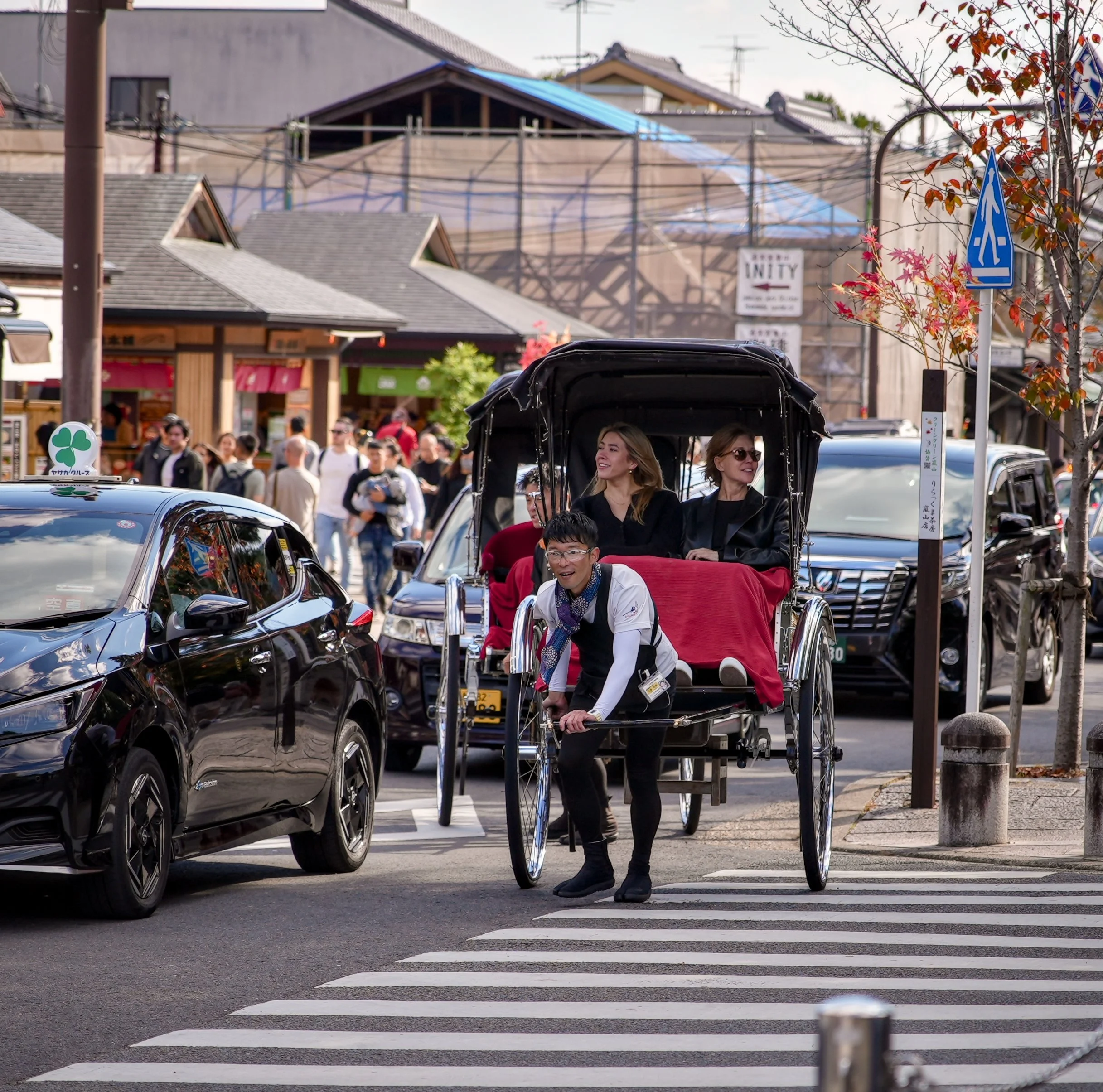
But don't expect the entire city to look like historic Japan. Downtown Kyoto is very much a modern Japanese city filled with department stores, shopping streets, offices, restaurants, hotels, and busy intersections.
The magic is found in pockets.
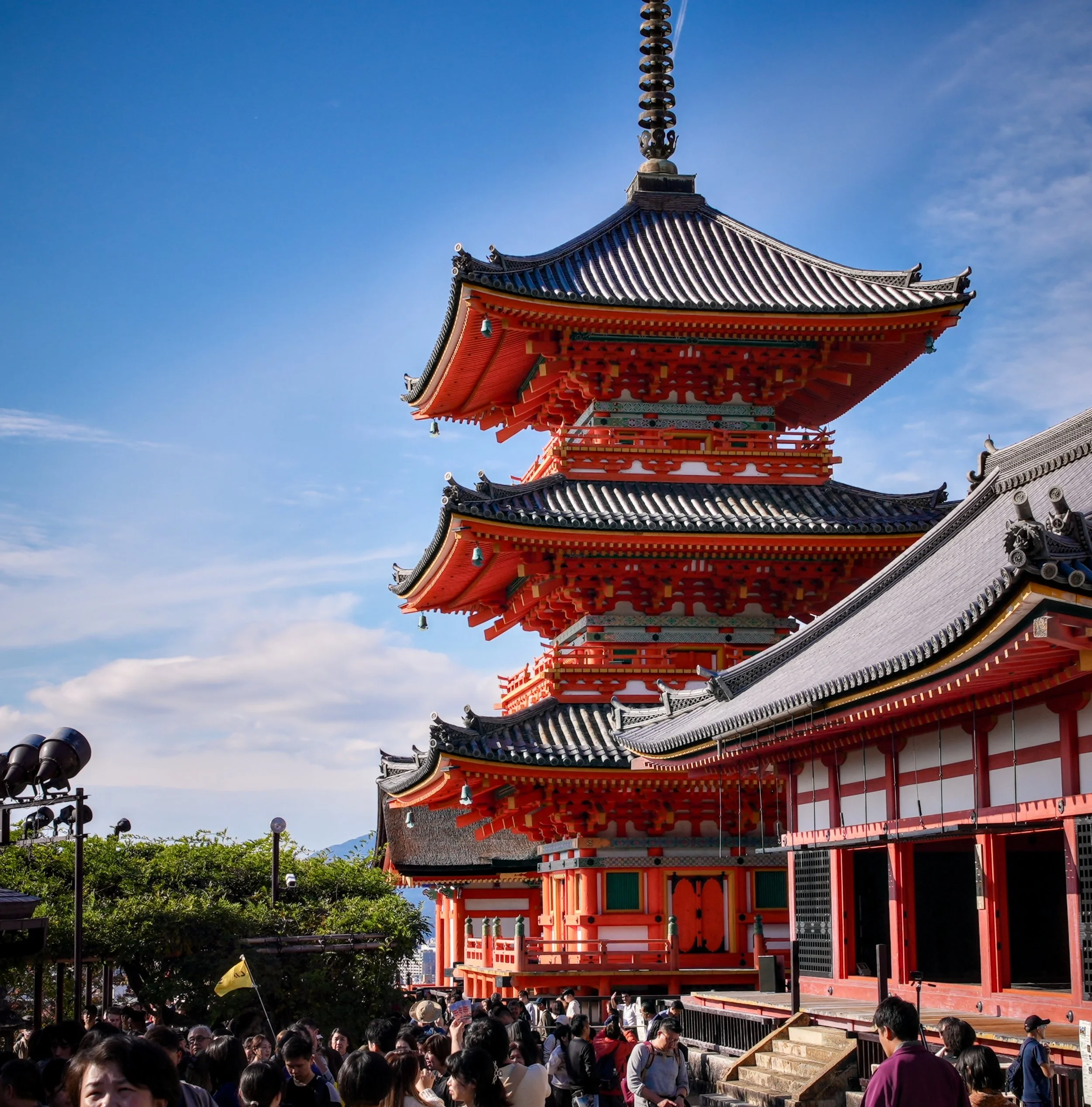
Eastern Kyoto around Gion and Higashiyama delivers the classic image most travelers have in mind: traditional streets, temples, pagodas, teahouses, and historic architecture. Arashiyama offers bamboo groves, mountains, temples, and riverside scenery, while northern Kyoto contains some of the city's most impressive temples.
One of Kyoto's biggest advantages is variety. You can walk through a 1,000-year-old temple in the morning, eat lunch inside a bustling food market, hike through thousands of torii gates in the afternoon, and finish the night wandering lantern-lit streets in Gion.
The downside is popularity. Kyoto can become extremely crowded, particularly around its most famous attractions. Your experience can change dramatically depending on when you visit them.
Quick & Fun Facts
Region: Kansai
Population: About 1.4 million
Currency: Japanese Yen (¥)
Language: Japanese; English is common around major tourist attractions, hotels, and train stations
Best known for: Temples, shrines, traditional neighborhoods, gardens, geisha culture, bamboo forests, and incredible food
Recommended stay: 4–5 days for a first visit
Closest major airports: Kansai International Airport (KIX) and Osaka Itami Airport (ITM)
Best way to get around: Trains, subways, buses, and walking
Kyoto served as Japan's imperial capital for more than 1,000 years, from 794 until the capital moved to Tokyo in 1868. That history is still visible everywhere. Kyoto is home to roughly 2,000 temples and shrines, including some of Japan's most recognizable landmarks.
The city was largely spared from the widespread destruction experienced by many Japanese cities during World War II, which is one reason so much historic architecture remains.
Kyoto is also one of the best places in Japan to experience geiko and maiko culture. In Kyoto, fully trained geisha are traditionally called geiko, while maiko are apprentices.
And despite all the temples, bamboo forests, and postcard-perfect photos, Kyoto isn't a small historic village. It's a modern city of more than a million people — something that surprises many first-time visitors.
Winter: December–February
Winter is underrated.
It can be cold, but crowds are generally lighter outside the New Year holiday period. Accommodation can also be cheaper, and occasionally seeing Kyoto's temples covered in snow is unforgettable.
For travelers who prioritize fewer crowds over perfect weather, winter deserves serious consideration.
Best Time to Visit
Spring: March–May
Spring is one of the most beautiful times to visit Kyoto, especially during cherry blossom season.
Late March through early April is typically the prime period, although exact bloom dates vary every year. Parks, canals, temples, and historic neighborhoods become spectacular — and extremely busy.
Expect some of the year's highest hotel prices and biggest crowds during peak cherry blossom season.
Best for: Cherry blossoms, comfortable temperatures, photography
Downside: Crowds and expensive accommodations
Summer: June–August
Summer is Kyoto's toughest season for sightseeing.
June brings Japan's rainy season, while July and August can be very hot and humid. Because Kyoto sits in a basin surrounded by mountains, the heat can feel especially intense.
July does have one major advantage: Gion Matsuri, one of Japan's most famous festivals.
Best for: Festivals and travelers who don't mind heat
Downside: Heat, humidity, rain, and lots of walking in uncomfortable weather
Fall: October–November
Fall may be the best overall time to visit Kyoto.
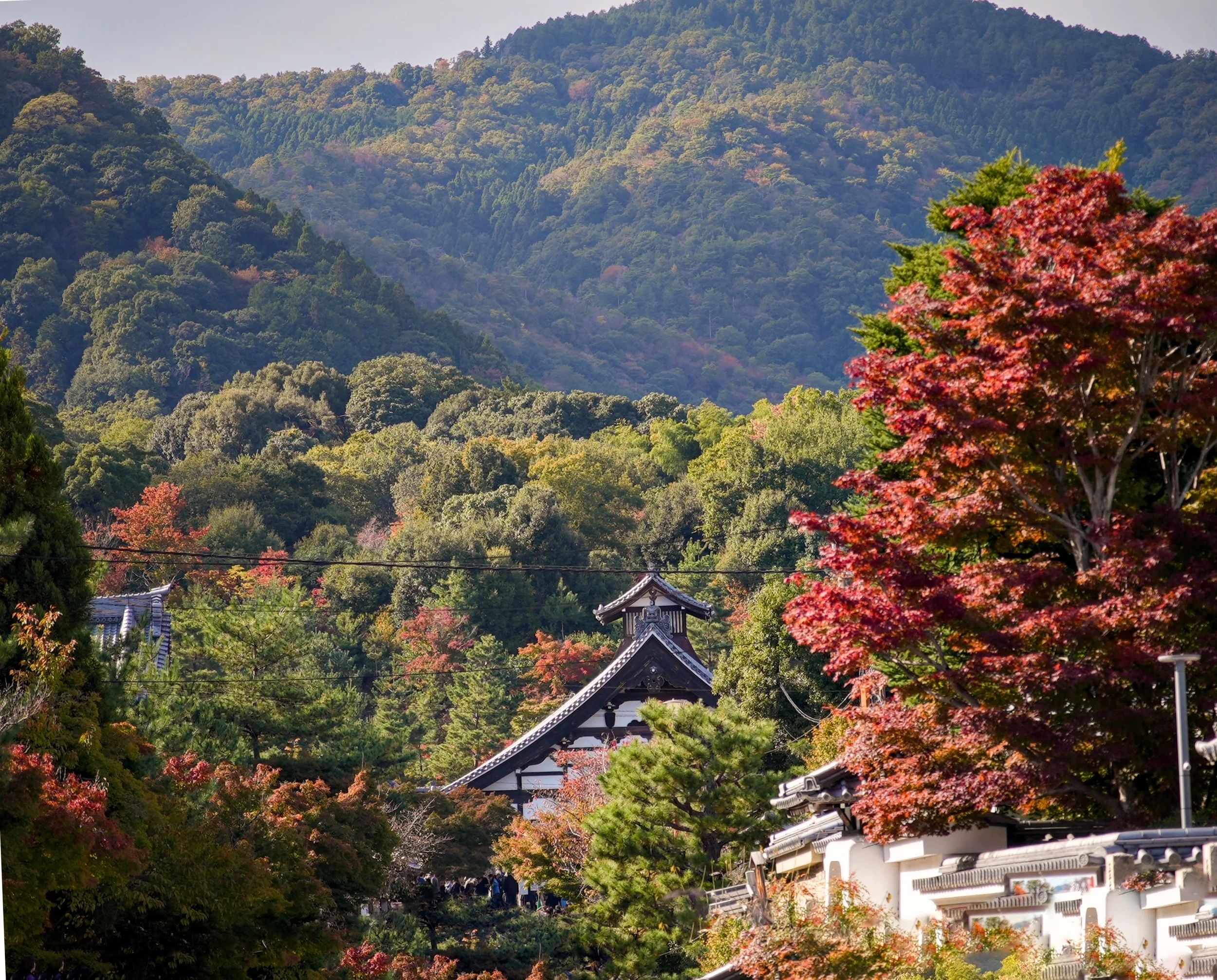
Temperatures become comfortable, humidity drops, and fall colors transform temple gardens and surrounding mountains. Peak foliage usually arrives during November, although timing varies.
Like cherry blossom season, peak autumn foliage brings significant crowds.
Best for: Weather, fall colors, walking and photography
Downside: Higher prices and crowds during peak foliage
Local Foods to Try
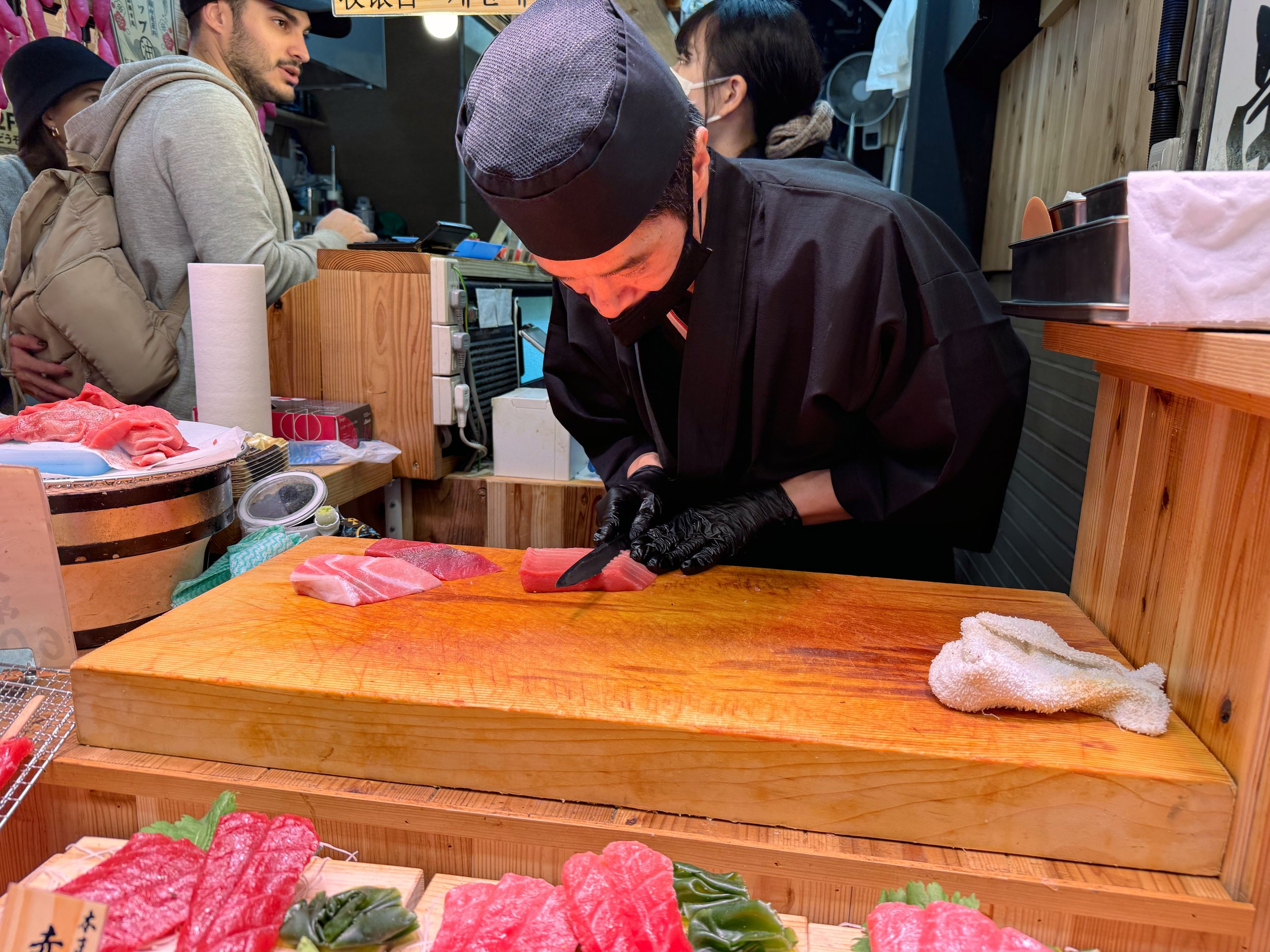
Kyoto cuisine tends to be more delicate and seasonal than the heavier street foods you might associate with Osaka.
Yudofu is one of Kyoto's signature dishes. This simple hot tofu dish is especially associated with Buddhist temple cuisine and is particularly popular around Nanzen-ji.
Yuba, or tofu skin, is another Kyoto specialty. You'll find it served fresh, cooked into other dishes, and incorporated into everything from traditional meals to snacks.
Kyoto-style ramen might sound surprising in a city known for refined cuisine, but Kyoto has an excellent ramen scene. Some versions are considerably richer and heavier than you might expect.
Nishin soba combines buckwheat noodles with sweet-simmered herring and has long been associated with Kyoto.
Kaiseki is the city's famous multi-course dining experience. Meals focus heavily on seasonal ingredients, presentation and traditional preparation. It can be expensive, but Kyoto is arguably the best place in Japan to try it.
Kyoto is also famous for matcha. You'll encounter matcha tea, ice cream, parfaits, cakes, cookies and just about every green dessert imaginable.
Don't overlook Kyoto pickles, or tsukemono, either. You'll see colorful displays throughout Nishiki Market and specialty stores around the city.
Where to Stay
Where you stay in Kyoto can have a surprisingly big impact on your trip because the attractions are spread across the city.
Gion & Southern Higashiyama
Best for first-time visitors and atmosphere
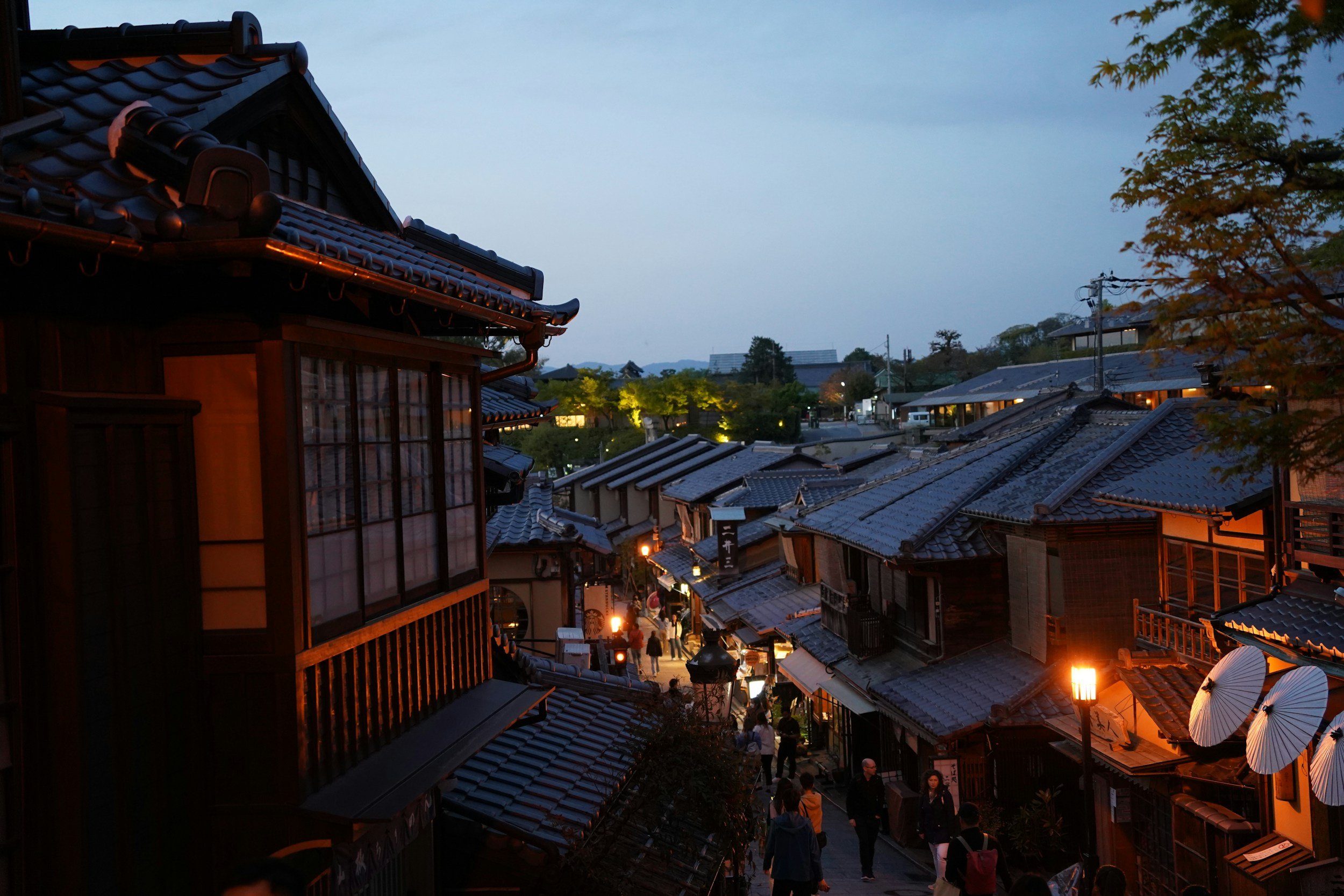
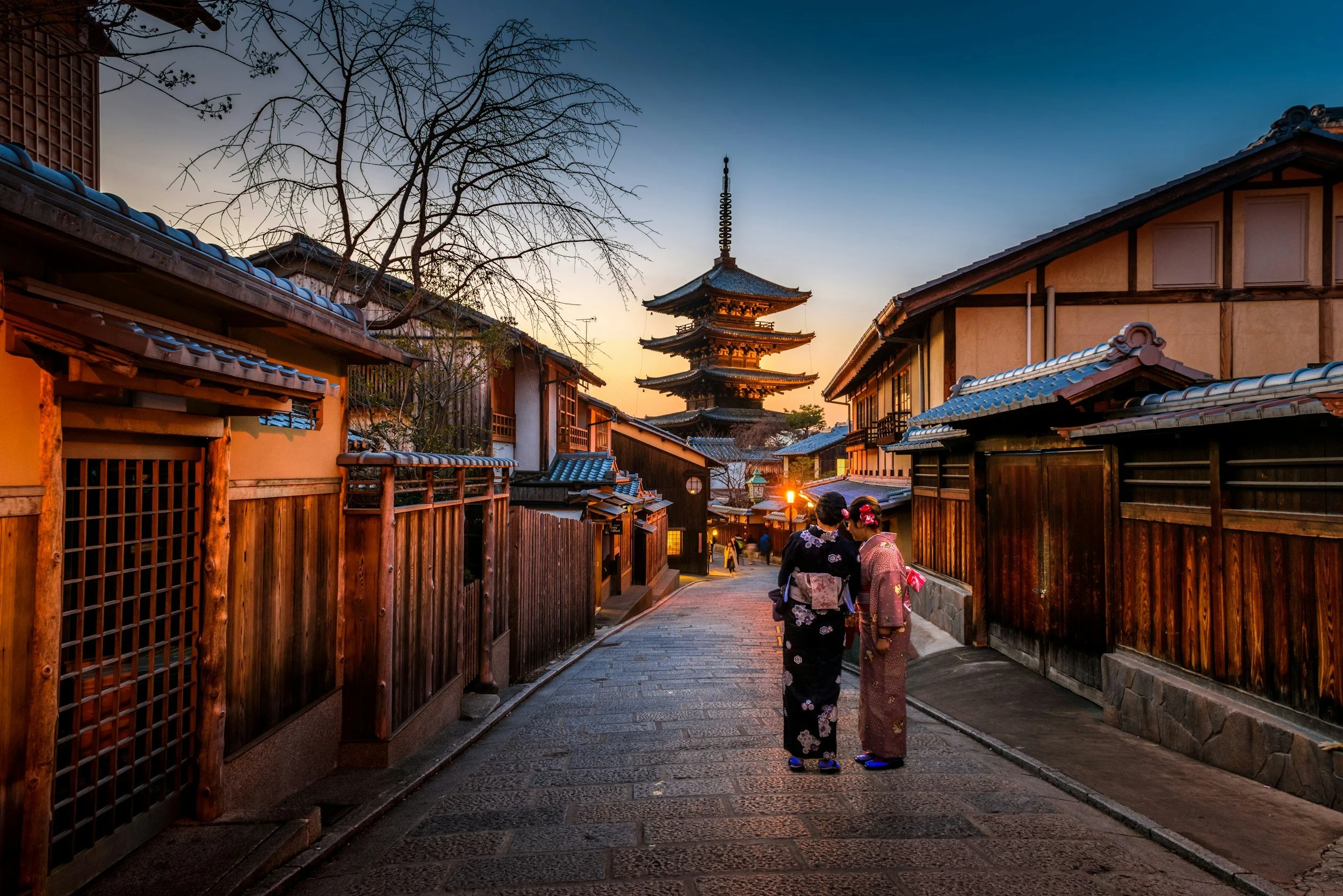
If your dream of Kyoto involves lanterns, traditional wooden buildings, temples, narrow streets, and evening walks, this is probably where you want to stay.
You'll be close to Yasaka Shrine, Kiyomizu-dera, Hanamikoji Street, Maruyama Park and some of Kyoto's prettiest historic streets.
The downside is price. Hotels and traditional accommodations here can be more expensive, and transportation isn't quite as convenient as staying downtown.
Downtown Kyoto
Best overall location
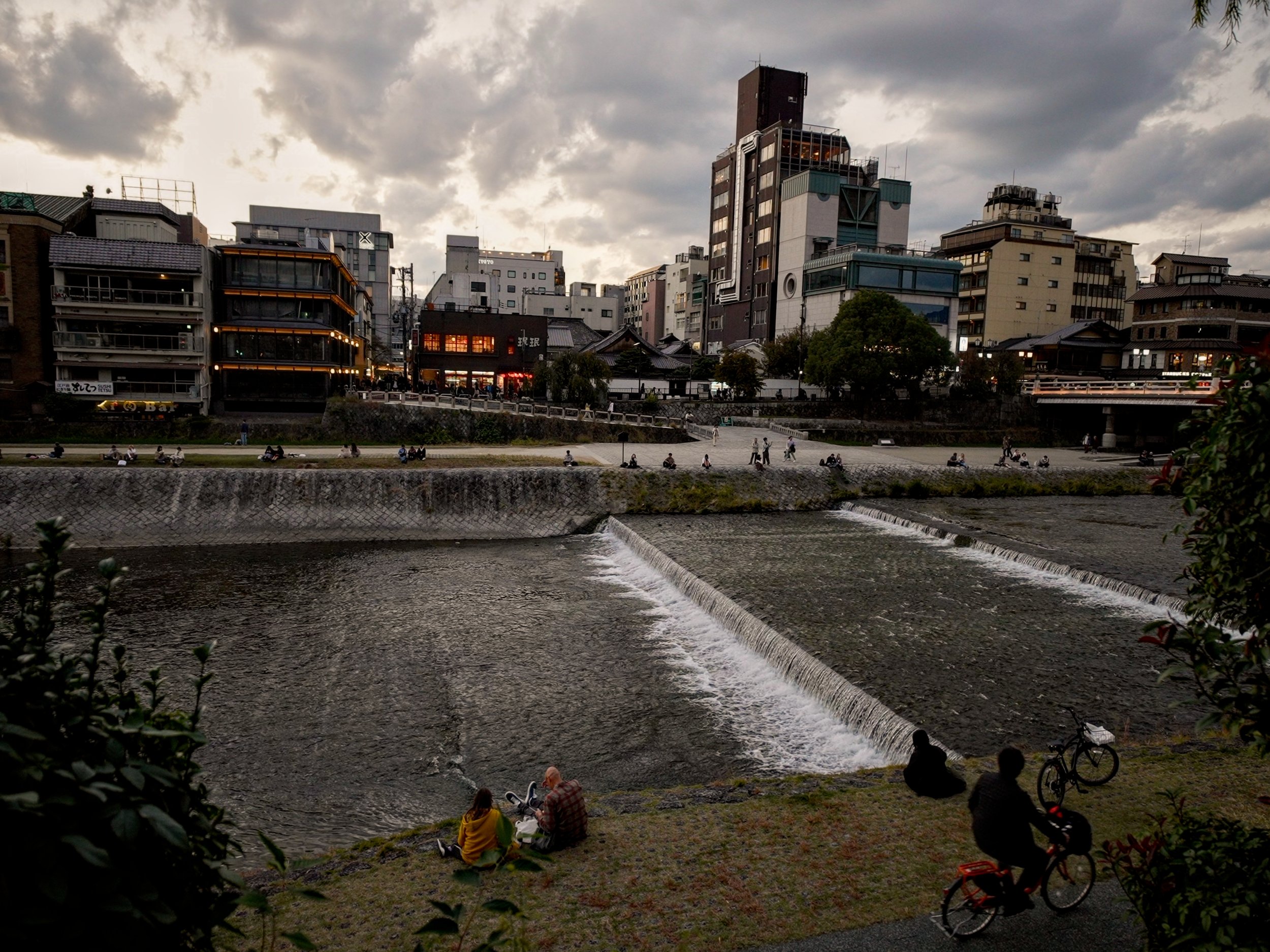
The area around Kawaramachi, Shijo and Karasuma offers one of the best combinations of restaurants, shopping, nightlife and transportation.
You'll be near Nishiki Market, Teramachi and Shinkyogoku shopping streets, with easy access to Gion across the river.
For most travelers who want convenience without sacrificing atmosphere, Downtown Kyoto would be one of our top choices.
Kyoto Station
Best for transportation and day trips
Kyoto Station isn't the most charming part of the city, but it's incredibly convenient.
Stay here if you're planning several day trips to places like Osaka, Nara, Himeji or Hiroshima. You'll also have easy access to the Shinkansen and trains to Kansai International Airport.
There are plenty of restaurants, hotels and shopping nearby.
The tradeoff is simple: convenience over traditional Kyoto atmosphere.
Arashiyama
Best for scenery and a quieter stay
Arashiyama feels almost like a separate destination.
Mountains surround the area, the Katsura River runs through it, and attractions include the famous Bamboo Grove, Tenryu-ji Temple and several beautiful gardens.
It's peaceful in the morning and evening once the day-trip crowds disappear.
However, it's fairly far from many of Kyoto's other major attractions, so we wouldn't recommend staying here for your entire first visit unless you're specifically looking for a slower experience.
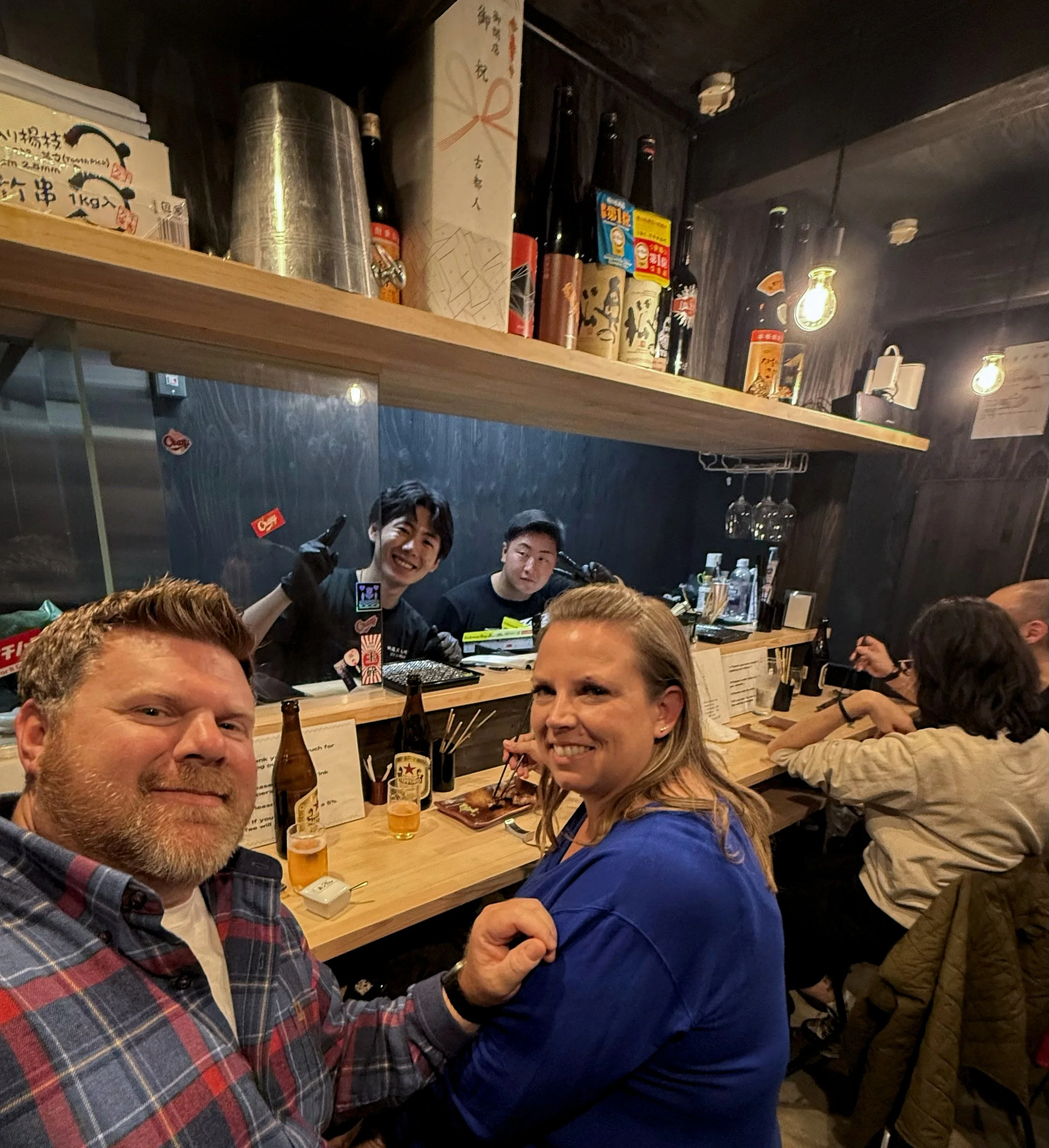
Local Foods to Try
Kyoto cuisine tends to be more delicate and seasonal than the heavier street foods you might associate with Osaka.
Yudofu is one of Kyoto's signature dishes. This simple hot tofu dish is especially associated with Buddhist temple cuisine and is particularly popular around Nanzen-ji.
Yuba, or tofu skin, is another Kyoto specialty. You'll find it served fresh, cooked into other dishes, and incorporated into everything from traditional meals to snacks.
Kyoto-style ramen might sound surprising in a city known for refined cuisine, but Kyoto has an excellent ramen scene. Some versions are considerably richer and heavier than you might expect.
Nishin soba combines buckwheat noodles with sweet-simmered herring and has long been associated with Kyoto.
Kaiseki is the city's famous multi-course dining experience. Meals focus heavily on seasonal ingredients, presentation and traditional preparation. It can be expensive, but Kyoto is arguably the best place in Japan to try it.
Kyoto is also famous for matcha. You'll encounter matcha tea, ice cream, parfaits, cakes, cookies and just about every green dessert imaginable.
Don't overlook Kyoto pickles, or tsukemono, either. You'll see colorful displays throughout Nishiki Market and specialty stores around the city.
Ginkaku-ji — Silver Pavilion
Despite its name, don't expect a silver building.
Ginkaku-ji is known more for its gardens, landscaping and understated Zen atmosphere. Combine it with the Philosopher's Path for an easy half-day itinerary.
Nijo Castle
If you need a break from temples, visit Nijo Castle.
Built in the early 1600s, the complex was associated with the Tokugawa shogunate and is famous for its elaborate interiors and "nightingale floors," designed to squeak when walked upon.
Pontocho Alley
One of Kyoto's best evening areas, Pontocho is a narrow alley running parallel to the Kamo River.
It's packed with restaurants ranging from casual spots to expensive traditional dining establishments. Even if you don't eat here, it's worth walking through after dark.
Things to Do & See
Kyoto has enough temples and shrines to keep you busy for weeks, but unless you're a serious history or architecture enthusiast, trying to see dozens of them will eventually result in temple fatigue.
Instead, pick several of the city's best and mix them with neighborhoods, markets, hikes, gardens and food experiences.
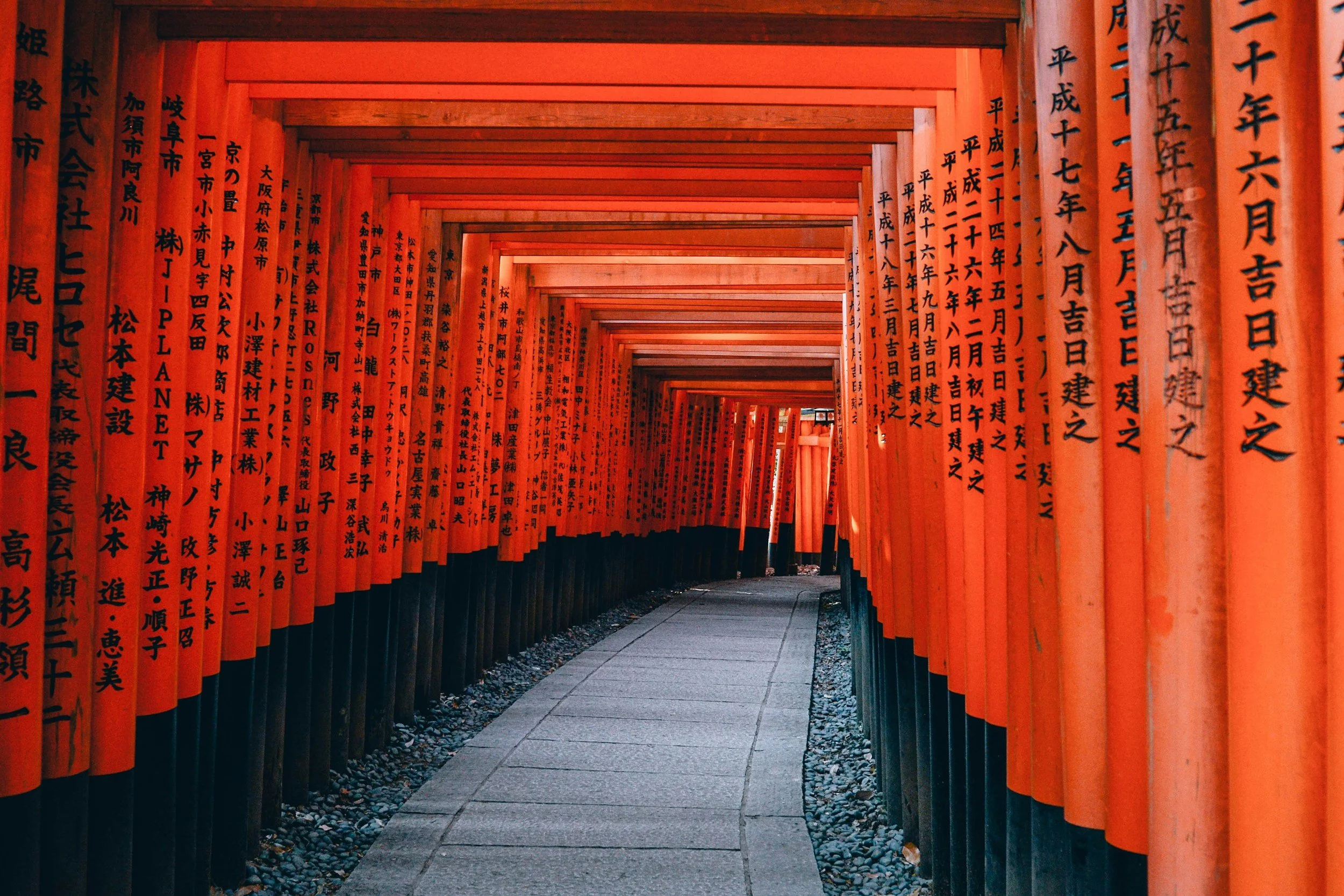
Fushimi Inari Taisha
One of Kyoto's most recognizable attractions, Fushimi Inari is famous for the thousands of bright orange-red torii gatesclimbing Mount Inari.
Most visitors walk through the lower sections and turn around, but you can continue hiking farther up the mountain.
Come very early in the morning or later in the afternoon/evening if you want to avoid the largest crowds.
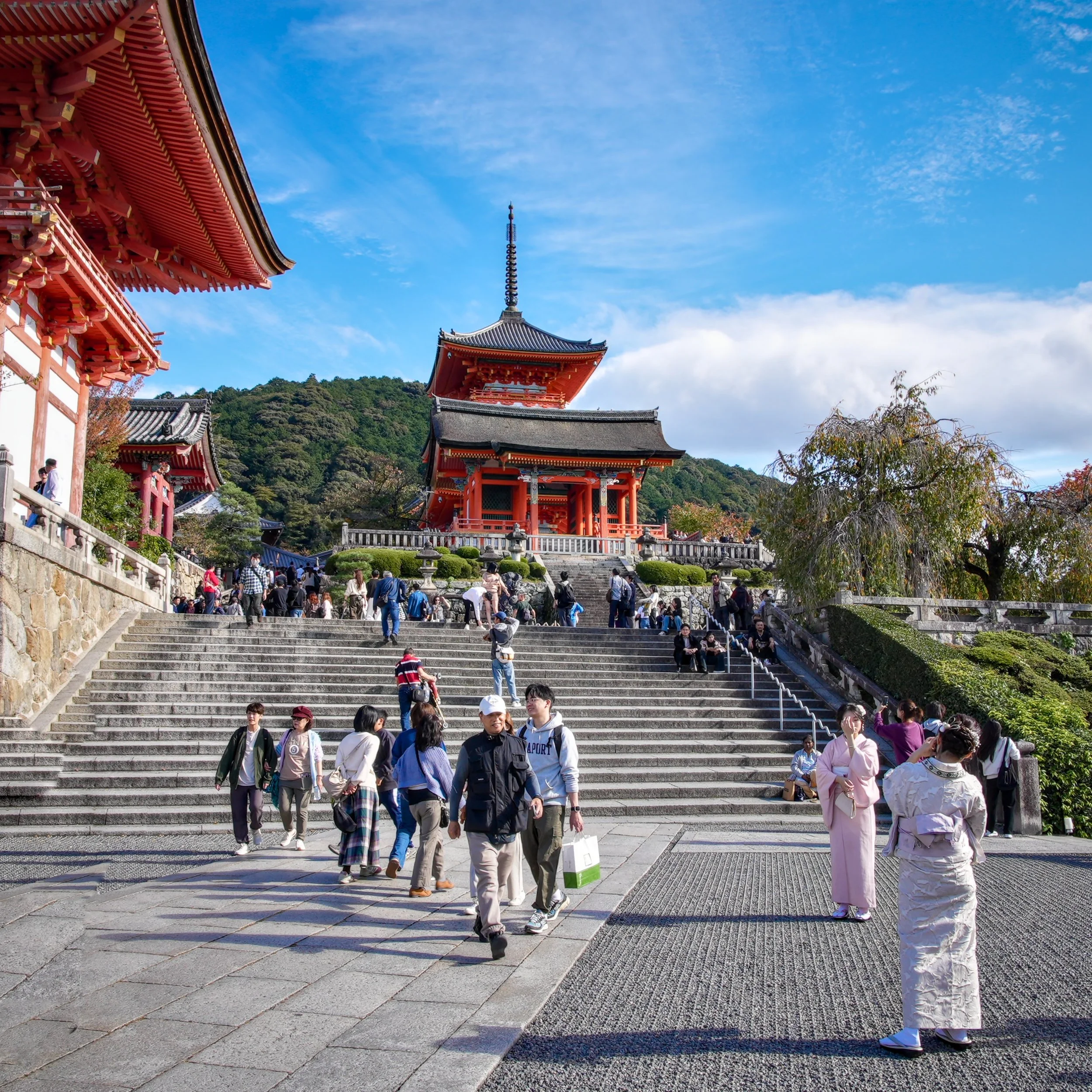
Kiyomizu-dera
This spectacular hillside temple offers sweeping views across Kyoto.
The surrounding Sannenzaka and Ninenzaka streets are almost as much of an attraction as the temple itself, with traditional architecture, shops, cafés and restaurants.
This entire area is one of the best places to experience classic Kyoto.
Gion
Kyoto's most famous geisha district deserves time beyond simply walking down Hanamikoji Street.
Explore the surrounding lanes, Shirakawa area, Yasaka Shrine and nearby streets after sunset when lanterns begin glowing and many day visitors have disappeared.
Remember that Gion is a real neighborhood, not a theme park. Respect private property and never chase or photograph geiko or maiko without permission.
Kinkaku-ji — The Golden Pavilion
Covered in gold leaf and reflected in the surrounding pond, Kinkaku-ji is one of Kyoto's iconic sights.
It's beautiful but extremely popular, and visits tend to be relatively quick because visitors follow a designated route through the grounds.
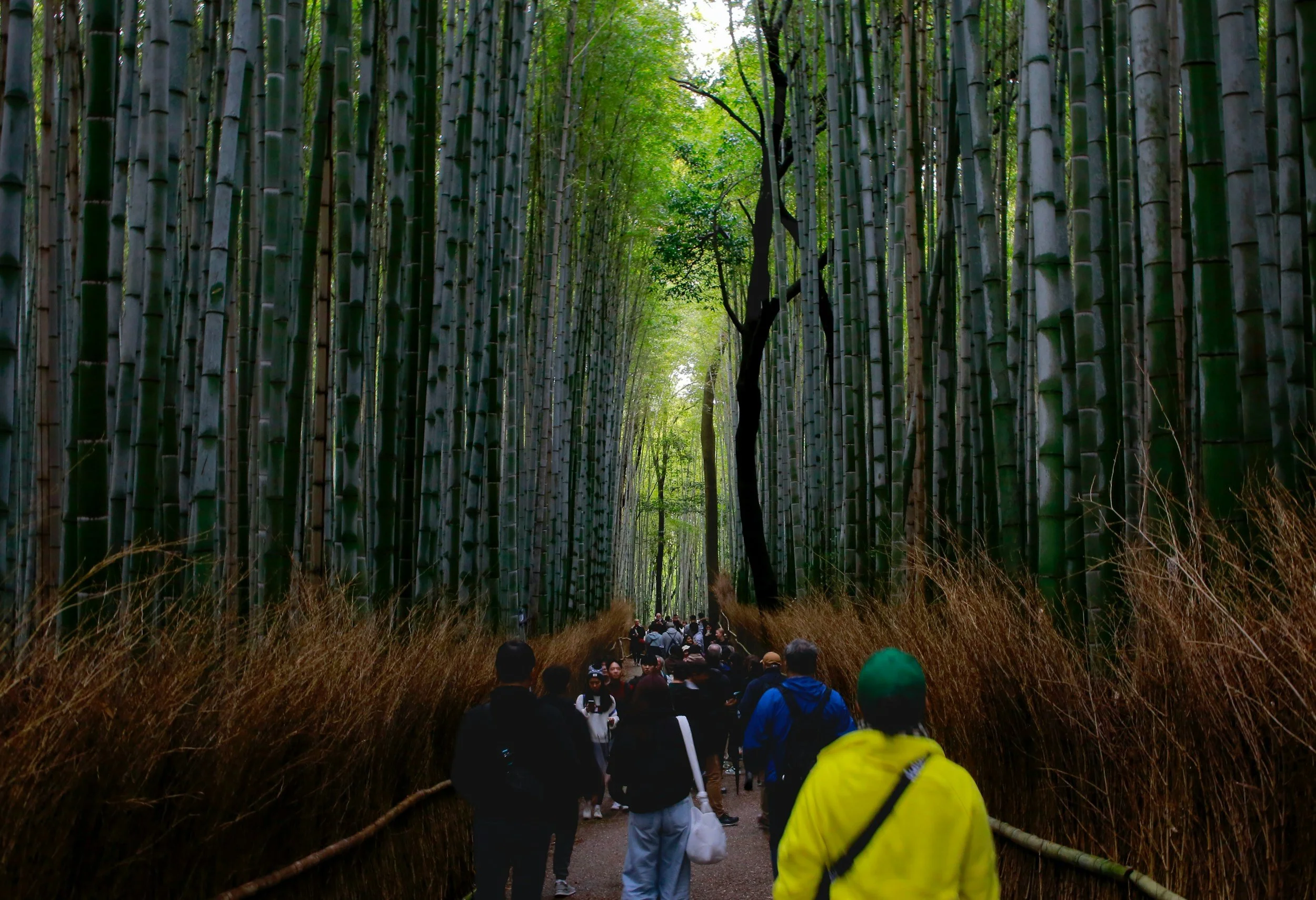
Arashiyama Bamboo Grove
The bamboo forest is beautiful, but expectations matter.
It's smaller than many photographs make it appear and becomes packed with visitors during the middle of the day.
Go early, then explore beyond the bamboo grove. Arashiyama has temples, gardens, mountain scenery and riverside walks that many visitors completely overlook.
Tenryu-ji
Located beside the Bamboo Grove, Tenryu-ji is one of Kyoto's most important Zen temples.
Its garden is particularly impressive and makes an easy combination with an Arashiyama visit.
Nishiki Market
Often called "Kyoto's Kitchen," Nishiki Market is a narrow covered shopping street packed with food vendors, seafood, pickles, sweets, spices and specialty shops.
It's an excellent place to sample several Kyoto foods without committing to a full restaurant meal.
Philosopher's Path
This peaceful walking route follows a canal through northeastern Kyoto and connects several temples.
It's particularly beautiful during cherry blossom season, but it's worth visiting throughout much of the year.
Getting Around
Kyoto's transportation system is good, but it's not as effortless as Tokyo's.
The biggest difference is that Kyoto's subway system is relatively limited. You'll frequently use a combination of trains, subway lines, buses and walking.
JR trains are useful for reaching places like Fushimi Inari and Arashiyama, while private railways including Keihan and Hankyu are extremely useful depending on where you're staying.
Buses reach many attractions that aren't conveniently located near train stations, but they can become packed and slow, especially during peak tourism periods.
Don't automatically assume the bus is your best option just because Google Maps recommends it. Sometimes taking a train and walking an extra 10 minutes is faster and considerably more comfortable.
An IC card such as Suica, PASMO or ICOCA makes transportation much easier. You can tap on and off many trains, subways and buses without purchasing individual tickets.
Kyoto is also extremely walkable within individual neighborhoods. The mistake is assuming you can walk between all of them. Attractions are much more spread out than they appear on a map.
Organize sightseeing geographically rather than bouncing across town.
For example:
Eastern Kyoto: Kiyomizu-dera → Sannenzaka/Ninenzaka → Yasaka Shrine → Gion
Arashiyama: Bamboo Grove → Tenryu-ji → riverfront → surrounding temples
Northern Kyoto: Kinkaku-ji → nearby temples
That simple strategy can save hours of unnecessary transportation.
Common Mistakes to Avoid
Trying to See Every Temple
You don't need to visit 20 temples.
After a while they'll begin blending together. Pick the ones that genuinely interest you and spend the rest of your time exploring neighborhoods, markets, gardens and local restaurants.
Visiting Famous Attractions at Noon
Showing up at Fushimi Inari, the Bamboo Grove or Kiyomizu-dera during peak hours and complaining about crowds is basically Kyoto's version of going to Times Square on New Year's Eve and wondering where everyone came from.
Start early.
Really early.
Underestimating Distances
Kyoto's attractions aren't concentrated into one compact historic center.
Arashiyama, Fushimi Inari, Kinkaku-ji and Higashiyama are in completely different parts of the city. Group attractions by area instead of zigzagging across Kyoto.
Depending Too Much on Buses
Kyoto buses are useful, but they can become crowded and get stuck in traffic.
Whenever possible, compare trains and subway routes before automatically choosing the bus.
Only Visiting the Instagram Locations
The famous places are famous for a reason, but some of Kyoto's best moments happen when you wander away from them.
Explore residential streets, smaller temples, canals, neighborhood restaurants and shopping streets.
Treating Gion Like a Tourist Attraction
People actually live and work here.
Don't enter private streets or properties, block doorways, chase geiko or maiko, or stick cameras in people's faces.
Eating While Walking Everywhere
Japan traditionally has less of an eat-while-walking culture than many Western countries. Some markets and tourist areas have designated places where you're expected to eat what you purchase.
Pay attention to signs and follow the behavior of locals.
Bringing Too Much Luggage
Large suitcases become annoying very quickly on Japanese trains and through busy stations.
Japan's luggage forwarding services are fantastic. If you're traveling between several cities, consider sending larger bags ahead while traveling with a smaller overnight bag.
Safety & Things to Know
Kyoto is an extremely safe destination, including for solo travelers. Violent crime involving tourists is rare, and walking around most areas at night generally feels comfortable.
Normal precautions still apply. Keep track of your belongings in crowded stations, markets and tourist areas, and don't assume that zero risk exists simply because you're in Japan.
Respect Temple & Shrine Etiquette
Temples and shrines are active religious sites.
Watch for signs restricting photography, keep voices down inside sacred areas and don't enter spaces marked as private.
Photography Rules Are Getting Stricter
This is particularly important around Gion.
Overtourism and disrespectful behavior have caused increased restrictions in certain areas. If photography is prohibited, don't assume the rule only applies when someone is watching.
Carry Some Cash
Japan has become dramatically more card-friendly, but smaller restaurants, temples, markets and shops may still prefer or require cash.
Keep some yen with you.
Convenience Stores Are Your Friend
7-Eleven, FamilyMart and Lawson are everywhere and incredibly useful for inexpensive meals, snacks, drinks, ATMs and everyday necessities.
They're also a great way to keep food costs under control in an otherwise increasingly expensive tourist destination.
Trash Cans Can Be Surprisingly Difficult to Find
Public trash cans aren't nearly as common as many visitors expect.
Carry a small bag and be prepared to hold onto your trash until you return to your hotel or find an appropriate bin.
Tipping Isn't Expected
Japan does not have a traditional tipping culture.
Restaurants, taxis and hotels generally don't expect you to add an American-style 15–25% gratuity.
Don't Be Afraid to Get Away From the Crowds
Kyoto's biggest problem isn't Kyoto — it's that millions of visitors tend to visit the exact same handful of places.
Walk a few streets away from the famous attractions, visit lesser-known temples, explore early in the morning, and stay out into the evening.
Do that, and you'll discover a completely different Kyoto.
Kyoto rewards travelers who slow down. Trying to race through every famous attraction turns the city into a checklist. Give yourself time to wander, stop for food, explore streets that aren't on your itinerary, and experience the city between the landmarks. That's where Kyoto really starts to shine.