Fun Facts
London has over 170 museums, many of which are completely free.
The London Underground is the oldest subway system in the world, opening in 1863.
More than 300 languages are spoken across the city, making it one of the world's most multicultural places.
Big Ben is actually the bell, not the famous clock tower itself.
London has over 3,000 parks and green spaces, making nearly half the city surprisingly green.
The city's famous black taxis require drivers to pass "The Knowledge," one of the toughest navigation tests in the world.
London At a Glance, Overview & Vibe
London is one of those rare cities that somehow manages to feel both historic and cutting-edge at the same time. You'll walk past Roman ruins, medieval churches, royal palaces, Victorian pubs, sleek skyscrapers, and world-class restaurants all within the same afternoon. Every neighborhood has its own personality, from the colorful streets of Notting Hill to the financial towers of the City, the trendy cafés of Shoreditch, and the elegant townhouses of Kensington.
Despite being one of the world's largest cities, London rarely feels overwhelming because it's made up of dozens of villages stitched together by an outstanding transportation system. You can spend the morning exploring a royal palace, enjoy afternoon tea overlooking Hyde Park, visit a world-famous museum for free, then end the evening at a West End musical or a cozy neighborhood pub.
For first-time visitors, London offers an incredible balance of iconic landmarks and local experiences. It's easy to see why so many people return again and again—you could spend months here and still discover something new every day.
Quick Facts
Country: England, United Kingdom
Population: Approximately 9 million (Greater London)
Currency: British Pound Sterling (£ / GBP)
Time Zone: Greenwich Mean Time (GMT) / British Summer Time (BST)
Airport: Heathrow (LHR), Gatwick (LGW), Stansted (STN), Luton (LTN), London City (LCY)
Emergency Number: 999
Power PlugType G (230V)
Tipping: Optional (10–12.5% if service charge isn't included)
Best Time to Visit
London is a fantastic year-round destination, but every season offers a different experience.
Spring (March-May) is one of the most beautiful times to visit. Parks explode with flowers, temperatures are comfortable, and tourist crowds haven't yet reached summer levels. Expect highs around 55-65°F (13-18°C).
Summer (June-August) brings the warmest weather and the longest daylight hours, with sunset after 9 PM. Outdoor festivals, rooftop bars, and park picnics are everywhere. It's also the busiest and most expensive season.
Fall (September-November) may be the sweet spot. The weather remains pleasant through much of September, tourist crowds begin to shrink, and London's parks become incredibly colorful.
Winter (December-February) is colder and darker but magical around Christmas. Holiday lights decorate Oxford Street, Hyde Park hosts Winter Wonderland, and cozy pubs become even more inviting. January and February offer some of the cheapest hotel prices of the year.
Best overall months: May, June, September, and early October.
Where to Stay
Choosing the right neighborhood is one of the biggest decisions you'll make when visiting London. The city is enormous, and where you stay will shape your experience far more than the hotel itself.
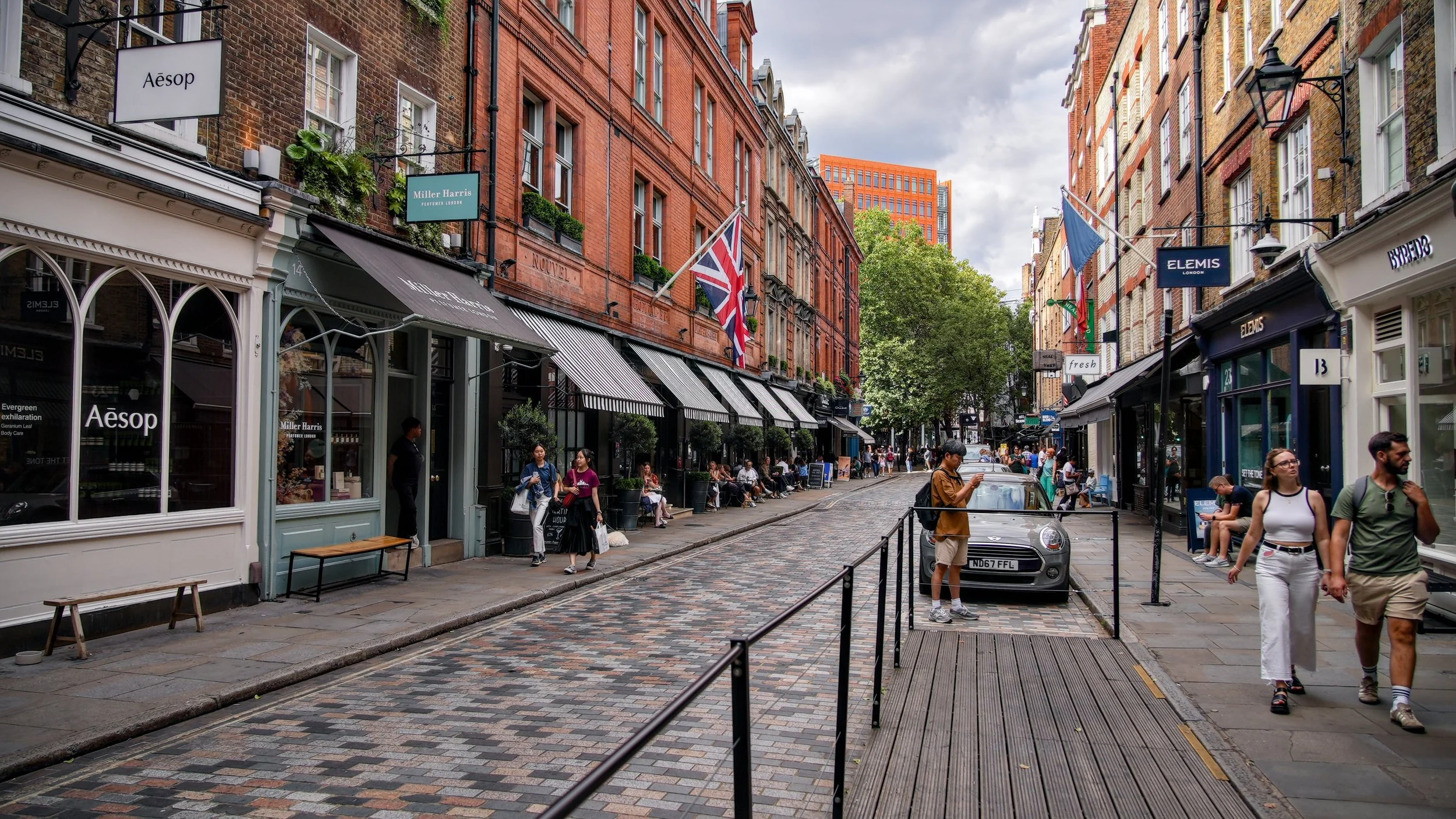
For first-time visitors, Covent Garden is hard to beat. It's centrally located, incredibly walkable, surrounded by theaters, restaurants, shopping, and many of London's biggest attractions. You'll pay a premium, but you'll save valuable sightseeing time.
If you're looking for classic London charm, South Kensington is an excellent choice. This elegant neighborhood is home to beautiful Victorian streets, Hyde Park, several of London's best museums, and excellent Underground connections. It feels upscale without being stuffy.
Travelers wanting easy transportation should consider Westminster or Victoria, both of which provide quick access to major landmarks while making day trips simple.
Those wanting nightlife and trendy restaurants may prefer Soho, although expect higher prices and more late-night activity.
If you'd rather experience London like a local, neighborhoods such as Notting Hill, Marylebone, and Bloomsbury offer beautiful streets, independent cafés, and a more relaxed atmosphere while still being well connected.
Budget travelers can often find better hotel values around Paddington, King's Cross, or South Bank, where transportation remains excellent but prices are generally more reasonable.
Things to Do & See
London is packed with world-famous attractions, but the city's real magic comes from mixing iconic sights with neighborhood exploration.
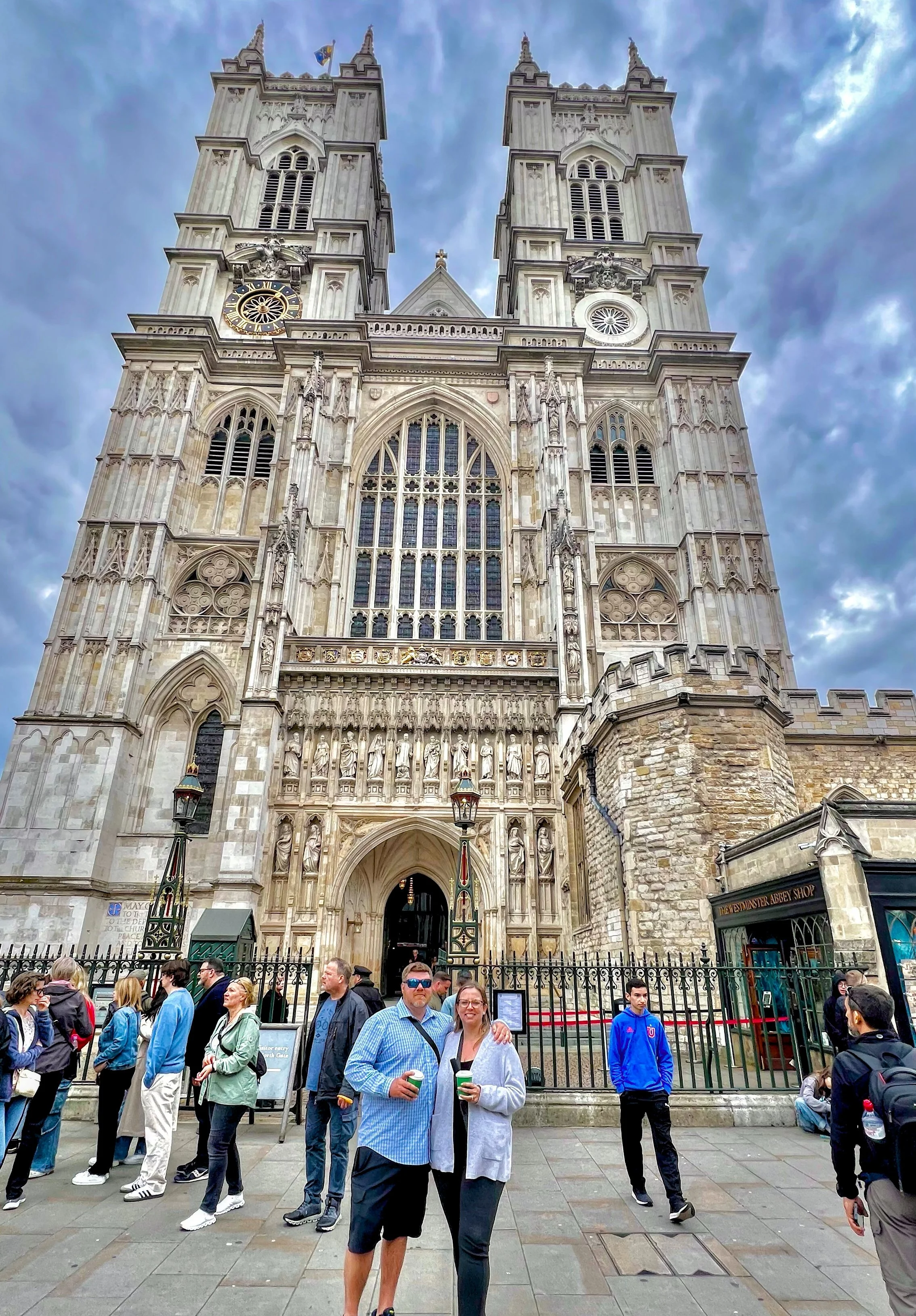
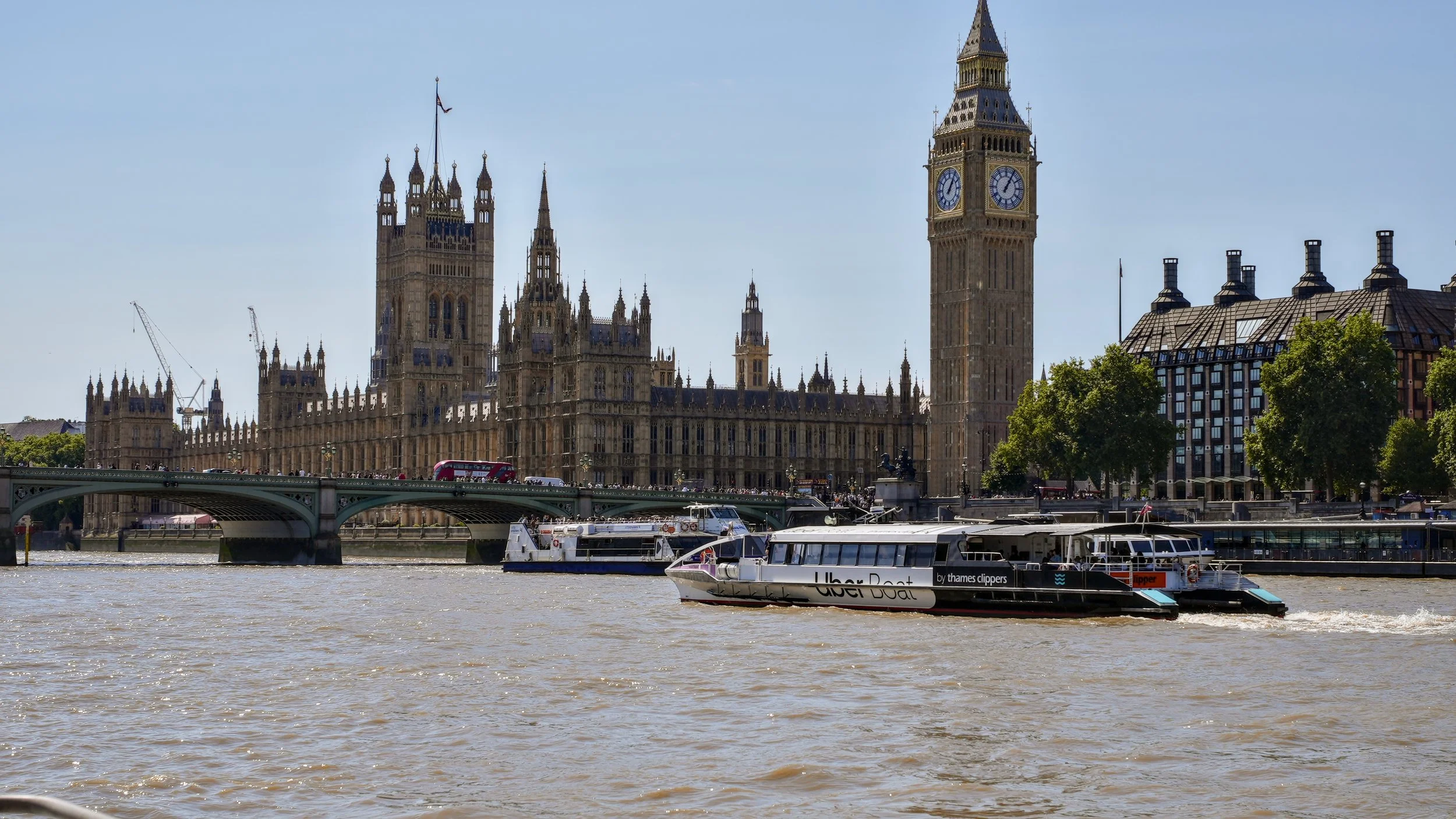
Start with the essentials: Buckingham Palace, Westminster Abbey, Big Ben, the Houses of Parliament, and Tower Bridge. Seeing these landmarks in person never gets old, even if you've seen them countless times in movies.
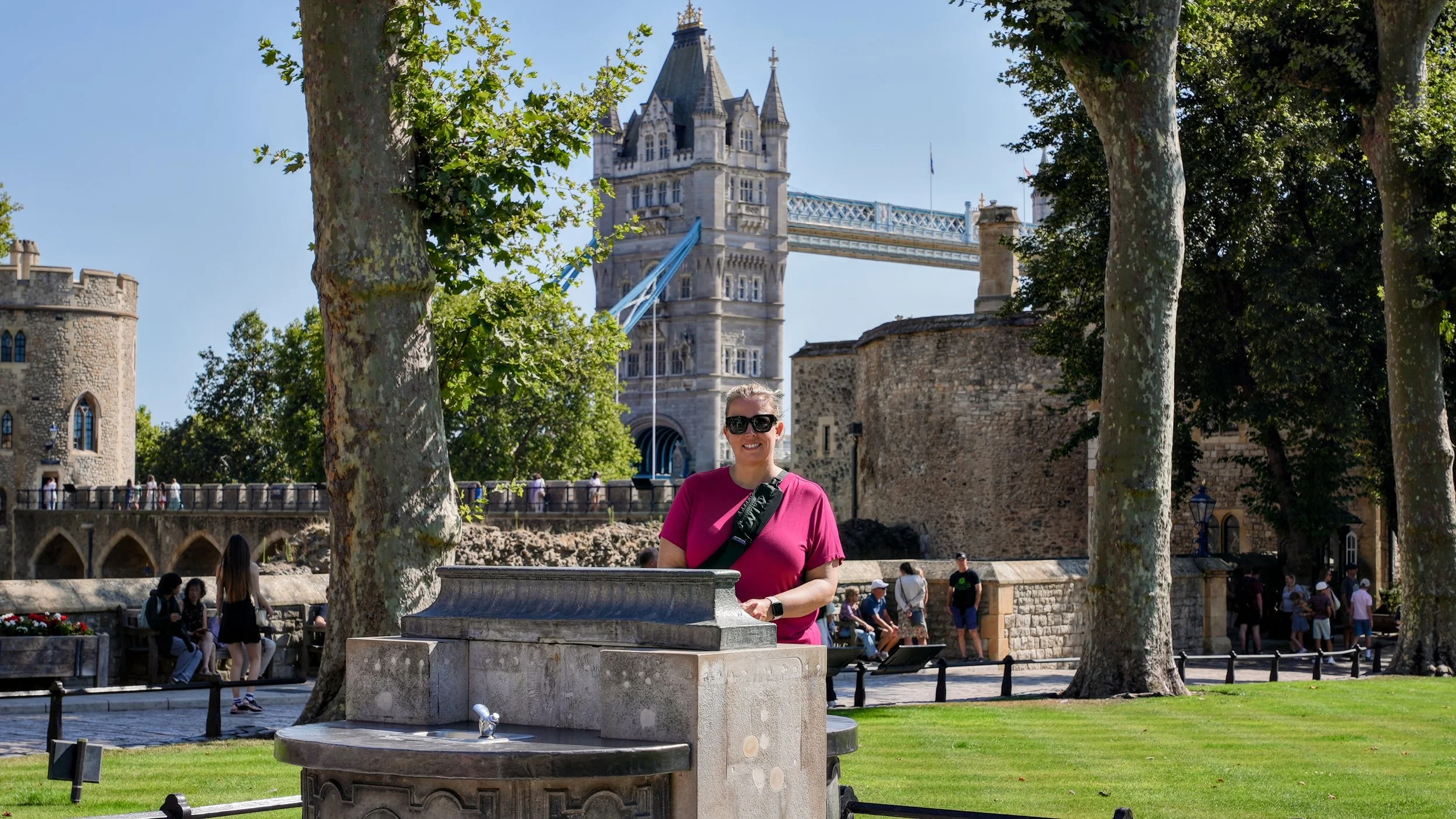
Visit the Tower of London, where nearly 1,000 years of royal history come alive alongside the Crown Jewels. Nearby, walk across Tower Bridge for incredible views of the Thames.
Museum lovers are spoiled for choice. The British Museum, Natural History Museum, Science Museum, National Gallery, and Tate Modern all offer free admission and easily rank among the world's finest museums.
Take a ride on the London Eye near sunset for panoramic city views, then stroll along the South Bank where street performers, food markets, and riverside pubs create one of London's liveliest atmospheres.
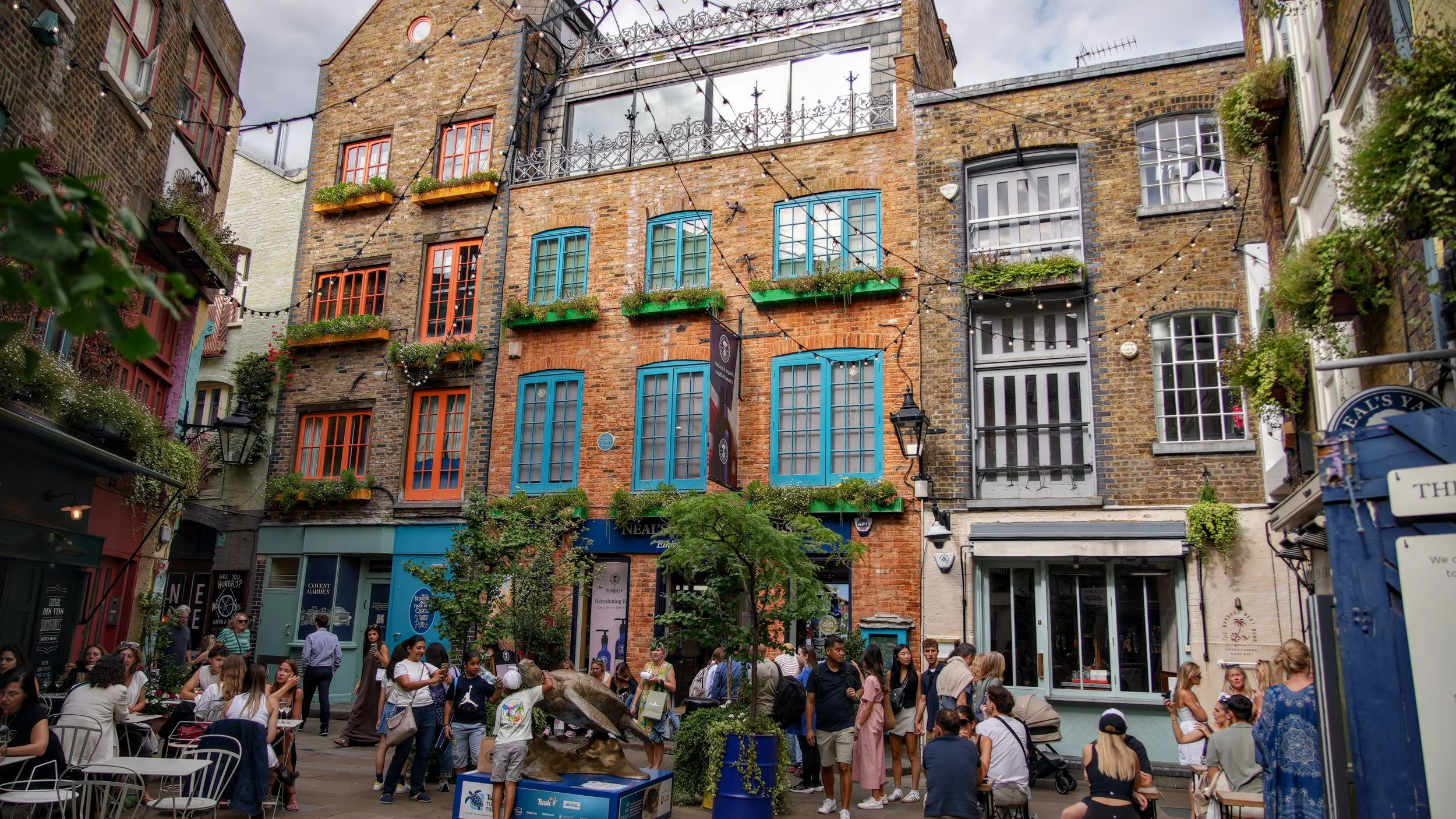
Explore Covent Garden, browse Borough Market, shop along Oxford Street or Regent Street, wander through Notting Hill, or enjoy an afternoon in Hyde Park.
If time allows, catch a West End musical, enjoy traditional afternoon tea, tour St. Paul's Cathedral, climb The Shard, or watch the Changing of the Guard at Buckingham Palace.
Local Foods to Try
London's food scene has evolved into one of the most exciting in Europe. While traditional British cuisine remains popular, you'll also find outstanding international food from nearly every corner of the globe.
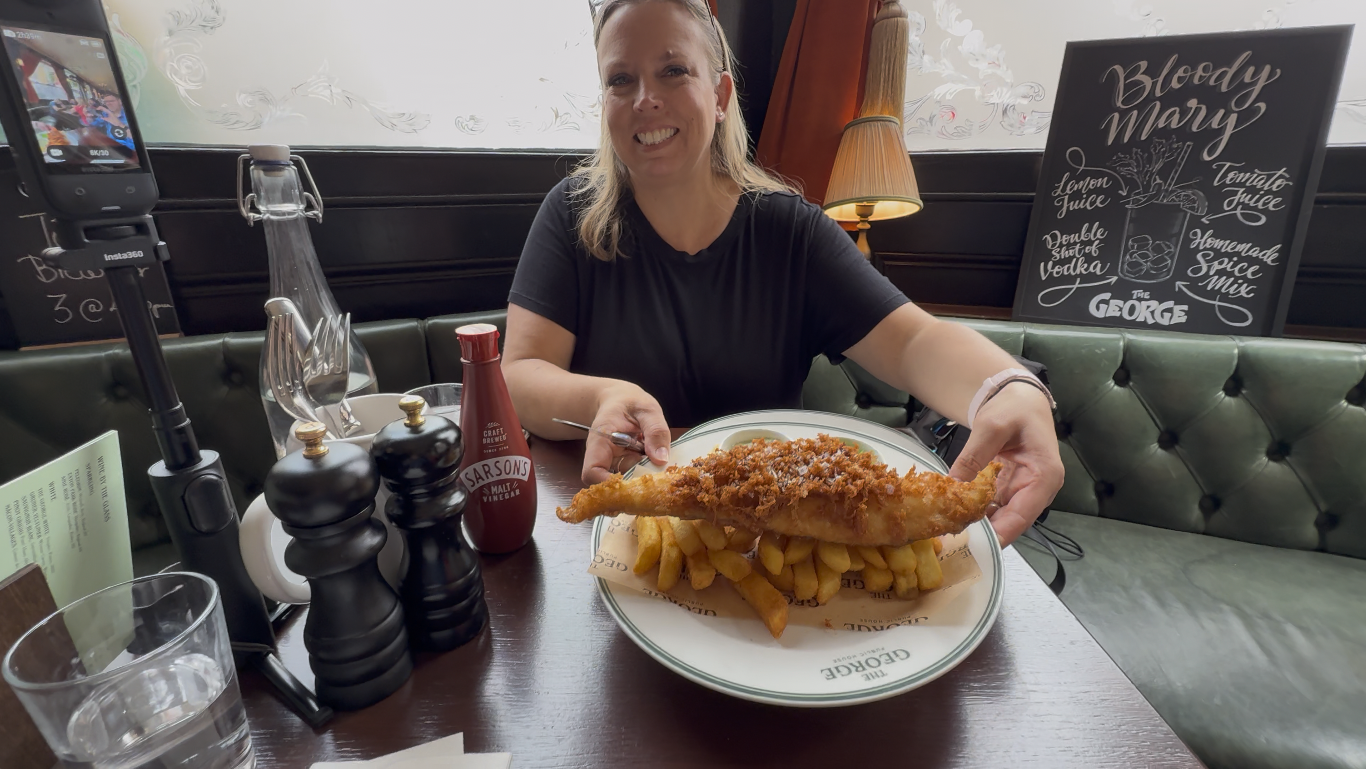
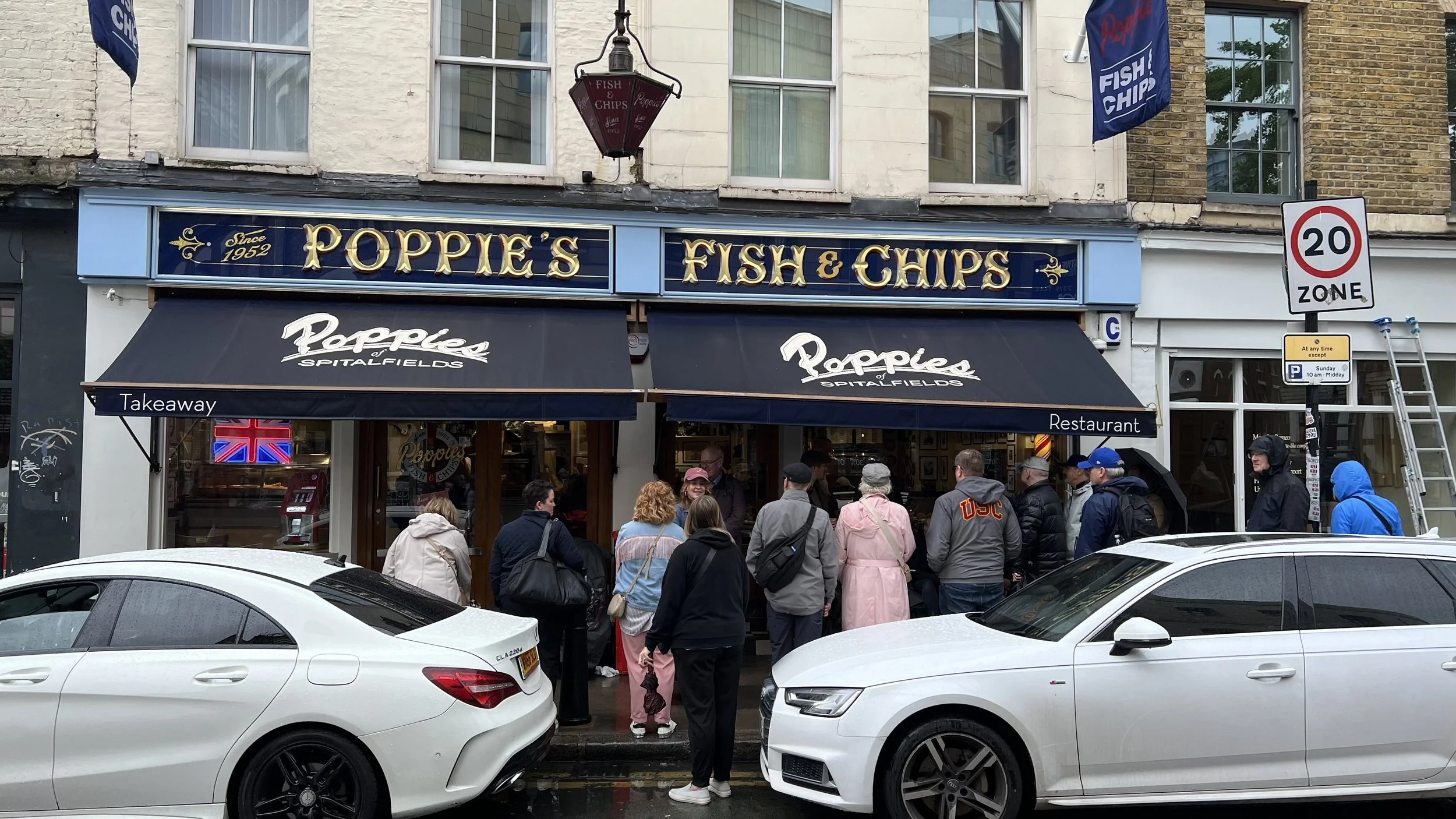
The classic Fish & Chips remains a must-try, especially when served fresh with mushy peas and malt vinegar.
A traditional Sunday Roast is practically a British institution. Expect roasted meat, Yorkshire pudding, crispy potatoes, vegetables, and rich gravy served in cozy pubs throughout the city.
Don't leave without trying a proper Full English Breakfast, featuring eggs, bacon, sausage, beans, mushrooms, tomatoes, toast, and black pudding if you're feeling adventurous.
Other local favorites include:
Beef Wellington
Steak & Ale Pie
Bangers and Mash
Scotch Eggs
Sticky Toffee Pudding
Fish N Chips
Eton Mess
Victoria Sponge Cake
And of course, afternoon tea remains one of London's signature experiences, complete with finger sandwiches, fresh scones, pastries, and excellent tea.
Where to Eat
London's restaurant scene reflects its incredible diversity. Some of the city's best meals aren't necessarily found in expensive restaurants—they're tucked away inside neighborhood pubs, food halls, or small family-run establishments.
For traditional British pub food, you'll find excellent options throughout Westminster, Kensington, and Covent Garden. These pubs serve hearty classics in buildings that are often hundreds of years old.
If you're a foodie, Borough Market should be near the top of your list. You can sample everything from artisan cheeses and fresh oysters to international street food and gourmet desserts all in one afternoon.
For international cuisine, London truly shines. Brick Lane is famous for outstanding Indian and Bangladeshi food, Chinatown offers excellent Chinese restaurants, Soho delivers nearly every cuisine imaginable, while Shoreditch continues to lead the city's modern dining scene with creative chefs and trendy cafés.
Those looking for a memorable splurge can enjoy Michelin-starred restaurants or skyline dining at places overlooking the Thames, while budget travelers will find excellent meals at local pubs, food markets, and neighborhood cafés without spending a fortune.
Getting Around
London has one of the best public transportation systems anywhere in the world.
The London Underground (Tube) is the fastest way to travel between neighborhoods. Trains are frequent, stations are well-marked, and nearly every major attraction is within walking distance of a station.
The easiest way to pay is by simply tapping your contactless credit card, Apple Pay, or Google Pay. Daily fare caps mean you'll never pay more than the maximum daily rate, making Oyster cards unnecessary for most visitors.
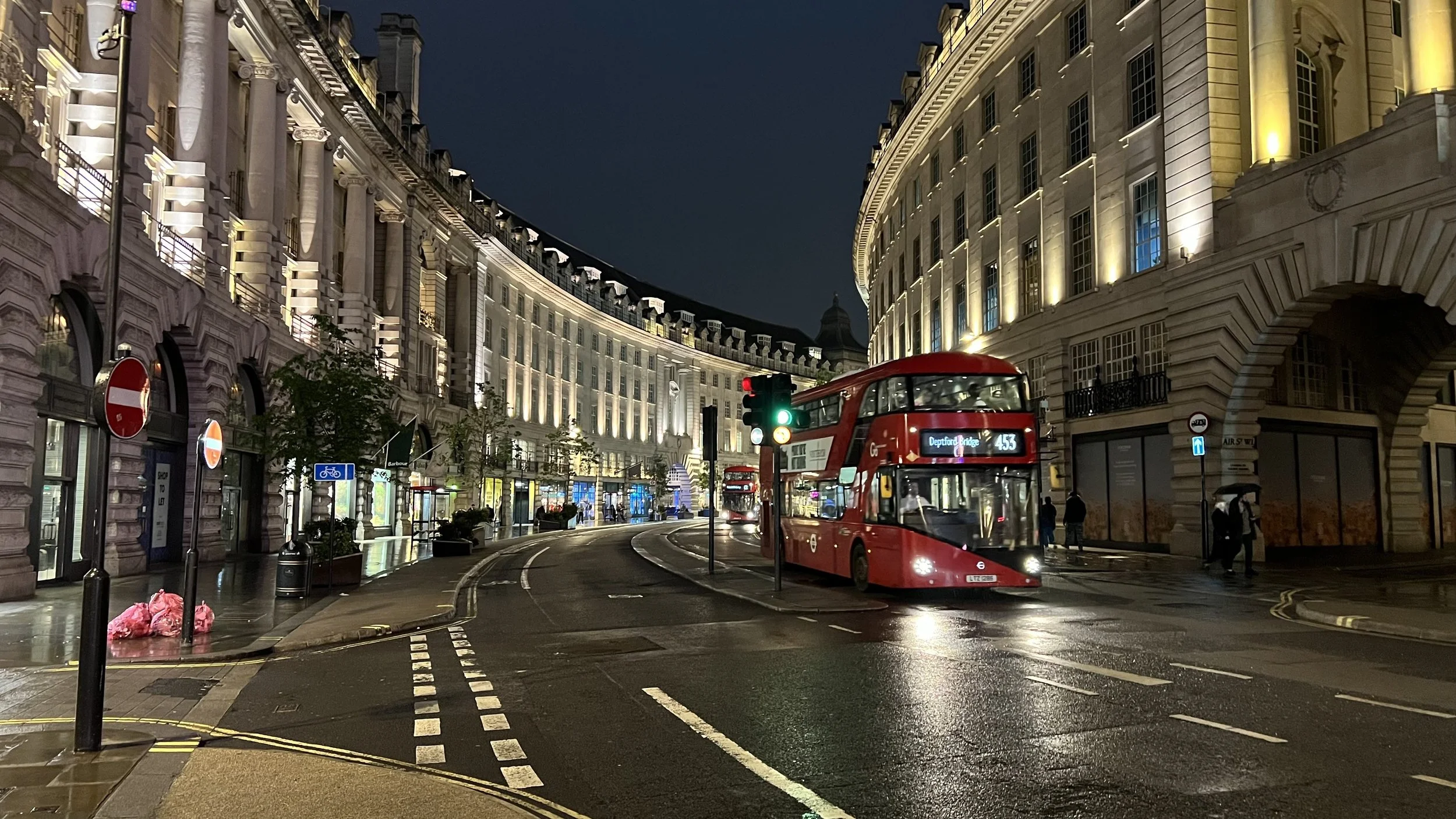
London's iconic red buses are slower but offer fantastic sightseeing opportunities above ground, especially on routes through central London.
Walking is often the best way to experience neighborhoods like Covent Garden, Westminster, South Bank, and Notting Hill. Many famous attractions are surprisingly close together.
Black cabs are comfortable but expensive. Uber is widely available and usually more affordable.
Avoid renting a car. Between congestion charges, parking costs, traffic, and excellent public transportation, driving simply isn't worth the hassle for most visitors.
Best Day Trips
London serves as an excellent base for exploring southern England.
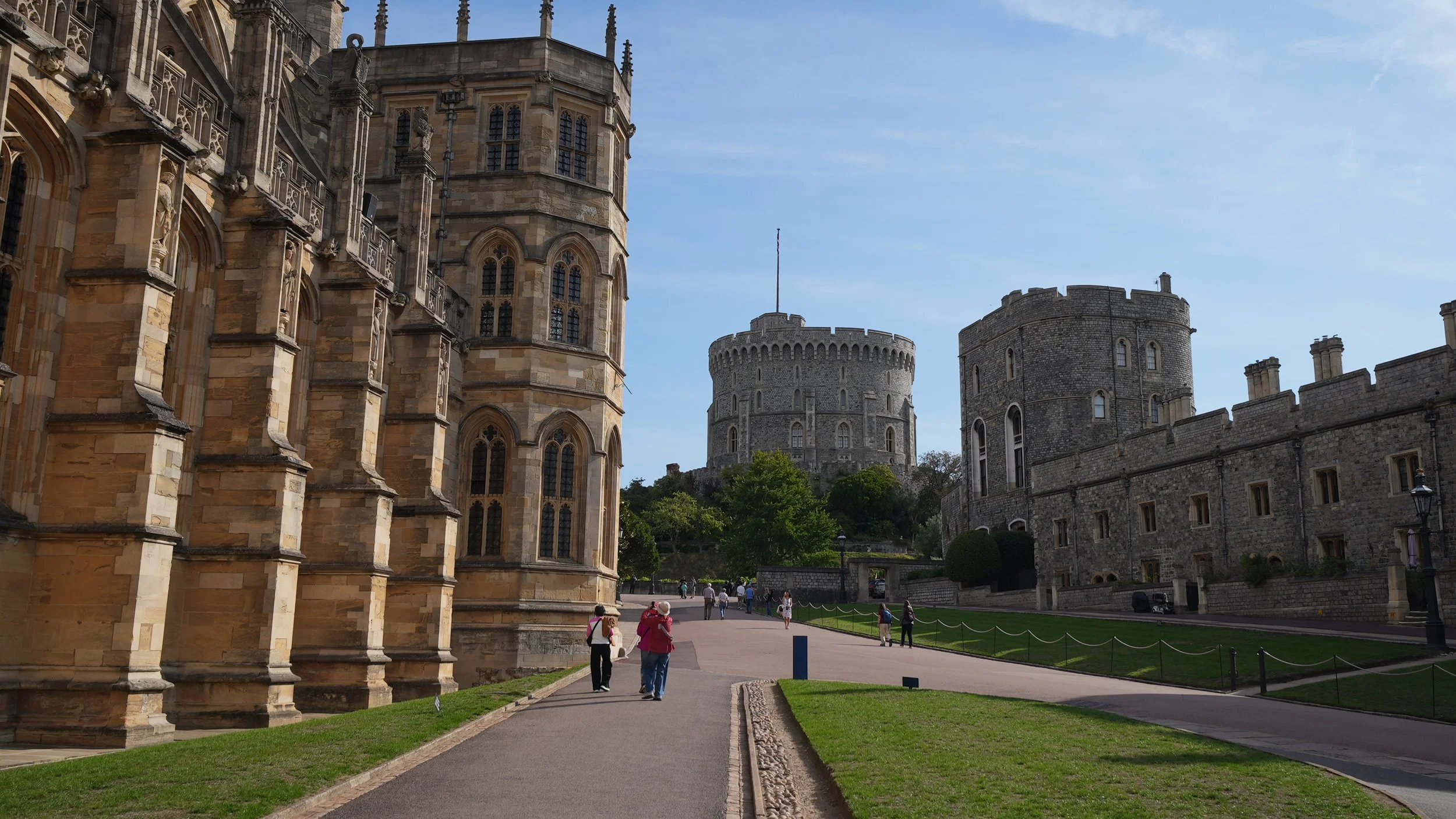
Windsor is the easiest day trip, home to Windsor Castle, one of the King's official residences.
Oxford offers centuries of academic history, stunning architecture, and the famous university that inspired countless films and books.
Cambridge provides another beautiful university town with punting along the River Cam and picturesque colleges.
History lovers should visit Stonehenge, often combined with nearby Bath, where Roman baths and Georgian architecture make for an unforgettable day.
If you love dramatic coastlines, Seven Sisters Cliffs provide some of England's most spectacular scenery.
Harry Potter fans won't want to miss the Warner Bros. Studio Tour, where you'll walk through actual movie sets and see countless original props from the films.
Common Mistakes to Avoid
Many first-time visitors make the mistake of trying to see everything in just a few days. London deserves a slower pace. Focus on one or two neighborhoods each day rather than racing across the city.
Don't stay too far outside central London simply to save money. Cheaper hotels can quickly become more expensive once you factor in transportation costs and lost sightseeing time.
Many visitors underestimate how much walking they'll do. Comfortable shoes are absolutely essential.
Avoid eating at restaurants directly beside major tourist attractions. Walk just a few streets away and you'll usually find much better food at lower prices.
Don't stand on the left side of escalators in Underground stations. Londoners take this rule very seriously—stand on the right, walk on the left.
Finally, don't spend your entire trip checking landmarks off a list. Some of London's best memories come from wandering quiet streets, relaxing in neighborhood pubs, or exploring parks that weren't even on your itinerary.
Safety & Things to Know
London is generally a very safe city for tourists.
The biggest concern is pickpocketing in crowded areas such as Oxford Street, Covent Garden, Leicester Square, Camden Market, and busy Tube stations. Keep your valuables secure, especially during rush hour.
Be aware of cyclists when crossing streets, and always remember that traffic drives on the left.
Weather changes quickly, even during summer, so carrying a lightweight rain jacket or compact umbrella is always a smart idea.
Most restaurants include a discretionary 12.5% service charge on the bill. If it's already included, additional tipping isn't expected.
Public restrooms often require a small fee, so carrying a few coins can be helpful.
Finally, always look both ways before crossing the street—even London's crosswalks often remind visitors which direction traffic is coming from.
Visa & Entry Requirements
Visitors from the United States, Canada, Australia, New Zealand, and many European countries can typically enter the United Kingdom for tourism without obtaining a traditional visa for short stays.
However, many visa-exempt travelers are now required to obtain an Electronic Travel Authorization (ETA) before traveling to the UK. This authorization is completed online before departure and is linked electronically to your passport.
Your passport should generally remain valid for the duration of your stay, although many travelers prefer having at least six months of remaining validity as a precaution.
Always verify the latest entry requirements before booking flights, as visa policies and ETA eligibility can change. The official UK government website provides the most up-to-date information.
For most tourists, entering London is straightforward—have your passport, return or onward travel plans, and accommodation information readily available in case immigration officers request them.