At a Glance
Munich is often described as Germany's most livable city, and after spending time here it's easy to understand why. It perfectly blends old-world Bavarian charm with modern sophistication. One moment you're standing in a medieval square surrounded by centuries-old buildings, and ten minutes later you're shopping on one of Europe's premier luxury streets or relaxing in one of the world's largest urban parks.
Unlike Berlin, which feels edgy and artistic, or Frankfurt, which feels corporate, Munich feels polished, wealthy, and remarkably clean. The city moves at a slower pace than many European capitals while still offering world-class museums, incredible restaurants, vibrant nightlife, and easy access to the Bavarian Alps.
It's also one of the safest and easiest cities in Europe for first-time international travelers.
Quick Facts
Country: Germany
State: Bavaria (Bayern)
Population: Approximately 1.6 million (metro area over 6 million)
Language: German (English is widely spoken in tourist areas)
Currency: Euro (€)
Time Zone: Central European Time (CET) / Central European Summer Time (CEST)
Airport: Munich International Airport (MUC)
Best For: Beer gardens, history, architecture, Christmas markets, Oktoberfest, castles, day trips, food lovers
Recommended Stay: 3-5 days
Walking Friendly: Excellent
Public Transportation: Outstanding
Fun Facts
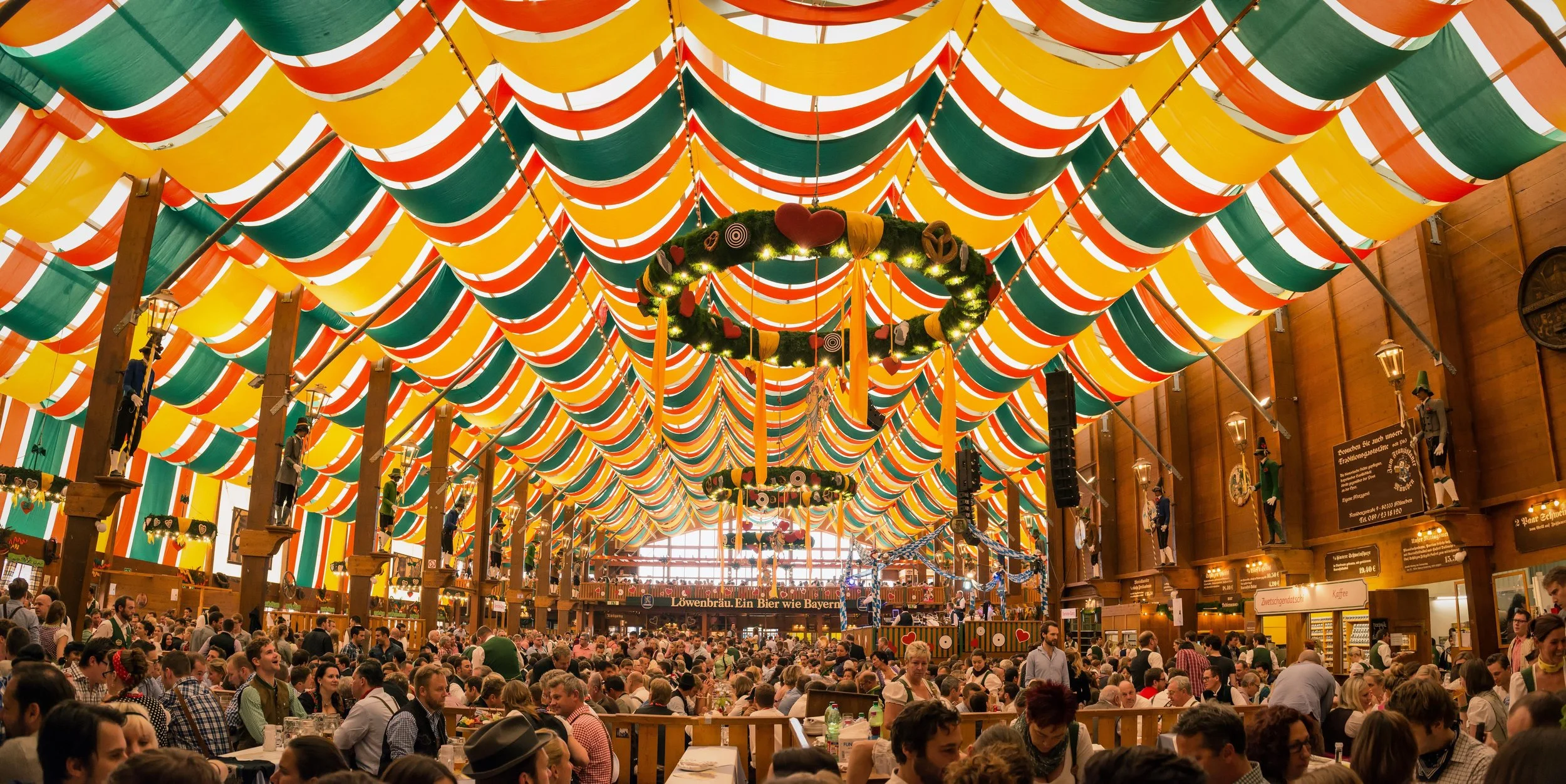
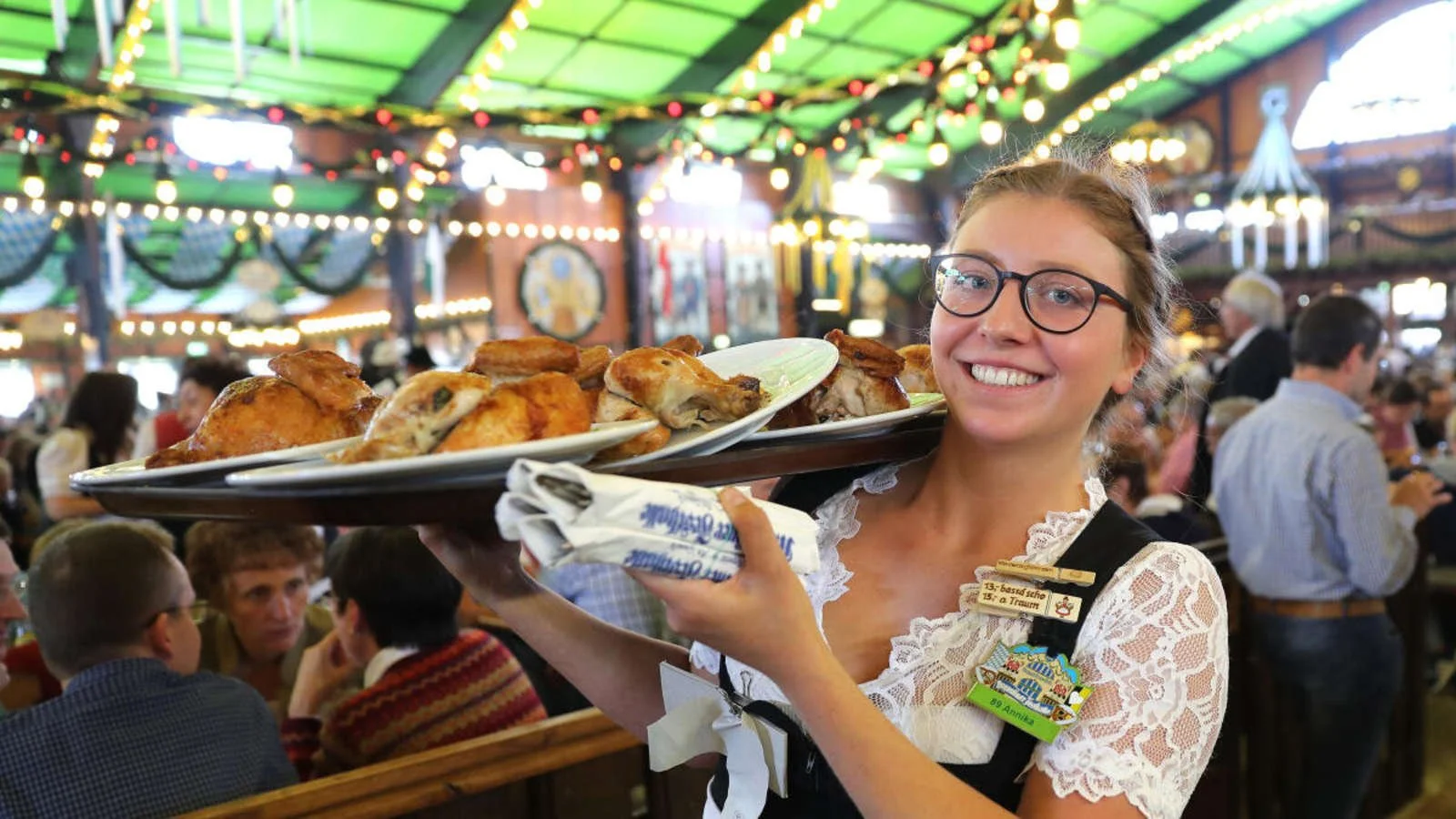
-Munich is home to the world-famous Oktoberfest, but surprisingly the festival actually begins in September. More than six million visitors attend every year, consuming millions of liters of beer over just a few weeks.
-The city is also where BMW has its global headquarters, and both the impressive BMW Museum and BMW Welt are free or inexpensive attractions that even non-car enthusiasts tend to enjoy.
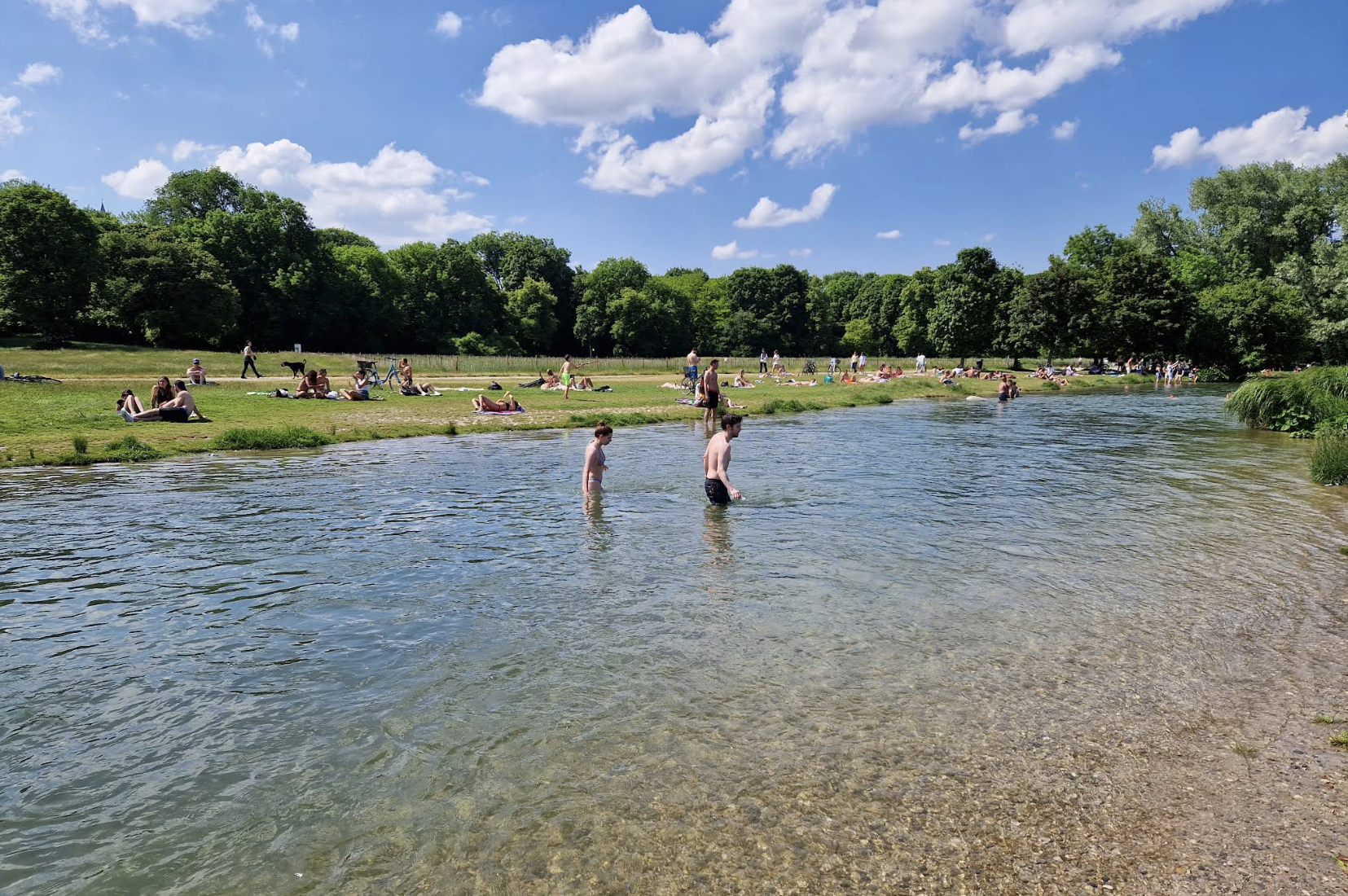
-Munich's English Garden is one of the largest urban parks in the world—larger than New York City's Central Park—and even features surfers riding a standing wave on the Eisbach River year-round.
-Although Munich was heavily bombed during World War II, much of the historic city center was painstakingly reconstructed to match its original appearance, giving visitors the feeling of walking through centuries-old Bavaria.
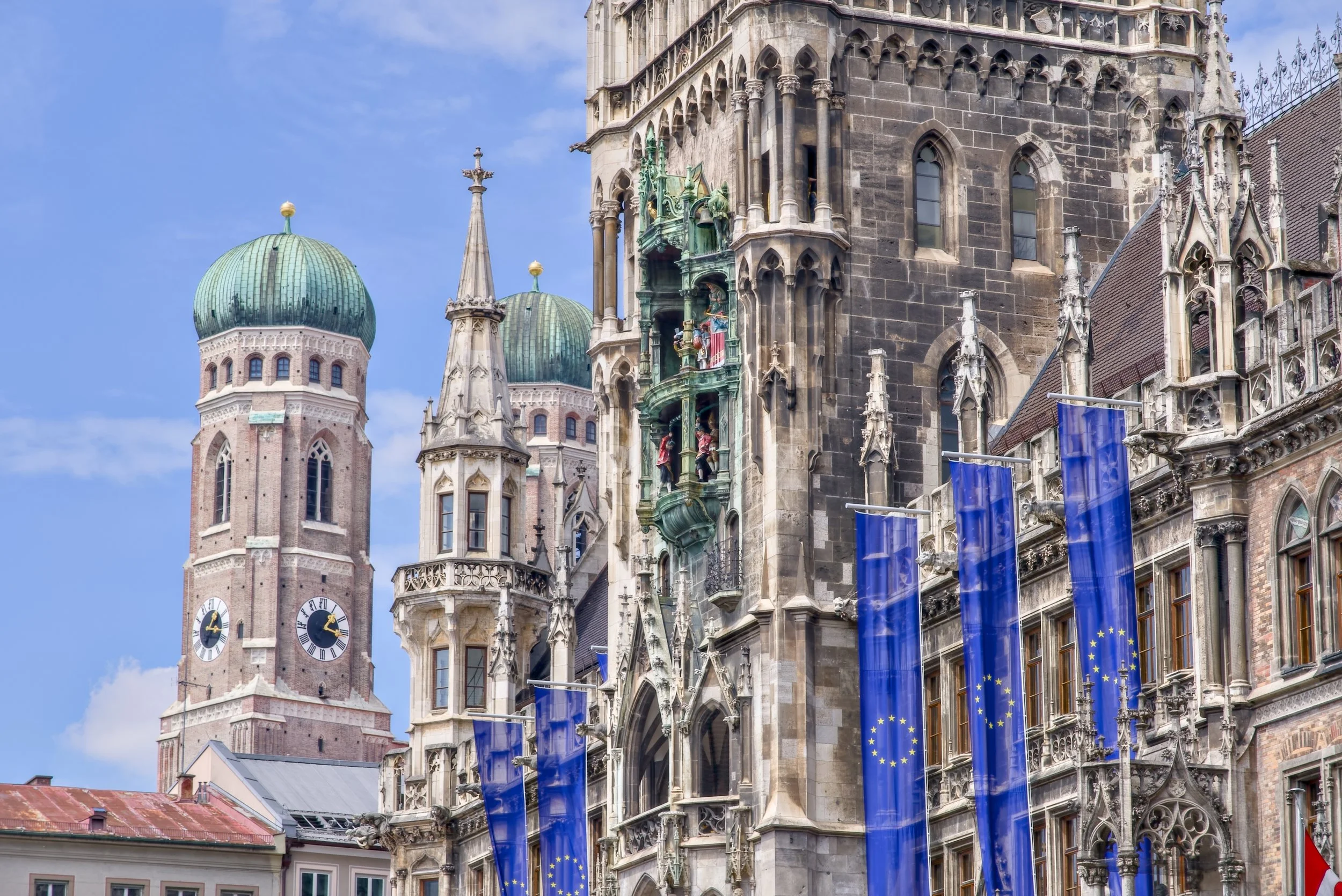
-The city's famous Glockenspiel performs daily inside the New Town Hall, delighting thousands of visitors with life-sized dancing figures that reenact historical events.
Overview & Vibe
Munich doesn't scream for your attention—it quietly wins you over.
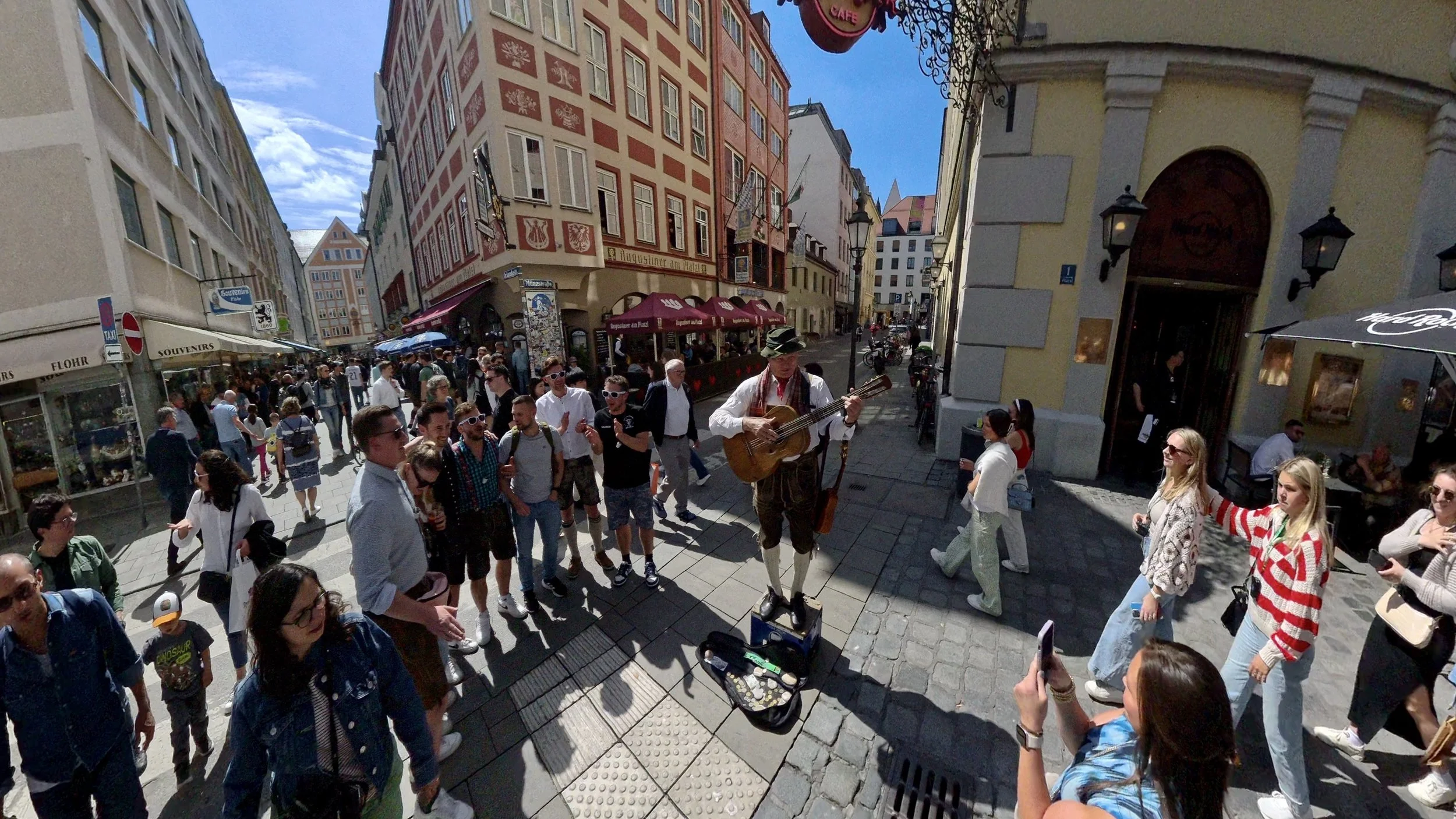
The city has an elegant confidence about it. Wide pedestrian streets, beautifully restored buildings, outdoor cafés spilling into plazas, church bells echoing across the old town, and locals enjoying long afternoons in massive beer gardens all contribute to a relaxed atmosphere.
Despite being Germany's third-largest city, Munich never feels overwhelming. The historic center is compact enough to explore on foot, public transportation is incredibly efficient, and there are green spaces everywhere.
Food plays a huge role in daily life here. Locals gather for pretzels and beer in the afternoon, families picnic in the English Garden, and evenings often stretch late into lively beer halls filled with music and conversation.
Munich is equally appealing whether you're a history buff, foodie, beer lover, luxury traveler, or someone simply looking to experience authentic Bavaria.
Best Time to Visit
Munich is enjoyable year-round, but every season offers a completely different experience.
Spring (April through May) is one of the nicest times to visit. Temperatures are comfortable, flowers bloom throughout the parks, beer gardens reopen, and crowds remain manageable.
Summer (June through August) brings warm weather, outdoor festivals, long daylight hours, and packed beer gardens. The city is vibrant, though hotel prices increase and popular attractions become busier.
Late September through early October is Oktoberfest season. If attending the festival is your goal, this is undoubtedly the most exciting time to visit. Just be prepared for significantly higher hotel prices, enormous crowds, and accommodations that often sell out months in advance.
Autumn after Oktoberfest is quieter, with cooler temperatures and beautiful fall colors throughout the parks.
December transforms Munich into one of Europe's premier Christmas destinations. Traditional Christmas markets, festive lights, mulled wine, and snow-dusted rooftops create a magical atmosphere.
For most travelers, May, early June, or late September offer the best combination of pleasant weather, lively atmosphere, and comfortable sightseeing.
Where to Stay
Choosing the right neighborhood can completely shape your Munich experience, but fortunately there really aren't many bad options.
If it's your first visit, Altstadt (Old Town) is hard to beat. Nearly every major attraction is within walking distance, including Marienplatz, Viktualienmarkt, Frauenkirche, and countless restaurants and beer halls. Hotels here cost more, but you'll save both time and transportation expenses.
Just southwest of Old Town is Ludwigsvorstadt, home to Oktoberfest. Outside festival season it's an excellent value with plenty of restaurants, hotels, and easy transit connections. During Oktoberfest, however, expect much higher prices and lots of activity late into the night.
For travelers who enjoy nightlife, boutique hotels, and trendy cafés, Glockenbachviertel offers a younger, more creative atmosphere. It's one of Munich's coolest neighborhoods while remaining close enough to walk into the city center.
If luxury is your priority, look toward Maxvorstadt or the area surrounding Odeonsplatz. Elegant hotels, museums, upscale shopping, and refined restaurants make this one of Munich's most prestigious districts.
Families often appreciate staying near the English Garden, where there's plenty of green space, quieter evenings, and excellent transit into downtown.
Unless you're simply catching an early flight, there's generally little reason to stay near the airport, which sits about 40 minutes outside the city.
What to see & do
Munich offers enough attractions to easily fill four or five days without feeling rushed.
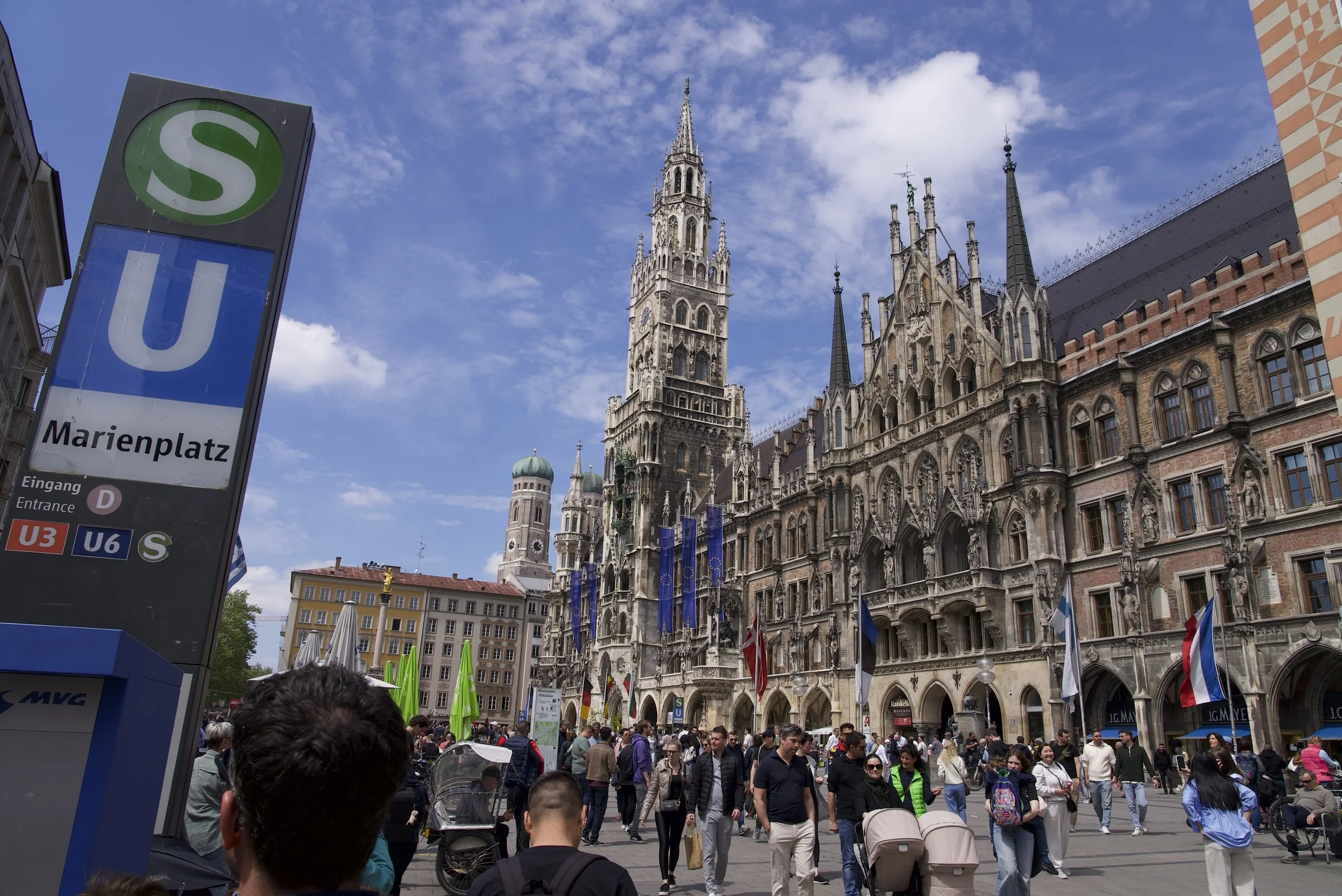
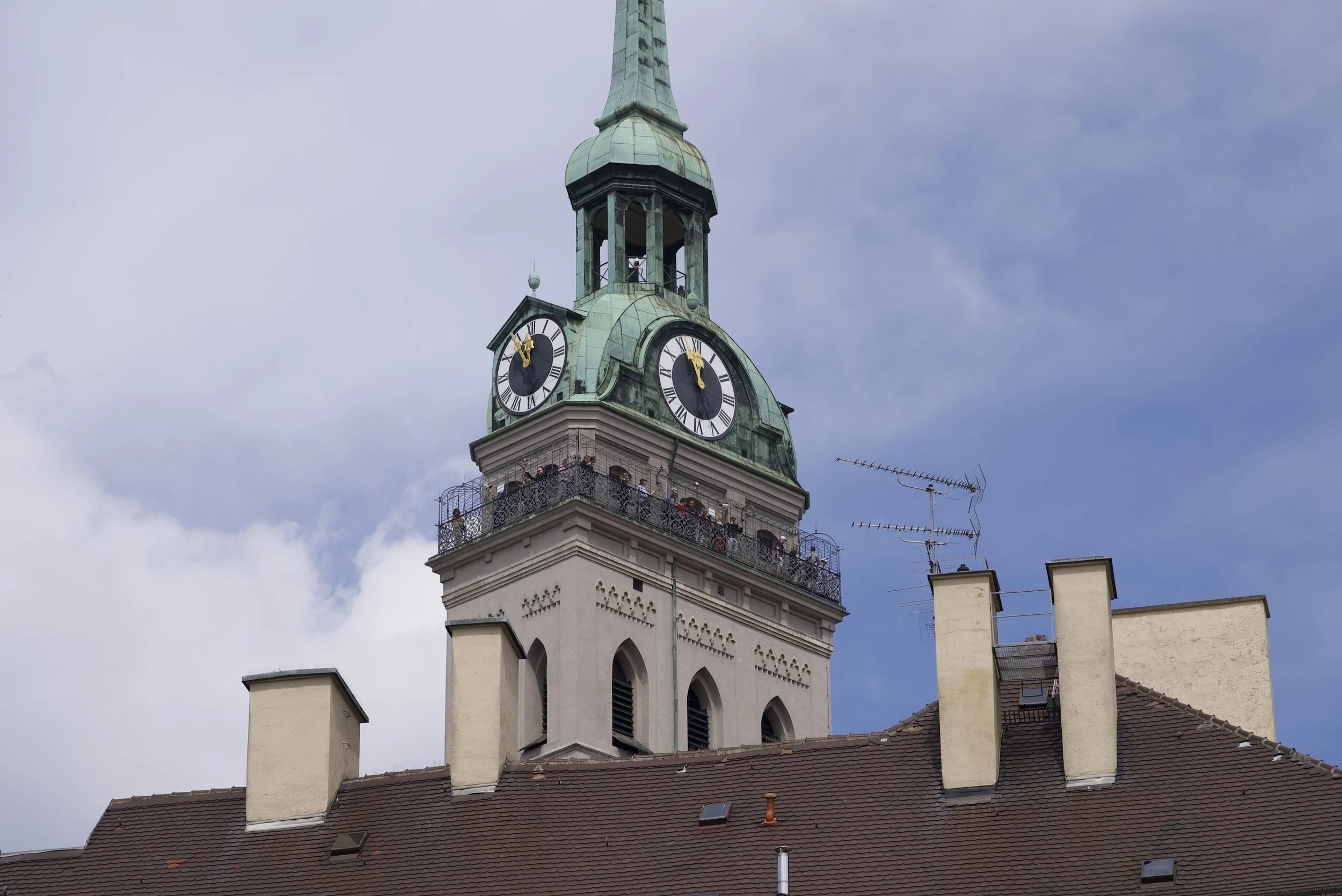
No visit is complete without spending time in Marienplatz, the city's historic heart. Watch the famous Glockenspiel performance, admire the New Town Hall, and soak in the atmosphere before wandering through the surrounding pedestrian streets.
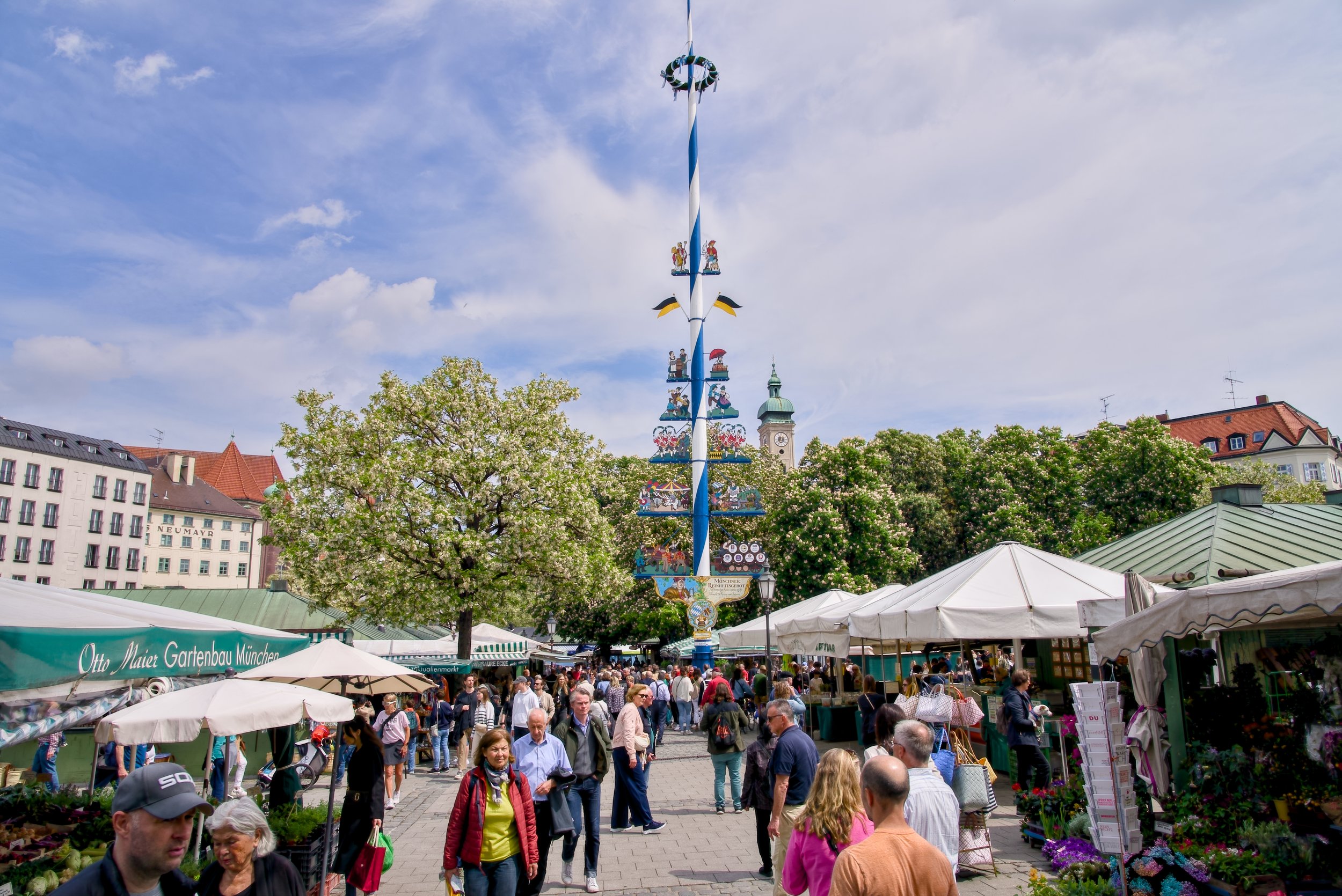
Nearby, Viktualienmarkt is one of Europe's great food markets. Grab fresh fruit, local cheeses, sausages, pastries, or simply enjoy lunch beneath the chestnut trees in the attached beer garden.
History lovers should visit the magnificent Munich Residenz, once home to Bavarian royalty. The lavish rooms, treasury, and courtyards rival many royal palaces across Europe.
One of Munich's greatest surprises is the English Garden. Rent a bike, watch surfers tackle the Eisbach Wave, relax beside the river, or enjoy a traditional Bavarian meal at the famous Chinese Tower beer garden.
Car enthusiasts shouldn't miss BMW Welt and the neighboring BMW Museum, while art lovers can spend days exploring Munich's outstanding museum district in Maxvorstadt.
If you're visiting during football season, catching a match at Allianz Arena is an unforgettable experience, especially if Bayern Munich is playing.
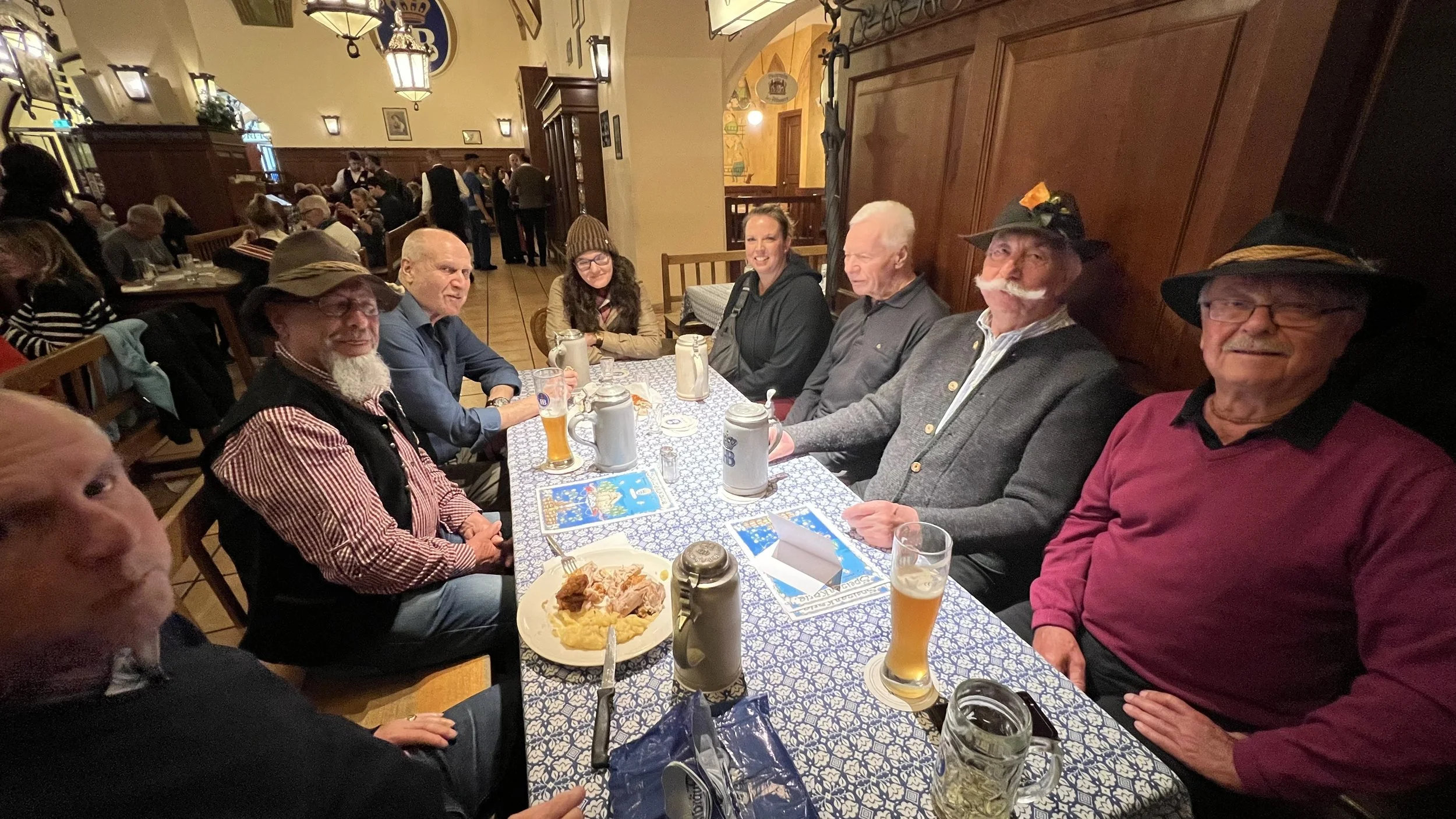
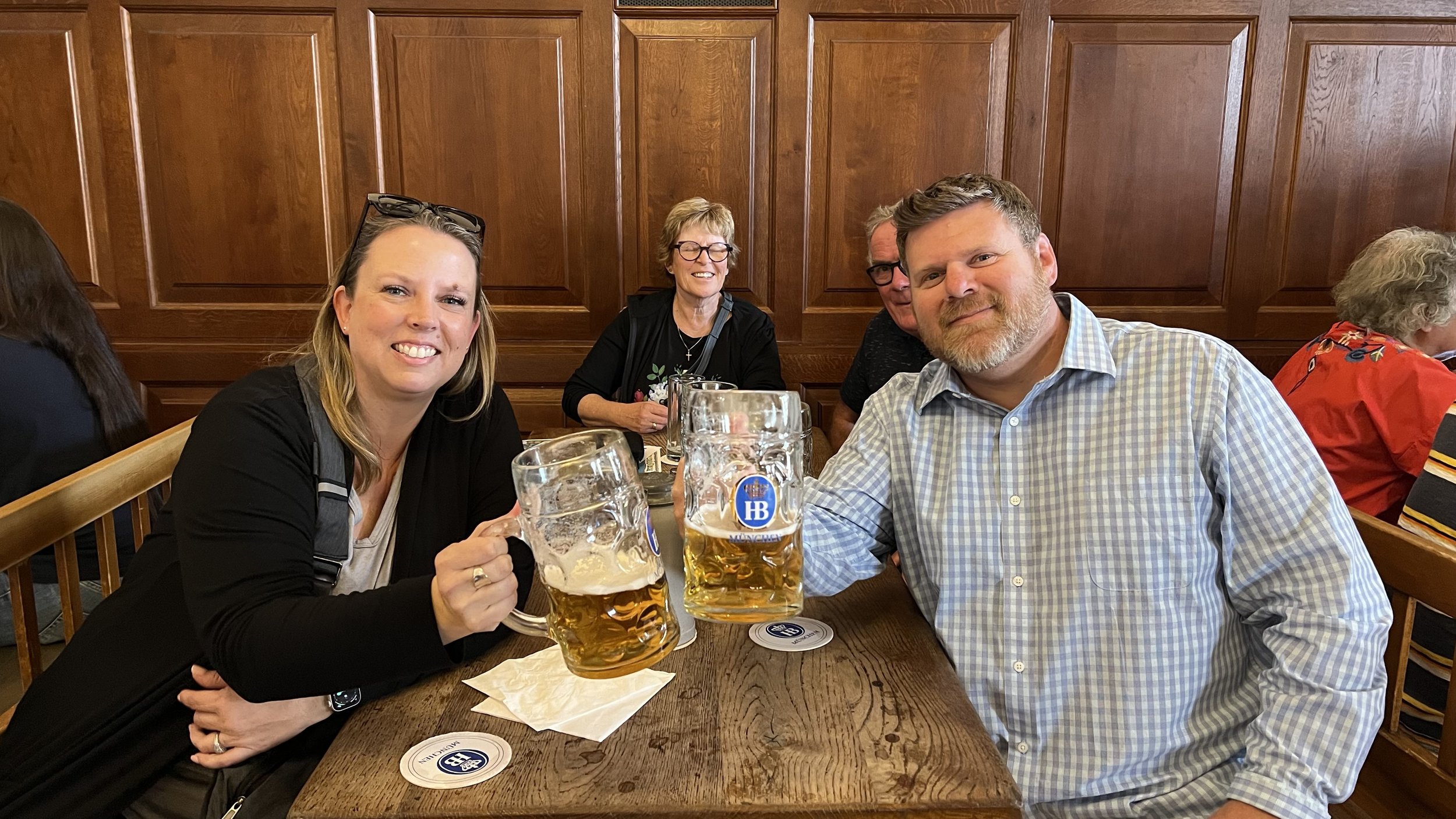
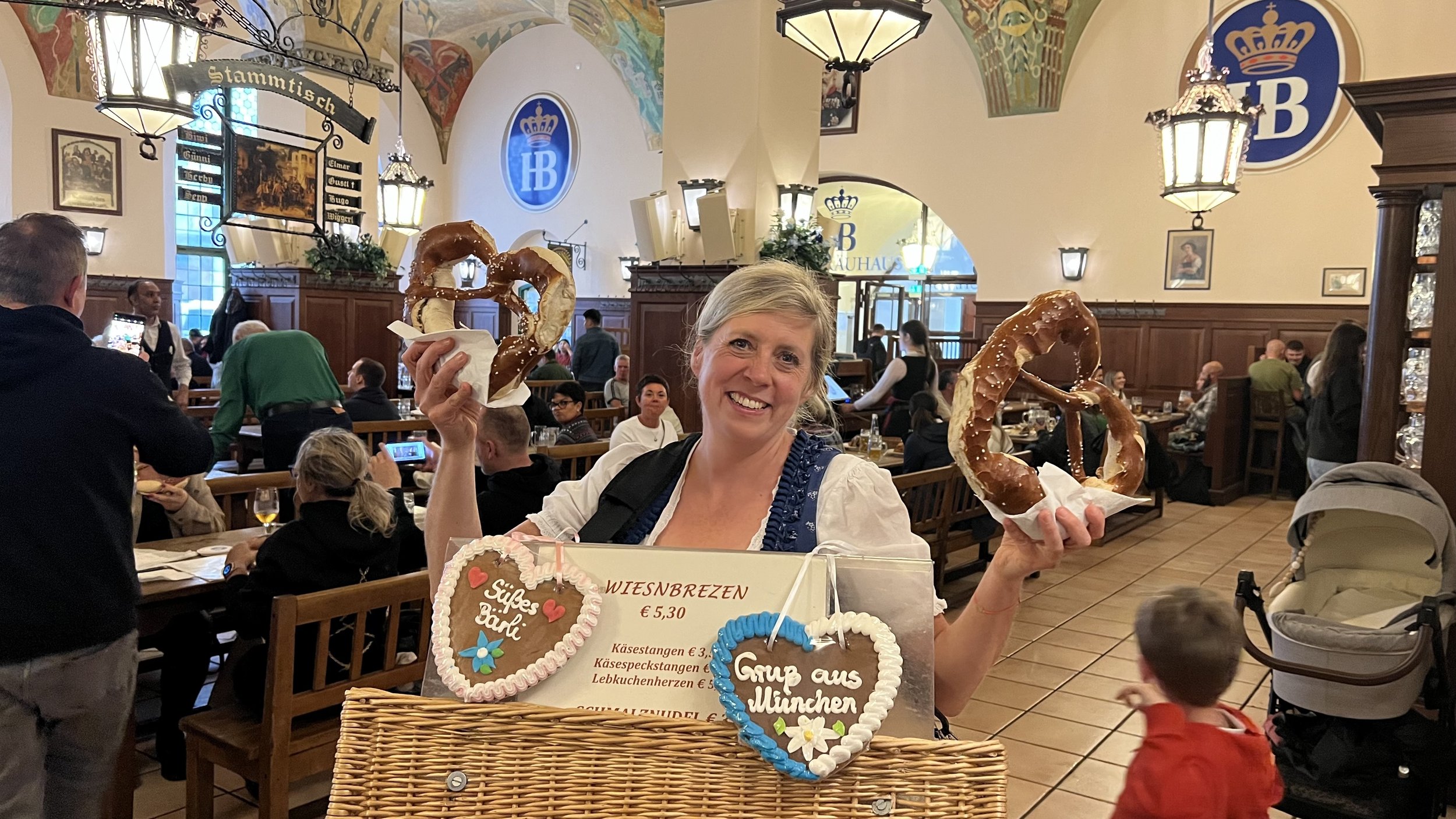
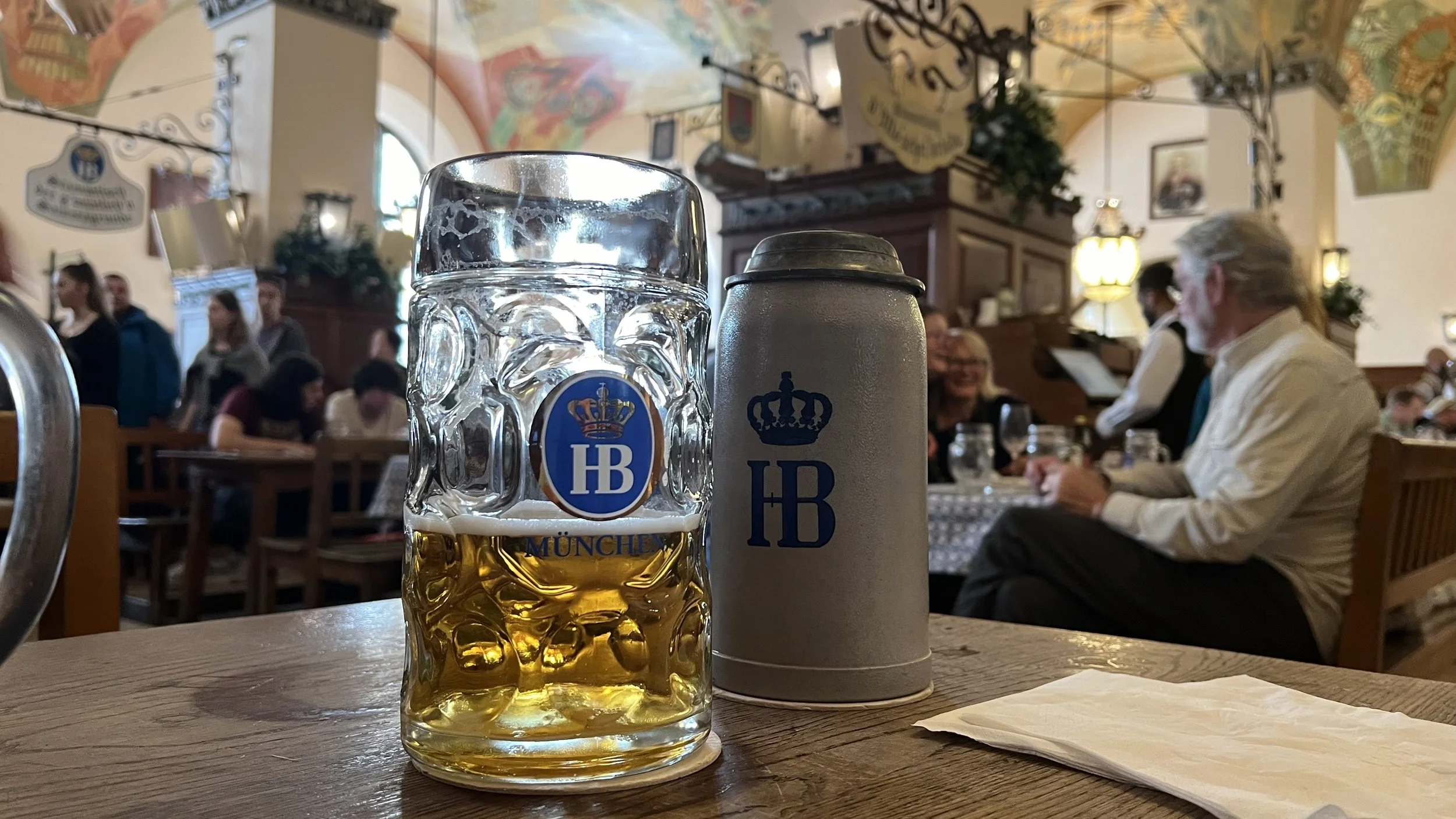
And of course, no trip would be complete without spending an evening inside a traditional beer hall like Hofbräuhaus or Augustiner Keller, where live music, hearty food, and liters of locally brewed beer create an atmosphere that's uniquely Bavarian.
Local Foods to Try
Munich's cuisine is hearty, comforting, and deeply rooted in Bavarian tradition.
Start with a freshly baked Brezn (pretzel)—far superior to the versions many visitors know from home. Pair it with Obatzda, a creamy cheese spread flavored with paprika and onions.
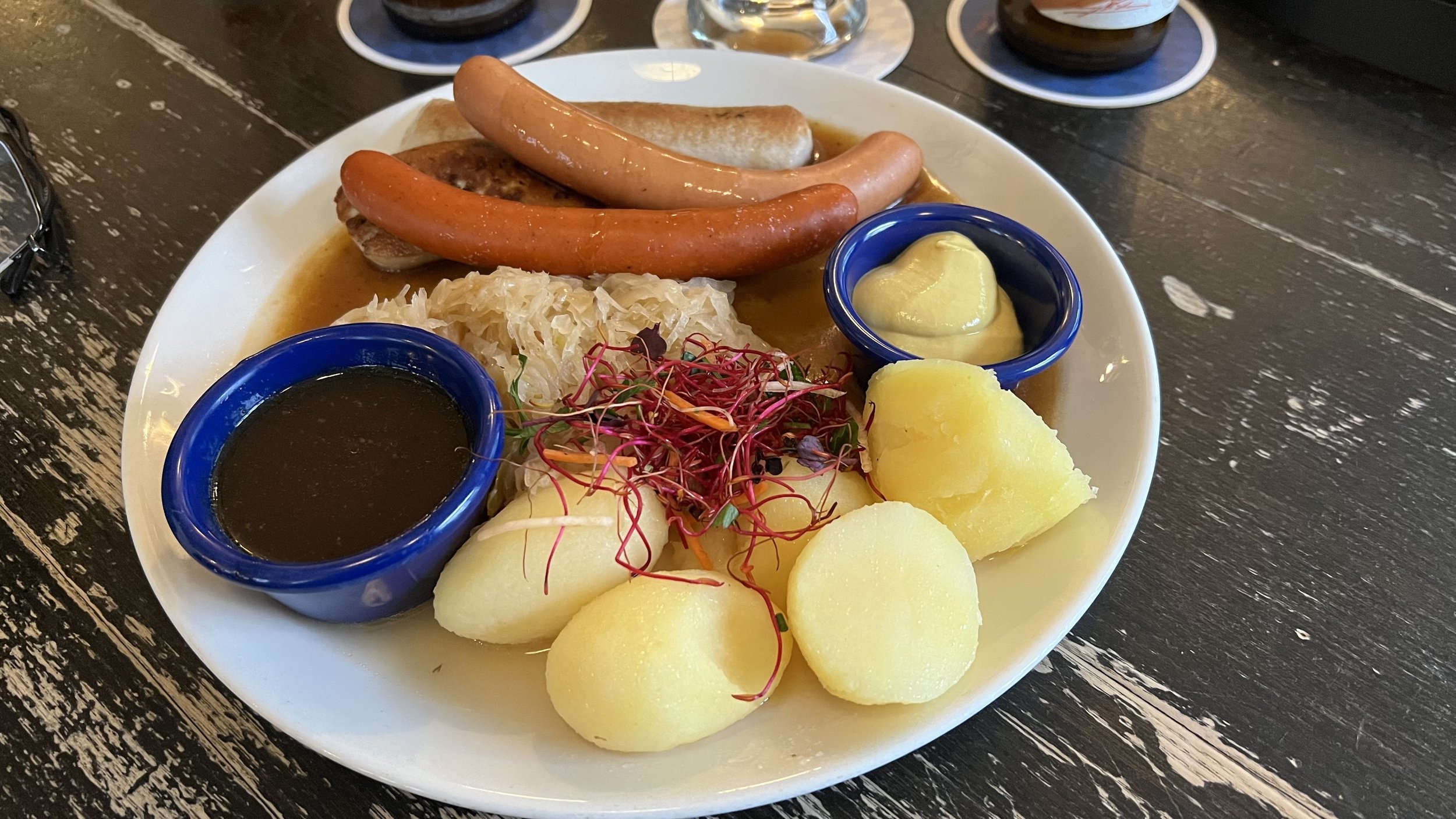
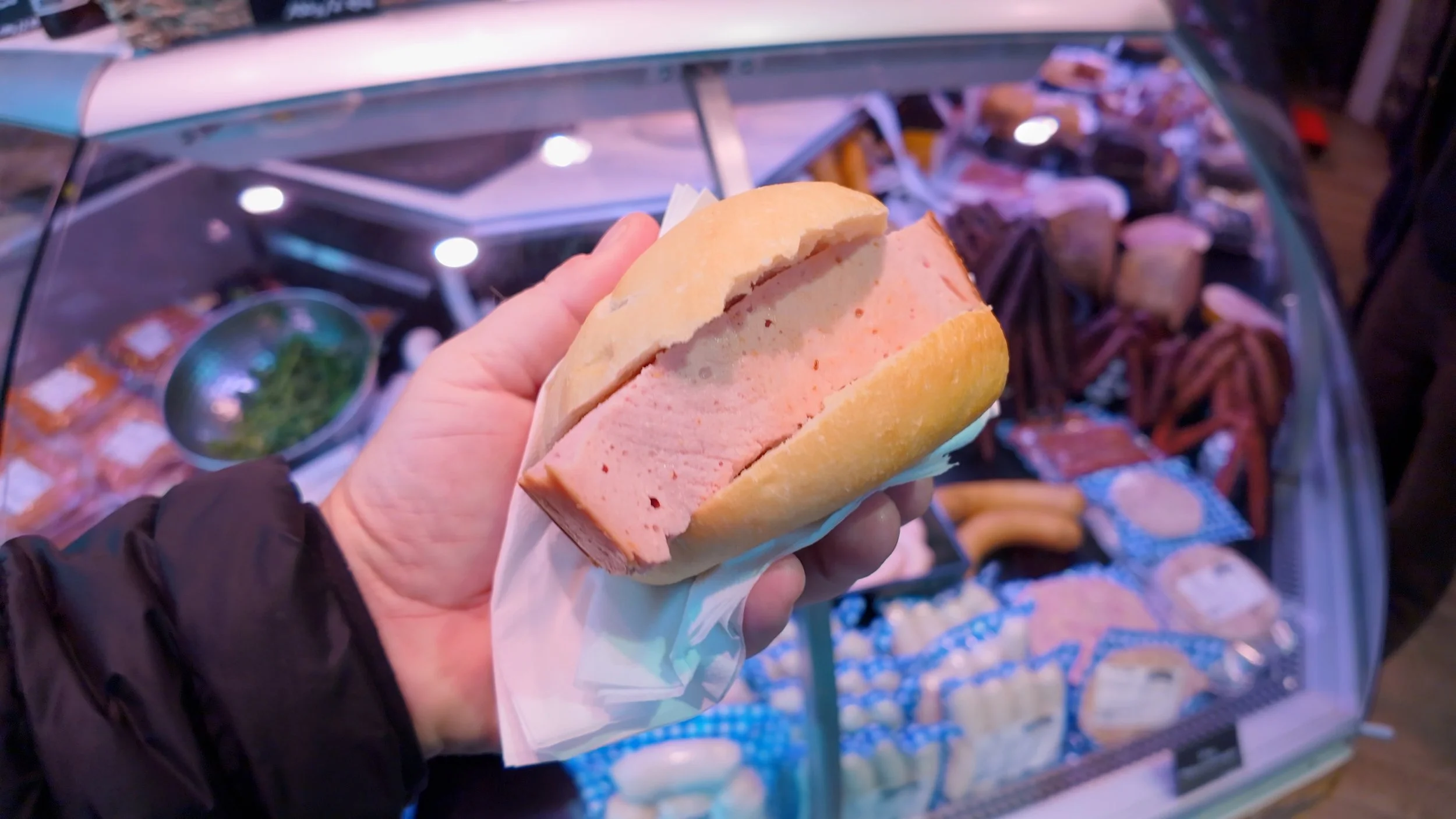
For breakfast, try Weißwurst, Munich's famous white sausage traditionally served with sweet mustard and a pretzel. Locals generally eat it before noon alongside a wheat beer.
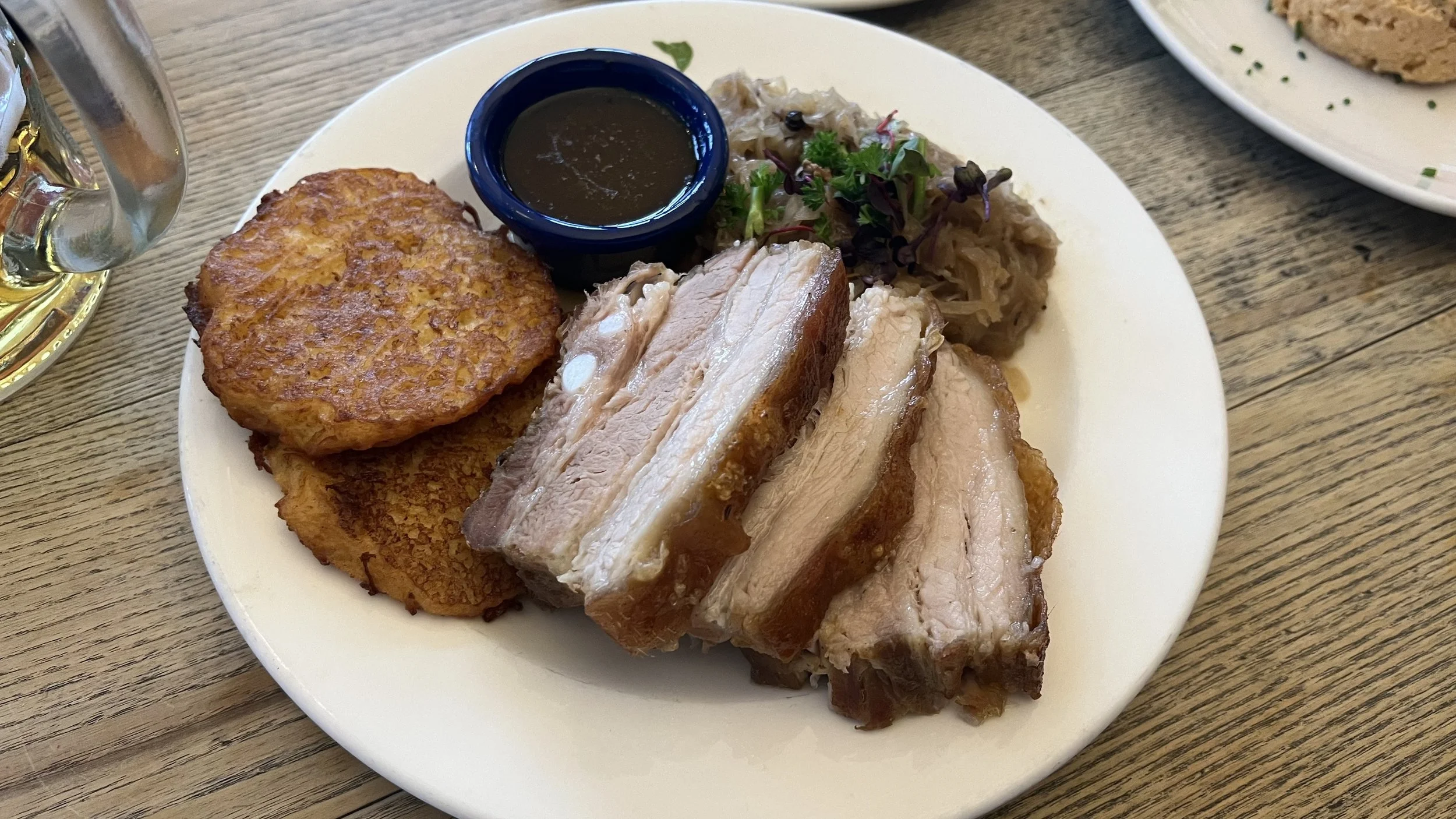
If you're hungry, order Schweinshaxe, a slow-roasted pork knuckle with crispy crackling served alongside potato dumplings and rich gravy. It's one of Bavaria's signature dishes.
Other favorites include schnitzel, pork roast, käsespätzle (German-style cheese noodles), sausages, roast duck, and hearty potato salads.
For dessert, don't skip Apfelstrudel, Kaiserschmarrn (shredded caramelized pancakes), or seasonal plum cakes served in local bakeries.
And of course, Munich is synonymous with beer. Whether you prefer crisp lagers, dark dunkels, or refreshing wheat beers, you're drinking in one of the world's great beer capitals.
Where to Eat
One of Munich's greatest strengths is how easy it is to eat well without constantly spending a fortune.
Traditional beer halls remain some of the city's best dining experiences. Places like Hofbräuhaus are undeniably touristy, but they're touristy for a reason—they're fun, historic, and deliver the classic Bavarian atmosphere most visitors hope to experience. If you'd prefer something a little more local, Augustiner Keller or Augustiner Bräustuben often feel more authentic while serving outstanding food and beer.
For casual lunches, Viktualienmarkt is hard to beat. Rather than committing to one restaurant, you can wander between vendors sampling sausages, cheeses, pastries, sandwiches, and fresh produce before grabbing a seat in the outdoor beer garden.
Munich also has an excellent international food scene. Italian, Austrian, Middle Eastern, Vietnamese, and Japanese restaurants are plentiful, especially around Maxvorstadt and Glockenbachviertel.
If you're looking for a memorable evening, reserve one dinner at a classic Bavarian restaurant where wood-paneled dining rooms, candlelight, and traditional recipes create an atmosphere that feels timeless.
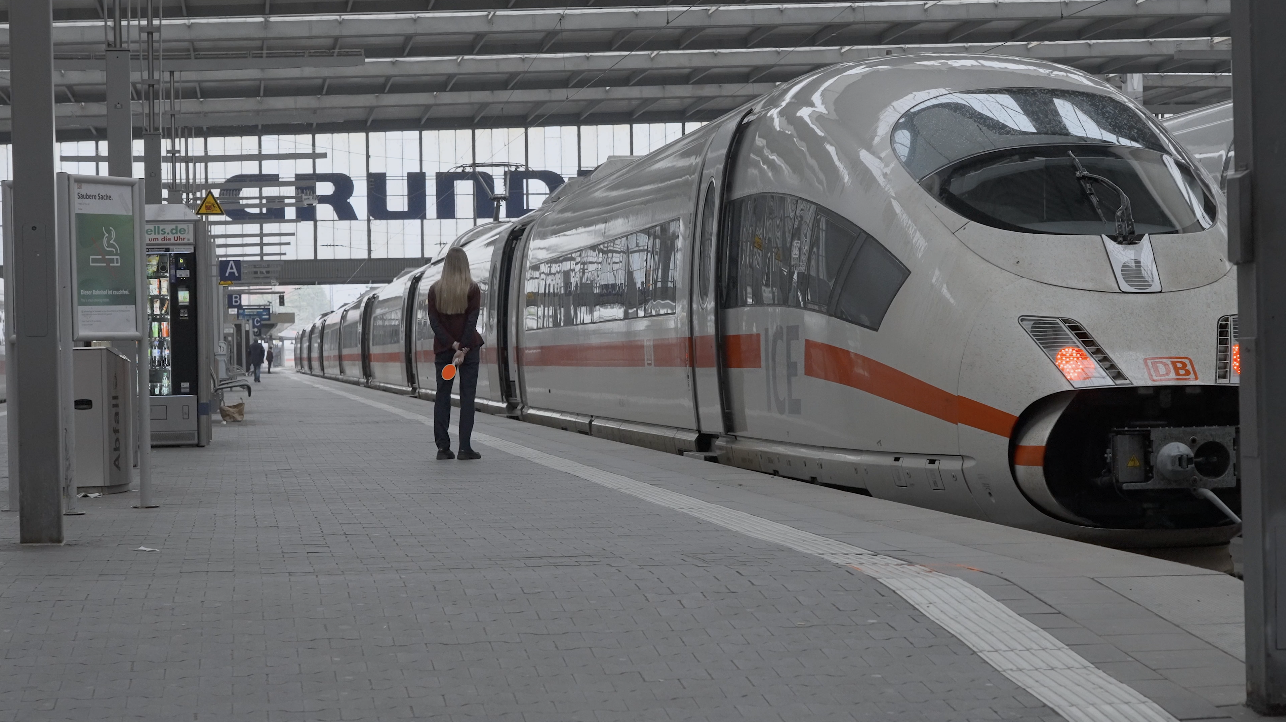
Getting Around
Munich is one of Europe's easiest cities to navigate.
The historic center is extremely walkable, and you'll likely cover most major attractions on foot.
When distances become longer, Munich's integrated transportation network is excellent. U-Bahn (subway), S-Bahn (commuter rail), trams, and buses all operate under one ticket system, making travel simple even for first-time visitors.
The S-Bahn connects Munich Airport directly with downtown in about 40–45 minutes.
Bicycles are another fantastic way to explore. Dedicated bike lanes cover much of the city, and rental bikes are widely available.
Driving within central Munich is usually unnecessary. Parking is expensive, traffic can be frustrating, and nearly every attraction is easier to reach using public transportation.
If you're planning day trips to places like Neuschwanstein Castle, Salzburg, or the Alps, Germany's regional train network makes those journeys remarkably easy.
Best Day Trips
Munich is one of Europe's best cities for day trips.
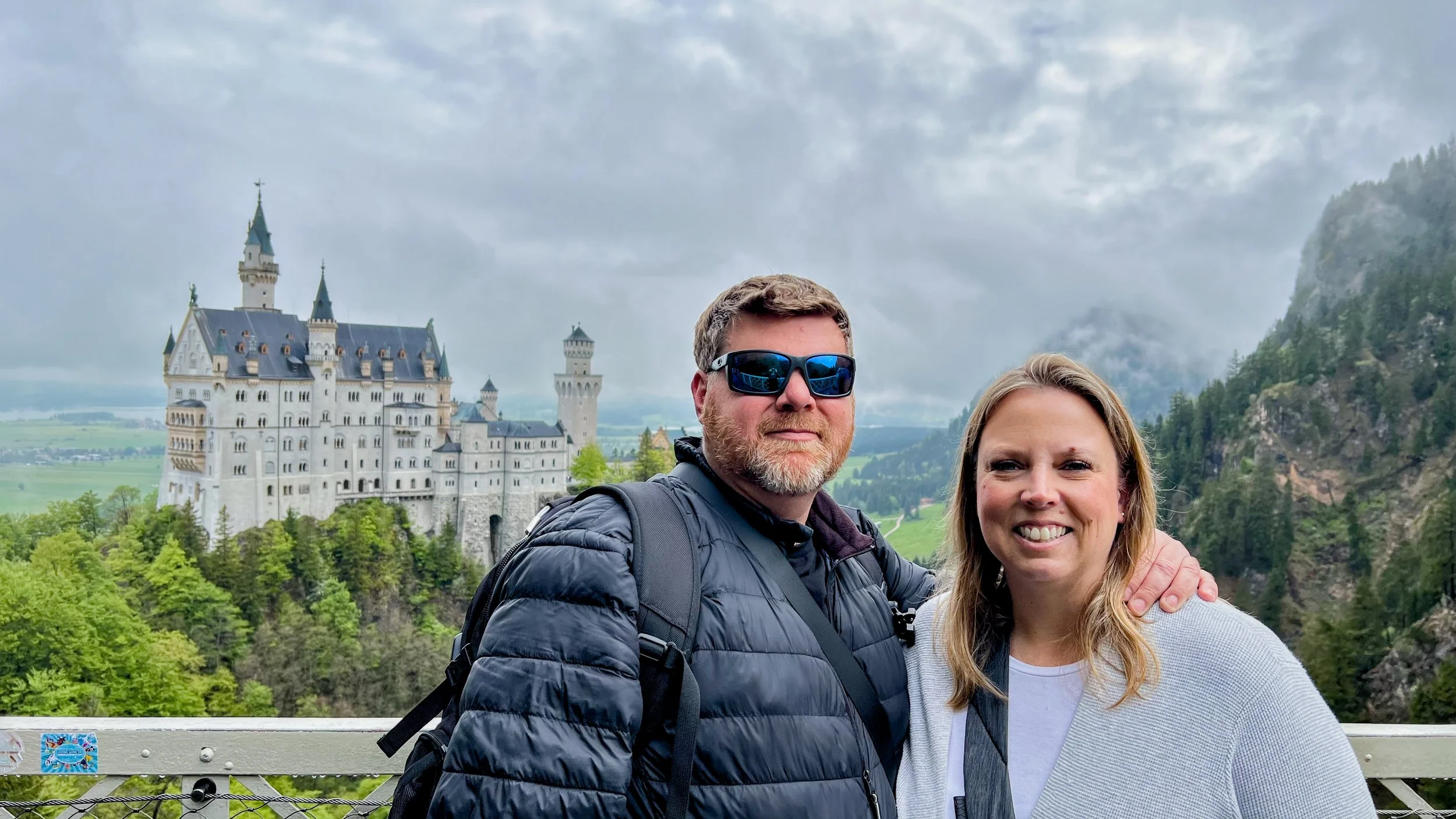
The most famous excursion is Neuschwanstein Castle, the fairy-tale palace that inspired Disney's Sleeping Beauty Castle. Although it's a full day, it's absolutely worth the trip.
Nature lovers should head south toward Garmisch-Partenkirchen, where mountain scenery, hiking trails, cable cars, and Germany's highest peak await.
If you'd like to visit another country, Salzburg, Austria, is only about 90 minutes away by train. Mozart's birthplace offers beautiful baroque architecture, hilltop fortresses, and one of Europe's prettiest old towns.
History enthusiasts often enjoy visiting Dachau Concentration Camp Memorial, located just outside Munich. While emotionally difficult, it's an incredibly important and moving experience.
Other excellent options include Berchtesgaden, Lake Tegernsee, Lake Chiemsee, and the charming medieval town of Rothenburg ob der Tauber if you're willing to spend a bit more time traveling.
Common Mistakes to Avoid
One of the biggest mistakes visitors make is assuming Oktoberfest runs throughout October. In reality, most of the festival takes place in late September, so double-check the dates before booking.
Many travelers also underestimate how quickly hotel prices climb during Oktoberfest. If you're visiting during festival season, reserve accommodations several months in advance.
Don't spend your entire trip inside Hofbräuhaus. It's iconic and worth visiting once, but Munich has dozens of fantastic beer gardens and traditional breweries that many travelers never discover.
Avoid renting a car solely for exploring Munich itself. Between walking and public transportation, you'll likely spend more time searching for parking than actually driving.
Finally, don't rush through the English Garden. Many visitors stop for just a quick photo before leaving, but it's one of Munich's defining experiences and deserves several relaxing hours.
Safety & Things to Know
Munich consistently ranks among the safest major cities in Europe.
Violent crime is rare, and most visitors experience no problems during their stay.
As with any popular destination, keep an eye on your belongings around train stations, public transportation, Oktoberfest, and crowded tourist attractions where pickpocketing occasionally occurs.
Tap water is excellent and perfectly safe to drink.
Credit cards are becoming more common, but many traditional restaurants, beer halls, and smaller cafés still prefer cash, so it's smart to carry some euros.
Shops are generally closed on Sundays, with the exception of restaurants, train stations, and a handful of convenience stores. Plan your shopping accordingly.
If you're visiting beer gardens, don't feel pressured to drink excessively. Bavarian beer culture is far more about socializing, good food, and spending time outdoors than partying.
Visa & Entry Requirements
Germany is part of the Schengen Area, allowing travelers to move freely between most European countries without additional border checks.
Visitors from the United States, Canada, United Kingdom, Australia, New Zealand, and many other countries can typically enter Germany visa-free for up to 90 days within any 180-day Schengen period for tourism.
Your passport should generally be valid for at least three months beyond your planned departure from the Schengen Area, though having at least six months of validity remaining is recommended.
No routine vaccinations are required for entry, though standard travel insurance is highly recommended.
If your itinerary includes multiple European countries, remember that your total time across the entire Schengen Area counts toward the same 90-day limit—not just the days spent in Germany.