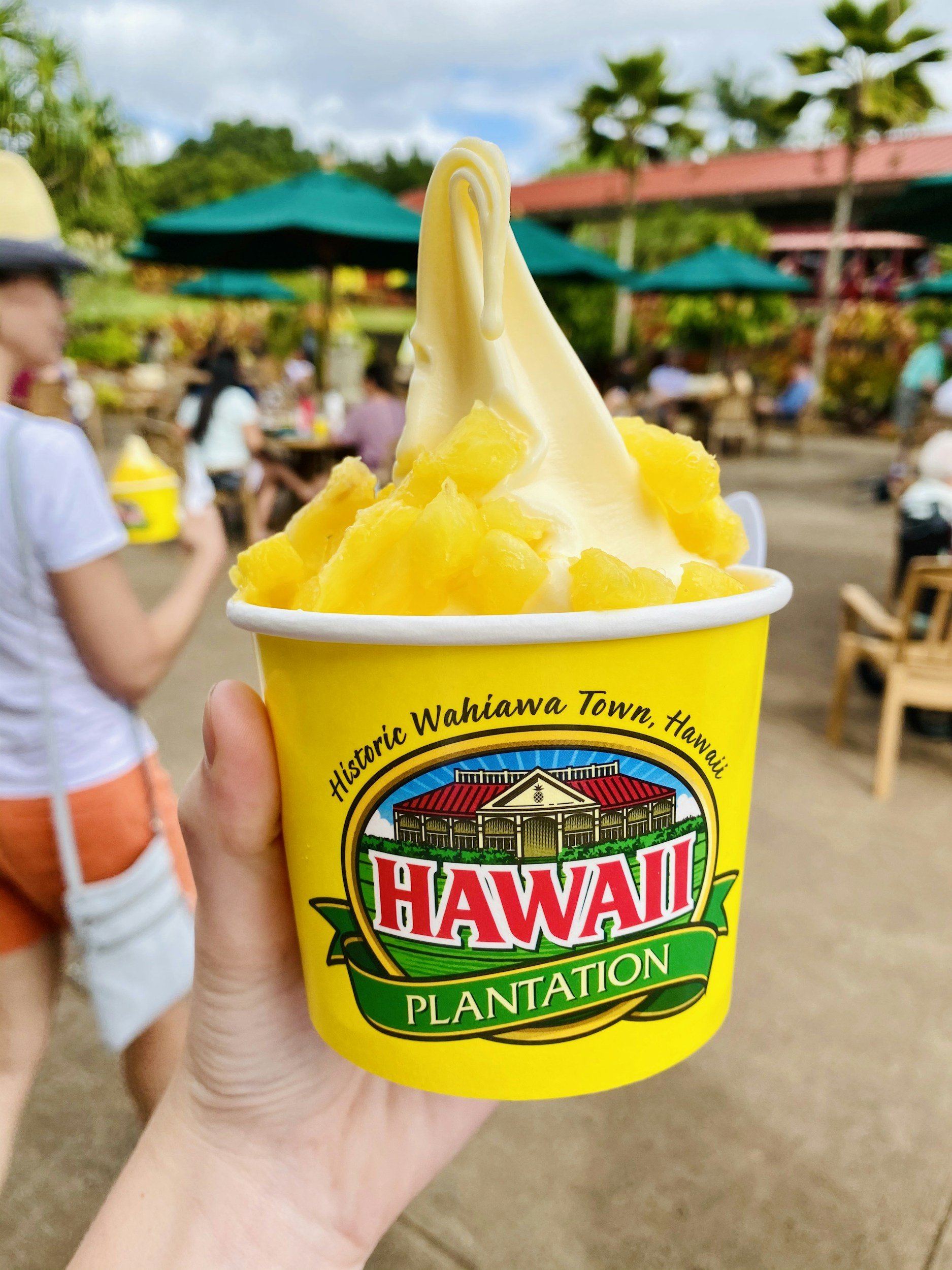
Oahu
Oʻahu is often called “The Gathering Place,” and that description fits it perfectly. This is the Hawaiian island where big-city energy, famous beaches, Hawaiian history, incredible hiking, local food, surf culture, and quiet tropical scenery all come together.
While Waikīkī and Honolulu get most of the attention, one of the biggest mistakes visitors make is assuming they areOʻahu. Get outside the city and the island changes dramatically—from the legendary surf breaks of the North Shore to the lush mountains and beaches of the Windward Coast. Oʻahu is officially divided into five major regions: Honolulu, Central Oʻahu, the Windward Coast, the North Shore, and the Leeward Coast.
Quick Facts
Island: Oʻahu
Nickname: The Gathering Place
Major City: Honolulu
Airport: Daniel K. Inouye International Airport (HNL)
Population: Roughly 1 million
Language: English and Hawaiian are the official languages of Hawaiʻi
Currency: U.S. Dollar
Time Zone: Hawaiʻi-Aleutian Standard Time
Best Known For: Waikīkī Beach, Pearl Harbor, Diamond Head, North Shore surfing, beautiful beaches and Hawaiian culture
Best For: First-time Hawaii visitors, families, couples, food lovers, hikers and travelers wanting a combination of city and beach
Ideal Stay: 5–7 days for the highlights; 7–10 days if you want to explore the island at a slower pace
Rental Car: Not essential if you're staying around Waikīkī, but highly recommended for exploring the rest of the island
At a Glance
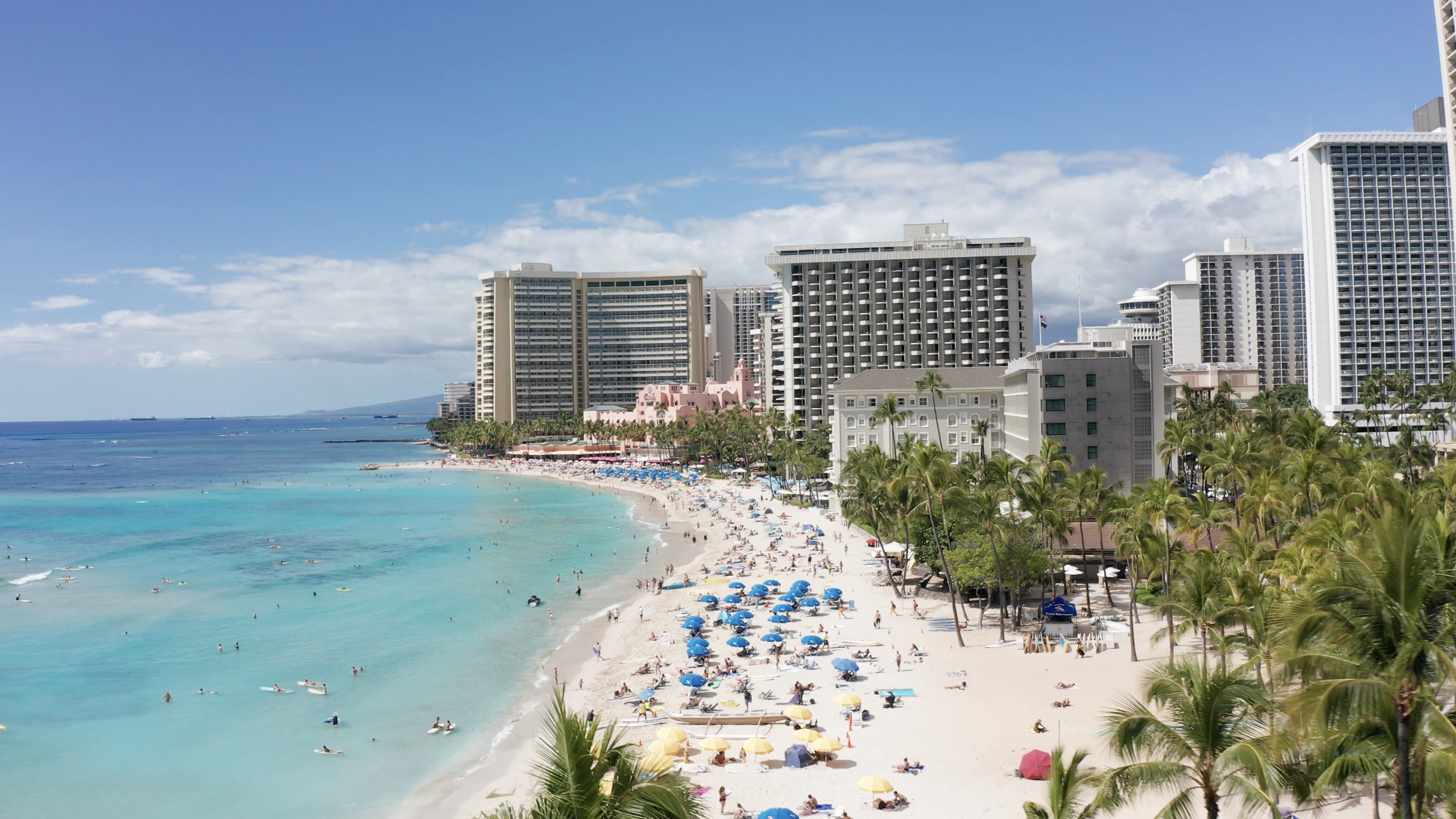
Oʻahu may be the most developed of the Hawaiian Islands, but that doesn't mean you're coming here just for Honolulu.
In a single day you can watch the sunrise over the Windward Coast, hike into the mountains, eat garlic shrimp from a roadside food truck, watch surfers on the North Shore and finish the evening walking along Waikīkī Beach.
That's really Oʻahu's biggest advantage: variety.
Most visitors base themselves around Waikīkī, which makes sense. It's where you'll find the largest concentration of hotels, restaurants, shopping and nightlife, and you're rarely more than a few blocks from the beach. But we'd strongly recommend spending at least a couple of days exploring beyond Honolulu.
The island isn't huge, but traffic can make distances deceiving. Haleʻiwa is roughly an hour from Waikīkī under normal conditions, while Waimea Bay can take around 75 minutes.
Ko Olina
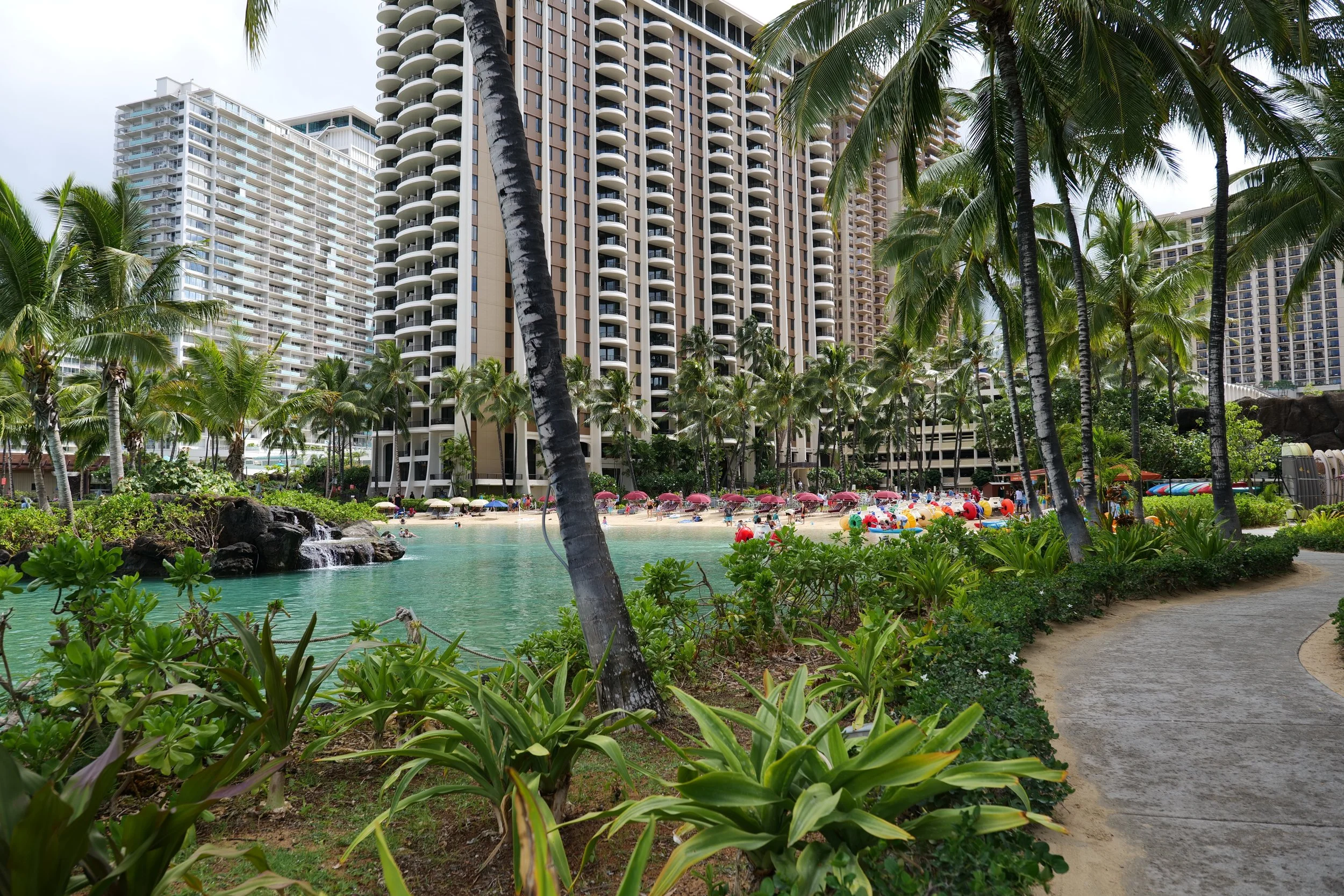
Ko Olina is for travelers looking for the full resort experience.
You'll find beautiful protected lagoons, manicured grounds and upscale resorts. Families especially may appreciate the calm swimming areas.
The drawback is location. You're roughly 45 minutes from Waikīkī without traffic, according to official island tourism estimates. If most of your sightseeing is around Honolulu and eastern Oʻahu, you'll spend a lot of time driving.
Where to Stay
Where you stay on Oʻahu can completely change your vacation.
Waikīkī
Best for first-time visitors and travelers who don't want to rent a car.
For most people visiting Oʻahu for the first time, Waikīkī is the easiest choice. The majority of Oʻahu's hotels and resorts are concentrated here.
You'll have hundreds of restaurants within walking distance, easy access to the beach, shopping, nightlife and good public transportation.
The downside? Waikīkī is busy, crowded and touristy. Parking at hotels can also be painfully expensive.
Still, for convenience, it's hard to beat.
Ala Moana
Just west of Waikīkī, Ala Moana can be a good compromise for travelers who want easy access to Waikīkī without being directly in the middle of it.
You're close to Ala Moana Center, Ala Moana Beach Park and numerous restaurants while still having relatively easy access to Downtown Honolulu.
Kahala
Kahala sits east of Waikīkī and feels dramatically quieter.
This is primarily an upscale residential area with a much more relaxed atmosphere. It's a good choice for travelers looking for luxury and tranquility while remaining relatively close to Honolulu.
Kailua & the Windward Coast
If your mental picture of Hawaii involves green mountains, turquoise water and a quieter beach-town atmosphere, you'll probably love this side of Oʻahu.
Kailua puts you close to Kailua Beach and Lanikai while giving you a much more residential experience than Waikīkī.
The tradeoff is convenience. You'll probably want a car, and you'll be driving whenever you want to visit Honolulu.
North Shore
The North Shore is almost a different vacation entirely.
Around Haleʻiwa you'll find surf culture, food trucks, small shops and some of Hawaii's most famous beaches. It's much quieter at night and considerably less developed than Honolulu.
If you have enough time, splitting your stay between Waikīkī and the North Shore can be a fantastic way to experience two completely different sides of Oʻahu.
Kualoa Ranch
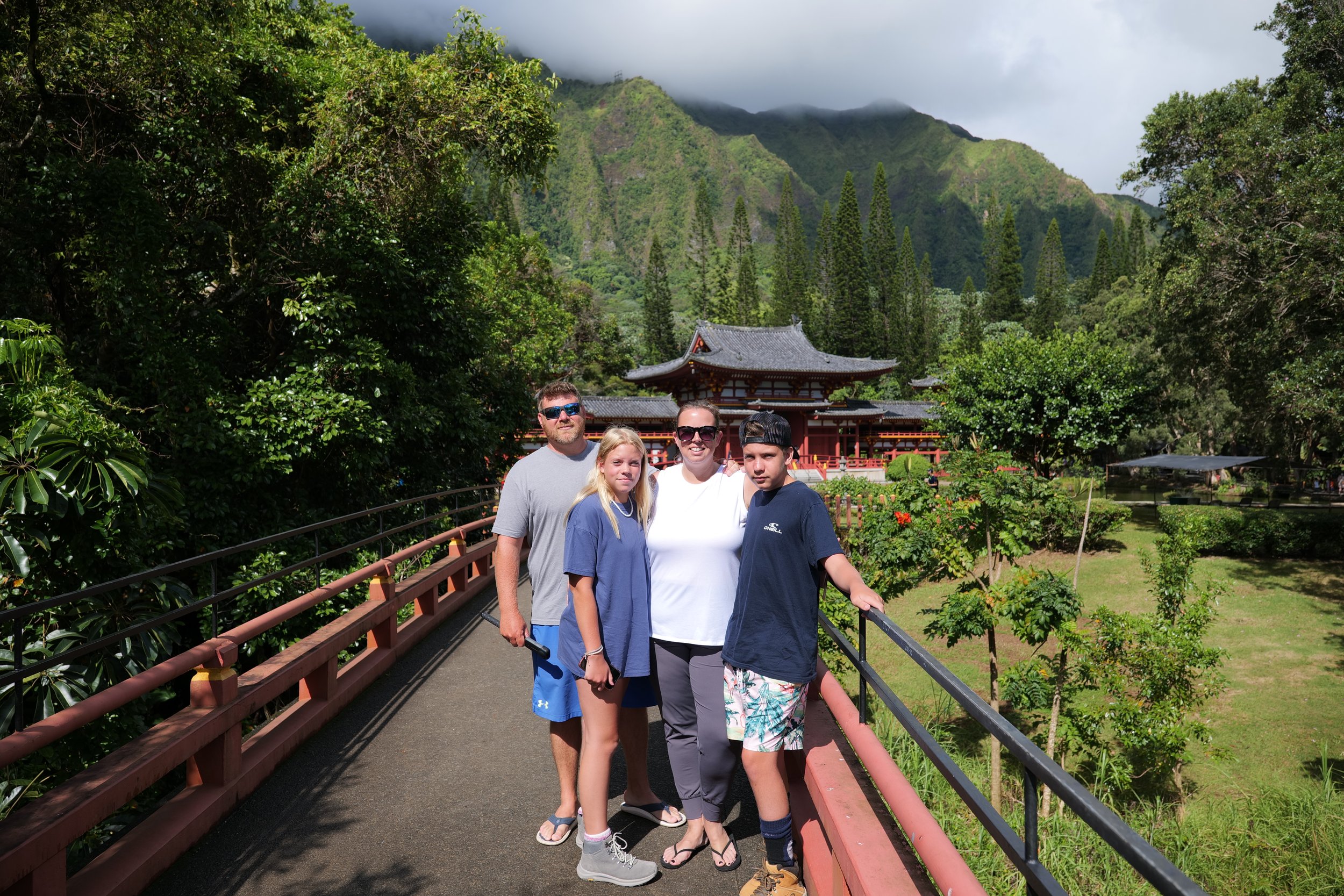
You've almost certainly seen Kualoa Ranch without realizing it.
The dramatic valley has appeared in countless movies and television shows. Tours range from movie-site visits to ATV and adventure experiences.
Visit Waimea Valley
Waimea Valley offers an easy introduction to the lush North Shore landscape with botanical gardens, Hawaiian cultural sites and a waterfall.
Makapuʻu Point Lighthouse Trail
For huge coastal views without an extremely difficult hike, Makapuʻu is one of our favorites.
Go early—the trail is exposed and can become hot.
Explore Downtown Honolulu
Don't spend your entire trip along the beach.
Downtown contains some of Oʻahu's most important cultural and historical sites, including ʻIolani Palace, the King Kamehameha statue and nearby Chinatown.
Things to Do & See
You could easily spend a week on Oʻahu and still leave plenty undone.
Visit Pearl Harbor
Pearl Harbor is one of the most important historical sites in the United States and deserves at least half a day.
The USS Arizona Memorial is the centerpiece, but the broader Pearl Harbor area includes several additional historical attractions.
Hike Diamond Head
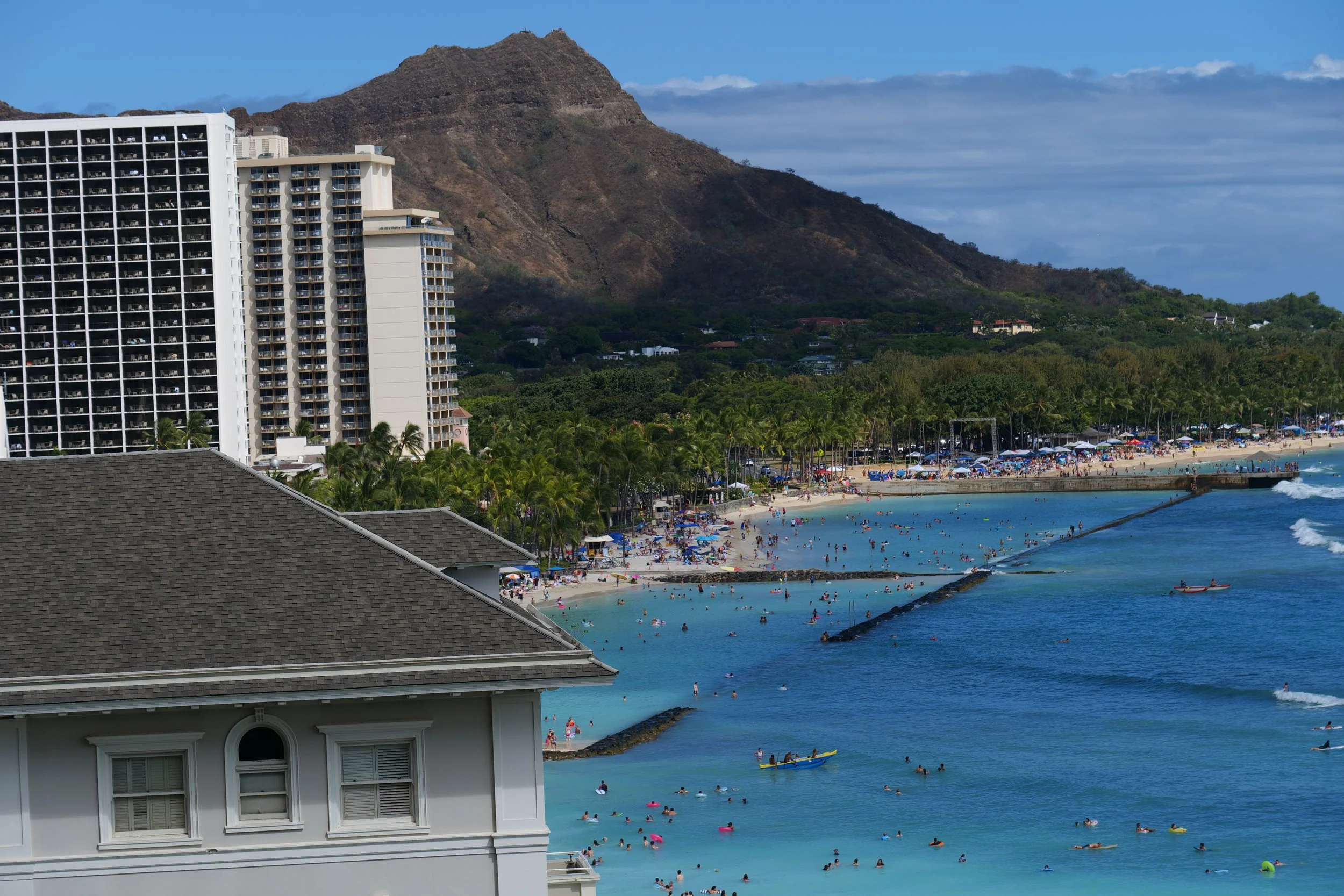
Diamond Head—or Lēʻahi—is one of Oʻahu's signature landmarks.
The hike isn't extremely long, but there are stairs and a decent climb. Go early if possible to avoid the strongest midday heat.
Explore Waikīkī Beach
Yes, it's touristy.
You should still experience it.
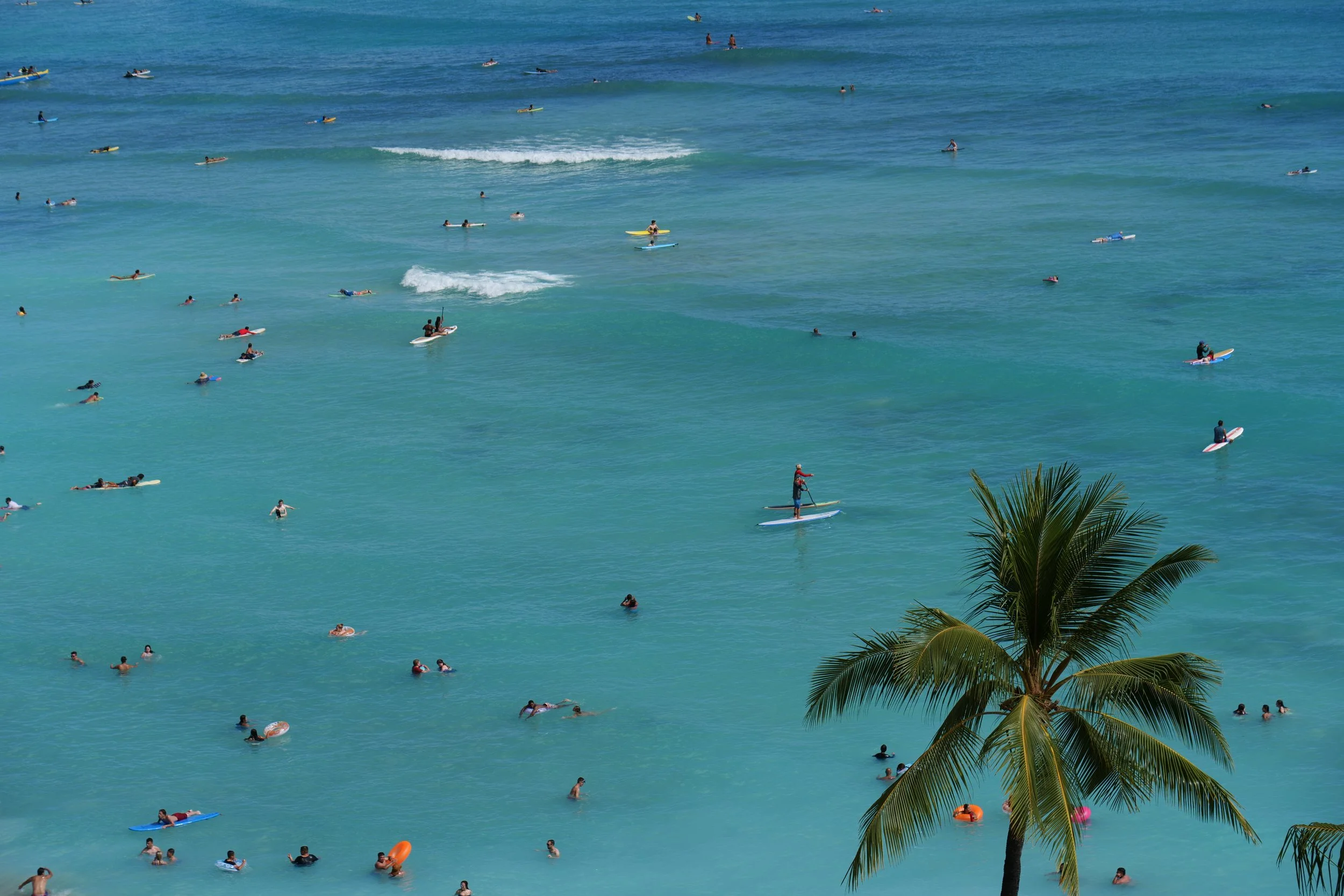
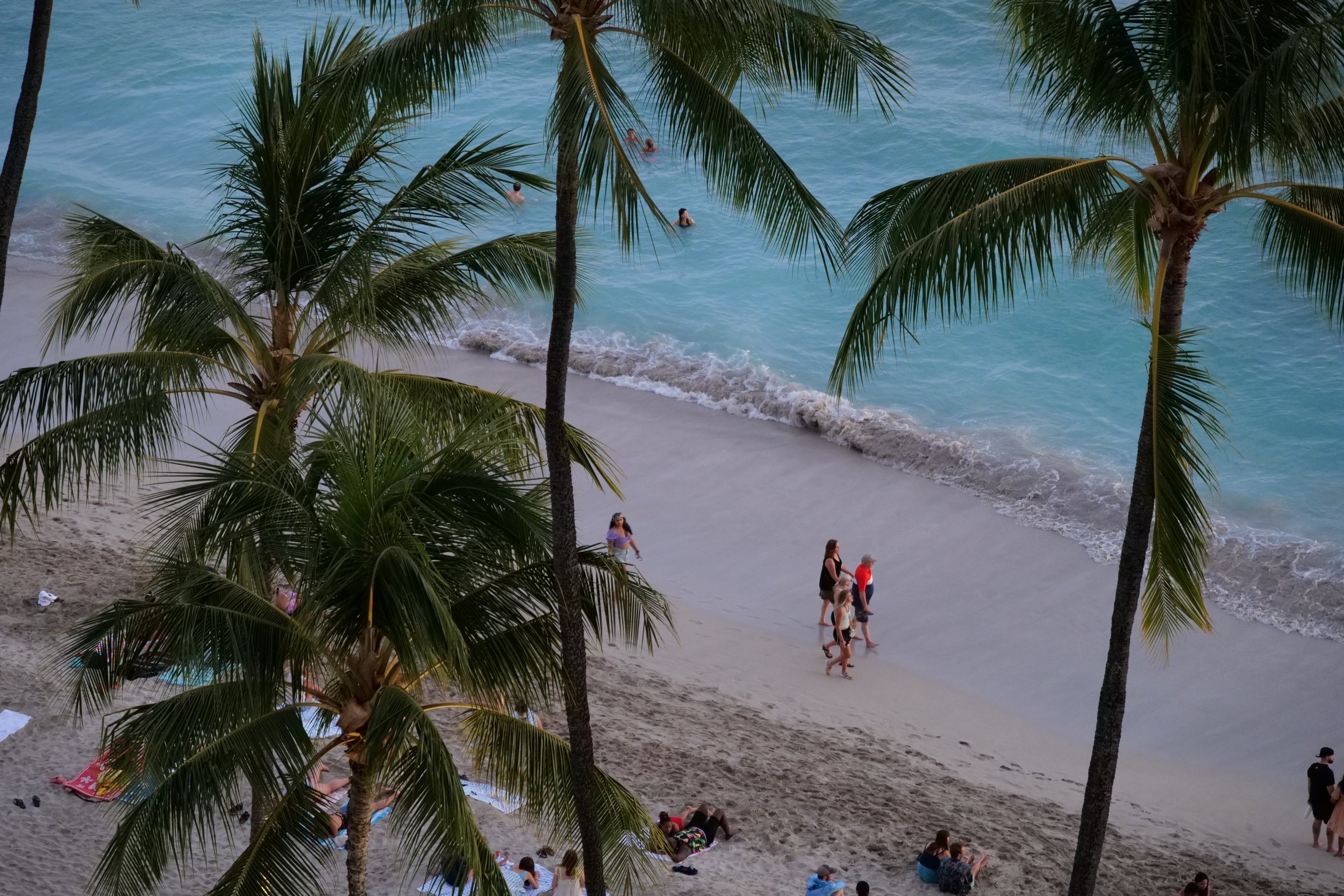
Walk the beach, take a beginner surfing lesson, watch the sunset and explore Kalākaua Avenue afterward.
Spend a Day on the North Shore
This is one of our must-do Oʻahu experiences.
Stop in Haleʻiwa, grab some garlic shrimp, visit Waimea Bay and Sunset Beach and spend the day exploring the coast.
Winter brings massive waves. Summer generally brings much calmer conditions.
Visit Hanauma Bay
Hanauma Bay Nature Preserve is one of Oʻahu's best-known places for seeing marine life and snorkeling.
Reservations can be competitive, so don't assume you'll simply show up and walk in.
Drive the Windward Coast
The eastern side of Oʻahu might be the most beautiful part of the island.
The combination of turquoise ocean, beaches and the steep Koʻolau Mountains makes this one of those drives where you'll constantly want to stop.
Visit Kailua and Lanikai
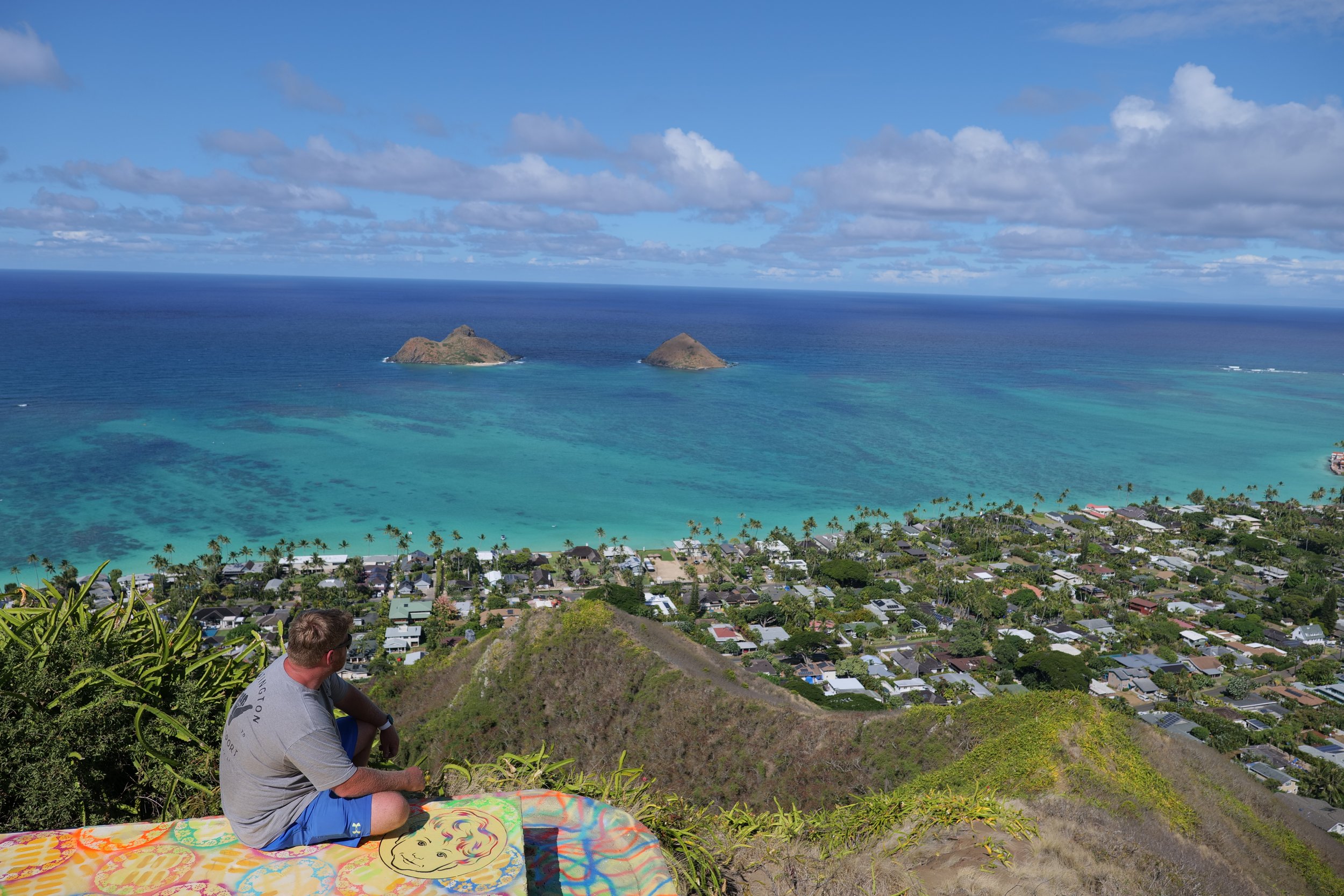
Kailua Beach is spacious and beautiful, while nearby Lanikai is famous for its clear blue water and offshore Mokulua Islands.
Parking around Lanikai can be difficult, so plan accordingly and respect the surrounding residential neighborhood.
Fun Facts
Oʻahu is the third-largest Hawaiian island but contains the majority of the state's population.
Honolulu is both Hawaiʻi's capital and largest city.
Waikīkī was once a retreat for Hawaiian royalty before becoming one of the world's most famous resort areas.
Duke Kahanamoku, one of the people credited with helping popularize surfing around the world, grew up surfing Waikīkī.
The North Shore is considered one of the world's premier big-wave surfing destinations.
Diamond Head's Hawaiian name is Lēʻahi.
Oʻahu has more than 227 miles of coastline and over 150 identified beaches.
Pearl Harbor remains an active U.S. naval base in addition to being one of Hawaii's most important historical destinations.
Movies and TV shows including Jurassic Park, Lost, Hawaii Five-0 and many others have filmed scenes around Oʻahu.
September–November
Another excellent window. Temperatures remain warm while the busiest summer travel season has ended. One important thing to remember is that weather varies dramatically across Oʻahu. The Leeward side tends to be sunnier and drier, while the Windward side is greener and receives considerably more rain.
Best Time to Visit
There's really no bad time to visit Oʻahu. Temperatures generally stay warm throughout the year, and even during winter you'll probably spend plenty of time in shorts and flip-flops.
That said, April through May and September through early November are some of our favorite times to visit. These shoulder seasons can bring fewer visitors than peak summer and winter periods while still offering excellent weather. Hawaii's official tourism site similarly recommends spring and fall for comfortable temperatures and generally lighter crowds.
December–March
Winter brings slightly cooler temperatures and larger waves, especially along the North Shore. If watching professional-level surfing or massive waves is on your bucket list, this is the time to come. It's also one of the wetter periods of the year, particularly on the Windward side.
April–May
One of the sweet spots.
The weather is warm, crowds can be lighter and ocean conditions are generally good. This can be an excellent period for hiking, beaches and sightseeing.
June–August
Summer brings warm weather, calmer North Shore ocean conditions and lots of sunshine.
It's also a popular family travel period, so expect more visitors and potentially higher hotel prices.
Safety & Things to Know
Oʻahu is generally an easy destination for visitors, but the environment deserves more respect than many travelers give it.
The Ocean Is the Biggest Danger. Never judge ocean conditions based solely on how the water looks.
Currents, shore breaks and waves can become dangerous quickly. Honolulu Emergency Services recommends swimming at lifeguarded beaches, checking conditions before entering the water and talking to lifeguards when you're unsure.
This becomes especially important on the North Shore during winter.
Never Turn Your Back on the Ocean
Large waves can unexpectedly hit rocky shoreline areas and sweep people into the water. Hawaii Ocean Safety specifically warns visitors to stay alert around rocks, cliffs, ledges and blowholes.
Hiking Conditions Can Change Quickly
Bring more water than you think you'll need.
Trails can become muddy and slippery after rain, and flash flooding can occur around streams and valleys. Check conditions before hiking and stay out of closed or restricted areas.
Protect Yourself From the Sun
Hawaii's sun is stronger than many visitors expect.
Wear sunscreen, bring water and consider doing exposed hikes early in the morning.
Don't Leave Anything Valuable in Your Car
Car break-ins are one of the more preventable problems visitors encounter.
Take your phone, wallet, camera equipment and other valuables with you.
Respect Private Property
Not every beautiful trail, waterfall or beach access point you see on social media is legally accessible.
If a sign says private property or an area is closed, don't enter.
Respect Hawaiian Culture
Oʻahu isn't simply a tropical playground—it's home.
Learn a little about Hawaiian history, use Hawaiian place names respectfully, don't remove rocks or sand, stay off culturally sensitive areas and treat residential neighborhoods like you'd want visitors to treat yours.
Slow Down
One of the biggest pieces of advice we'd give anyone visiting Oʻahu is simple:
Don't try to see everything.
Pick an area, explore it properly, stop at places you didn't plan on visiting, eat somewhere local and leave yourself time to actually enjoy being in Hawaii.
Oʻahu is much better when it feels like a vacation instead of a checklist.
Local Foods to Try
Oʻahu is one of our favorite places in Hawaii for food because the island's cuisine reflects generations of Hawaiian, Japanese, Filipino, Chinese, Korean, Portuguese and other influences.
Poke should be near the top of your list. Fresh ahi tuna tossed with ingredients such as shoyu, sesame oil, onions and seaweed is completely different from many mainland poke bowls.
You'll also want to try a traditional plate lunch, typically consisting of rice, macaroni salad and an entrée such as teriyaki beef, kalbi ribs, chicken katsu or loco moco.
Speaking of loco moco, this Hawaii comfort-food classic combines rice, a hamburger patty, brown gravy and a fried egg. It isn't exactly spa cuisine, but that's not why we're here.
On the North Shore, try garlic shrimp, usually served from one of the area's famous shrimp trucks.
Other foods worth looking for include spam musubi, kalua pork, laulau, saimin, malasadas and shave ice.
And yes, it's shave ice, not shaved ice.
We don't make the rules.