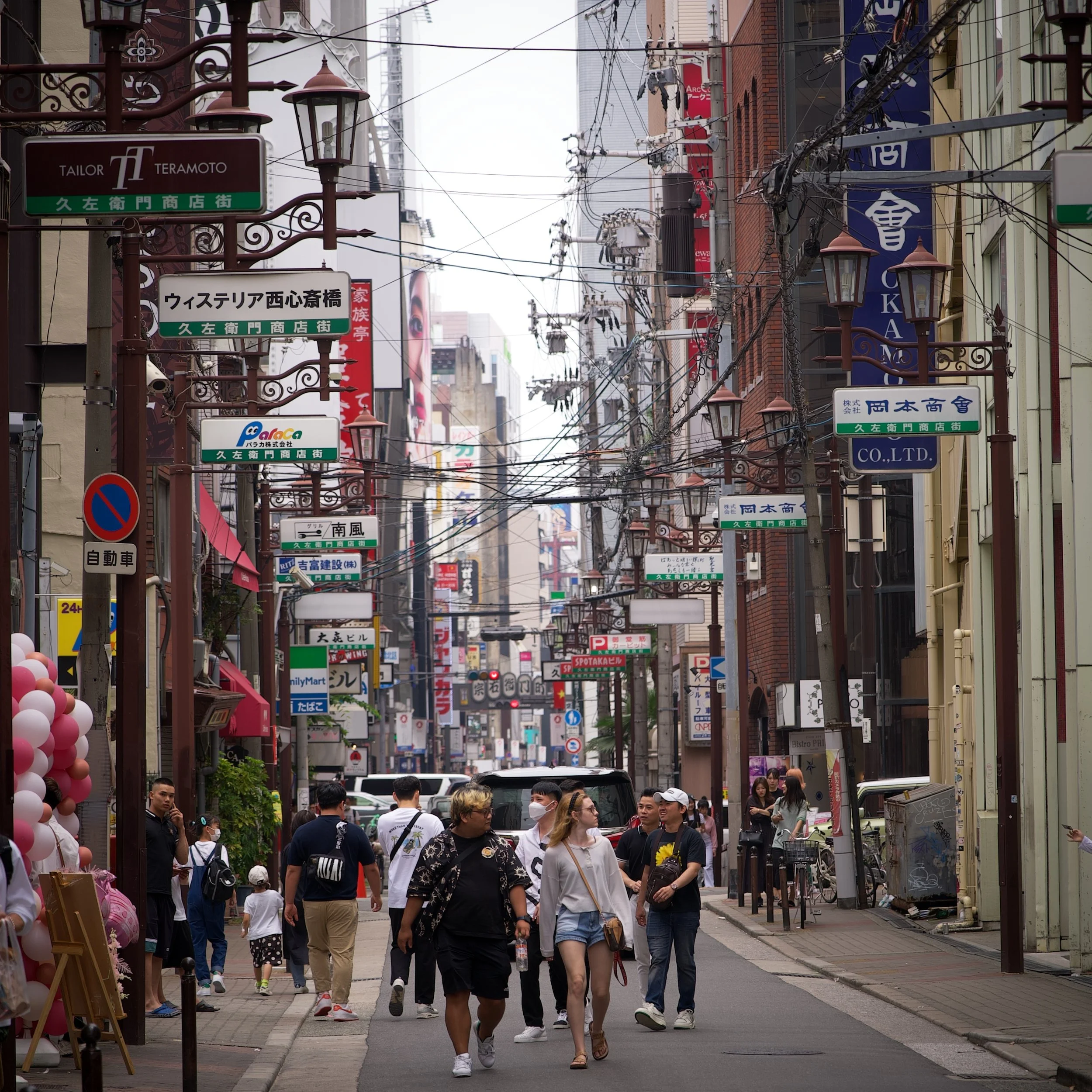
Osaka is Japan with the volume turned up a notch. It’s energetic, food-obsessed, neon-lit, friendly, and noticeably less formal than Tokyo or Kyoto. While it may not have Kyoto’s endless temples or Tokyo’s sheer scale, Osaka is one of the easiest Japanese cities to simply have fun in—especially if eating your way through a city sounds like a perfectly reasonable vacation strategy.
Overview & Vibe
If Tokyo feels polished and futuristic and Kyoto feels traditional and refined, Osaka feels fun.
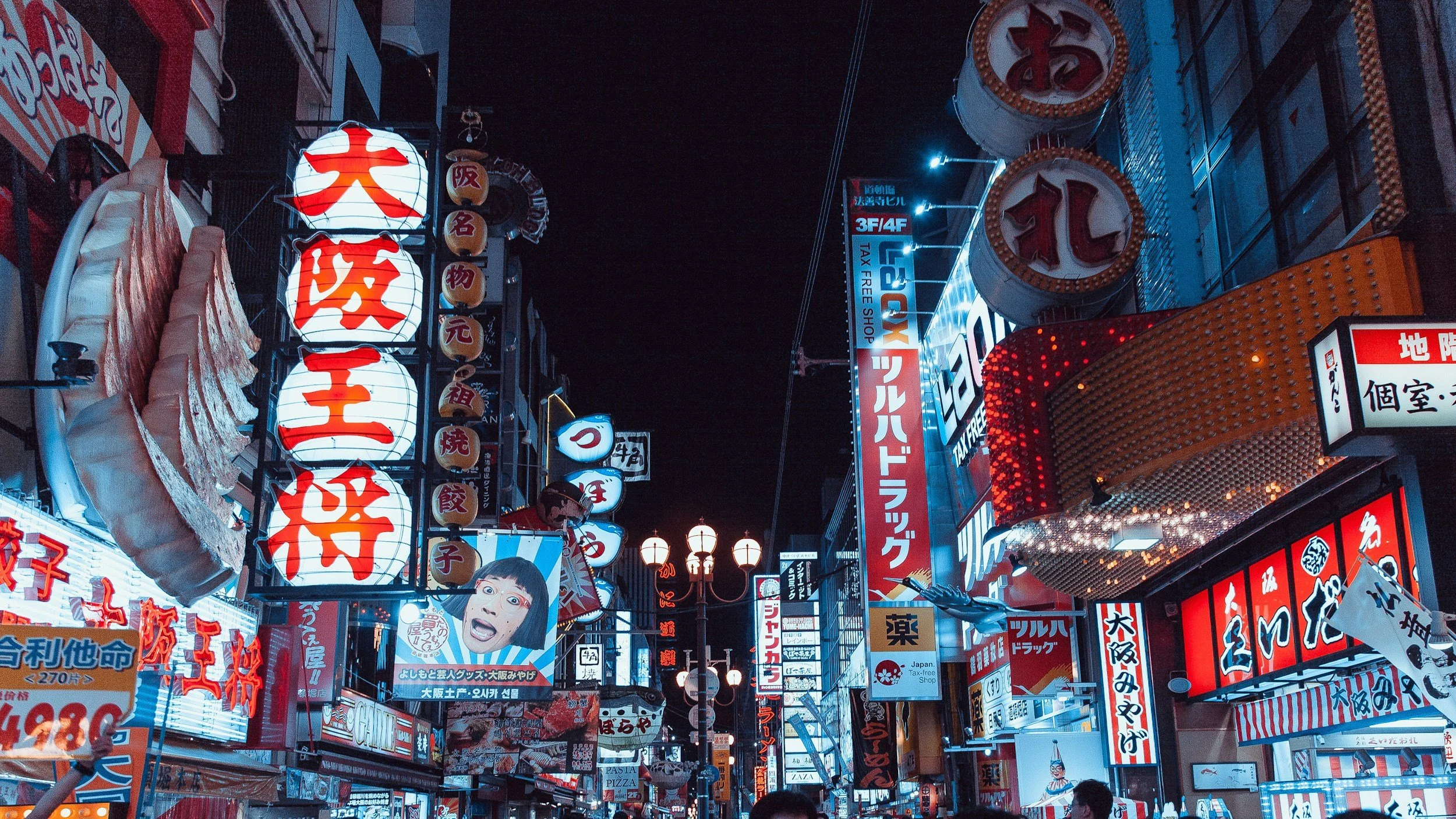
The city is louder, brighter, slightly rougher around the edges, and much more casual. Giant illuminated signs hang over streets, restaurants spill into narrow alleyways, covered shopping arcades stretch for blocks, and tiny bars are squeezed into spaces that look barely large enough for six people.
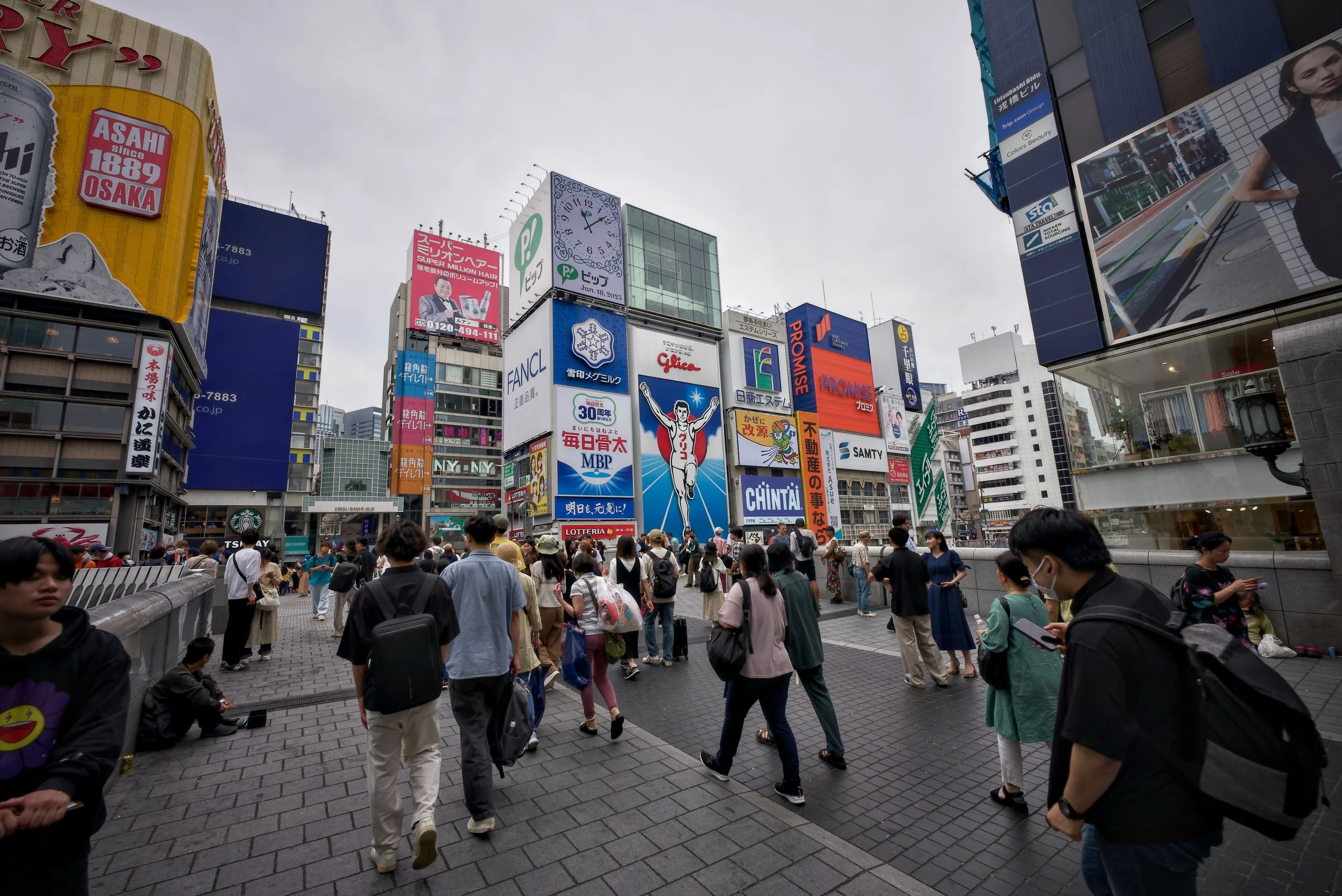
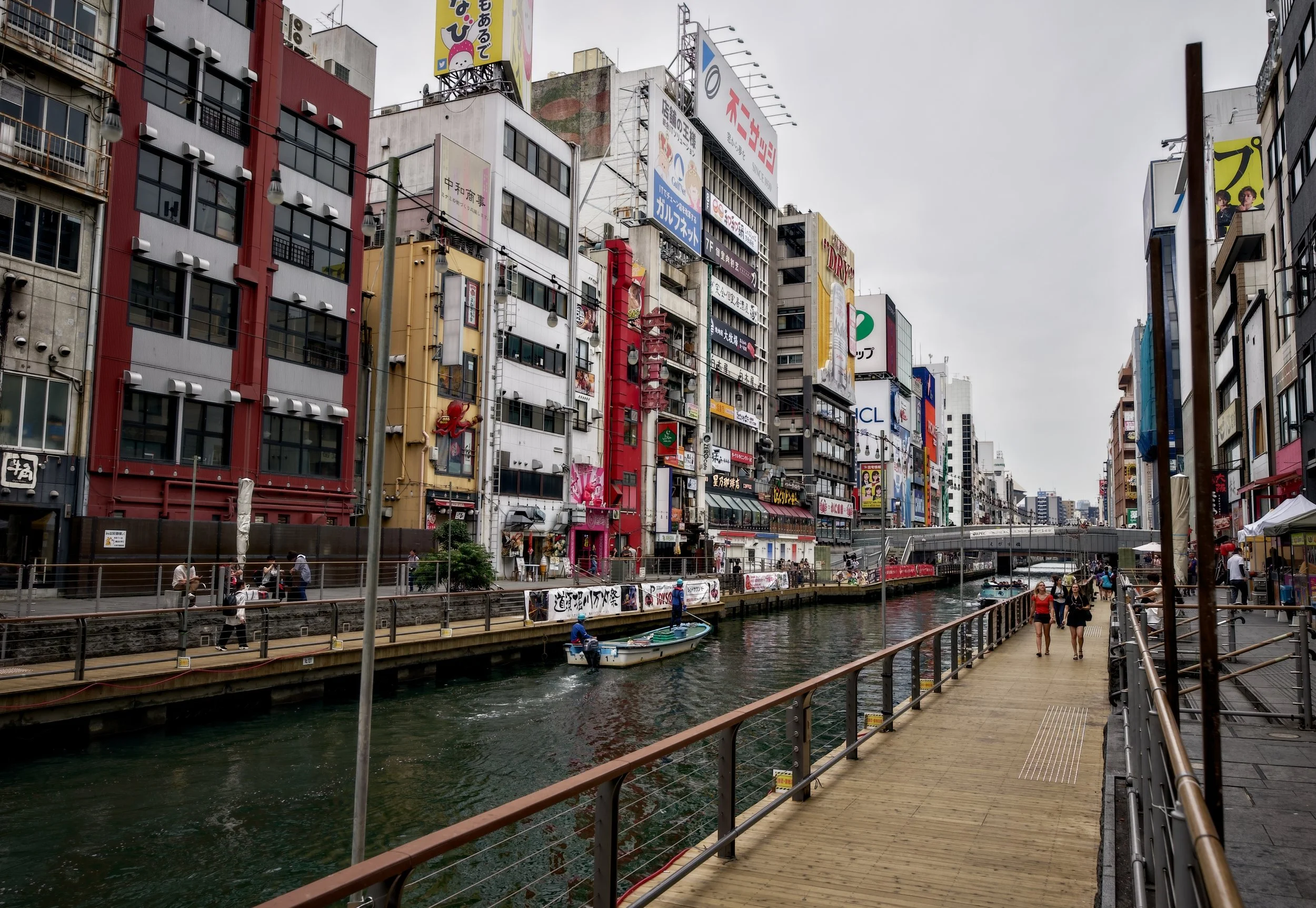
At the center of the visitor experience is Dotonbori, where enormous signs, glowing billboards, restaurants, shops, arcades, and crowds surround the canal. The famous Glico Running Man sign has become one of Osaka's most recognizable landmarks.
But Osaka is much more than Dotonbori.
Head south toward Shinsekai and you'll find an older, more nostalgic side of the city centered around Tsutenkaku Tower. Travel north and Umeda feels completely different, with modern skyscrapers, department stores, underground shopping centers, restaurants, and one of Japan's busiest transportation hubs.
One of Osaka's biggest advantages is its location. Kyoto, Nara, Kobe, and Himeji are all easily reachable, making Osaka one of the best home bases for exploring western Japan.
If Kyoto is the city you visit to admire Japan, Osaka may be the city where you loosen up and enjoy it.
Quick & Fun Facts
Region: Kansai
Population: About 2.8 million in Osaka City and roughly 19 million in the greater Keihanshin metropolitan region
Currency: Japanese Yen (¥ / JPY)
Language: Japanese
Time Zone: Japan Standard Time (JST), UTC +9
Major Airports: Kansai International Airport (KIX) and Osaka Itami Airport (ITM)
Best Known For: Street food, Dotonbori, Osaka Castle, nightlife, Universal Studios Japan, shopping, and an outgoing local culture
Typical Stay: 3–4 days, or longer if using Osaka as a base for exploring the Kansai region
Osaka has historically been known as “Japan’s Kitchen.” During the Edo period, it developed into one of the country’s most important commercial centers and a major hub for food and rice distribution.
Food is still a huge part of Osaka's identity. There's even a famous local expression, kuidaore, which roughly conveys the idea of eating until you drop—or spending yourself into ruin on food. In other words, Osaka takes dinner pretty seriously.
Osaka is also part of the enormous Keihanshin metropolitan area, which includes Osaka, Kyoto, Kobe, and the surrounding cities. Together, it forms one of the largest urban regions in the world.
And if people seem a little more outgoing here, you're probably not imagining it. Osaka has a reputation within Japan for being more casual, humorous, outspoken, and approachable than many other major Japanese cities.
Best Time to Visit
The best overall times to visit Osaka are generally March through May and October through November.
Spring brings mild temperatures and cherry blossoms, usually peaking around late March or early April. The downside is popularity. Cherry blossom season is one of the busiest periods of the year, so expect larger crowds and higher accommodation prices.
October and November may offer the best overall combination of comfortable temperatures, lower humidity, and autumn colors. November is especially pleasant for walking around the city and taking day trips throughout Kansai.
Summer can be rough. June begins Japan's rainy season, while July and August are extremely hot and humid. Daytime temperatures regularly reach the 90s°F (32°C+) and the humidity can make it feel significantly hotter.
September can still be hot and is part of Japan's typhoon season, although a typhoon obviously doesn't hit Osaka every time one forms.
Winter is underrated. December through February is cooler but generally manageable, and Osaka usually receives very little snow. If you're more interested in food, nightlife, and sightseeing than gardens and cherry blossoms, winter can be an excellent time to visit with fewer crowds.
Tennoji
Best for value and a more local feel.
Tennoji is south of Namba and offers excellent transportation, shopping, restaurants, parks, and generally better hotel value.
You're close to Shinsekai while still being only a short train or subway ride from Namba.
If hotel prices around Dotonbori are getting ridiculous, Tennoji is definitely worth checking.
Shinsekai
Shinsekai is colorful, inexpensive, quirky, and full of character.
It's worth visiting, but we wouldn't automatically recommend staying directly in the busiest part of Shinsekai for every first-time visitor. Some streets can feel considerably grittier and quieter late at night than Namba or Shinsaibashi.
Osaka is still extremely safe by international standards, but this area simply has a different atmosphere.
Where to Stay
For most first-time visitors, we'd concentrate on Namba, Shinsaibashi, Umeda, or Tennoji. Each gives you a very different Osaka experience.
Namba & Dotonbori
Best for first-time visitors, food, nightlife, and being in the middle of everything.
Namba puts you within walking distance of Dotonbori, Kuromon Market, Shinsaibashi, Amerikamura, and hundreds of restaurants and bars.
It's exciting and incredibly convenient, but it can also be crowded, noisy, and chaotic. If you want to walk outside your hotel and immediately feel like you're in Osaka, this is probably where you want to stay.
Shinsaibashi
Best for shopping, restaurants, nightlife, and a slightly less chaotic alternative to Dotonbori.
Shinsaibashi sits just north of Dotonbori and gives you easy access to the entertainment district without necessarily sleeping directly above it.
The enormous Shinsaibashi-suji covered shopping street runs through the area, and Amerikamura adds vintage stores, cafés, street fashion, and a younger atmosphere.
For many visitors, Shinsaibashi is one of the best all-around places to stay in Osaka.
Umeda / Osaka Station
Best for transportation and day trips.
Umeda is Osaka's modern northern downtown. Instead of narrow neon streets, you'll find skyscrapers, huge department stores, underground malls, restaurants, hotels, and major transportation connections.
It's especially convenient if you're planning trips to places like Kyoto, Kobe or Himeji.
The trade-off is atmosphere. Umeda feels more like a modern business and shopping district and less like the Osaka most tourists imagine.
Things to Do & See
Explore Dotonbori
You haven't really experienced Osaka until you've walked through Dotonbori after dark.
Come hungry.
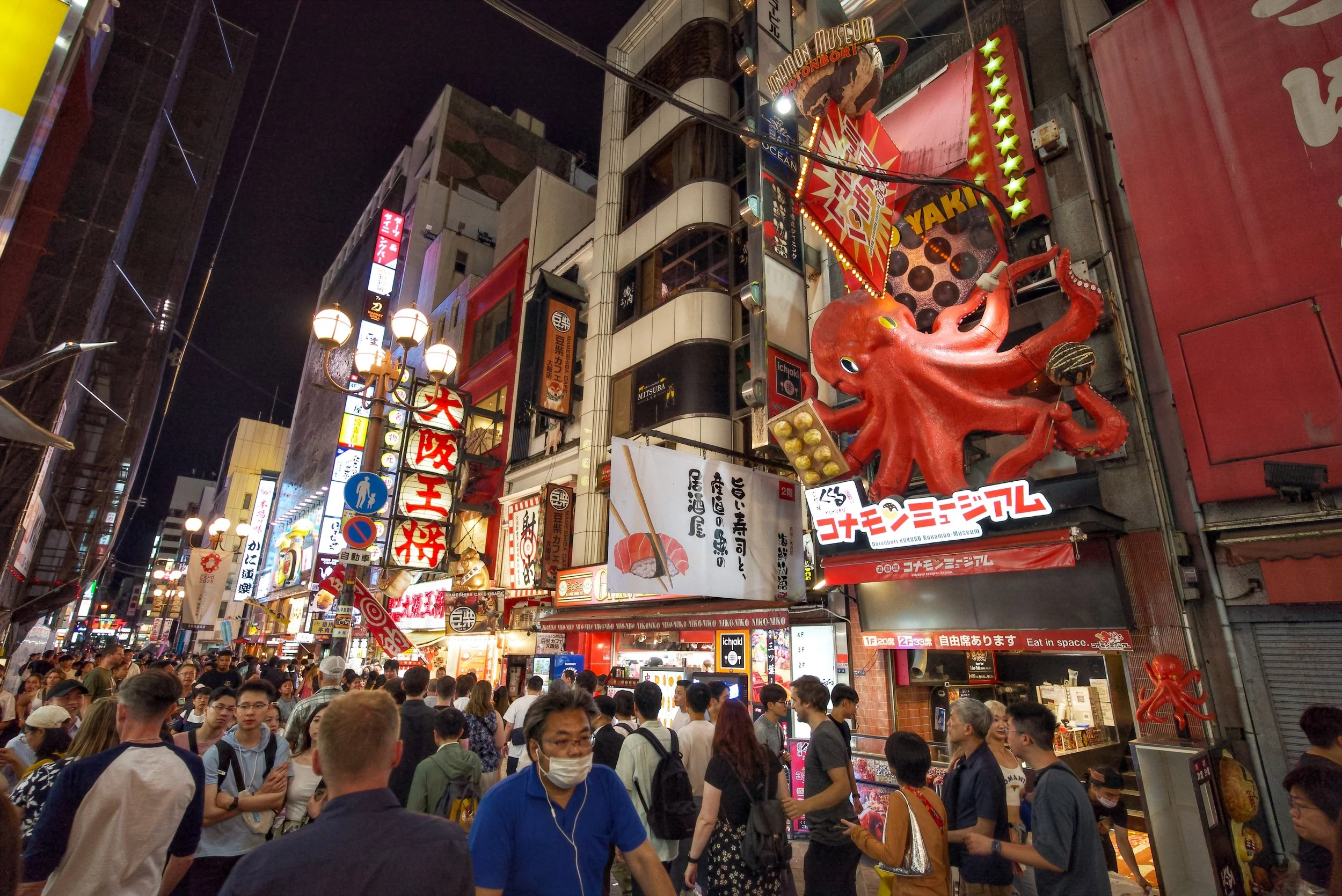
The canal is surrounded by enormous animated signs, restaurants, street-food stands, arcades, shops, and thousands of people. Find the Glico Running Man, walk along the river, explore the side streets and resist the temptation to eat at the first restaurant you see.
There's always another one 30 feet away.
Visit Osaka Castle
Osaka Castle is one of the city's signature landmarks.
The current structure is a reconstruction, and the interior functions primarily as a museum rather than an original historic castle interior. Even if you don't go inside, the surrounding Osaka Castle Park is worth visiting.
The grounds are especially beautiful during cherry blossom season.
Eat Your Way Through Kuromon Ichiba Market
Kuromon Market has been supplying Osaka with seafood, produce, meat and other foods for generations.
Today it's also extremely popular with tourists. You'll find sushi, grilled seafood, wagyu, fruit, sweets, scallops, oysters and plenty of other snacks.
Prices at some stalls reflect its popularity, so look around before buying.
Walk Through Shinsekai
Centered around Tsutenkaku Tower, Shinsekai feels completely different from modern Osaka.
Retro signs, inexpensive restaurants, game arcades and kushikatsu restaurants give the neighborhood a nostalgic atmosphere.
Visit during the day, then stay until after dark when the signs turn on.
Explore Shinsaibashi & Amerikamura
Shinsaibashi-suji is one of Osaka's best-known shopping streets, stretching for hundreds of meters beneath a covered arcade.
Just west is Amerikamura, or "Amemura," a youth-oriented neighborhood filled with vintage clothing stores, streetwear, cafés, bars and street art.
See Osaka From Above
Osaka looks particularly impressive at night.
The Umeda Sky Building offers panoramic views from its Floating Garden Observatory, while Abeno Harukas provides another spectacular viewpoint from one of Japan's tallest skyscrapers.
You probably don't need to do both unless you're really into observation decks.
Visit Universal Studios Japan
Universal Studios Japan is one of Osaka's biggest attractions and can easily consume an entire day.
Super Nintendo World is the headline attraction for many visitors, and Harry Potter remains extremely popular.
Tickets should generally be purchased ahead of time, and during busy periods you'll want to research Express Passes and timed-entry requirements before arriving rather than figuring everything out at the gate.
Visit Namba Yasaka Shrine
One of Osaka's most unusual shrines features an enormous lion-head-shaped stage.
It's relatively small and doesn't require much time, making it an easy stop while exploring Namba.
Take a Day Trip
One of the biggest reasons to spend extra nights in Osaka is what's nearby.
Kyoto is roughly 30–60 minutes away depending on your starting point and train. Nara is around 35–50 minutes away, while Kobe can be reached in roughly 20–40 minutes. Himeji Castle is also an excellent longer day trip.
You could easily spend a week based in Osaka without running out of things to do.
Getting Around
Osaka's public transportation is excellent, and you do not need a rental car to explore the city.
The Osaka Metro will handle most sightseeing trips. The Midosuji Line is particularly useful because it connects major areas including Shin-Osaka, Umeda, Shinsaibashi, Namba and Tennoji.
JR trains become especially useful when traveling around the broader region, while private railways such as Hankyu, Hanshin, Keihan, Kintetsu and Nankai provide additional connections throughout Kansai.
For most travelers, the easiest approach is using an IC card such as ICOCA or another compatible Japanese transit card. Tap into the station, tap out at your destination and let the system calculate the fare.
Google Maps is extremely useful in Osaka because it normally tells you which train to take, departure times, platform information and often which station exit is most convenient.
And that last part matters.
Some Osaka stations are enormous underground labyrinths. Umeda/Osaka Station in particular can feel like someone built a shopping mall, train station and underground city on top of each other and then hid all the exits.
Pay attention to exit numbers.
Cheesecake
Osaka-style jiggly cheesecake has become famous internationally, with Rikuro's Cheesecake being the name most visitors encounter.
Is it touristy? Absolutely.
Are you probably still going to buy one? Also absolutely.
Local Foods to Try
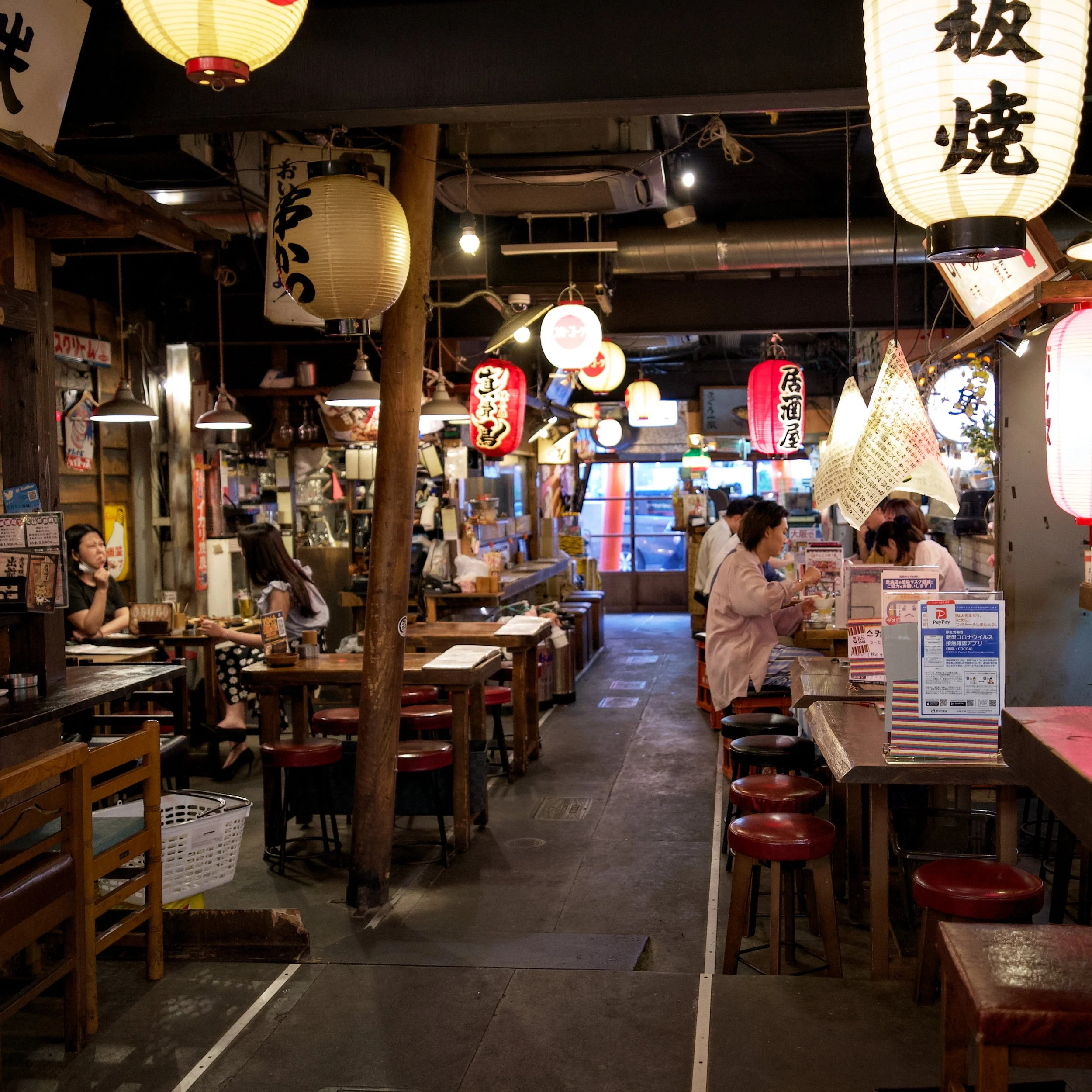
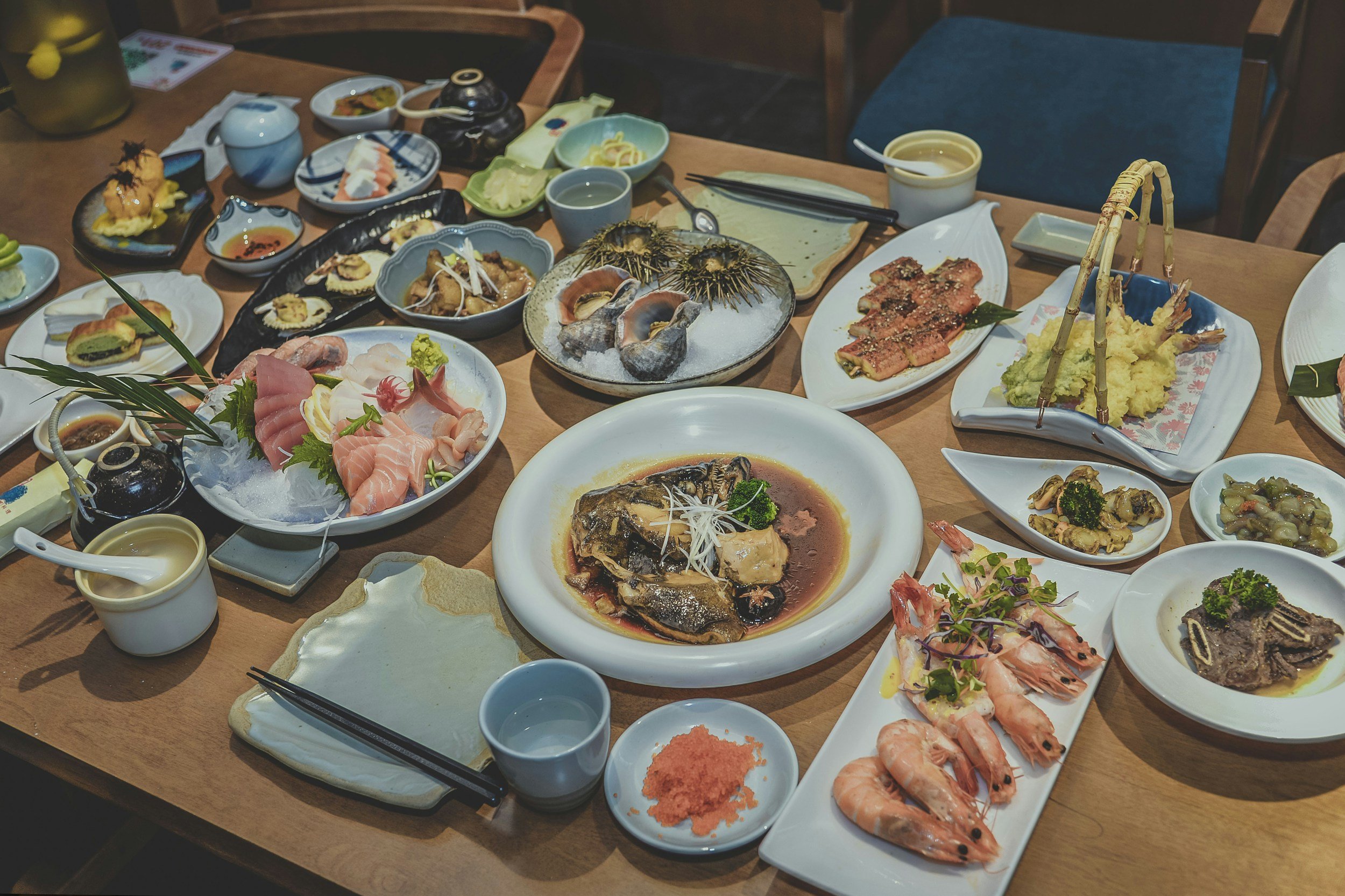
Osaka might be the easiest city in Japan to build an entire itinerary around food.
Takoyaki
Probably Osaka's most famous street food.
These small balls of batter contain pieces of octopus and are typically topped with takoyaki sauce, mayonnaise, bonito flakes and seaweed.
One warning: they can be approximately the temperature of molten lava when handed to you. Give them a minute.
Okonomiyaki
Often described as a Japanese savory pancake, although that description doesn't really do it justice.
Osaka-style okonomiyaki combines batter, cabbage and various ingredients on a griddle before being topped with sauce, mayonnaise, bonito flakes and other toppings.
Kushikatsu
Pieces of meat, seafood, cheese or vegetables are skewered, breaded and deep-fried.
Shinsekai is especially famous for kushikatsu restaurants.
Kitsune Udon
Thick udon noodles served in broth with a large piece of sweet fried tofu.
It's simple, inexpensive comfort food and strongly associated with Osaka.
Negiyaki
Similar to okonomiyaki but packed with green onions and typically lighter than its cabbage-heavy cousin.
Butaman
Japanese steamed pork buns are a great inexpensive snack, particularly during cooler weather.
Yakiniku
Osaka has an excellent Korean food culture, particularly around Tsuruhashi, where you'll find numerous Korean restaurants and yakiniku spots where you grill meat at the table.
Common Mistakes to Avoid
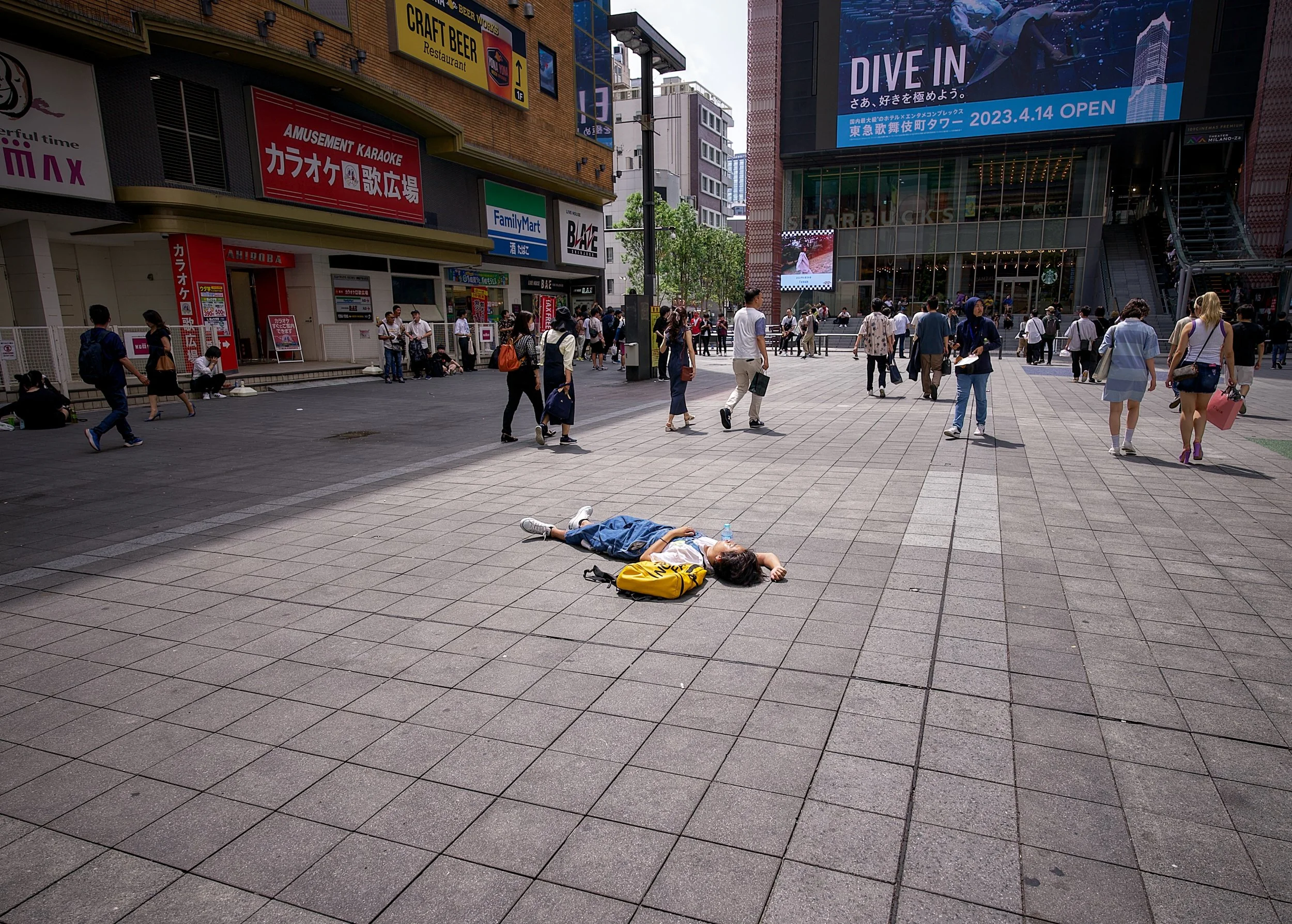
One of the biggest mistakes is treating Osaka as nothing more than a place to sleep while visiting Kyoto. Osaka deserves at least a couple of full days of its own.
Another mistake is staying too far from a useful train or subway station to save a few dollars. Osaka is huge. Being five minutes from a useful station is often worth considerably more than saving a small amount on your hotel.
Don't assume every restaurant around Dotonbori is automatically great simply because there's a giant mechanical crab hanging over the entrance. Some excellent food exists in the tourist district, but so do tourist prices. Walk a few blocks away and you'll often find smaller restaurants offering better value.
Don't overpack your itinerary. Osaka rewards wandering. Some of the best experiences happen when you leave the main shopping street and disappear into the side streets.
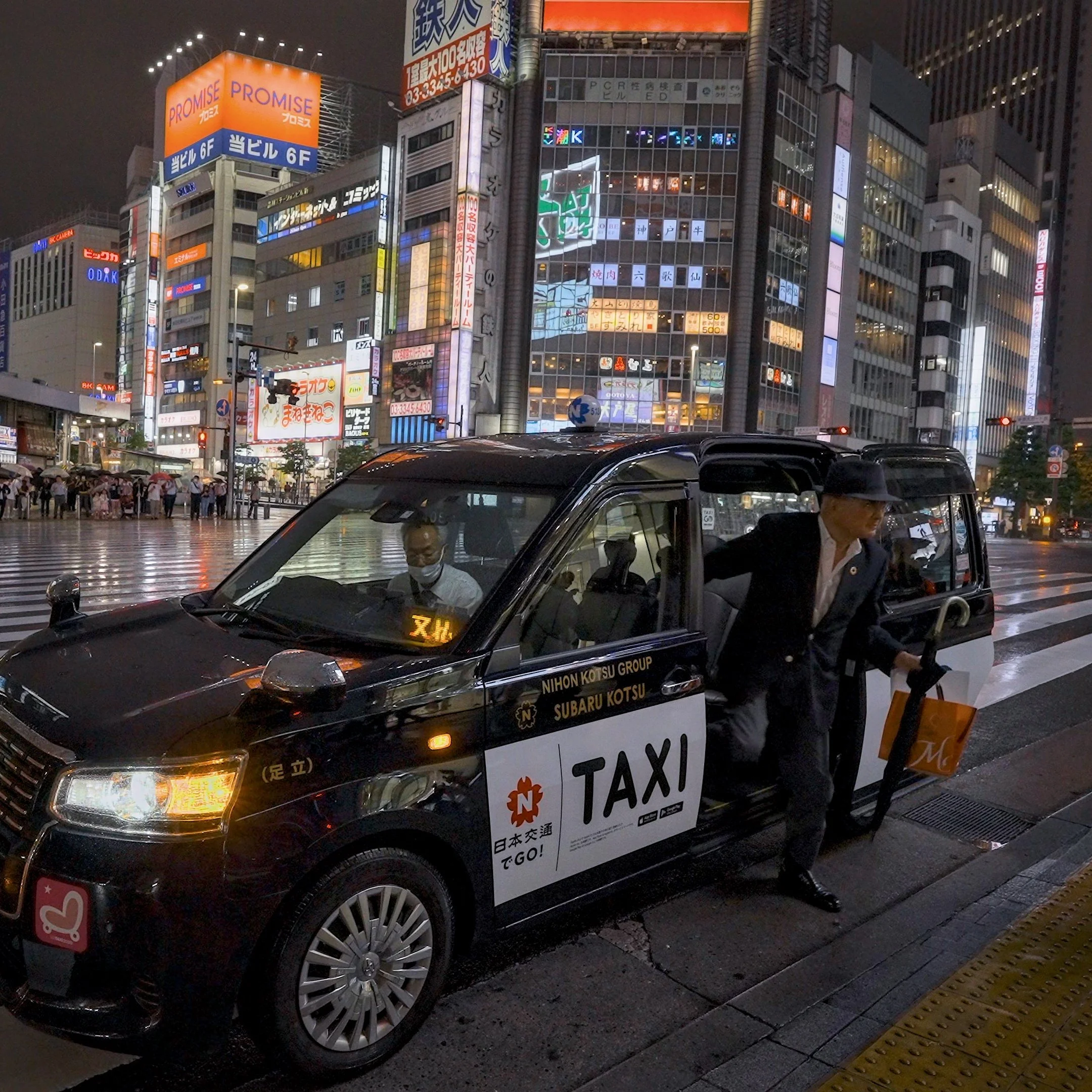
Avoid taking taxis everywhere. They're clean and convenient but expensive compared with Osaka's excellent public transportation.
Don't forget that many restaurants are small. Showing up with large suitcases or a big group can create problems in tiny ramen shops, izakayas and neighborhood restaurants.
And don't underestimate how hot Osaka gets during summer. Exploring Dotonbori, Osaka Castle and Shinsekai for eight hours in August humidity is a very different experience from looking at those same places on Google Maps from an air-conditioned hotel room.
Safety & Things to Know
Osaka is very safe by international big-city standards, and violent crime involving tourists is uncommon. Walking around central neighborhoods at night generally isn't something most visitors need to worry about.
Normal precautions still apply.
Entertainment districts around Namba, Dotonbori and parts of Shinsekai can become rowdier late at night. Be cautious about following street touts into bars or clubs, particularly when prices aren't clearly explained beforehand.
Japan also has strict drug laws. Something legal or casually tolerated at home can create serious legal problems in Japan.
Carry some cash. Japan has become much more credit-card friendly, but small restaurants, markets, ticket machines and neighborhood businesses may still prefer or require cash.
Convenience stores are your friend. 7-Eleven, FamilyMart and Lawson have ATMs, inexpensive meals, snacks, drinks and countless everyday travel necessities.
Trash cans can be surprisingly difficult to find. You'll often need to carry your trash until you return to your hotel or find bins at a convenience store or station.
Escalator etiquette is another Osaka quirk. Traditionally, people in Osaka have stood on the right, unlike Tokyo where standing on the left has been common. However, railway operators increasingly encourage passengers to stand rather than walk on escalators, so simply follow the signs and what people around you are doing.
Most importantly, don't rush Osaka.
Tokyo impresses you with its size. Kyoto impresses you with its beauty and history. Osaka tends to win people over through food, personality and sheer fun.
Spend an evening wandering Dotonbori, eat something you can't pronounce, squeeze into a tiny neighborhood restaurant, explore the streets around Shinsekai after dark and give yourself time to experience the city beyond its major attractions.
Osaka isn't necessarily the prettiest city in Japan—and that's part of why it's so likable. It's messy, energetic, delicious and unapologetically itself.