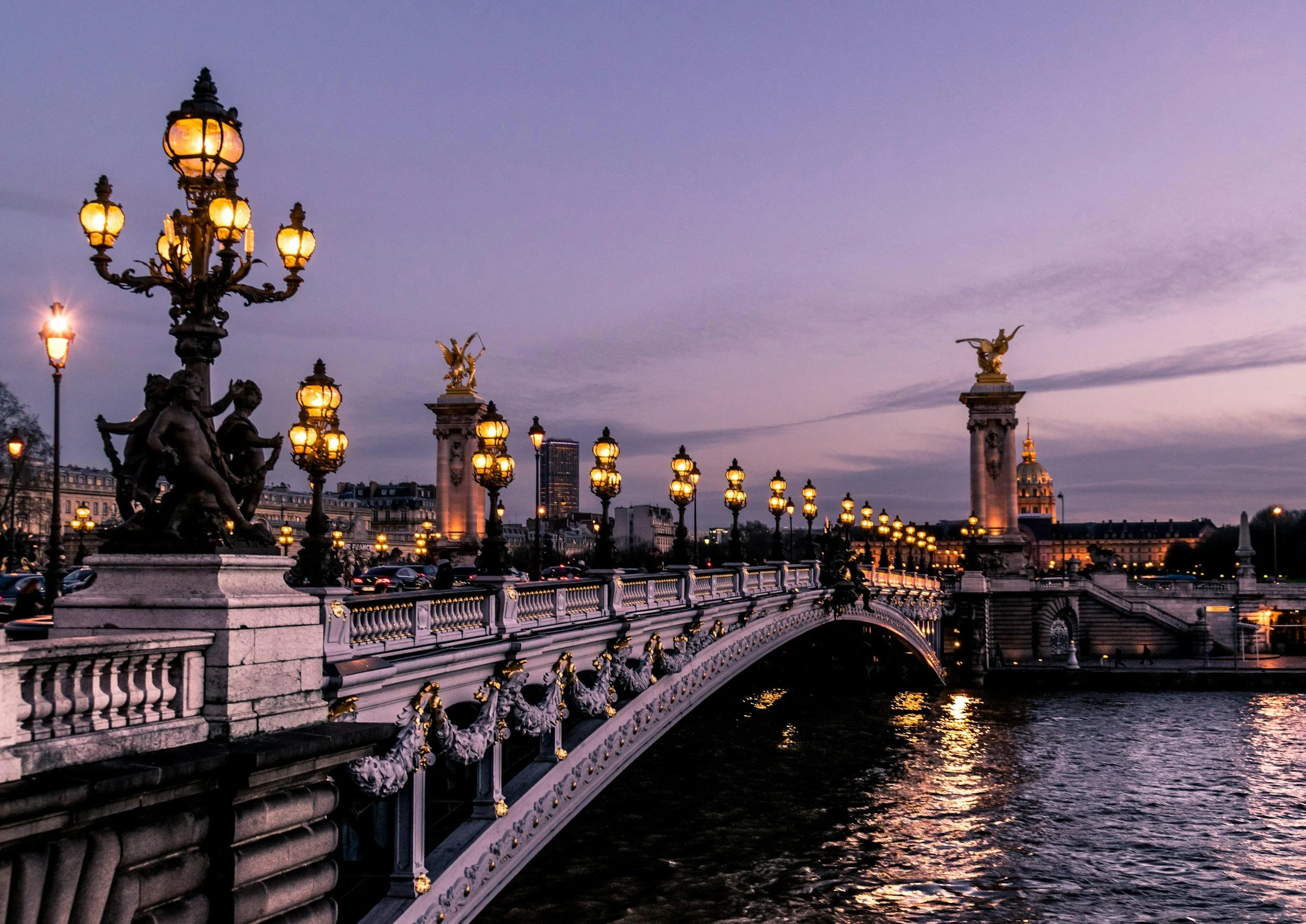
Paris 🇫🇷
Paris is one of those cities that almost everyone thinks they know before they arrive. The Eiffel Tower, sidewalk cafés, croissants, the Louvre and the Seine are instantly recognizable—but Paris becomes much more interesting once you get beyond the postcard version. Each neighborhood feels a little different, the Metro makes exploring surprisingly easy, and some of the best moments come from simply walking, eating and watching everyday Parisian life unfold around you.
Quick Facts & Fun Facts
Region: Île-de-France
Population: About 2.1 million in Paris proper and more than 11 million in the greater metropolitan area
Language: French
Currency: Euro (€)
Time Zone: Central European Time (CET/CEST)
Airport Codes: CDG – Charles de Gaulle | ORY – Paris Orly
Emergency Number: 112
Best Known For: Eiffel Tower, Louvre Museum, Notre-Dame, cafés, fashion, art, architecture and French cuisine
Public Transportation: Metro, RER trains, buses and trams
Tap Water: Safe to drink
Tipping: Appreciated but generally not expected at American levels because service is normally included in restaurant prices.
Fun Facts
Paris is divided into 20 arrondissements, or administrative districts, which spiral clockwise outward from the center like a snail shell.
The Eiffel Tower was originally built for the 1889 World's Fair and wasn't intended to become a permanent Paris landmark.
Paris is nicknamed La Ville Lumière — the City of Light, a reference connected to both its intellectual history and its early adoption of street lighting.
There are hundreds of miles of underground tunnels beneath Paris, including the famous Catacombs.
The Seine divides central Paris into the Right Bank (Rive Droite) and Left Bank (Rive Gauche), terms you'll hear constantly when researching where to stay.
And despite the stereotype that Paris is all grand boulevards and monuments, much of its charm is found on tiny neighborhood streets, at local markets and inside corner boulangeries.
Overview & Vibe
Paris is beautiful, chaotic, romantic, crowded, historic and occasionally frustrating—all at the same time.
The biggest mistake is treating Paris like one enormous collection of attractions that needs to be conquered. You'll enjoy it much more if you slow down. Visit the major sights, absolutely, but leave room for neighborhood walks, cafés, parks, markets and wandering along the Seine.
Central Paris is remarkably walkable. You can spend an entire day moving between neighborhoods without realizing how much ground you've covered.
The personality also changes dramatically depending on where you are. Saint-Germain feels polished and quintessentially Parisian. The Latin Quarter is lively and historic. Le Marais mixes historic streets with restaurants, boutiques and nightlife. Montmartre feels almost like a village once you get away from the busiest tourist streets.
Paris is also an outstanding city for simply doing nothing productive. Buy a baguette, cheese and something to drink, sit beside the Seine or in a park and call it sightseeing. You're in Paris—you've earned it.
Best Time to Visit
For most travelers, the sweet spots are April through early June and September through October.
Spring brings comfortable temperatures, longer days and blooming parks and gardens. September and early October can be especially nice because the summer crowds begin thinning while the weather is often still pleasant.
June through August is peak tourism season. Expect larger crowds, higher accommodation prices and potentially hot weather. Air conditioning is also not as universal—or as aggressively cold—as many American travelers are accustomed to.
November through March can be cold, gray and wet, but there are advantages. Hotel prices can be considerably lower, crowds are lighter and Paris takes on a completely different atmosphere.
December is especially appealing if you enjoy Christmas lights, decorated department stores and holiday markets.
For a combination of weather, price and manageable crowds, we'd personally target May, late September or early October.
Where to Stay
Choosing where to stay in Paris matters because your neighborhood becomes part of the experience. There isn't one universally "best" arrondissement.
Le Marais – 3rd & 4th Arrondissements
One of the best choices for first-time visitors who want to be surrounded by cafés, restaurants, shops and beautiful streets.
You'll be within walking distance of the Seine, Notre-Dame and several central attractions.
Best for: First-time visitors, walkability and atmosphere.
Saint-Germain-des-Prés – 6th Arrondissement
This is the romantic Paris many visitors imagine before arriving: cafés, beautiful architecture, galleries and easy walks along the Seine.
It's wonderful—but accommodations can be expensive.
Best for: Couples, classic Paris atmosphere and central location.
Latin Quarter – 5th Arrondissement
Historic, energetic and filled with restaurants, cafés and students thanks partly to nearby Sorbonne University.
There are plenty of touristy pockets, but it's still one of our favorite areas for travelers who want to walk everywhere.
Best for: First-time visitors, restaurants and sightseeing.
1st & 2nd Arrondissements
Extremely central and convenient for attractions such as the Louvre, Palais Royal and Tuileries Garden.
The downside is price. You're paying a premium for location.
Best for: Short visits when sightseeing convenience is the priority.
7th Arrondissement
Home to the Eiffel Tower and some of Paris's most iconic views.
It's beautiful and relatively quiet at night, but don't automatically assume staying next to the Eiffel Tower means you're staying in the best location for exploring all of Paris.
Best for: Eiffel Tower views, families and quieter evenings.
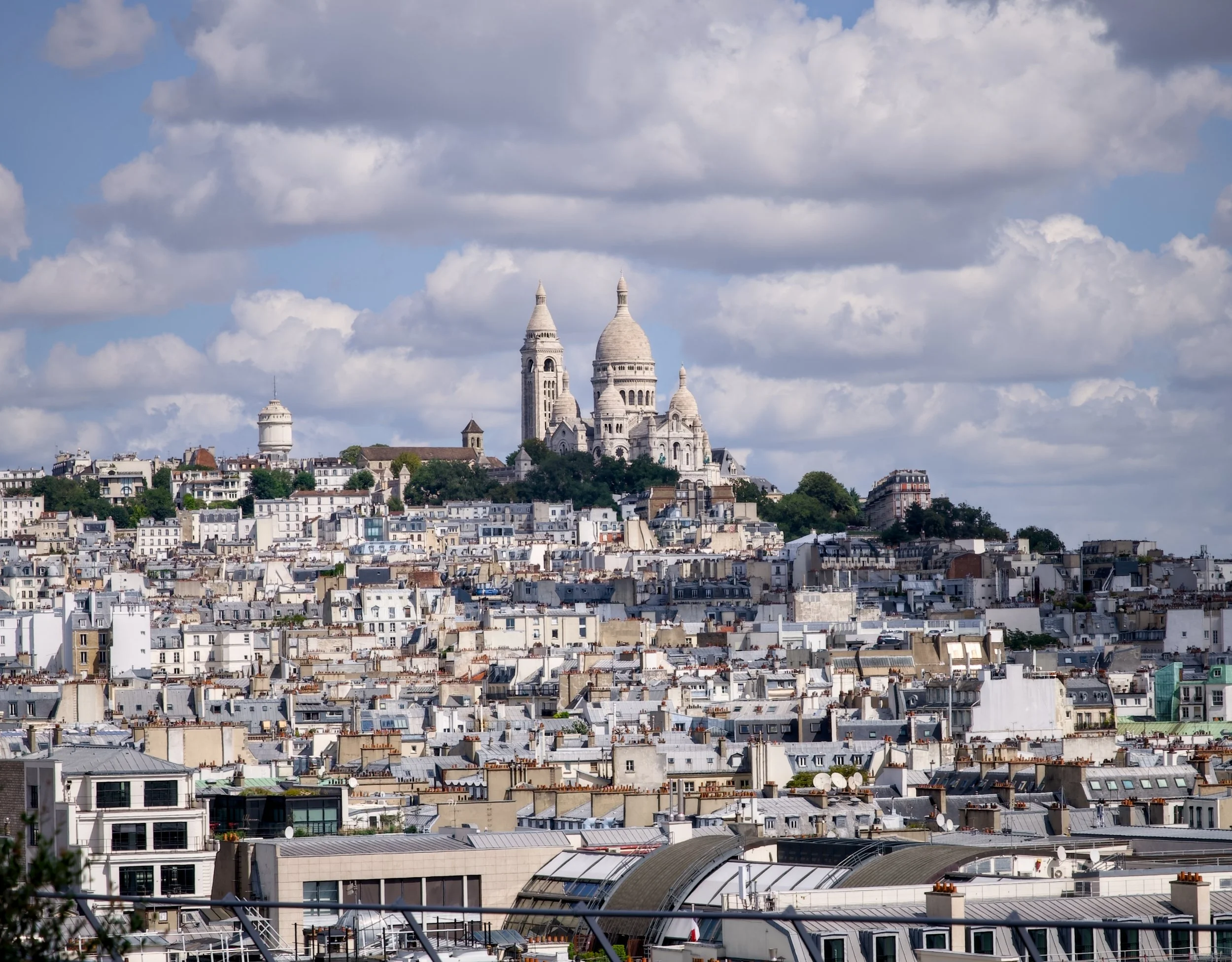
Montmartre – 18th Arrondissement
Montmartre has tremendous character, especially early in the morning and evening after many day visitors leave.
You'll find Sacré-Cœur, cafés, artists, steep stairways and some fantastic neighborhood streets. Just understand that you're farther from many central attractions.
Best for: Atmosphere, photography and travelers wanting something different from central Paris.
9th Arrondissement
A great compromise that's sometimes overlooked by first-time visitors. It's central enough for sightseeing but can offer better accommodation value than the most famous neighborhoods.
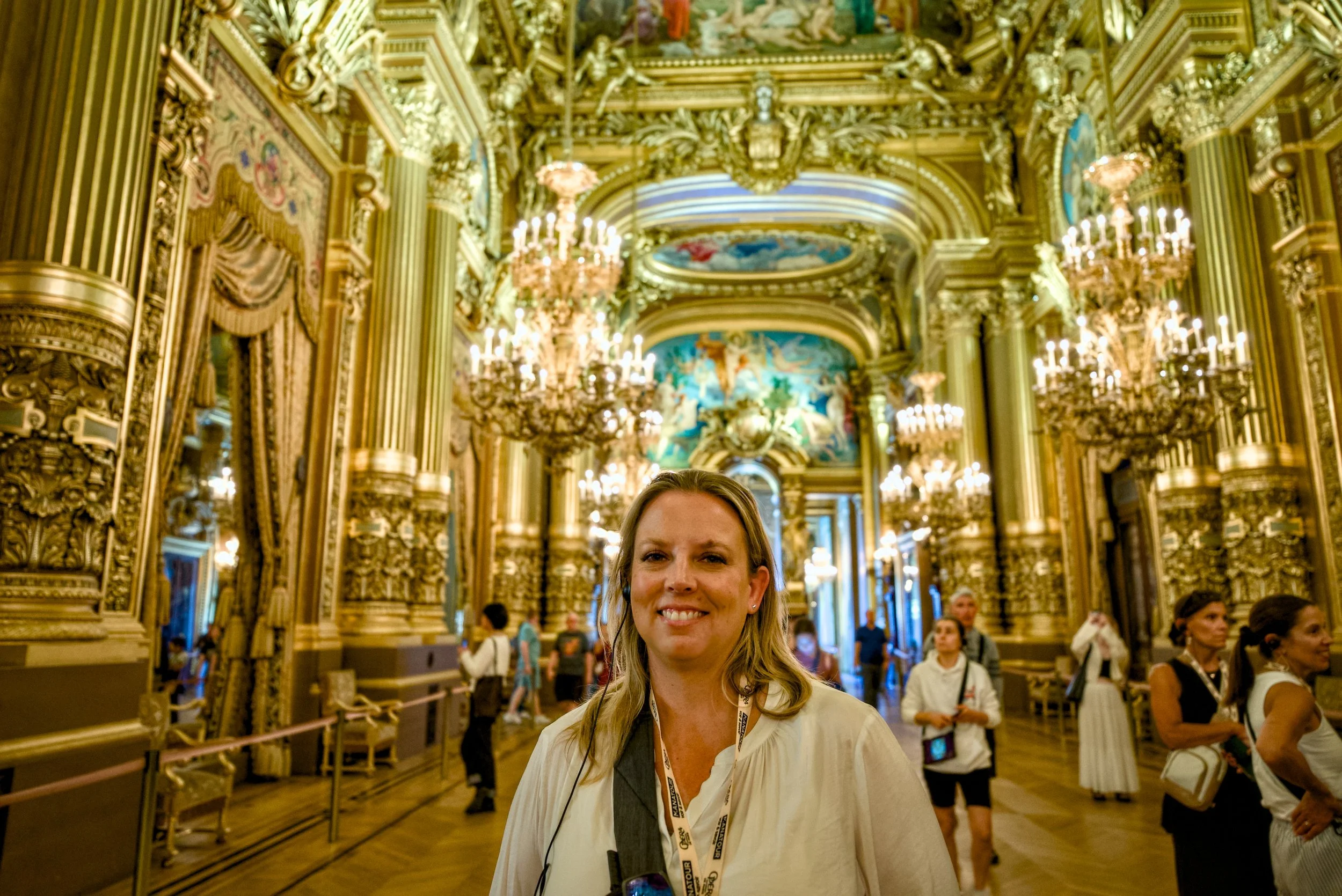
You'll also be close to the beautiful Palais Garnier and Galeries Lafayette.
Best for: Value, restaurants and transportation connections.
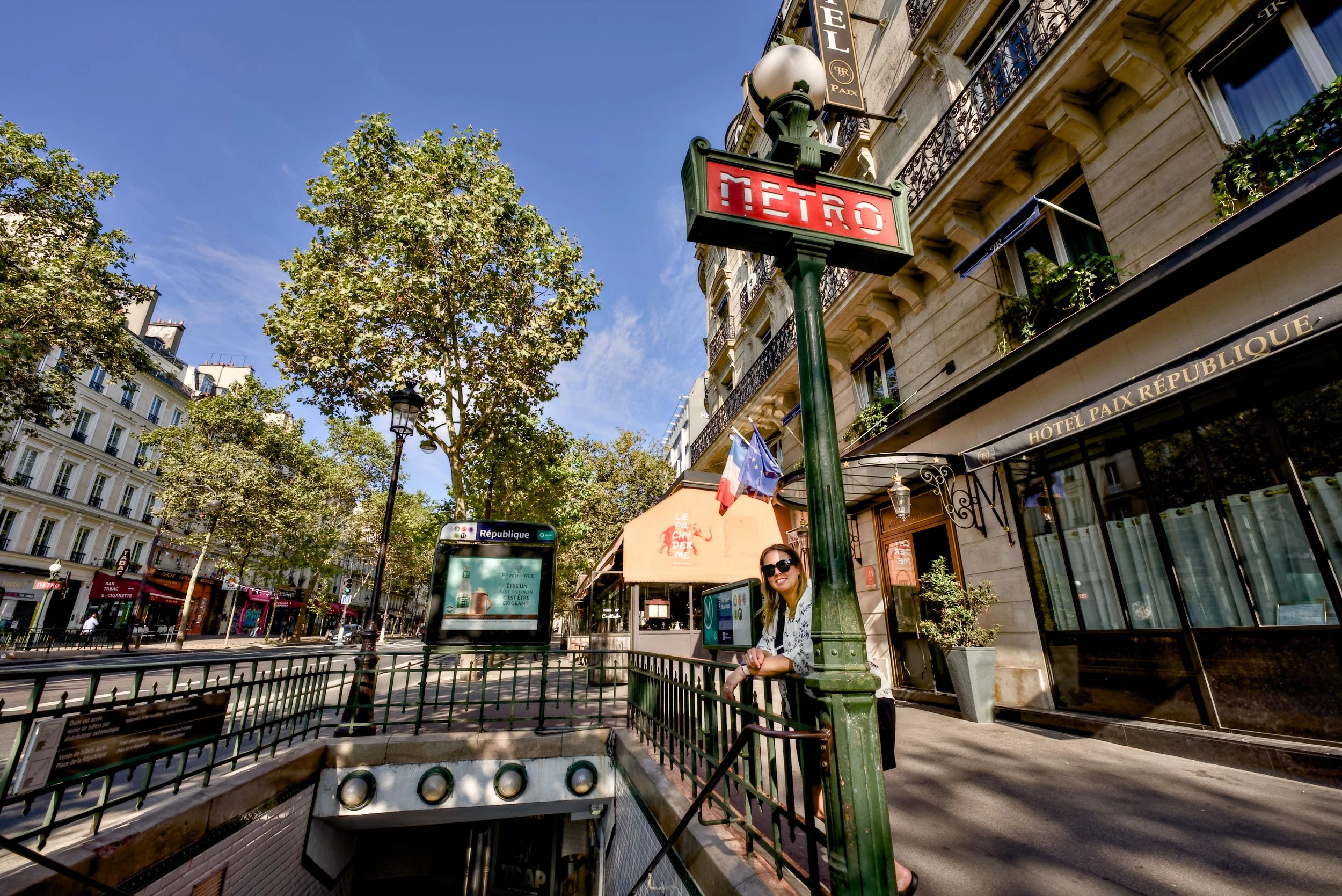
Cleared2Travel Tip: Don't choose a hotel based solely on its distance from the Eiffel Tower. Being within a short walk of a Metro station is often far more important.
Getting Around
Paris has one of Europe's most extensive public transportation systems, and you absolutely do not need a rental car.
Metro
The Metro will handle most trips within central Paris.
Stations are everywhere, trains run frequently and most major attractions are within a short walk of a station.
For tourists, Google Maps is usually sufficient for figuring out which Metro line to take and where to transfer.
RER Trains
RER trains travel farther than the Metro and connect central Paris with destinations including Charles de Gaulle Airport, Disneyland Paris and Versailles.
Pay attention to the destination and branch of the train because RER lines split outside central Paris.
Walking
Walk whenever practical.
Paris is incredibly rewarding on foot, and you'll discover cafés, bakeries, courtyards, shops and streets you'd completely miss underground.
Buses
Don't overlook Paris buses. They're slower than the Metro but allow you to actually see the city while traveling.
Taxis & Rideshare
Official taxis and rideshare services such as Uber are widely available.
Taxis can make sense when carrying luggage or traveling very early or late, but traffic can make them frustrating during busy periods.
From Charles de Gaulle Airport
Travelers can reach central Paris using the RER B train, taxi, bus or private transfer.
For two people with substantial luggage, compare the total train cost and hassle against the fixed-rate official taxi fare before automatically choosing public transportation.
Things to Do & See
You could spend weeks in Paris and barely scratch the surface, but there are several experiences we'd prioritize on a first visit.
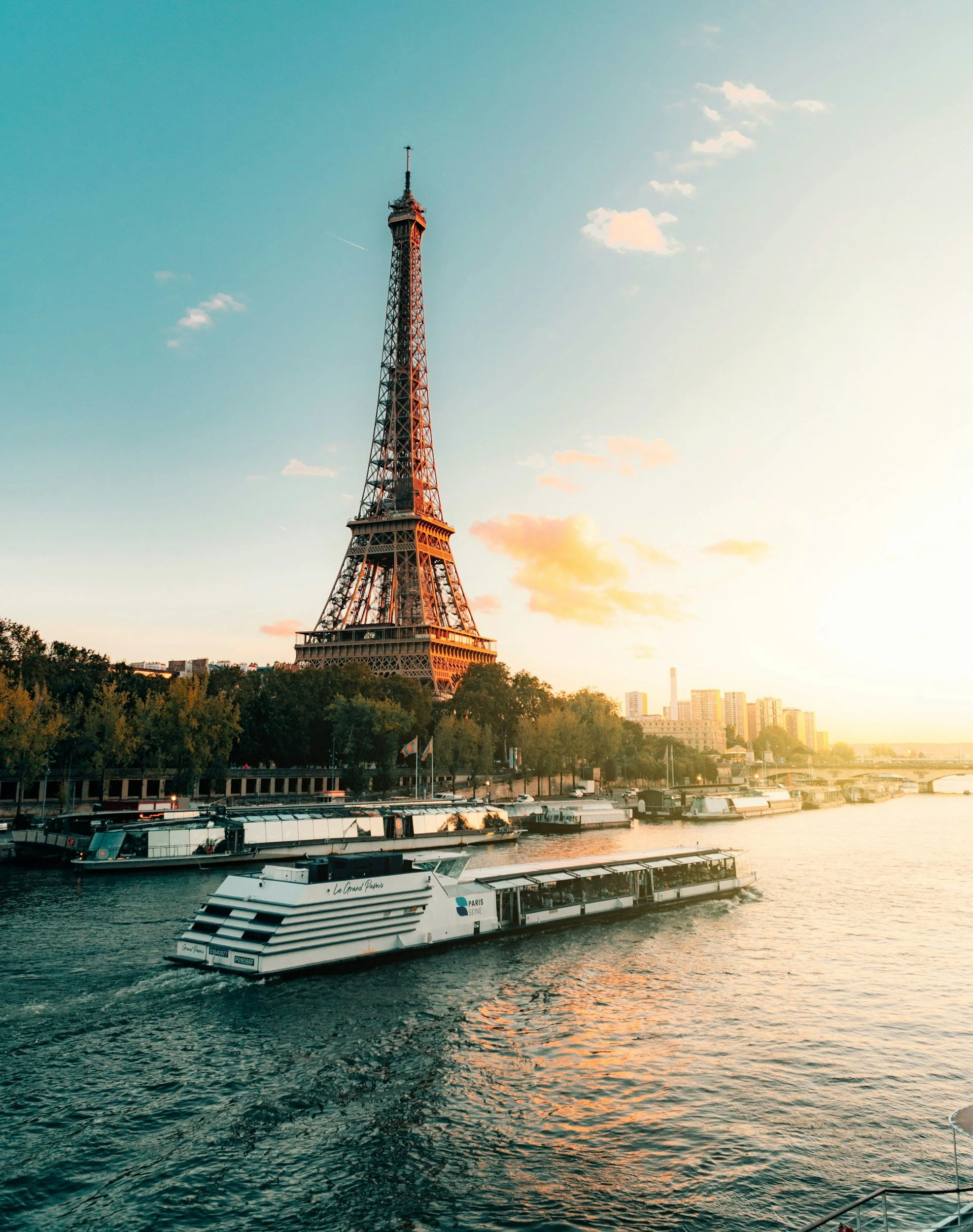
Eiffel Tower
Yes, it's touristy. Yes, it's crowded. And yes, you should still see it.
For one of the classic Paris experiences, visit the tower during daylight and then return after dark to see it illuminated.
The areas around Trocadéro and the Seine offer some of the best views.
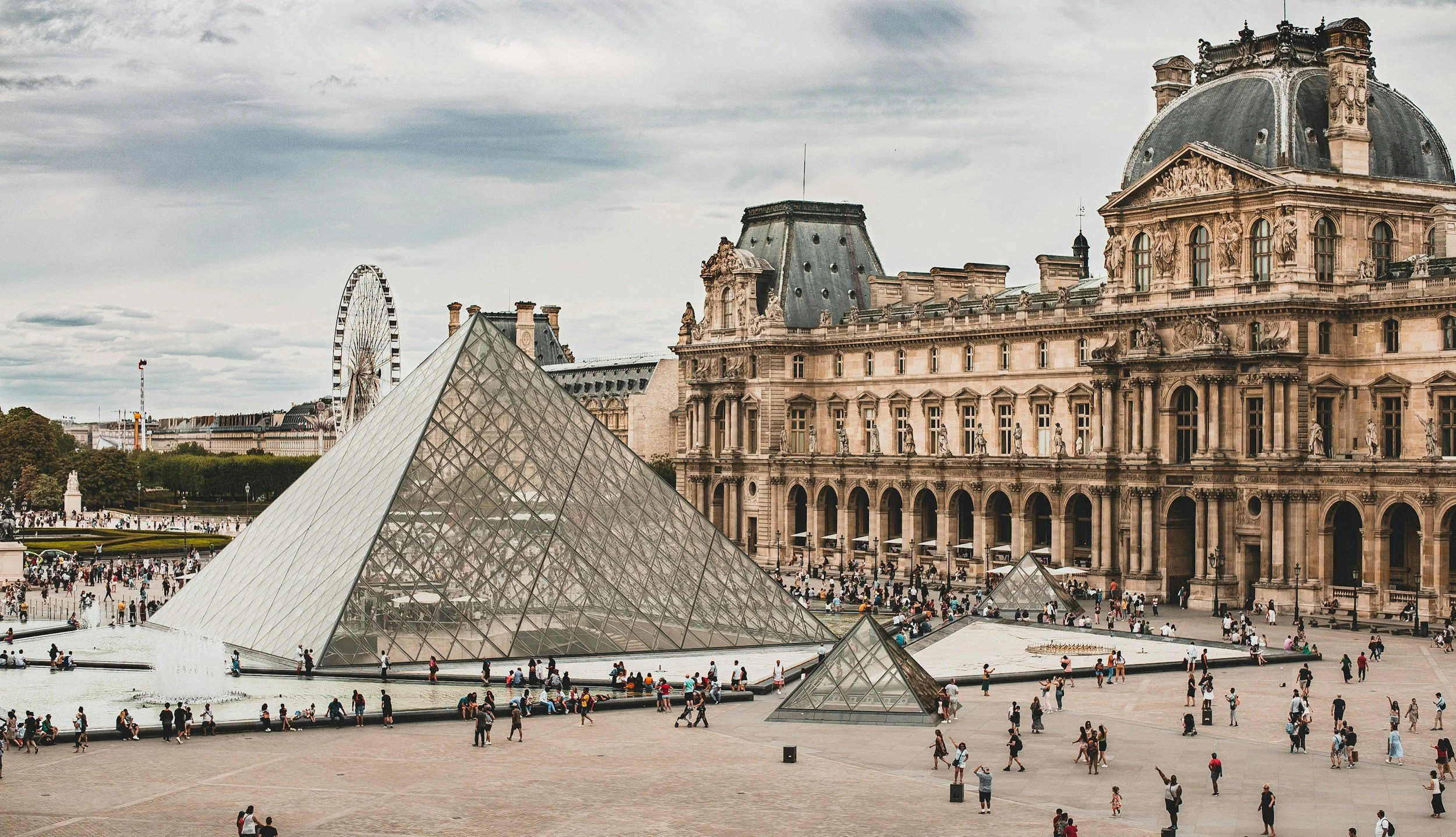
Louvre Museum
The Louvre is enormous. Trying to see everything is a recipe for museum fatigue.
If you're interested in visiting, decide beforehand what you really want to see and focus on those sections.
Notre-Dame Cathedral
One of Paris's most important landmarks and an essential stop while exploring Île de la Cité.
Combine it with a walk along the Seine and through the nearby Latin Quarter.
Sacré-Cœur & Montmartre
Walk the streets of Montmartre, visit Sacré-Cœur and enjoy the panoramic views across Paris.
Get away from the busiest streets around Place du Tertre and explore the quieter residential sections as well.
Arc de Triomphe
The Arc itself is impressive, but the rooftop view is the real reason to visit.
It's also one of the best places to photograph Paris because your skyline view actually includes the Eiffel Tower.
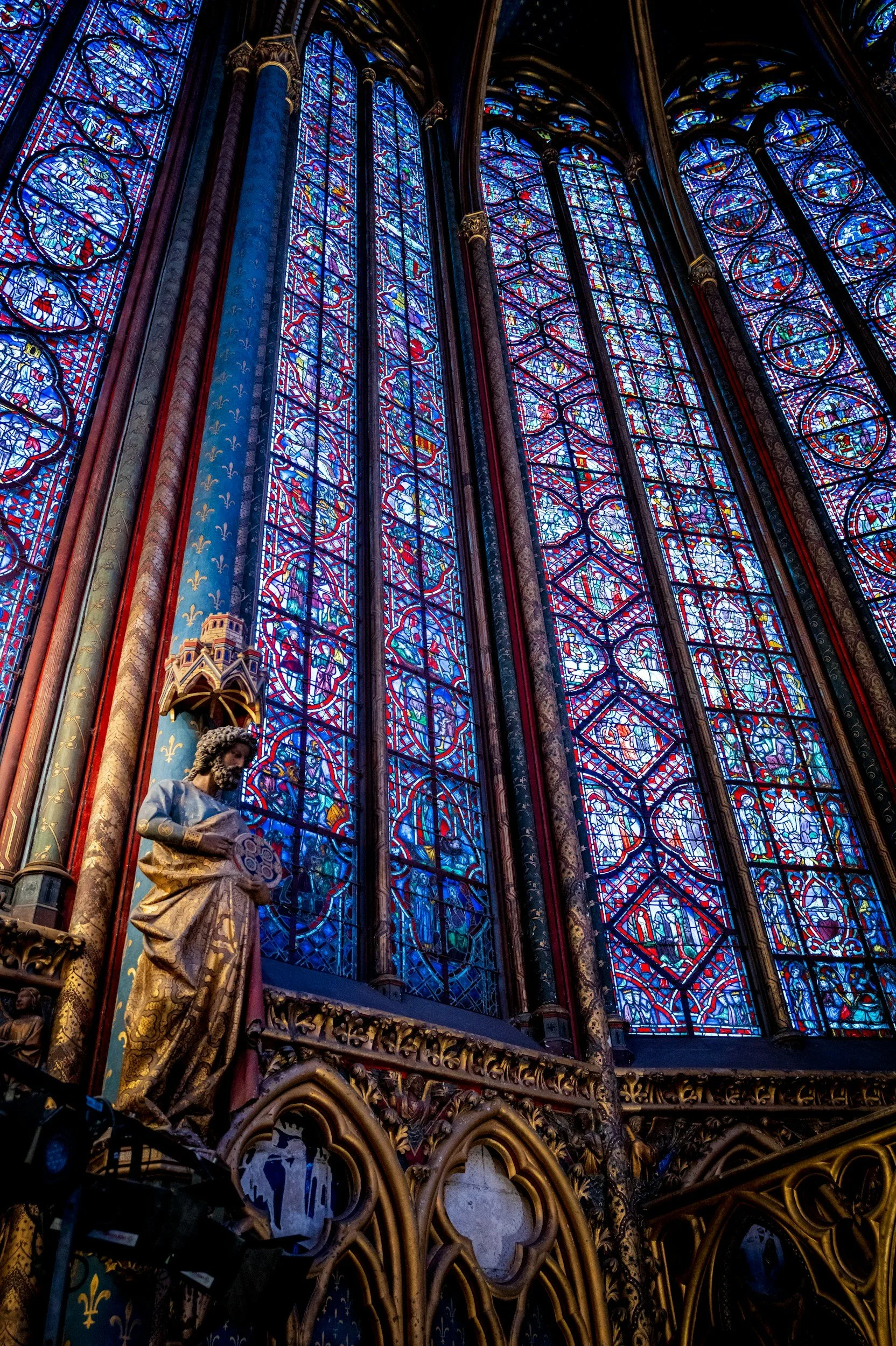
Sainte-Chapelle
One of the most spectacular interiors in Paris. The stained-glass windows are incredible, especially on a sunny day.
Cruise the Seine
A Seine cruise sounds touristy because it is touristy—and that's perfectly fine.
It's an easy way to see many of Paris's landmarks from a completely different perspective, particularly around sunset.
Luxembourg Gardens
One of the best places to slow down for an hour between attractions.
Grab something from a bakery, find a chair and enjoy Paris without an itinerary.
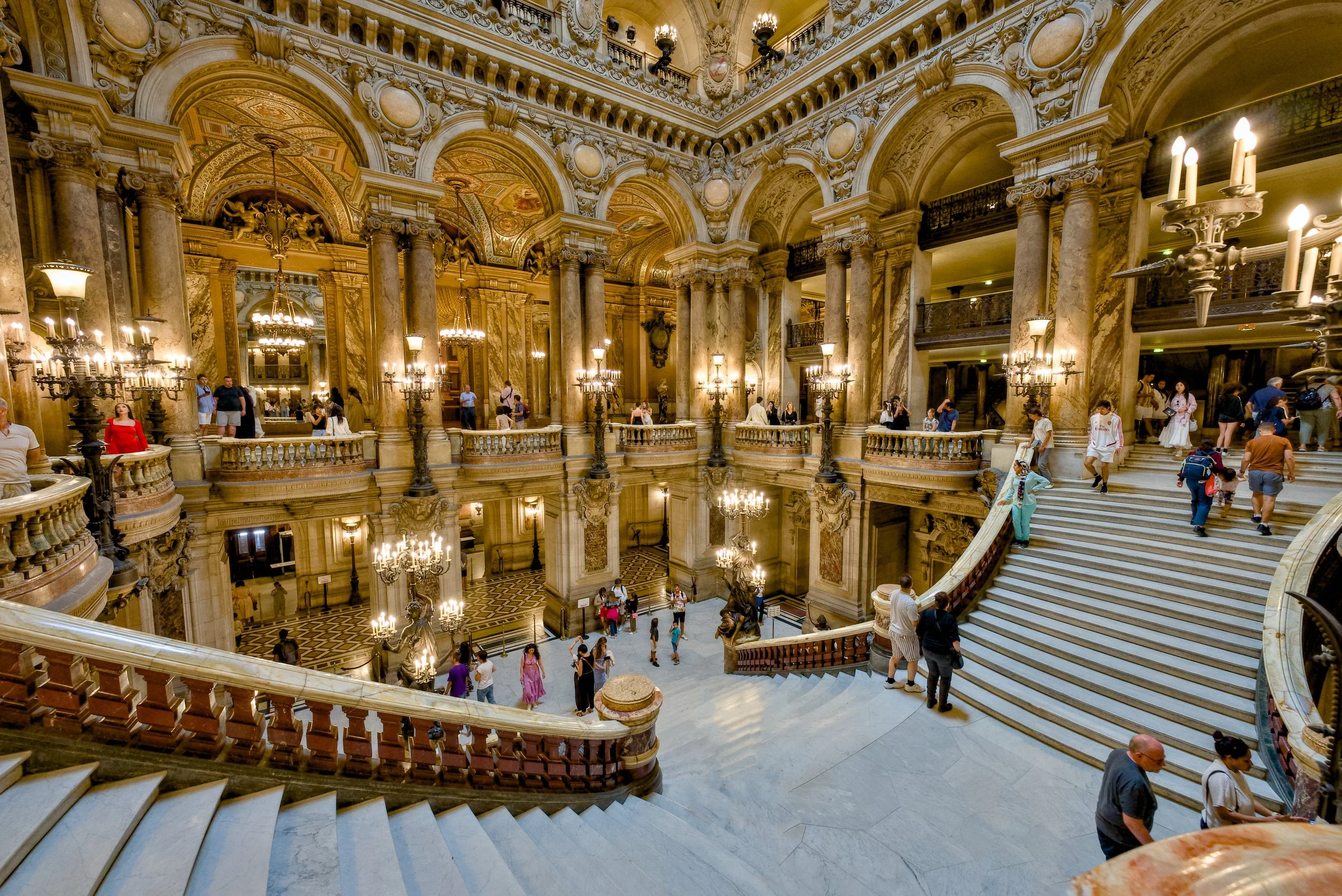
Palais Garnier
Even if you're not attending a performance, the Paris Opera House is worth seeing for its extravagant interior.
Musée d'Orsay
If you enjoy Impressionist art, Musée d'Orsay may actually be more manageable and enjoyable than the massive Louvre.
Walk Along the Seine
One of the best free things to do in Paris.
Walk between Notre-Dame, the Louvre, Musée d'Orsay, Place de la Concorde and the Eiffel Tower, stopping whenever something looks interesting.
Explore Parisian Neighborhoods
Don't spend the entire trip bouncing between famous monuments.
Spend a few hours wandering Le Marais, Saint-Germain, the Latin Quarter, Montmartre or Canal Saint-Martinwithout a rigid plan. Those are often the parts of Paris people remember most.
Crème Brûlée
A classic French dessert consisting of creamy custard beneath a thin layer of caramelized sugar.
And don't overlook the simplest Paris meal of all: fresh baguette, cheese, charcuterie and wine in a park or along the Seine.
Local Foods to Try
Eating in Paris doesn't have to mean expensive Michelin-starred restaurants. Some of the city's best food is simple and relatively inexpensive.
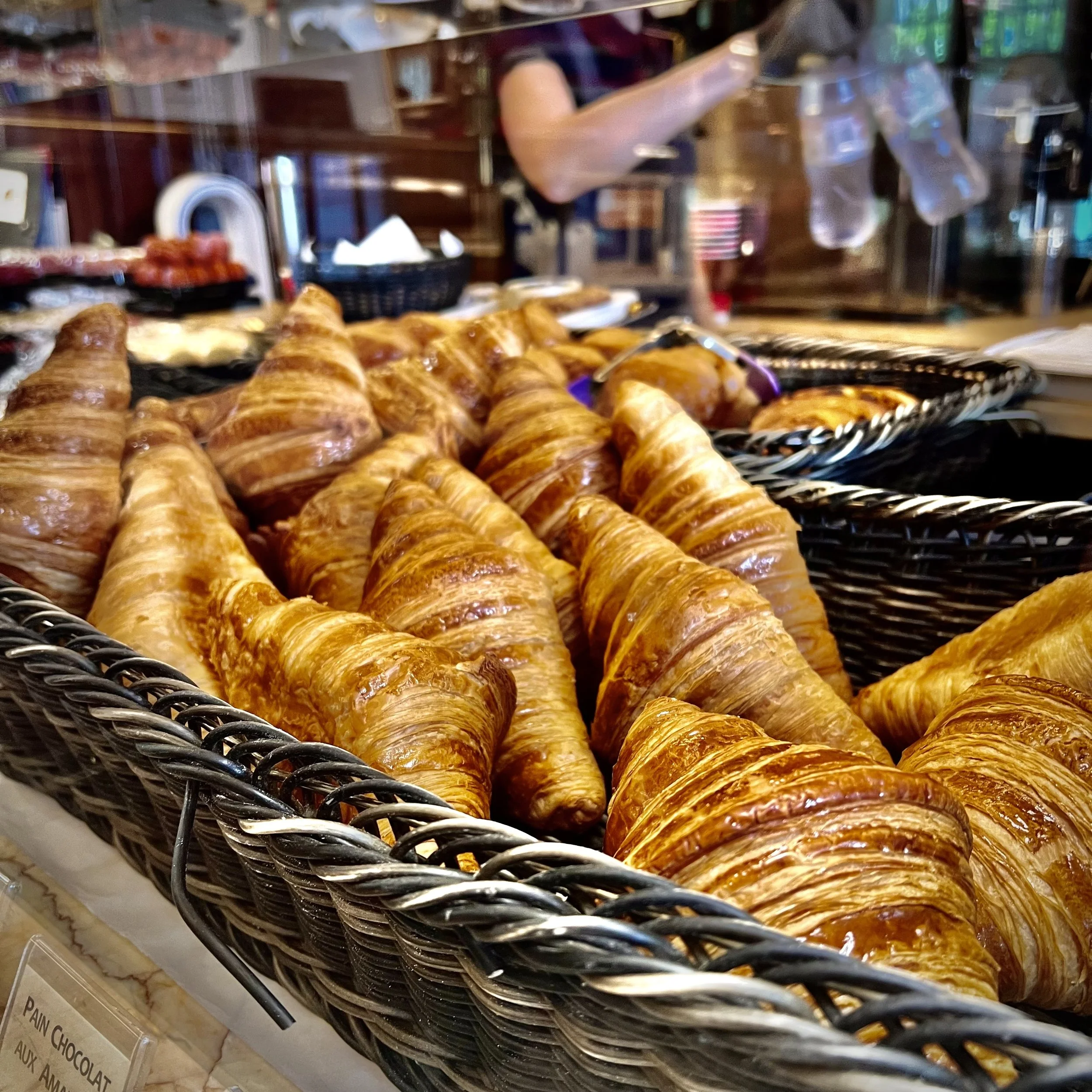
Croissants & Pain au Chocolat
Find a good neighborhood boulangerie and go in the morning when everything is fresh.
Baguette Tradition
The humble baguette might become one of your favorite foods in France.
Look specifically for a baguette tradition, which follows stricter ingredient and preparation rules.
Crêpes
Available throughout Paris with both sweet and savory fillings.
Classic choices include butter and sugar, Nutella, lemon and sugar, ham and cheese or a savory buckwheat galette.
Croque Monsieur
A toasted ham-and-cheese sandwich typically topped with béchamel sauce.
Add an egg and it becomes a Croque Madame.
Steak Frites
Steak and fries sounds simple—and that's exactly the point. It's one of the classic French bistro meals.
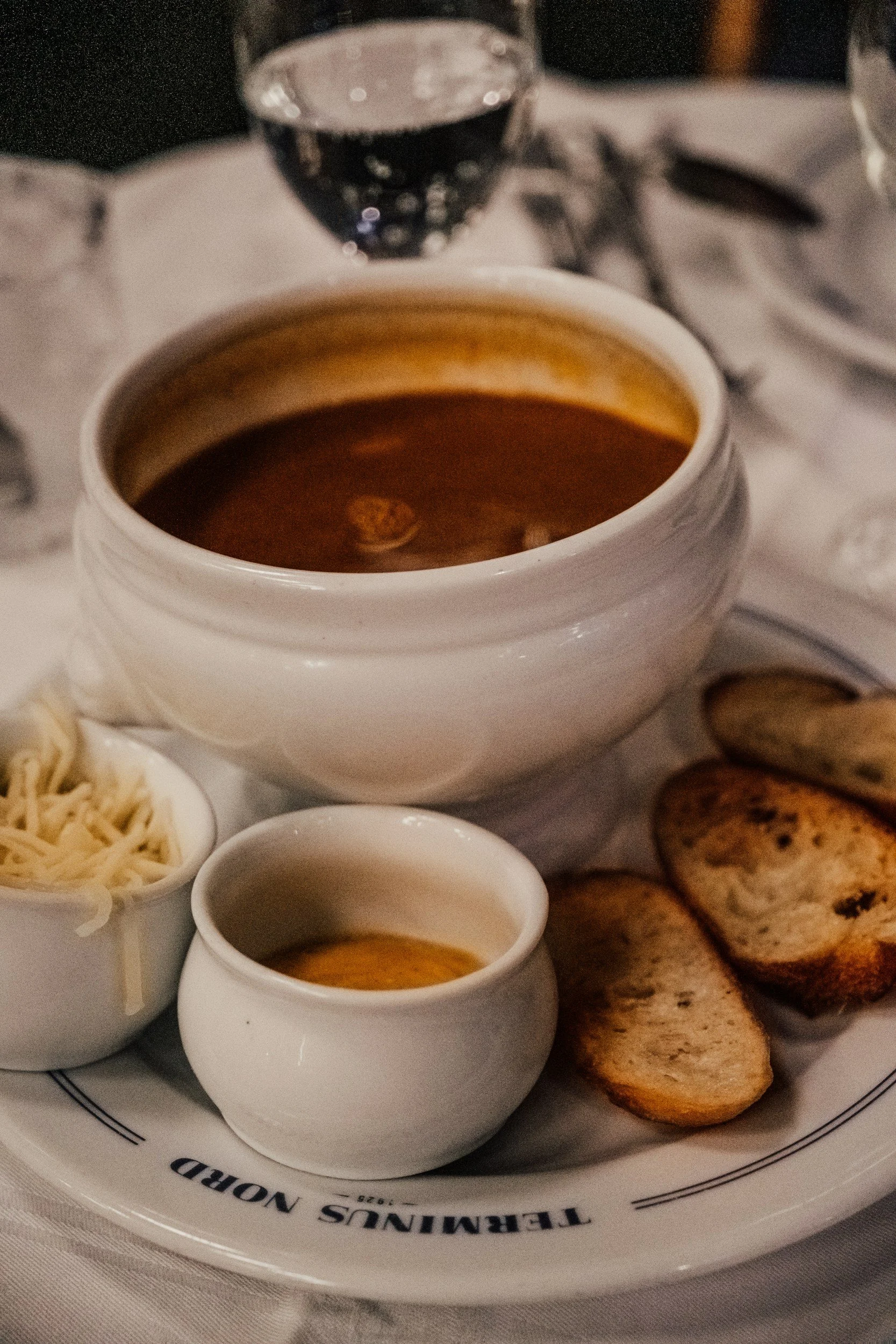
French Onion Soup
Rich beef broth, caramelized onions, bread and melted cheese. Particularly satisfying during cooler months.
Duck Confit
Duck slowly cooked in its own fat until tender, often served with potatoes.
Escargots
Snails usually prepared with garlic, parsley and butter.
If you've never tried them, Paris seems like an appropriate place to fix that.
Cheese
France produces an extraordinary variety of cheeses. Try Comté, Brie, Camembert, Roquefort, chèvre and whatever else your local cheese shop recommends.
Macarons
Colorful almond-meringue cookies filled with ganache or buttercream. Ladurée and Pierre Hermé are two famous places to try them.
Common Mistakes to Avoid
Trying to See Everything
Paris rewards slow travel.
Packing the Louvre, Eiffel Tower, Versailles, Montmartre, Notre-Dame and five other attractions into 48 hours will mostly give you an excellent tour of Paris Metro stations.
Give yourself time to enjoy the city.
Staying Near the Eiffel Tower Just Because It's Paris
The Eiffel Tower is iconic, but its neighborhood isn't automatically the best base.
Look at the entire transportation picture before booking.
Eating Directly Beside Major Attractions
Restaurants overlooking famous landmarks are often charging you for the view.
Walk a few blocks away from the busiest tourist streets and you'll frequently find better food and prices.
Not Booking Major Attractions Ahead
Popular attractions can sell out.
Reserve must-do experiences such as the Eiffel Tower and other timed-entry attractions ahead of your visit whenever possible.
Assuming Everyone Wants to Speak English
Many Parisians speak excellent English, but beginning an interaction with "Bonjour" goes a long way.
A few basic French phrases make interactions noticeably easier.
Overplanning Meals
Not every meal needs reservations and research.
Some days your best lunch will be whatever looked amazing in the bakery you walked past ten minutes ago.
Taking Taxis Everywhere
Paris traffic can be brutal.
Sometimes walking 20 minutes or taking the Metro is dramatically faster than sitting in a car.
Spending the Entire Trip Underground
The Metro is convenient, but if two attractions are relatively close, walk between them.
Paris itself is one of the attractions.
Safety & Things to Know
Paris is generally a safe destination for tourists, but petty theft is a genuine concern.
Pickpockets
Pickpocketing and phone theft are the biggest issues most tourists need to worry about.
Be particularly careful around crowded Metro stations, trains and major tourist attractions including the Eiffel Tower, Louvre, Sacré-Cœur and other heavily visited areas.
Keep phones and wallets out of easy-to-access pockets and don't hang valuables loosely from chairs at cafés.
Common Scams
Be cautious when strangers approach you around tourist attractions asking you to sign petitions, offering friendship bracelets, attempting distracting games or insisting that you've dropped or found something valuable.
You don't need to be rude—just keep moving.
Café & Restaurant Etiquette
When entering a shop, café or bakery, saying "Bonjour" before immediately launching into your order is considered polite.
At restaurants, service is generally included in the listed price. Additional tipping isn't expected at American percentages, although rounding up or leaving a few euros for excellent service is appreciated.
Water
Tap water is safe to drink.
If you want tap water at a restaurant, ask for "une carafe d'eau."
Paris also has public drinking fountains throughout the city, so carrying a reusable water bottle can save money.
Bathrooms
Public restrooms aren't always as readily available as American travelers might expect.
Take advantage of restrooms whenever you're at a museum, restaurant, hotel or major attraction.
Sundays & Holidays
Some businesses operate reduced hours or close completely on Sundays and French public holidays. Always double-check hours before traveling across town for one particular restaurant or shop.
Emergency Numbers
112 – European emergency number
15 – Medical emergencies
17 – Police
18 – Fire department
Basic French Goes a Long Way
You don't need to speak French fluently, but learning a handful of phrases helps tremendously:
Bonjour – Hello
Bonsoir – Good evening
Merci – Thank you
S'il vous plaît – Please
Excusez-moi – Excuse me
Parlez-vous anglais ? – Do you speak English?
Paris has a reputation for being unfriendly, but many negative interactions come down to cultural differences. Starting with a simple "Bonjour" before asking a question can completely change the tone of an interaction.
Above all, don't treat Paris as a checklist. See the Eiffel Tower. Visit the famous landmarks. But also buy the croissant, sit at the café, wander down the street that isn't on your itinerary and spend an hour doing absolutely nothing beside the Seine.
That's Paris too—and often the best part.