Split, Croatia
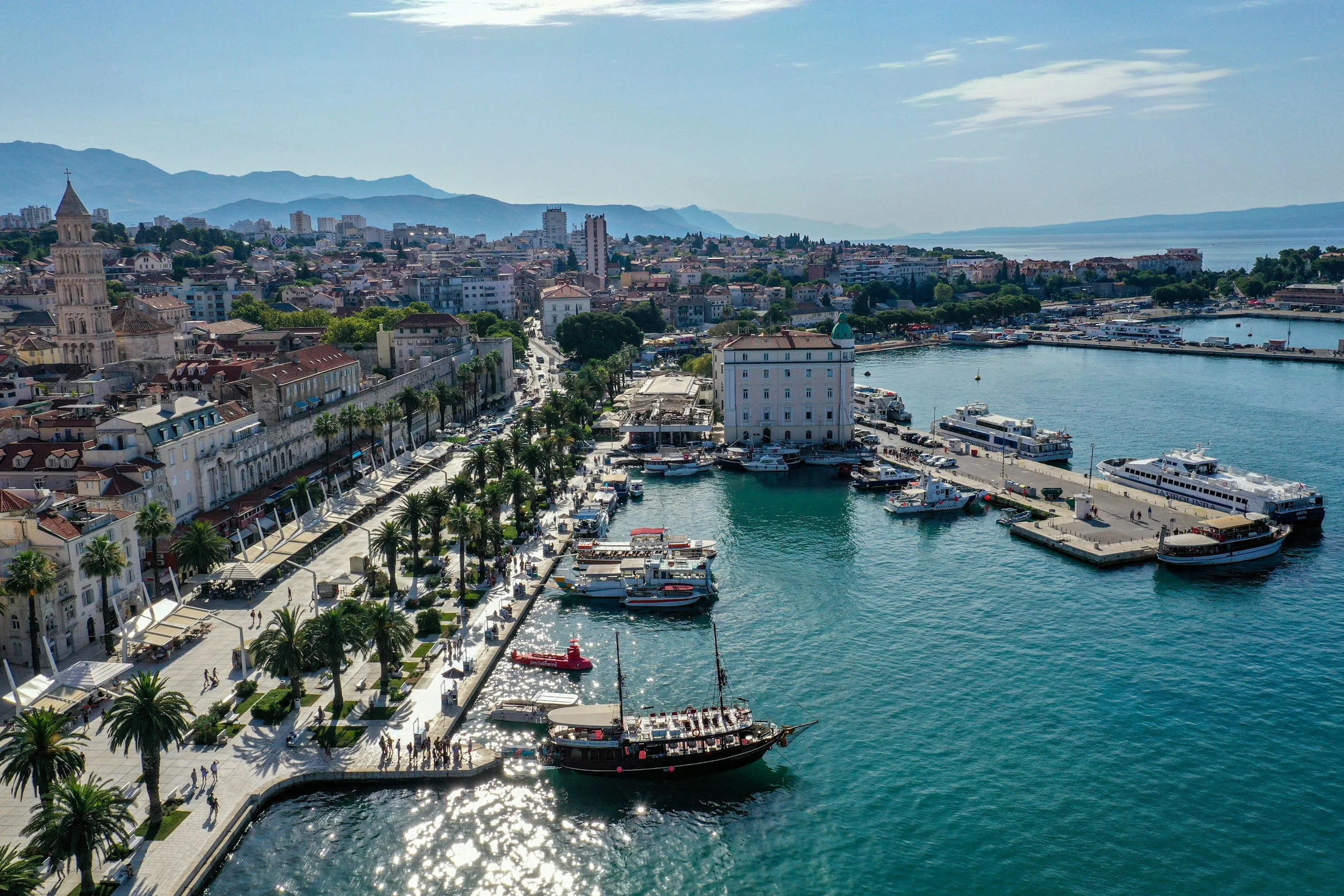
Split is one of those cities that works on several levels. It can be a historic sightseeing destination, a beach getaway, a food stop, an island-hopping base, or simply a place to slow down along the Adriatic. The combination of Roman ruins, waterfront cafés, beaches and easy access to some of Croatia's most popular islands makes Split one of the best bases on the Dalmatian Coast.
Quick Facts & Fun Facts
Region: Dalmatia
Population: Around 160,000
Currency: Euro (€)
Language: Croatian
Time Zone: Central European Time (CET)
Best known for: Diocletian's Palace, the Riva waterfront, Adriatic beaches and island hopping
Electricity: Type C and F plugs, 230V
One of the coolest things about Split is that its historic center isn't simply built around ancient Roman ruins — much of it is actually built inside them.
Roman Emperor Diocletian had his enormous retirement palace constructed here around the beginning of the 4th century. Over the centuries, homes, shops, restaurants and churches were built into the palace complex. Today, thousands of people still live and work within what was once an imperial Roman residence.
Split's historic center and Diocletian's Palace are now part of a UNESCO World Heritage Site.
And despite looking like a beach town in plenty of photos, Split isn't really a traditional beach-resort destination. It's a living Croatian city that just happens to have beaches, Roman ruins and the Adriatic Sea sitting right outside its front door.
Overview & Vibe
Split has one of the most interesting atmospheres of any city along Croatia's coast.
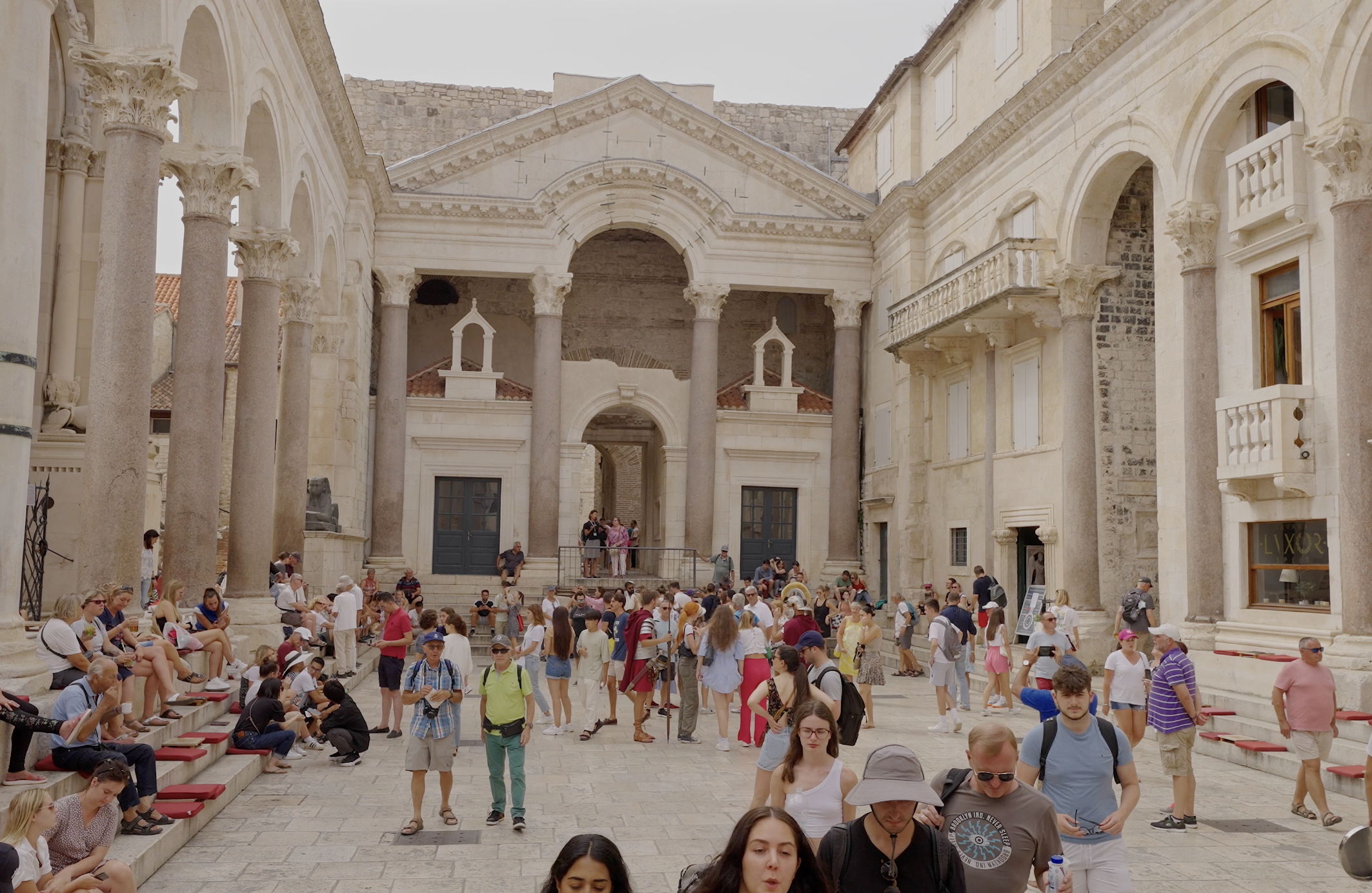
At its heart is Diocletian's Palace, a maze of narrow stone streets, ancient buildings, tiny squares, restaurants and cafés. Walk a few minutes in one direction and you'll reach the palm-lined Riva waterfront. Walk the other way and you'll find everyday neighborhoods where locals are shopping, drinking coffee and going about their lives.
That's part of Split's appeal.
It feels historic without feeling like an open-air museum.
The Old Town can become extremely busy during summer, particularly when cruise passengers and day-trippers arrive. But venture just a few streets away from the busiest sections and Split becomes noticeably more relaxed.
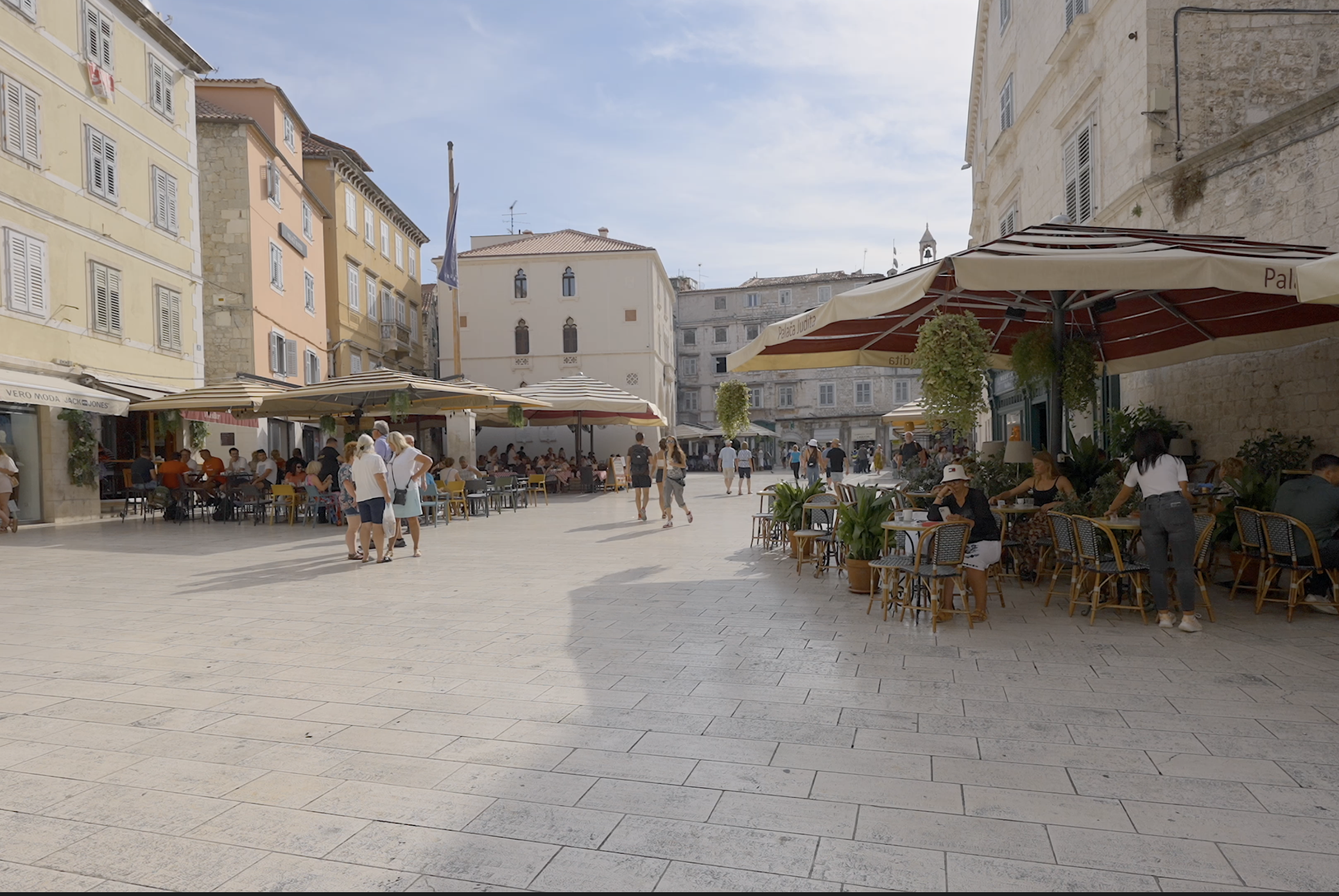
The city also has a strong café culture. Sitting outside with a coffee for an hour isn't wasting time here — it's practically participating in a Croatian national sport.
Split also makes an excellent base for exploring central Dalmatia. Ferries connect the city with islands including Hvar, Brač and Vis, while places such as Trogir, Šibenik and Krka National Park are within reach for day trips.
For travelers who want history, food, beaches and easy day trips without constantly changing hotels, Split is hard to beat.
Best Time to Visit
For most travelers, the sweet spots are May through June and September through early October.
During these shoulder-season months, temperatures are generally comfortable, restaurants and attractions are fully operating and ferry schedules are good, while crowds are usually more manageable than during peak summer.
July & August
This is peak season.
Expect hot weather, packed streets around Diocletian's Palace, busy beaches, higher accommodation prices and crowded ferries.
The upside is that Split is incredibly lively. Restaurants stay busy late into the evening, ferry connections are plentiful and nearly every tourism-related business is operating at full speed.
If you're coming primarily for beaches and nightlife, summer may be exactly what you're looking for.
If crowds make you want to flee civilization, look elsewhere on the calendar.
May & June
These are arguably two of the best months to visit.
The weather is warm, daylight hours are long and the summer crowds haven't completely taken over.
June is particularly good if swimming and island hopping are priorities.
September
September might be the best overall month for Split.
The intense summer heat begins easing, the Adriatic is still warm enough for swimming and crowds generally begin thinning as the month progresses.
October through April
Split becomes dramatically quieter.
You'll find cheaper accommodation and far fewer tourists, but some seasonal restaurants, tours and ferry routes operate on reduced schedules.
This period can be great for travelers more interested in local life and sightseeing than beaches.
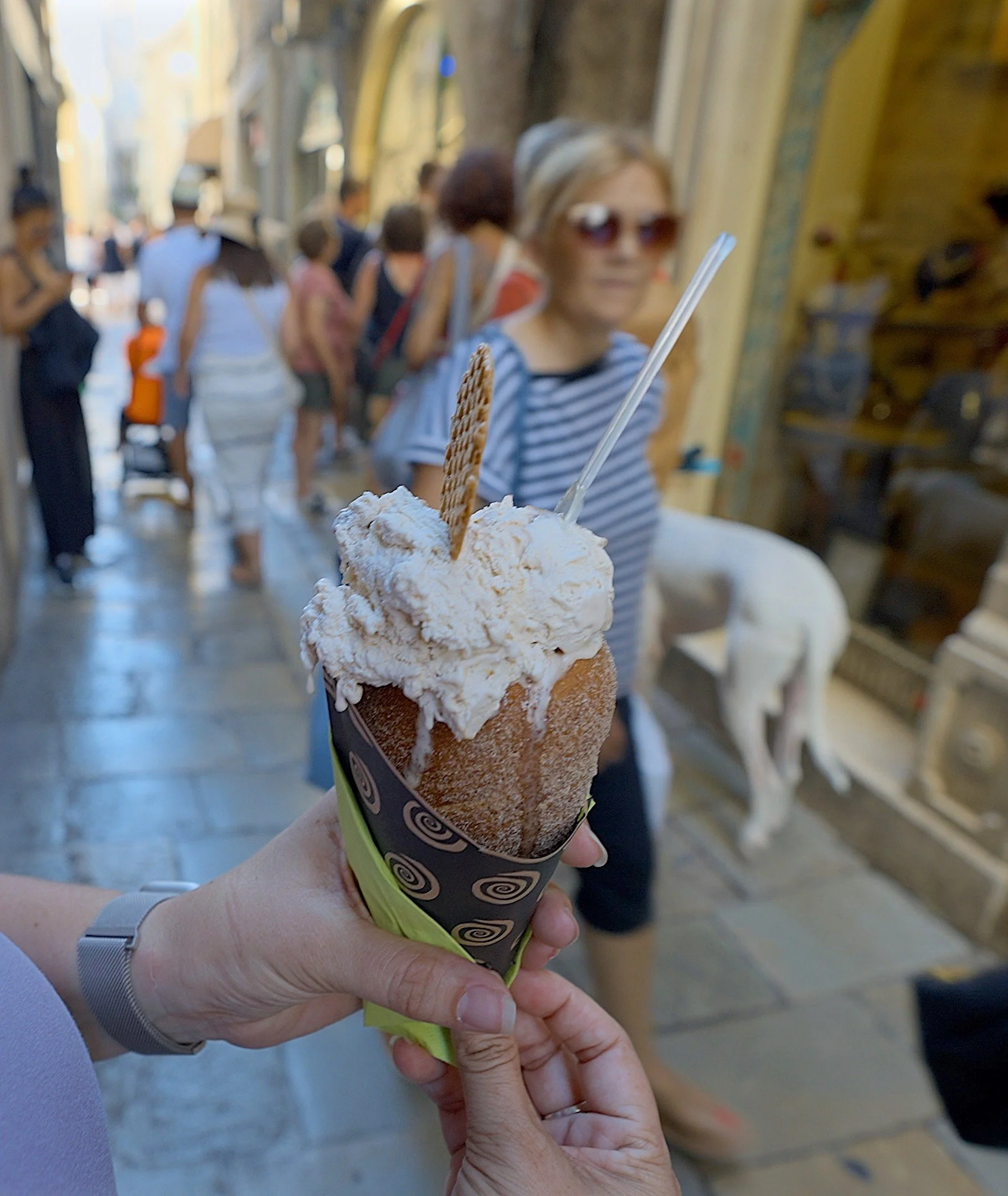

Local Foods to Try
Dalmatian food tends to be relatively simple and ingredient-focused, with plenty of seafood, grilled meats, olive oil, vegetables and Mediterranean flavors.
Peka
One of the most famous Dalmatian dishes.
Meat or seafood — commonly veal, lamb or octopus — is slowly cooked with potatoes and vegetables beneath a bell-shaped iron lid covered with hot coals.
Peka often needs to be ordered ahead of time because of the lengthy cooking process.
Pašticada
A traditional Dalmatian slow-cooked beef dish served with a rich sweet-and-sour sauce, usually accompanied by gnocchi.
If you want something hearty and distinctly regional, start here.
Black Risotto
Known locally as crni rižot, this seafood risotto gets its dramatic black color from cuttlefish or squid ink.
Just know that your teeth may look like you've been chewing printer cartridges afterward.
Soparnik
A traditional Dalmatian savory pie filled with Swiss chard, garlic and olive oil.
It's inexpensive, simple and worth trying if you spot it at a bakery or market.
Grilled Fish
Fresh grilled fish is everywhere along the Dalmatian Coast.
Look for restaurants serving the catch of the day rather than automatically ordering from the most tourist-oriented menus along the waterfront.
Ćevapi
Small grilled minced-meat sausages typically served with flatbread, onions and ajvar. They're found throughout the Balkans and make a great inexpensive meal.
Burek
A flaky pastry typically filled with meat, cheese or other fillings. It's inexpensive, filling and perfect when you want something quick instead of another sit-down restaurant meal.
Fritule
Small Croatian fried pastries similar to miniature doughnuts. They're often flavored with citrus zest, raisins or a splash of alcohol and dusted with powdered sugar.
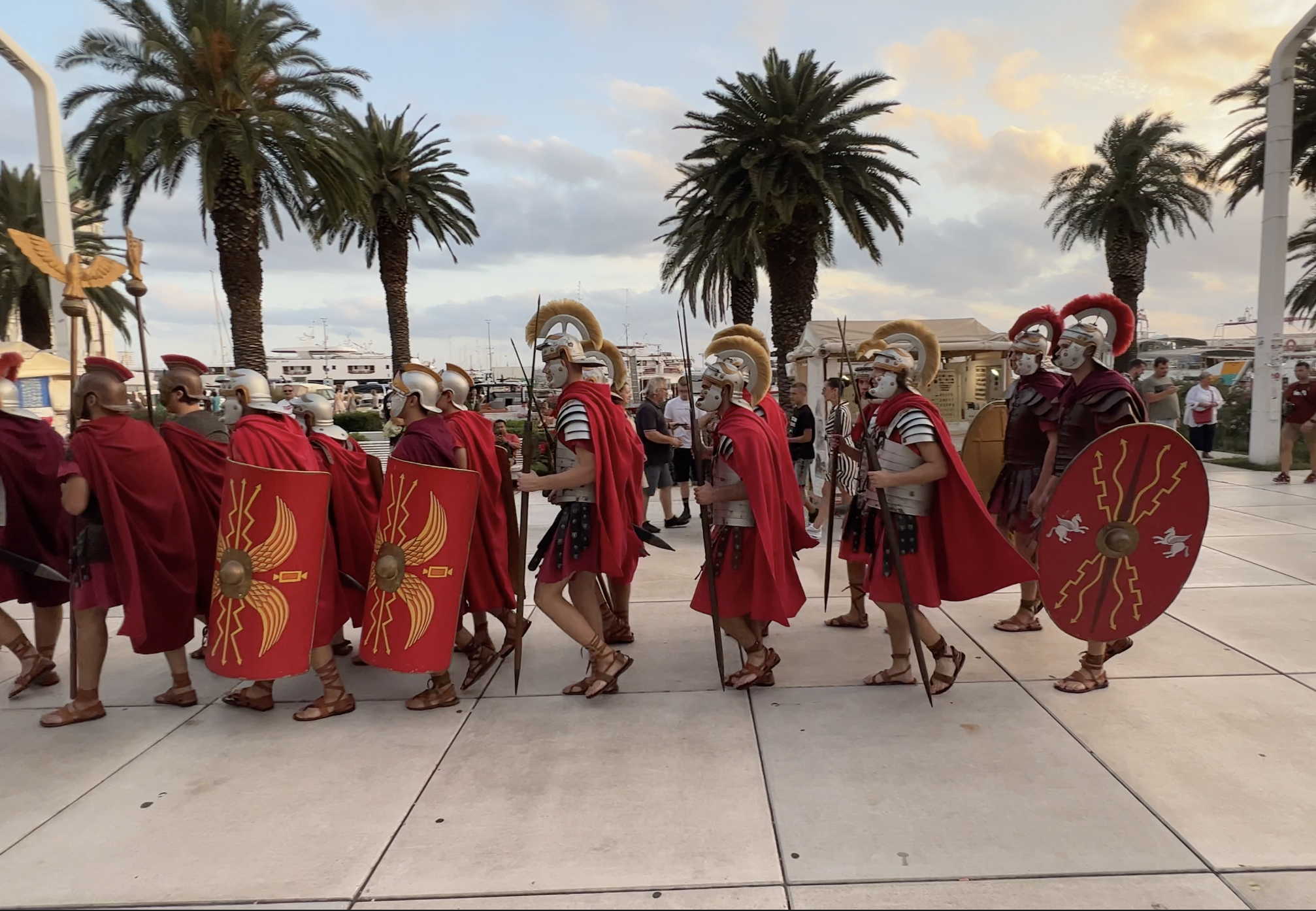
Getting Around
Split is an extremely walkable city.
If you're staying around Old Town, Varoš, Bačvice or the surrounding central neighborhoods, you'll probably walk almost everywhere.
Diocletian's Palace itself is largely pedestrianized.
Public Buses
Split's public bus network is operated by Promet Split and connects the city center with surrounding neighborhoods and suburbs.
Buses become more useful if you're staying farther outside the historic center.
Uber & Bolt
Both are commonly used in Split and can be convenient for trips where walking or public transportation isn't practical.
They're also useful when arriving with luggage.
Split Airport
Split Airport is roughly 25 kilometers from central Split.
Airport buses, local buses, taxis, private transfers and rideshare services provide connections into the city.
Traffic can significantly increase travel times during the summer, so give yourself extra time when heading back to the airport.
Ferries
This is where Split really shines as a transportation hub.
The ferry port sits directly beside the historic center, making it remarkably easy to combine Split with Croatia's islands.
Ferries and catamarans connect Split with destinations including Hvar, Brač, Vis and Korčula, with service frequency varying by season.
If you're traveling during July or August, don't assume you can simply show up for every popular departure. Book important ferry connections ahead.
Rental Cars
You generally do not need a rental car while staying in central Split.
Parking can be difficult and expensive, and much of what visitors want to see is walkable.
A car becomes much more useful if you're leaving Split to explore smaller coastal towns, inland Dalmatia or destinations poorly served by public transportation.
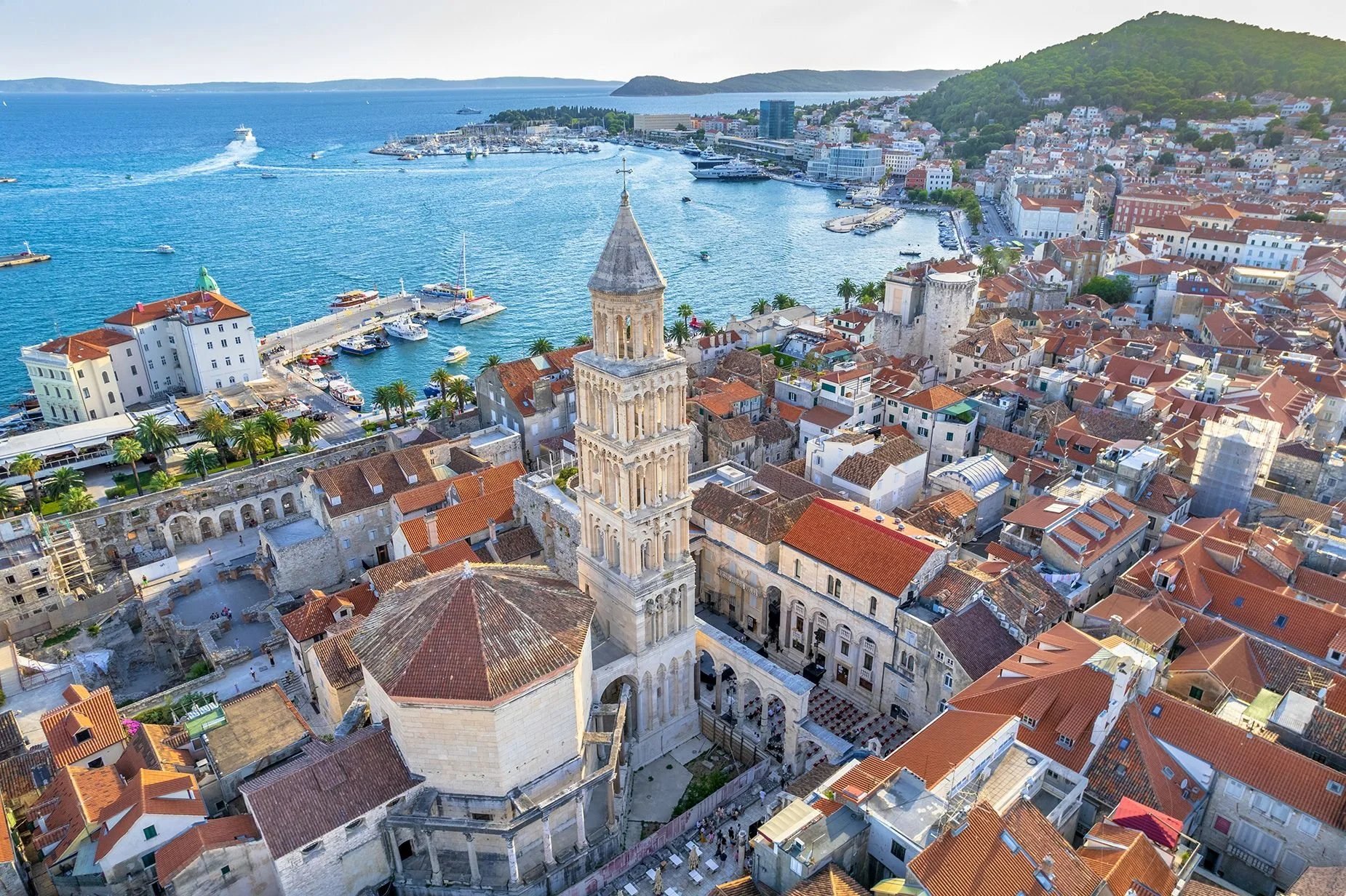
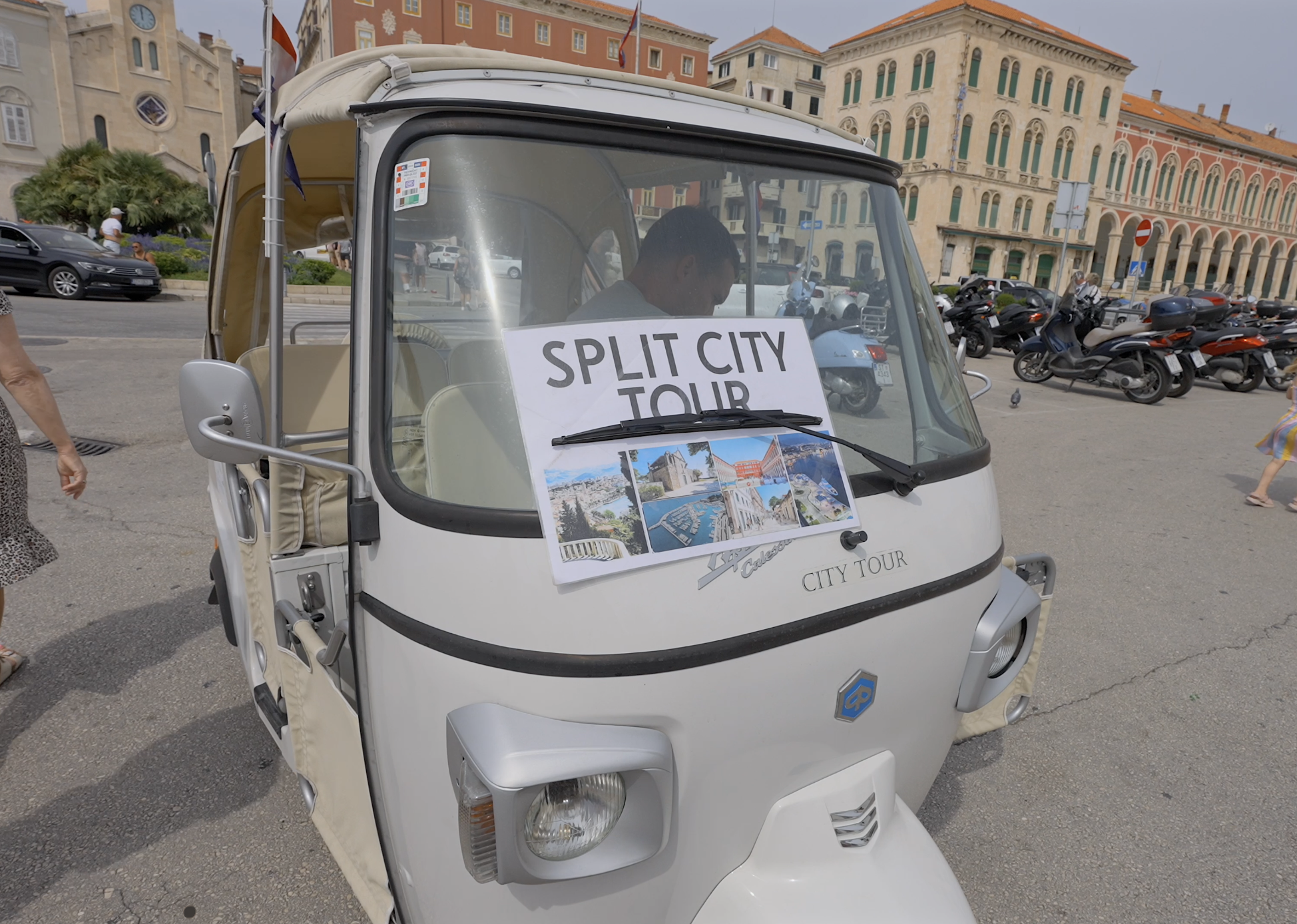
Things to Do & See
Explore Diocletian's Palace
This is Split's centerpiece and something you'll probably walk through repeatedly during your stay.
Rather than imagining a traditional palace surrounded by walls, picture an ancient Roman complex that gradually became part of the city itself.
The best way to experience it is simply to wander.
Explore the narrow passageways, courtyards and tiny squares and don't worry too much about getting lost.
Visit the Peristyle
The Peristyle was the ceremonial center of Diocletian's Palace and remains one of Split's most impressive spaces.
Surrounded by Roman columns and historic architecture, it's especially atmospheric early in the morning and after many day-trippers have left.
Cathedral of Saint Domnius
Originally built around Diocletian's mausoleum, the Cathedral of Saint Domnius is one of Split's most recognizable landmarks.
Climbing the bell tower provides excellent views across the Old Town, harbor and surrounding coastline.
Walk the Riva
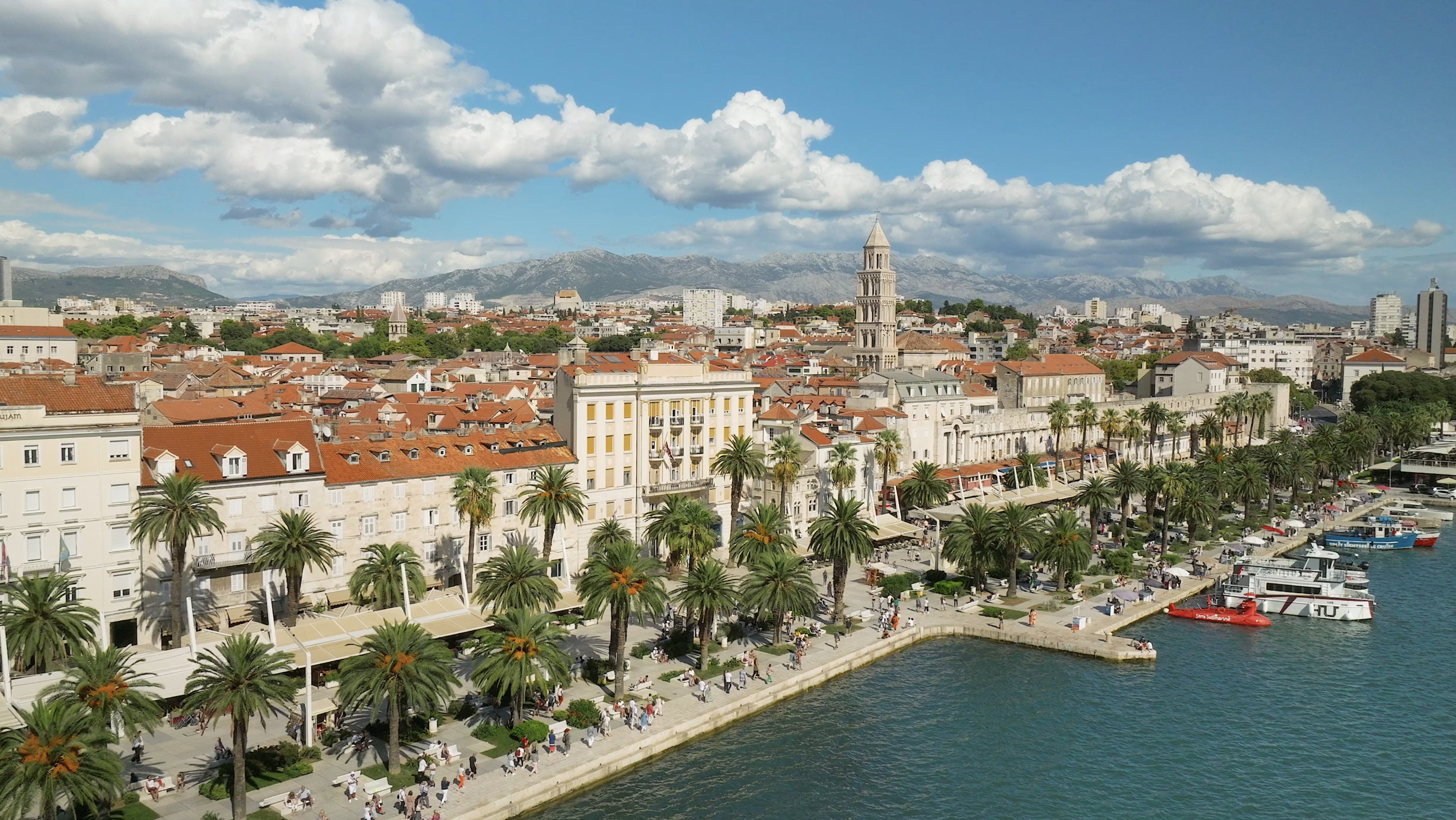
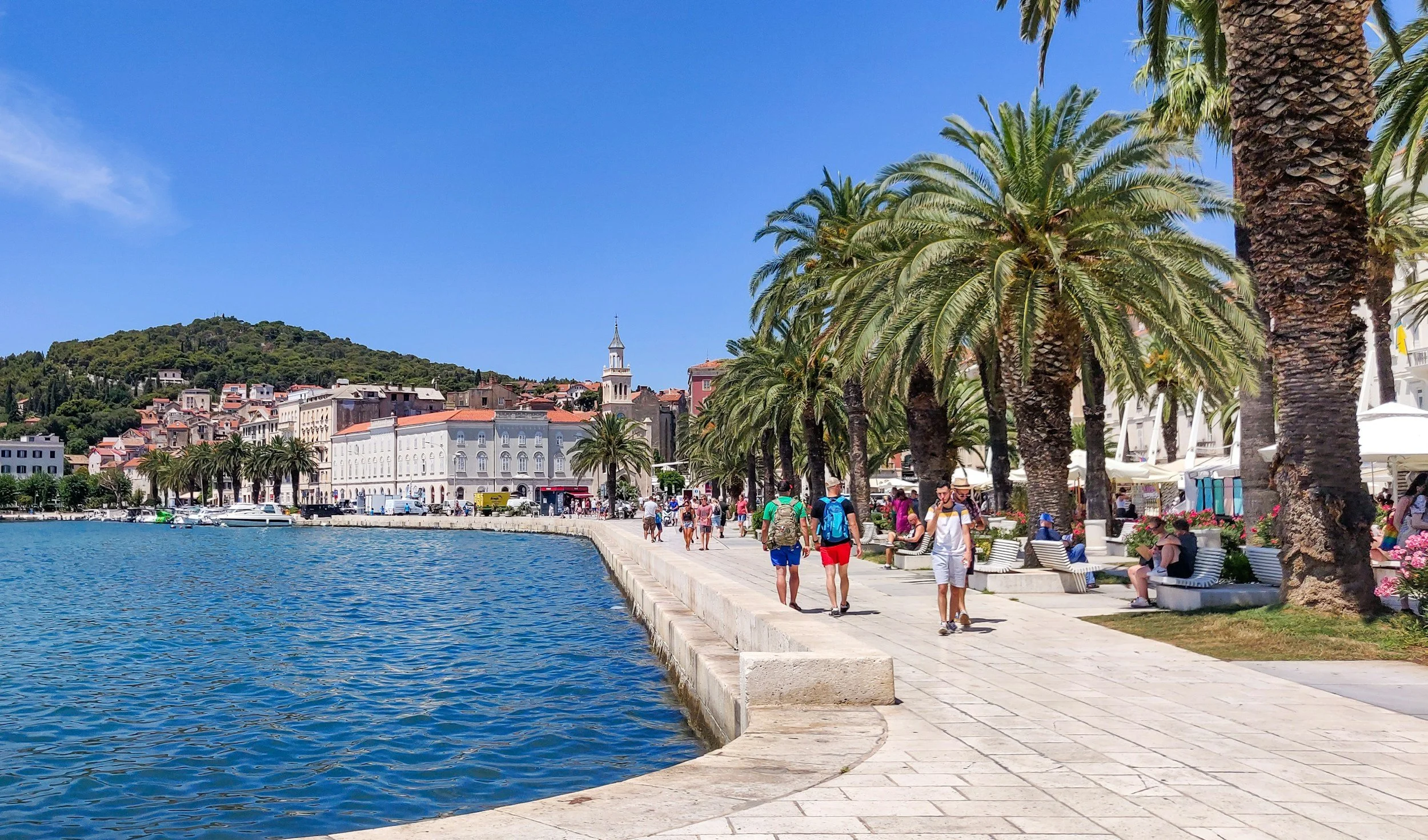
The Riva is Split's waterfront promenade and essentially the city's outdoor living room.
Grab a coffee, walk beneath the palm trees or simply sit and people-watch.
It's especially enjoyable around sunset and during the evening.
Explore the Palace Cellars
Beneath Diocletian's Palace you'll find a network of ancient underground chambers.
Parts of the cellars are free to walk through, while additional sections require admission.
Game of Thrones fans may also recognize portions of the complex from the series.
Rub Gregory of Nin's Toe
Near the Golden Gate stands an enormous statue of medieval Croatian bishop Gregory of Nin.
Tradition says rubbing his big toe brings good luck.
Whether it works is questionable.
Whether thousands of tourists are going to continue rubbing that toe anyway is absolutely certain.
Marjan Forest Park
When Old Town starts feeling crowded, head toward Marjan.
Walking paths climb through the forested peninsula and lead to viewpoints overlooking Split and the Adriatic.
It's one of the best free activities in the city and an excellent sunset location.
Bačvice Beach
Bačvice is Split's most famous beach and one of the easiest to reach from the city center.
It's also associated with picigin, a traditional Croatian ball game played in shallow water.
Don't expect a massive tropical beach. Split's beaches are generally smaller and often pebbly or rocky.
Take a Day Trip
Split's location makes it one of Croatia's best bases.
Popular trips include:
Hvar
Brač
Vis
Trogir
Šibenik
Krka National Park
Blue Cave excursions
Omiš and the Cetina River
You could easily spend a week in Split and use several days purely for exploring the surrounding region.
Common Mistakes to Avoid
Staying too far outside the center to save a little money. Split is at its best when you can walk out your door and explore. Saving €15–20 per night isn't always worthwhile if you're constantly taking taxis or buses.
Assuming every beach is sandy. Croatia is famous for crystal-clear water, not endless soft-sand beaches. Water shoes can be extremely useful on rocky and pebble beaches.
Only eating along the Riva. The waterfront is beautiful, but you're paying partly for the location. Walk several streets away from the major tourist areas and you'll often find better value.
Trying to drive into Old Town. Don't. Much of the historic center is pedestrian-only, parking is limited and those charming ancient streets weren't exactly designed with rental SUVs in mind.
Booking an Old Town apartment without checking access. That gorgeous medieval apartment may involve stairs, cobblestones and a substantial walk from where your taxi drops you.
Visiting Diocletian's Palace only in the afternoon. During summer, this is when crowds can be at their worst. Explore early in the morning or later in the evening for an entirely different experience.
Treating Split as only a jumping-off point for the islands. Hvar and the other islands are fantastic, but Split deserves time of its own.
Trying to squeeze Hvar, Brač, the Blue Cave, Krka and three other destinations into two days. Croatia looks small on a map. Transportation schedules have other ideas.
Safety & Things to Know
Split is generally a very safe destination for visitors.
Violent crime involving tourists is uncommon, and walking through the central tourist areas during the evening is generally comfortable.
Your biggest concerns are much more mundane.
Watch Your Belongings
Petty theft can occur in busy tourist areas, public transportation, ferry terminals and crowded streets.
Use the same precautions you would in any major European tourist destination.
The Stone Streets Can Be Slippery
Centuries of foot traffic have polished some of Split's stone streets until they're remarkably smooth.
Add rain and they can become surprisingly slippery.
Comfortable shoes with decent traction are much better than flip-flops for exploring Old Town.
Summers Get Hot
July and August can be extremely hot, and the stone buildings and streets of Old Town don't exactly help.
Carry water, use sunscreen and schedule strenuous sightseeing for mornings and evenings when possible.
Tap Water
Croatian tap water is generally safe to drink, so carrying a refillable water bottle can save money and reduce plastic waste.
Cash vs. Cards
Cards are widely accepted, but carrying a small amount of euros is still useful for markets, bakeries, small cafés, tips and occasional cash-only businesses.
Croatia adopted the euro, so you no longer need Croatian kuna.
Tipping
Tipping isn't as aggressive or structured as it is in the United States.
Rounding up for coffee or casual service is common, while roughly 5–10% is generally appreciated for good restaurant service.
Visa & Entry Requirements
Croatia is a member of both the European Union and the Schengen Area, which is particularly important when calculating how long you can remain in Europe.
U.S. Citizens
For normal tourism visits, U.S. passport holders generally do not need a visa for stays of up to 90 days within any 180-day period in the Schengen Area.
The important part is that this isn't 90 days specifically for Croatia.
Time spent in other Schengen countries — including Italy, France, Germany, Austria, Greece, Spain and many others — generally counts toward the same 90-day allowance.
So spending 30 days in Italy followed by 30 days in Croatia does not reset your clock. You've used roughly 60 of your available Schengen days.
Travelers should also make sure their passport satisfies current Schengen validity requirements before departure.
EES & ETIAS
Europe's Entry/Exit System (EES) electronically records short-stay entries and exits for many non-EU travelers, making it increasingly important to keep track of your Schengen days.
ETIAS is a separate travel-authorization system that will eventually apply to visa-exempt travelers from countries including the United States.
As of August 2026, ETIAS is still not operational and travelers cannot apply for it yet. The European Union says it will announce the specific launch date several months before implementation.
Once ETIAS launches, eligible U.S. travelers will need authorization for short visits to Croatia and other participating European countries. The currently announced application fee is €20, and an approved authorization will generally remain valid for up to three years or until the associated passport expires, whichever comes first.
Because European entry systems are changing, always verify the latest requirements before your trip through the official European Union ETIAS website.
Bottom Line
Split offers something that's becoming increasingly difficult to find in heavily visited European destinations: a city that can be incredibly touristy in one street and feel completely local just a few blocks away.
Come for Diocletian's Palace, but don't stop there.
Walk the Riva at sunset. Get lost in the stone streets. Climb into Marjan Forest Park. Try pašticada and peka. Spend an afternoon at the beach. Take a ferry to an island. And most importantly, leave enough unscheduled time to sit at a café and enjoy the wonderfully slow Dalmatian pace of life.
Split isn't just a place to pass through on the way to Croatia's islands.
It's one of the best reasons to visit the Dalmatian Coast in the first place.