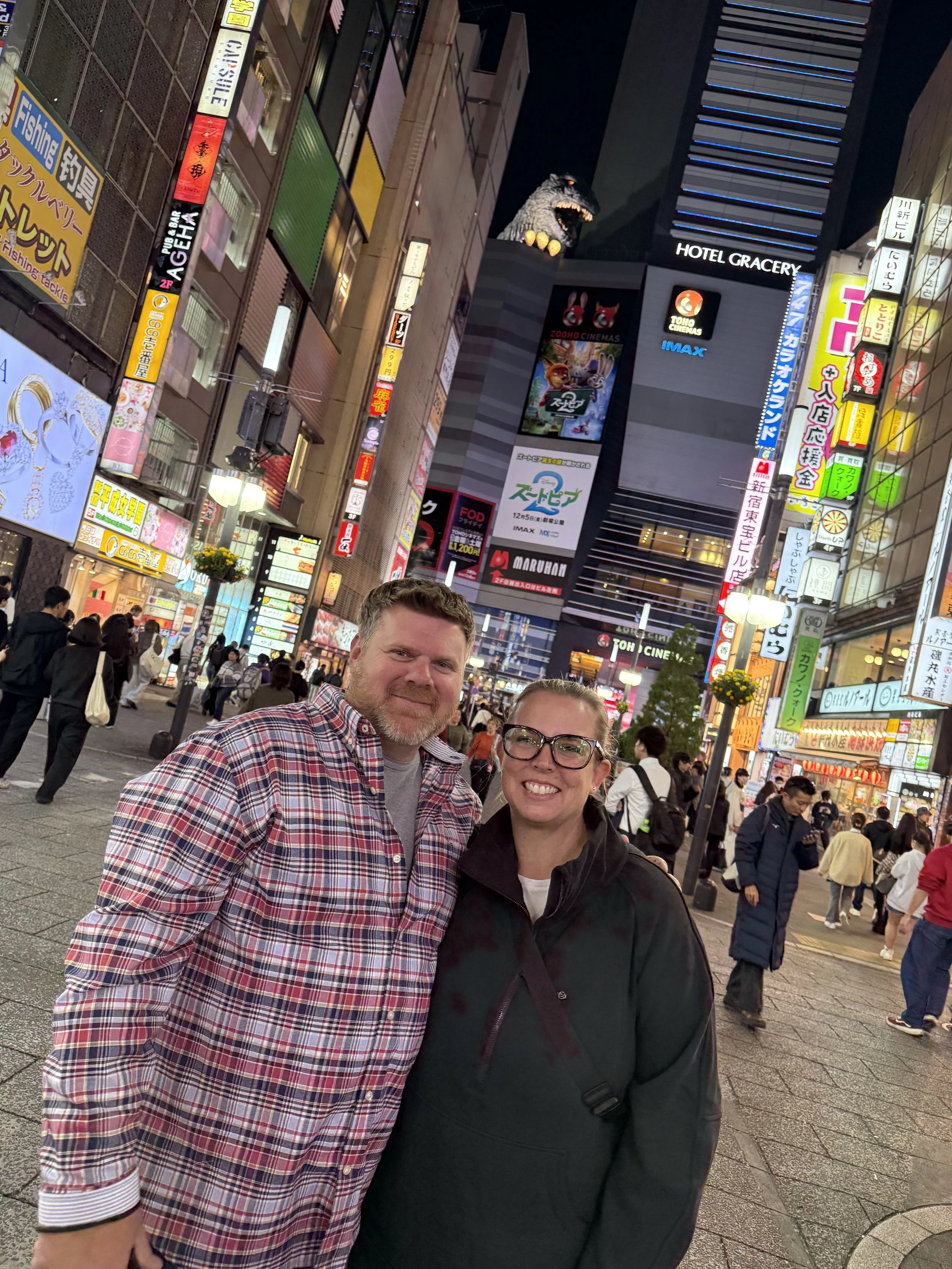
Tokyo is one of those cities that can feel overwhelming before you arrive—and surprisingly easy once you figure it out. It’s enormous, incredibly well connected, exceptionally safe, and packed with neighborhoods that feel like completely different cities.
The key to enjoying Tokyo isn’t trying to “see Tokyo.” You can’t. Instead, pick a few neighborhoods each day, learn the train system, eat everything in sight, and accept that you’ll probably start planning your return trip before you leave.
Quick Facts
Country: Japan
Population: About 14 million in Tokyo proper and more than 37 million in the greater metropolitan area
Language: Japanese
Currency: Japanese Yen (¥ / JPY)
Time Zone: Japan Standard Time (JST), UTC+9
Electricity: 100V, Type A/B plugs
Emergency Numbers: Police – 110 | Fire/Ambulance – 119
Major Airports: Haneda (HND) and Narita (NRT)
Best Airport for Central Tokyo: Haneda
Public Transportation: Trains, subways, buses and taxis
Best Transit Tool: Google Maps combined with a Suica or PASMO transit card
Typical Visit: 5–7 days for a first trip; 7–10 days if you want to explore at a comfortable pace
Tipping: Not expected
Tap Water: Safe to drink
Tokyo somehow manages to be futuristic, traditional, chaotic and incredibly orderly at the same time.
One minute you can be standing underneath giant video screens and neon signs in Shibuya, and a short train ride later you're walking through a quiet residential neighborhood filled with tiny restaurants, shrines and narrow streets.
That contrast is what makes Tokyo special.
Despite its intimidating size, Tokyo is actually one of the easiest major cities in the world to explore once you understand the transportation system. Trains connect virtually everything visitors want to see, stations are well marked, Google Maps works extremely well, and you rarely need a taxi.
Tokyo is also a city where simply wandering around is part of the experience. Some of our favorite Tokyo days involve choosing a neighborhood, getting off the train and exploring without much of a plan.
Overview & Vibe
There really isn't one single "Tokyo vibe."
Shibuya is energetic, youthful and packed with shopping, restaurants and nightlife.
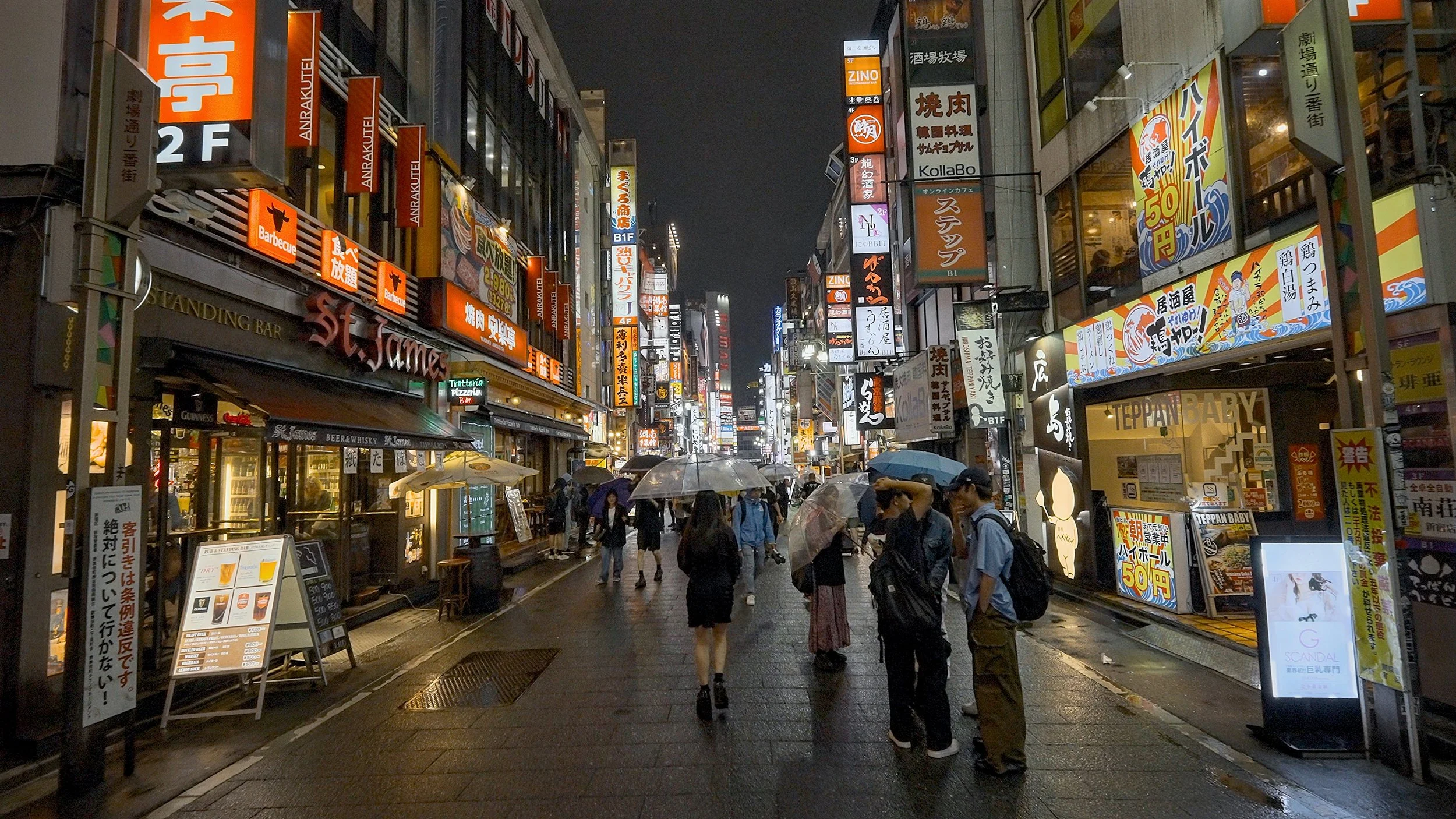
Shinjuku feels like Tokyo turned up to eleven—skyscrapers, neon, entertainment districts, tiny bars and one of the busiest train stations on Earth.
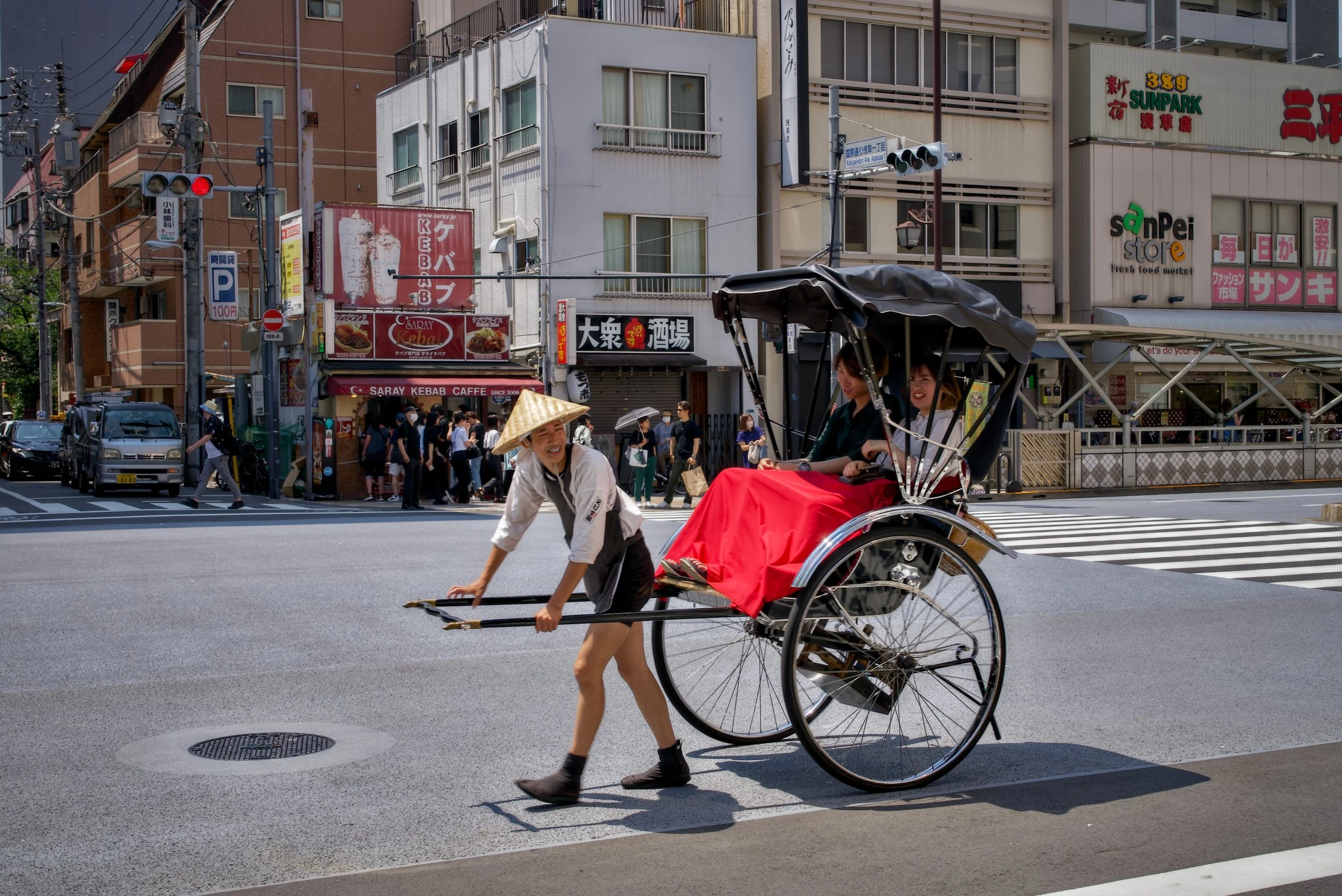
Asakusa gives you a taste of older Tokyo with traditional shopping streets, temples and historic atmosphere.
Ginza is polished and upscale, filled with department stores, restaurants and luxury shopping.
Ueno feels more relaxed and traditional, with parks, museums, markets and excellent transportation connections.
Akihabara is the center of Tokyo's anime, manga, gaming and electronics culture.
Then there are neighborhoods such as Ebisu, Nakameguro, Koenji, Shimokitazawa and Kichijoji, where Tokyo starts feeling more local and less like a checklist of tourist attractions.
That's why where you stay matters. Tokyo is far too large to think of your hotel as simply being "in Tokyo." Your neighborhood becomes part of the experience.
Best Time to Visit
Spring: March–May
Spring is one of the most popular times to visit Tokyo.
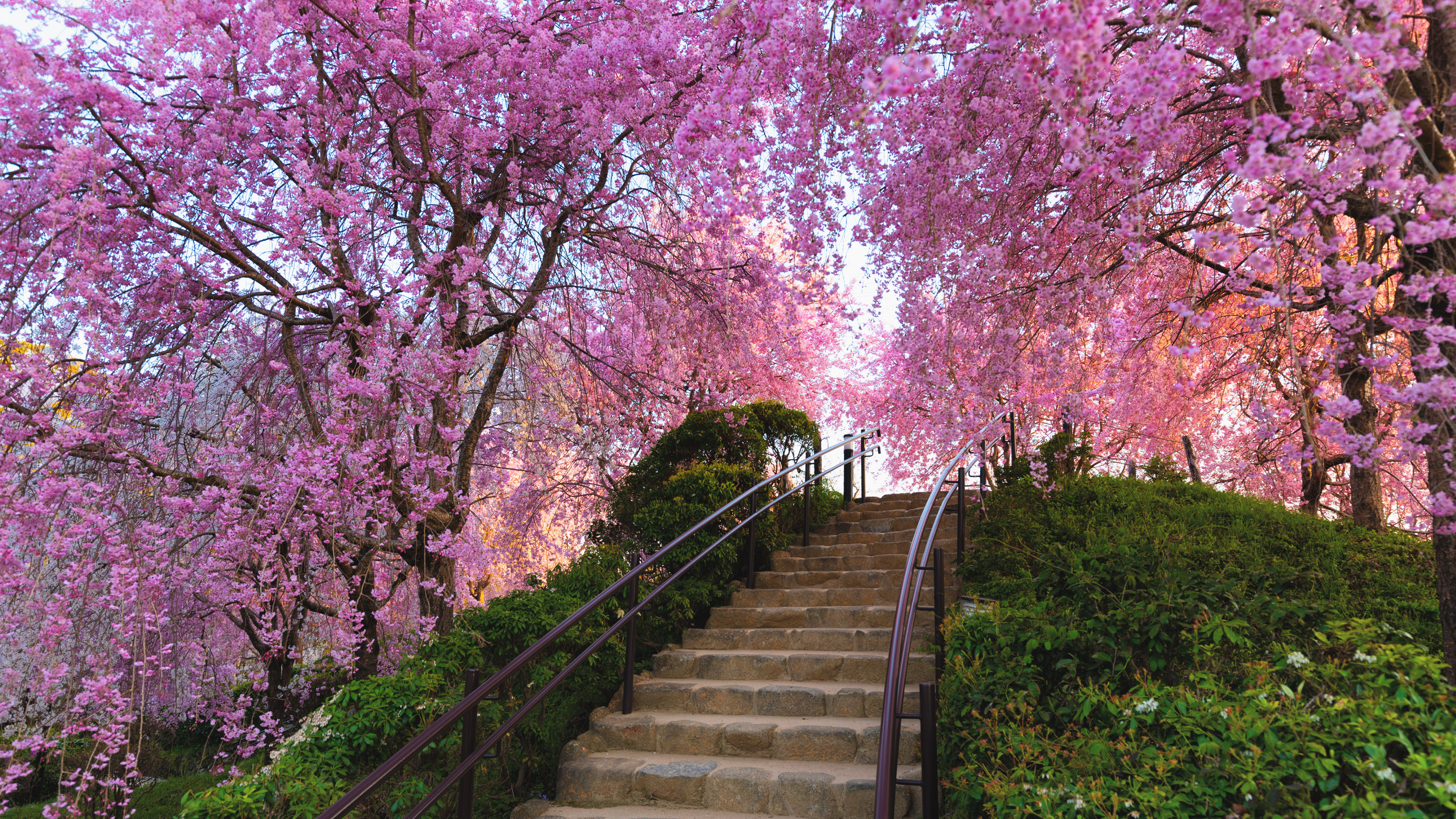
Late March through early April is typically cherry blossom season, although exact timing changes every year. The weather is generally comfortable and the city is beautiful, but accommodation prices and crowds can increase dramatically during peak blossom periods.
May is especially nice once Japan's Golden Week holiday period ends.
Summer: June–August
Tokyo summers can be brutal.
June brings the rainy season, while July and August are typically extremely hot and humid. Temperatures alone don't always look terrible on paper—the humidity is what gets you.
You'll also be walking significantly more than you probably do at home.
Summer does bring festivals and fireworks, but unless you're specifically traveling for those events, this wouldn't be our first choice for a Tokyo trip.
Fall: September–November
October and November are arguably two of the best months to visit.
Humidity begins dropping, temperatures become much more comfortable and autumn colors eventually appear around the city.
September can still feel very much like summer and is also within Japan's typhoon season.
Winter: December–February
Winter is underrated.
Tokyo winters are generally cool and relatively dry, with plenty of sunny days. Tourist crowds can also be lighter outside the New Year holiday period.
If you don't mind wearing a jacket, January and February can be great months for sightseeing.
Our sweet spots: late April into May and October through November.
Fun Facts
Tokyo's metropolitan area is the largest urban area in the world, with tens of millions of people living throughout the region.
Shinjuku Station is regularly described as the world's busiest railway station, handling millions of passengers on busy days.
Tokyo hasn't always been called Tokyo. For centuries it was known as Edo before becoming Tokyo in 1868.
Tokyo also has more Michelin-starred restaurants than almost any city on Earth—but some of the most memorable meals can cost less than ¥1,000.
You'll also find vending machines almost everywhere. Drinks are the most common, but Japan has turned vending machines into something approaching an art form.
And despite Tokyo's enormous population, you'll frequently find streets that are almost eerily quiet just a few blocks away from the busiest tourist areas.
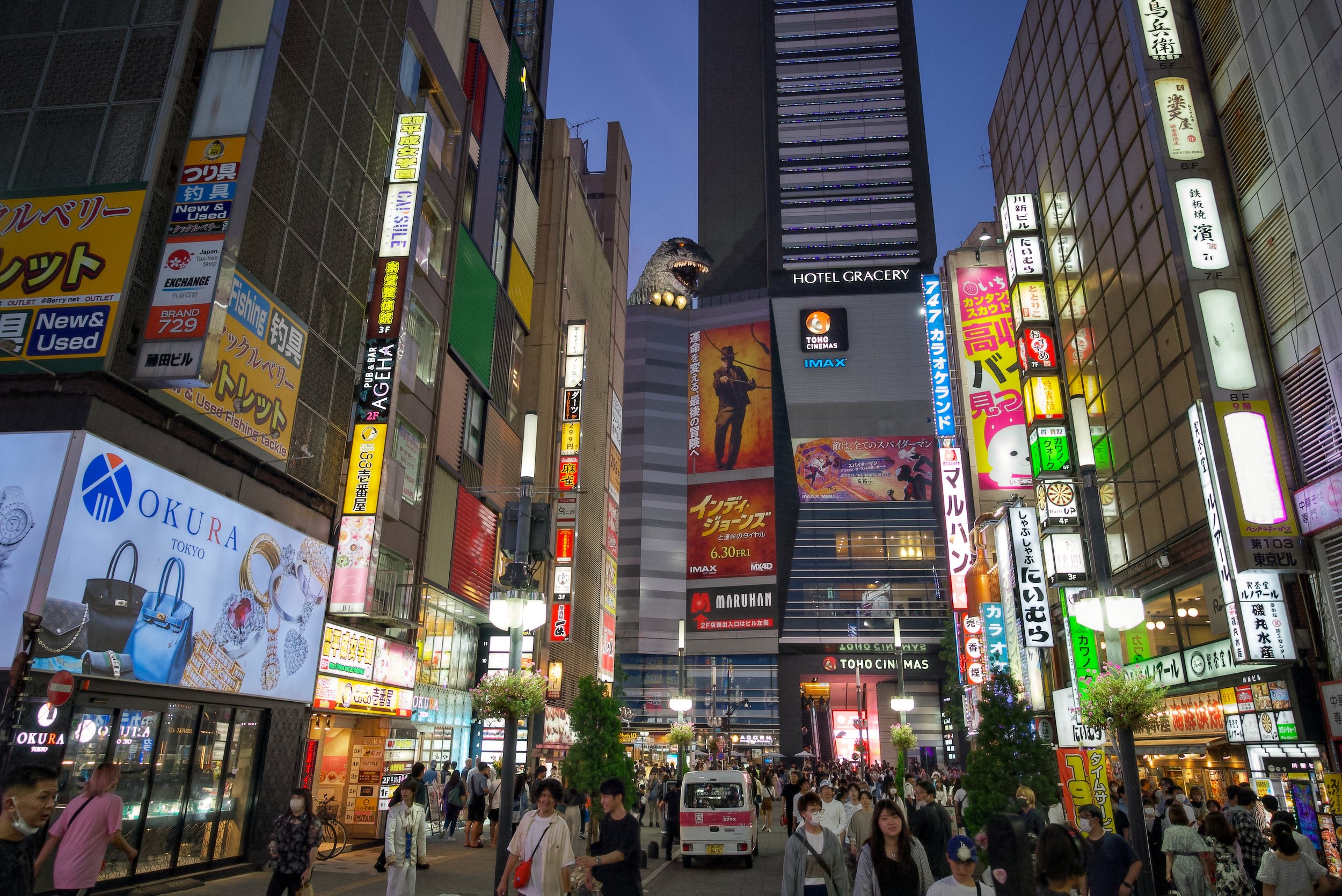
Ginza
Best for upscale shopping and a polished central location.
Ginza is clean, sophisticated and centrally located. Tokyo Station, Tsukiji and the Imperial Palace area are nearby.
Accommodation tends to be more expensive.
Tokyo Station / Marunouchi
Best for transportation and day trips.
If you're planning to use the Shinkansen frequently, staying around Tokyo Station can be incredibly convenient.
It's less exciting at night than Shinjuku or Shibuya, but transportation connections are outstanding.
Akihabara
Best for anime, manga and gaming fans.
If Japanese pop culture is a major reason you're visiting, Akihabara puts you directly in the middle of it.
For most first-time visitors, we'd generally choose Shinjuku, Shibuya, Ueno or Asakusa, depending on budget and the atmosphere you want.
Where to Stay
Choosing the right neighborhood is one of the biggest decisions you'll make when planning Tokyo.
Shinjuku
Best for first-time visitors who want action and transportation.
Shinjuku gives you incredible train connections, endless restaurants, nightlife, shopping and entertainment.
The downside is obvious: it's busy.
Shinjuku Station is enormous, and staying on the wrong side of it can add a surprising amount of walking to your day.
Shibuya
Best for energy, nightlife and younger travelers.
Shibuya is one of the images people have in their heads when they imagine Tokyo—bright lights, crowds, shopping and the famous Shibuya Crossing.
It's extremely convenient but usually more expensive and rarely peaceful.
Ueno
Best for value and transportation.
Ueno is one of our favorite alternatives to Shinjuku and Shibuya.
You have excellent transportation, Ueno Park, Ameyoko shopping street, plenty of affordable restaurants and relatively easy access to Asakusa and northeastern Tokyo.
Hotels can also be considerably cheaper.
Asakusa
Best for traditional atmosphere.
Staying around Asakusa puts you near Senso-ji Temple and some of Tokyo's most atmospheric older streets.
Nights are noticeably quieter than Shinjuku or Shibuya.
The tradeoff is that transportation isn't quite as convenient for western Tokyo attractions.
Local Foods to Try
You could visit Tokyo for a month and barely scratch the surface of its food scene.
Sushi is an obvious starting point. You don't need an expensive omakase restaurant either. Conveyor-belt sushi restaurants can be inexpensive and surprisingly good.
Ramen comes in countless varieties, from rich tonkotsu to shoyu, miso and lighter chicken-based broths.
Tonkatsu is a breaded and fried pork cutlet typically served with shredded cabbage, rice and sauce.
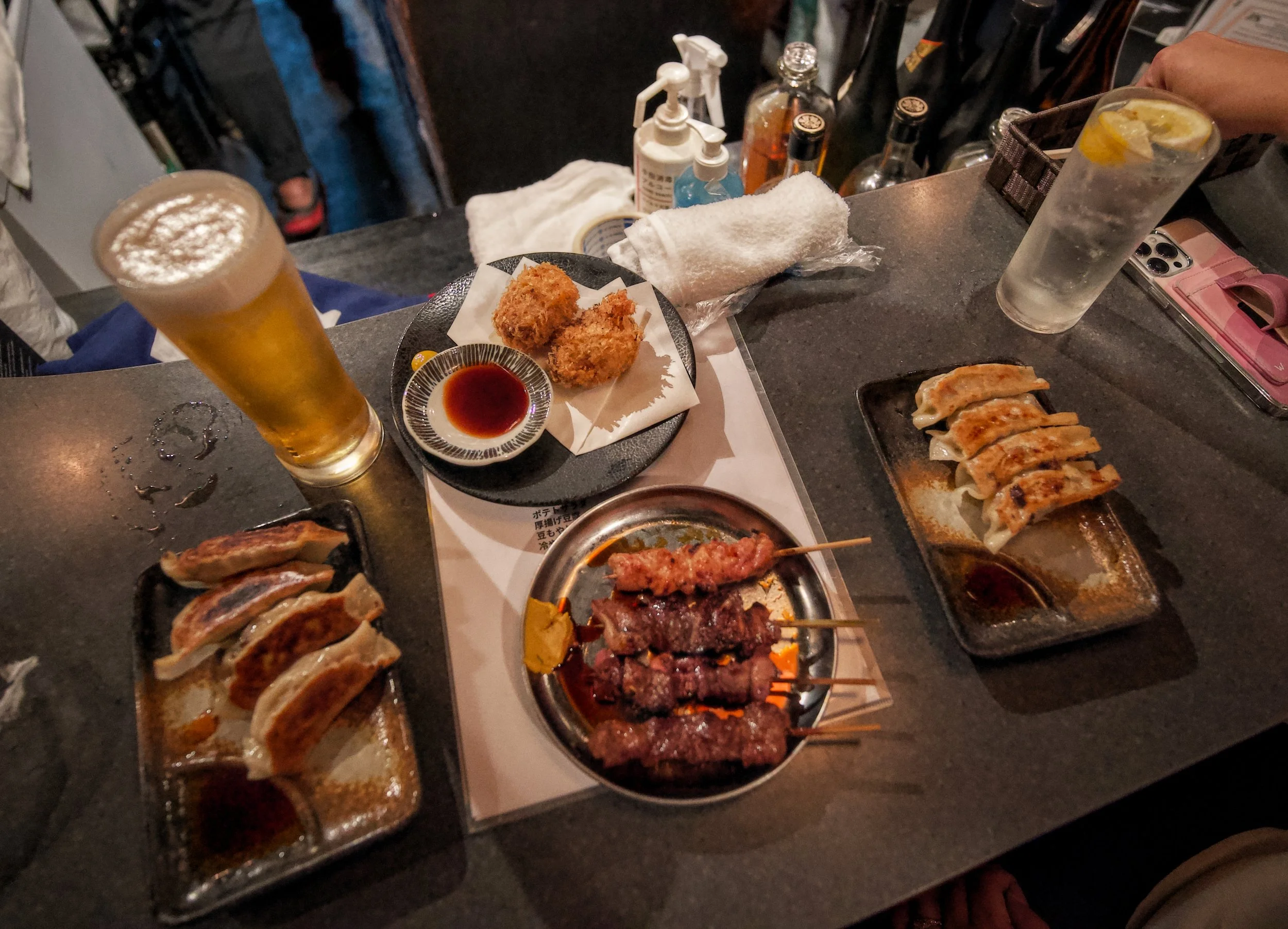
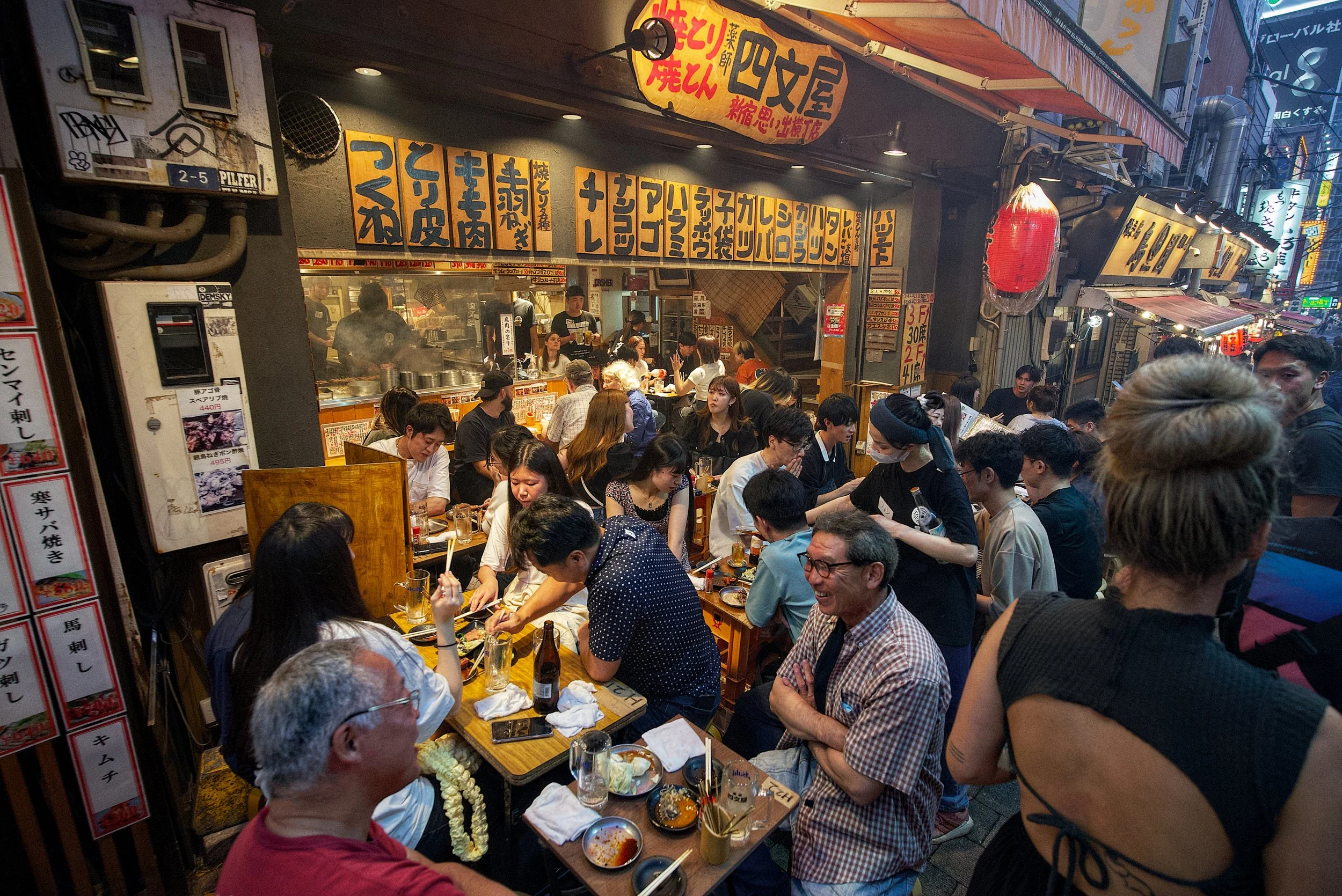
Yakitori consists of grilled chicken skewers and is perfect with a cold beer at an izakaya.
Tempura is seafood and vegetables coated in a light batter and fried.
Soba and udon restaurants are everywhere and can provide some of the best inexpensive meals in Tokyo.
Japanese curry is thicker and sweeter than many other Asian curries and is one of Japan's great comfort foods.
Gyudon—thinly sliced beef over rice—is cheap, filling and available everywhere.
Okonomiyaki is a savory pancake typically filled with cabbage and other ingredients.
Gyoza are Japanese dumplings and make an excellent side dish with ramen.
And don't ignore convenience-store food.
7-Eleven, FamilyMart and Lawson are legitimate food stops in Japan. Onigiri, egg sandwiches, fried chicken, desserts and ready-made meals can be remarkably good considering you're buying dinner from a convenience store.
Rush Hour
Avoid major commuter trains during weekday rush hour whenever possible.
Tokyo trains aren't always packed, but during peak commuting periods certain lines can become extremely crowded.
If you're sightseeing, there's usually no reason to put yourself through it.
Taxis
Tokyo taxis are clean, safe and professional—but they're much more expensive than trains.
They're useful late at night, with heavy luggage or when traveling a short distance between inconvenient train connections.
Getting Around
Tokyo's transportation system looks terrifying on a map.
In practice, it's fantastic.
Most visitors will primarily use a combination of JR trains, Tokyo Metro and Toei Subway lines.
You don't need to memorize the system.
Use Google Maps.
Enter your destination and it will normally tell you which station to use, which train to take, the departure time, transfers and often even the best station exit.
Get a Suica or PASMO Card
A reloadable IC transit card makes transportation significantly easier.
Instead of calculating individual fares, tap into the station and tap out at your destination.
Depending on your device and eligibility, you may also be able to add a Suica to your phone.
IC cards can also be used at convenience stores, vending machines and many other businesses.
Understand the Station Exits
This is one of the most overlooked Tokyo travel tips.
Getting to the correct station doesn't necessarily mean you're close to your destination.
Large stations can have dozens of exits.
Google Maps will often recommend a specific exit. Pay attention to it.
Choosing the wrong exit at Shinjuku can turn a five-minute walk into an unexpected sightseeing expedition.
Earthquakes
Japan experiences earthquakes regularly.
Most are minor, but visitors should understand basic earthquake procedures and pay attention to emergency alerts on their phones.
Hotels normally provide emergency information and evacuation instructions.
Trash Cans Are Surprisingly Rare
Tokyo is exceptionally clean despite having relatively few public trash cans.
You may occasionally need to carry your trash until you reach your hotel, a station or another appropriate disposal location.
Eating While Walking
It's not universally forbidden, but walking around while eating is less common than in many Western countries.
If you buy street food, it's generally better to eat near the vendor rather than wandering down the street with it.
Convenience Stores Are Your Friend
Convenience stores are everywhere and can solve an amazing number of travel problems.
Food, ATMs, drinks, toiletries, umbrellas, basic clothing, chargers and other necessities are often available 24 hours a day.
ATMs
International cards generally work well at ATMs found inside major convenience stores, particularly 7-Eleven locations.
Still, tell your bank you're traveling if required and bring more than one payment card.
Don't Tip
Tipping isn't part of normal Japanese culture.
Restaurants, taxis and hotels generally don't expect it.
Excellent service isn't a hint that someone wants a tip—that's simply the service standard.
Learn a Few Japanese Words
You don't need to speak Japanese to visit Tokyo, but even a few phrases help:
Arigatou gozaimasu – Thank you
Sumimasen – Excuse me / Sorry
Konnichiwa – Hello
Eigo? – English?
Onegaishimasu – Please
"Sumimasen" may become the most useful Japanese word you learn.
Visa & Entry Requirements
For American travelers visiting Japan for a normal vacation, entry is relatively simple.
U.S. passport holders generally do not need to obtain a tourist visa in advance for short stays of up to 90 days. Your passport needs to be valid for the duration of your stay, and immigration officials may ask about your accommodation, onward travel or purpose of visit.
Rules can change, so travelers should always verify requirements for their specific nationality and circumstances before departure.
Common Mistakes to Avoid
Trying to see too much. Tokyo is enormous. Group attractions geographically rather than crossing the city repeatedly.
Staying far from a train station to save a few dollars. A cheaper hotel isn't much of a bargain if you're walking 15–20 minutes to a station four times every day.
Ignoring station size. Being "near Shinjuku Station" can mean very different things depending on which entrance you're near.
Overplanning restaurants. Reserve special meals, but leave room for spontaneous discoveries. Tokyo is one of the easiest cities in the world to find good food without a plan.
Only visiting Shibuya and Shinjuku. They're great, but they're only one version of Tokyo.
Taking taxis everywhere. You'll burn through your budget unnecessarily.
Expecting everyone to speak English. Tokyo is very manageable without Japanese, but English isn't universally spoken.
Talking loudly on trains. Public transportation is generally quiet. Phone calls aboard trains are especially frowned upon.
Blocking sidewalks or escalators. Tokyo moves efficiently because people generally stay aware of the people around them.
Carrying huge amounts of luggage through train stations. Japan's luggage-delivery services can be extremely useful when changing hotels or cities.
Assuming the JR Pass automatically saves money. For many itineraries, it doesn't. Calculate the cost of your actual planned train trips before purchasing any rail pass.
Not carrying any cash. Japan has become dramatically more card-friendly, but cash still comes in handy at smaller restaurants, temples, ticket machines and older businesses.
Safety & Things to Know
Tokyo is one of the safest major cities in the world.
Violent crime affecting tourists is relatively rare, and walking around at night generally feels remarkably safe compared with many other large cities.
That doesn't mean you should completely drop your guard.
Entertainment districts—particularly parts of Kabukicho and Roppongi—are places where visitors should be cautious about touts attempting to lure them into bars or clubs. Don't follow strangers promising cheap drinks, special clubs or unusually good deals.
Visit Japan Web
Before arriving, consider completing Visit Japan Web, Japan's official online arrival service.
It allows international visitors to enter information used for immigration and customs procedures before reaching the airport, which can make arrival considerably easier.
Official Visit Japan Web information
Once your information is registered, you can use the generated QR code during the arrival process. Japan's Digital Agency specifically promotes the system as a way to streamline immigration and customs procedures.
One important warning: use the official Visit Japan Web service. Japan's Digital Agency has warned about fraudulent apps impersonating Visit Japan Web and requesting credit-card information. The legitimate service does not require credit-card information for entry registration.
Before You Fly
Have the following information easily accessible:
Passport
Address and name of your first hotel/accommodation
Flight information
Return or onward travel information
Visit Japan Web QR code if you've registered online
Japan is surprisingly easy to visit once you understand the basics. The transportation system works, the streets are safe, food can be incredibly affordable, and there is almost always something interesting around the next corner.
The biggest mistake you can make in Tokyo is treating it like a checklist.
Give yourself time to wander. Pick a neighborhood, get off the train, walk down streets that aren't in the guidebook, stop at the tiny restaurant with six seats, and see where the day takes you.
That's usually where the best Tokyo experiences happen.
Things to Do & See
Tokyo isn't a city where we'd recommend spending your entire trip running from attraction to attraction. Some of the best experiences come from exploring the neighborhoods themselves.
Shibuya Crossing
Yes, it's touristy.
And yes, you should still see it.
Walk through the crossing and then find an elevated viewpoint to appreciate the organized chaos from above.
Shibuya Sky
One of Tokyo's best observation decks and especially impressive around sunset.
Popular time slots can sell out, so this is something worth reserving ahead of time.
Meiji Shrine
Located beside Harajuku, Meiji Shrine feels surprisingly peaceful considering you're in the middle of one of the largest cities on Earth.
The wooded approach is almost as enjoyable as the shrine itself.
Harajuku
Walk Takeshita Street once just to experience it, but don't stop there.
The surrounding streets around Cat Street and Omotesando offer much more interesting shopping, architecture and people-watching.
Senso-ji Temple
Tokyo's oldest and most famous Buddhist temple sits in Asakusa.
Walk through Kaminarimon Gate, explore Nakamise shopping street and continue toward the temple.
Try visiting early in the morning or later in the evening if you want to experience the area without the biggest crowds.
Tokyo Skytree
At 634 meters tall, Tokyo Skytree dominates the eastern Tokyo skyline.
Even if you don't go up, you'll frequently see it while exploring Asakusa and Sumida.
Tokyo Metropolitan Government Building
One of Tokyo's best budget sightseeing opportunities.
The observation areas offer impressive views across Tokyo without the admission prices charged by some other observation decks.
Tsukiji Outer Market
The wholesale market moved to Toyosu, but Tsukiji's outer market remains packed with seafood, street food, restaurants and specialty shops.
Come hungry.
Toyosu Market
If you're particularly interested in seafood markets or the famous tuna auctions, Toyosu is worth considering.
teamLab
Tokyo's immersive digital-art experiences have become some of the city's most popular modern attractions.
Tickets can sell out, particularly during weekends and peak tourism periods.
Imperial Palace Area
You can't simply wander through most of the Imperial Palace, but the surrounding gardens, moats and walking paths make this an enjoyable break from Tokyo's dense urban neighborhoods.
Akihabara
Even if you're not obsessed with anime or gaming, Akihabara is worth seeing once.
Multi-story electronics stores, arcades, anime shops and flashing advertisements make it one of Tokyo's most distinctive neighborhoods.
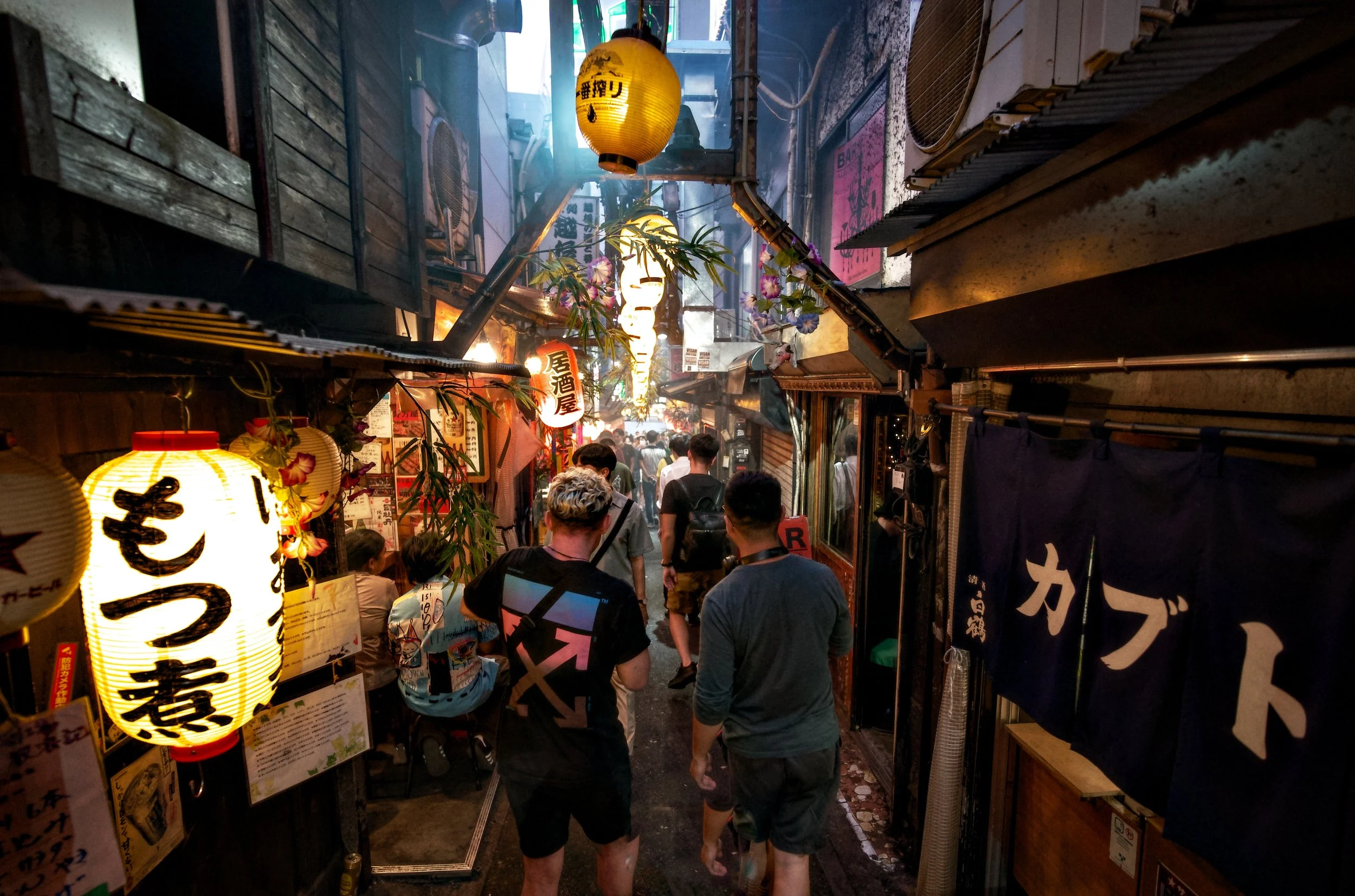
Omoide Yokocho
Tiny restaurants squeezed into narrow alleyways create one of Shinjuku's most atmospheric nighttime areas.
It has become increasingly touristy, but it's still worth walking through.
Golden Gai
Another famous Shinjuku nightlife area consisting of narrow lanes lined with tiny bars.
Some bars have only enough room for a handful of customers.
Explore Tokyo's Smaller Neighborhoods
Once you've covered the major attractions, this is where Tokyo becomes really interesting.
Spend time wandering places like Shimokitazawa, Kichijoji, Koenji, Nakameguro, Ebisu, Kagurazaka or Yanaka.
You'll see a completely different side of the city.