Verona, Italy
OVerview & Vibe
Verona is touristy but it doesn't feel touristy in the same way as Rome or Florence.
Yes, you'll find tour groups, souvenir shops and plenty of people packed around anything related to Romeo and Juliet. But walk a couple of streets away from the major attractions and Verona quickly becomes quieter.
That was probably our favorite thing about the city.
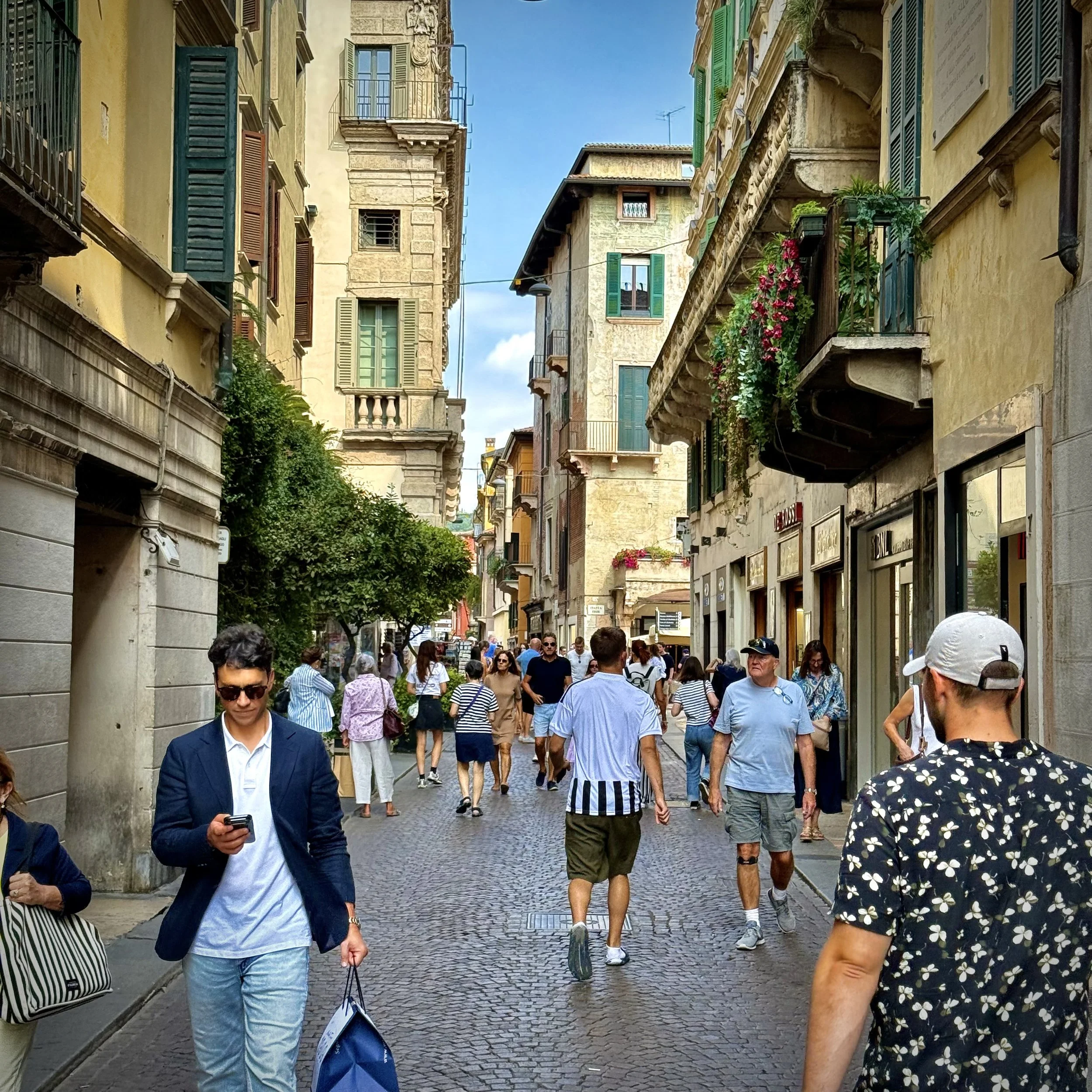
Some of our best evenings weren't spent sightseeing at all. We'd leave our Airbnb without a plan, wander through the old streets, grab a drink or gelato and find somewhere to sit.
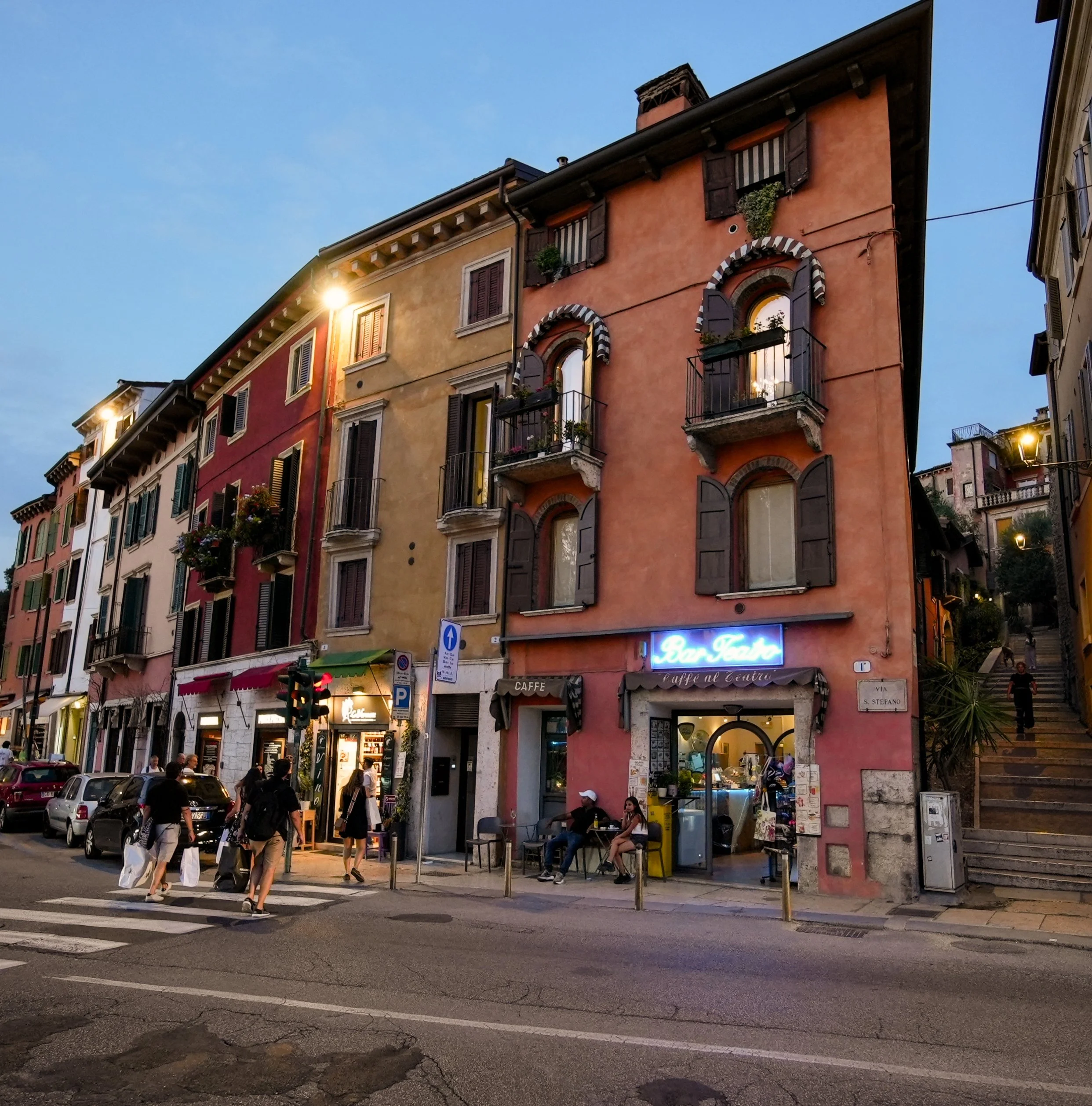
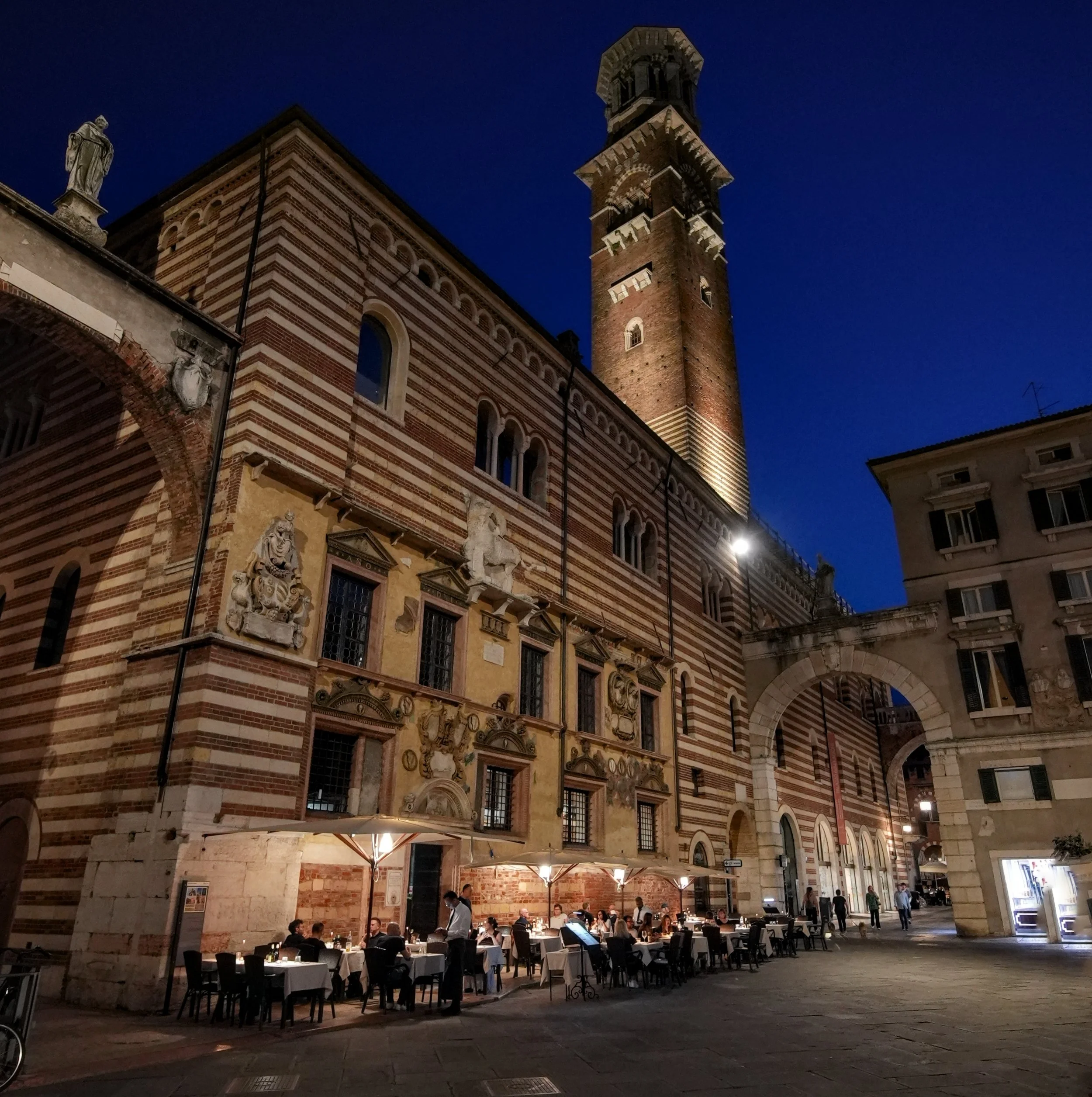
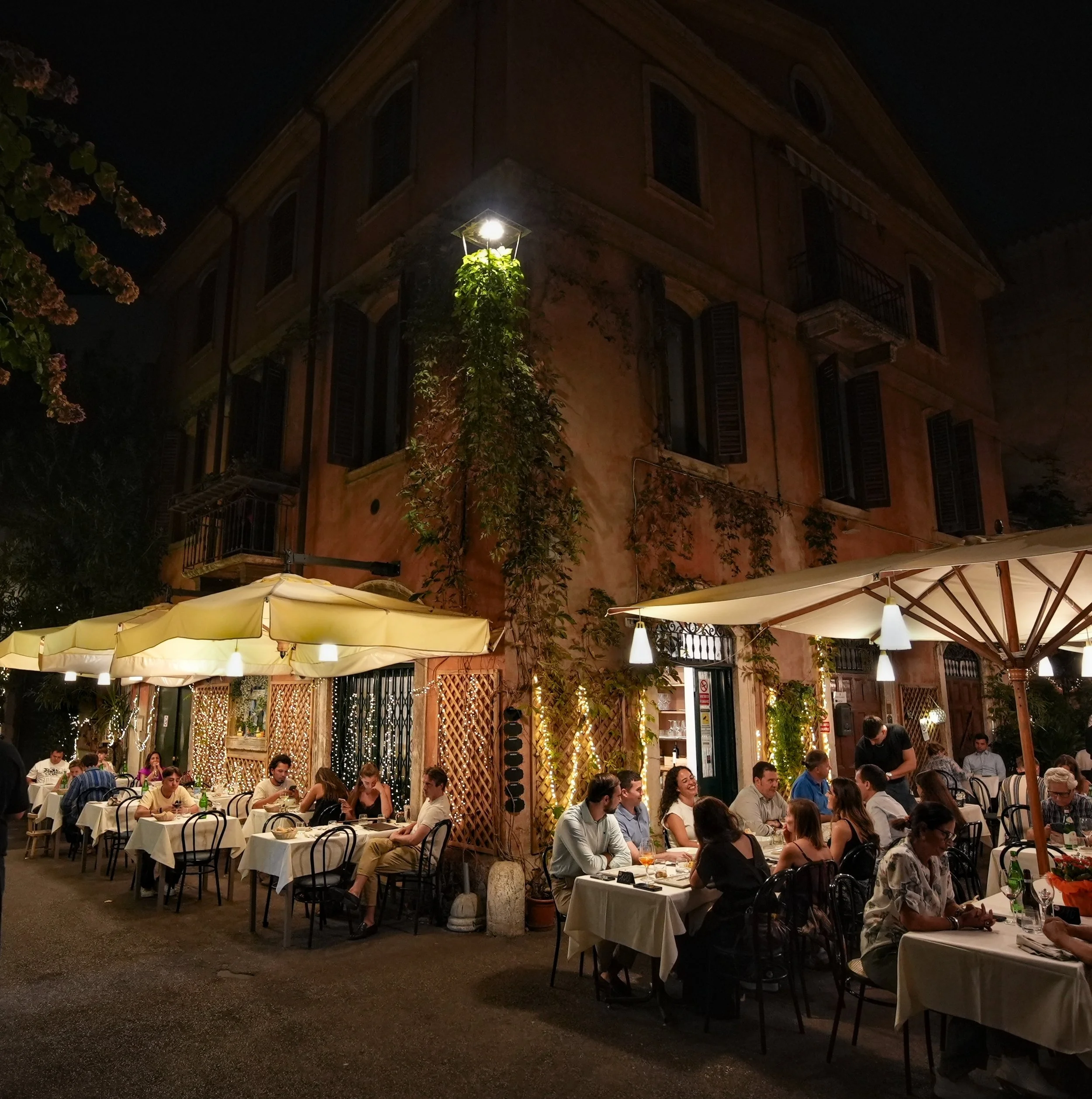
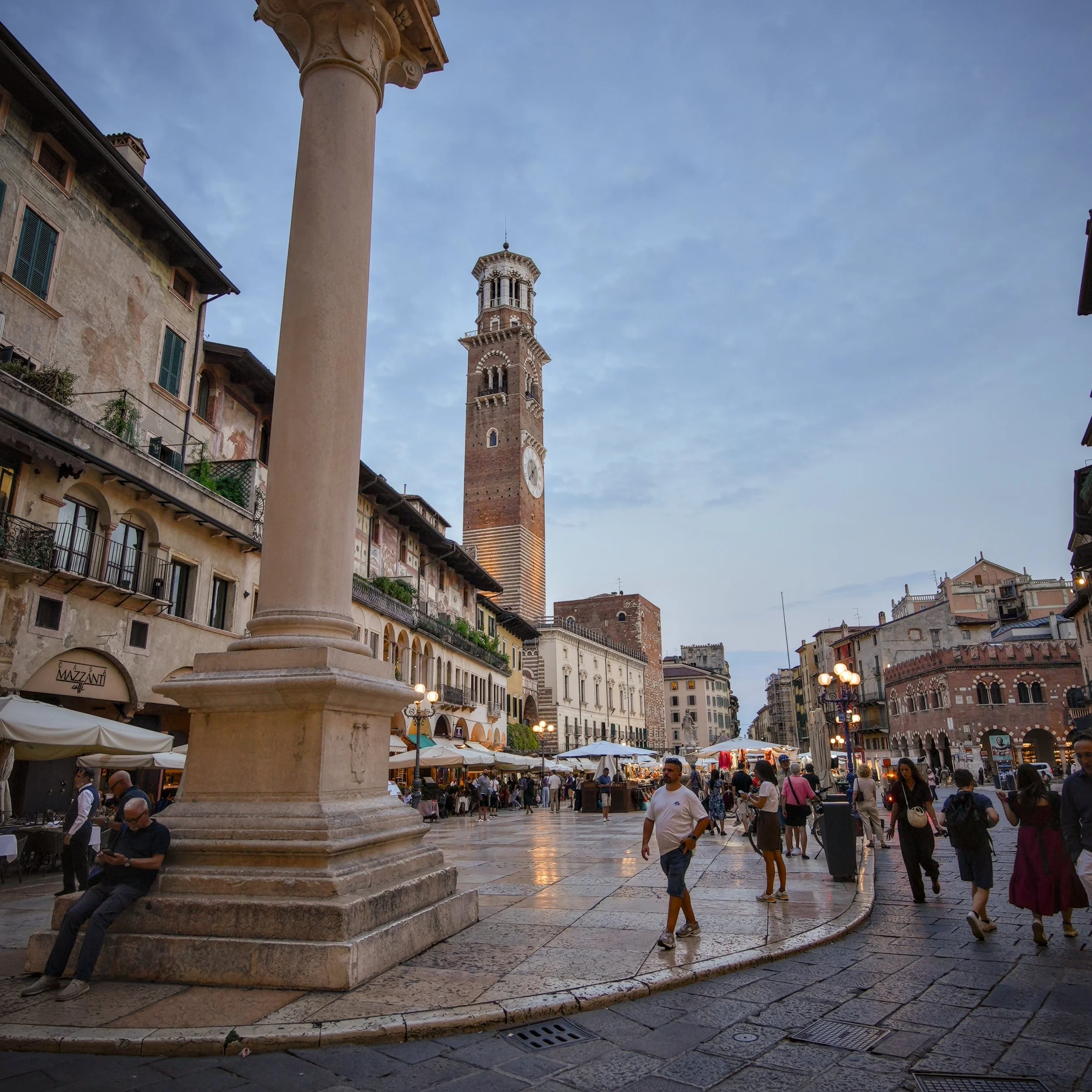
At night, Verona becomes particularly beautiful. The bridges and historic buildings light up, restaurants spill into the streets, and the entire city seems to slow down.
Sometimes simply walking around Verona is the thing to do.
Despite wondering whether five nights would be too long, we left feeling like we easily could have stayed longer.
Verona at a Glance
Verona surprised us by becoming one of our favorite stops in Italy.
After the crowds and constant sightseeing of Rome and Florence, Verona felt like somebody turned the volume down. It's smaller, quieter, extremely walkable, and although it's definitely touristy, it rarely felt overwhelming.
The historic center sits inside a large bend of the Adige River, almost creating a peninsula surrounded by water on three sides. Most of Verona's major attractions are packed into this compact area, making it one of the easiest cities we visited in Italy to explore entirely on foot.
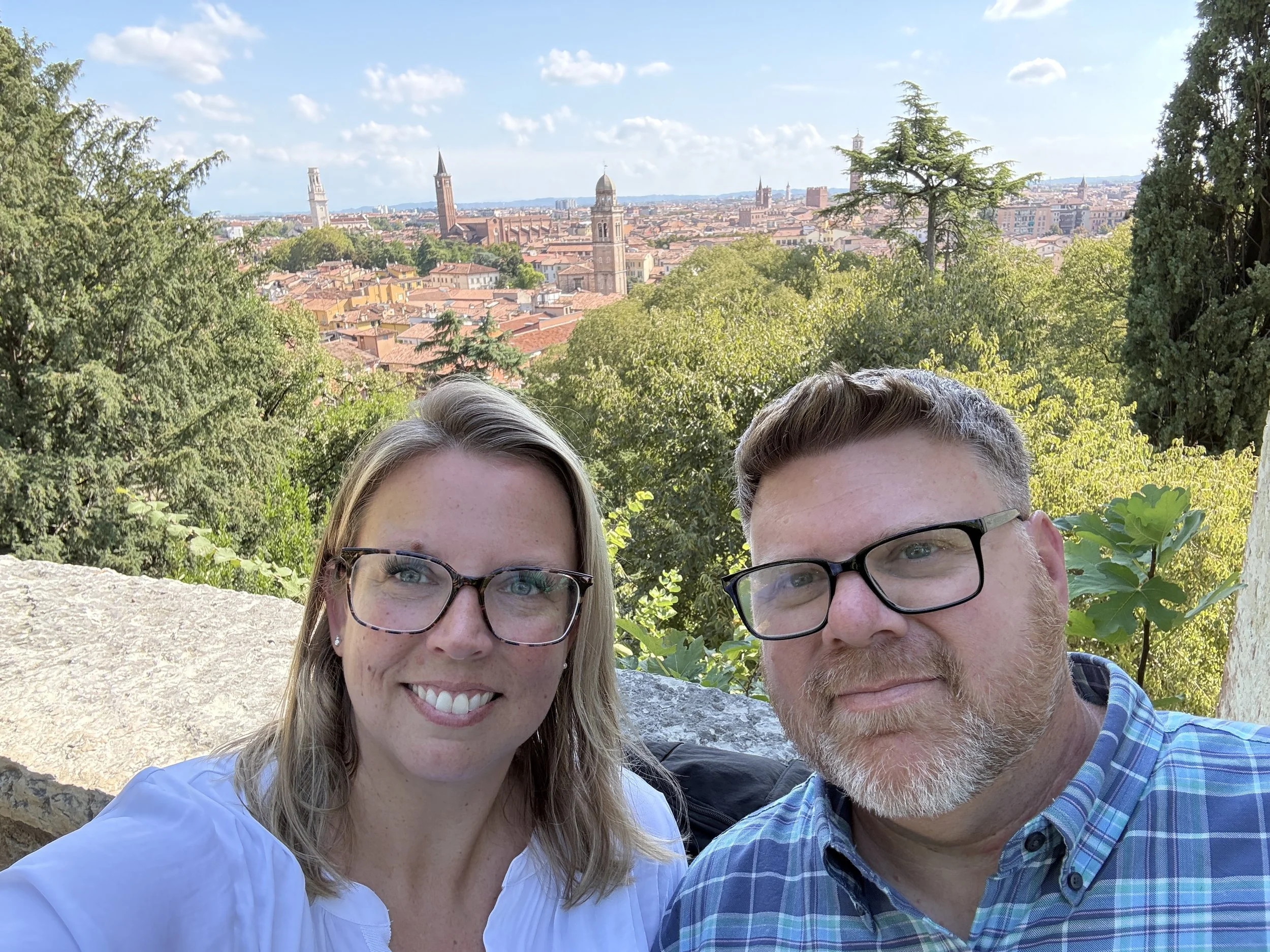
Cross the river and you'll find hills, gardens, Castel San Pietro, and several viewpoints overlooking Verona's rooftops and historic center. Pasted markdown
Best for: Couples, slow travel, food, history, architecture and travelers who love walkable cities
Ideal stay: 2–5 nights
Getting around: Mostly on foot
Overall vibe: Romantic, relaxed, historic and lively without feeling chaotic
Don't miss: Verona Arena, Giardino Giusti, Castel San Pietro and an evening wandering the historic center
Quick & Fun Facts About Verona
Verona's historic center is a UNESCO World Heritage Site.
The city became an important Roman settlement more than 2,000 years ago.
Verona Arena dates to the first century AD and is still used for concerts, opera and other performances.
Piazza delle Erbe occupies the location of Verona's ancient Roman forum.
Verona is famous as the setting of Shakespeare's Romeo and Juliet—although there is no historical evidence that Romeo and Juliet actually existed.
The famous balcony at Juliet's House isn't an original "Juliet's balcony"; it was added centuries after the building was constructed.
The Adige River curves around Verona's historic center, making the old city surprisingly easy to navigate.
Verona is also an excellent base for exploring northern Italy, including nearby Lake Garda and the surrounding wine regions.
Verona isn't one preserved moment in history. As you walk around, you're seeing pieces of Roman, medieval, Venetian and modern Verona layered together.
Where to Stay in Verona
Stay in the Historic Center if You Can
We learned this lesson the hard way.
We originally booked five nights at the Moxy near Verona Porta Nuova train station. There wasn't anything particularly wrong with the hotel, but the area felt busy, modern and generic and completely different from the Verona we'd come to love.
We lasted one night.
We checked out four nights early and moved into an Airbnb right in Verona's historic center, and it completely changed our experience.
The apartment was huge compared with our hotel room, with two bedrooms, bathrooms, a large kitchen, workspace and balconies overlooking the streets below. More importantly, restaurants, cafés, bars and most of Verona's major attractions were just outside our door.
We could work for a few hours, walk downstairs for lunch, come back, and then head out again for dinner, drinks or gelato.
Instead of commuting into Verona every day, we actually felt like we were living in Verona for a few days.
Don't Judge Verona by the Train Station. This deserves its own warning.
If you're arriving at Verona Porta Nuova, don't let your first impression influence what you think of the city.
The station sits roughly a mile outside the historic center. The surrounding area is busy, traffic-heavy and feels completely different from central Verona.
Get into the historic center before forming an opinion.
Trust us on this one.
Best Things to Do in Verona
1. See the Verona Arena
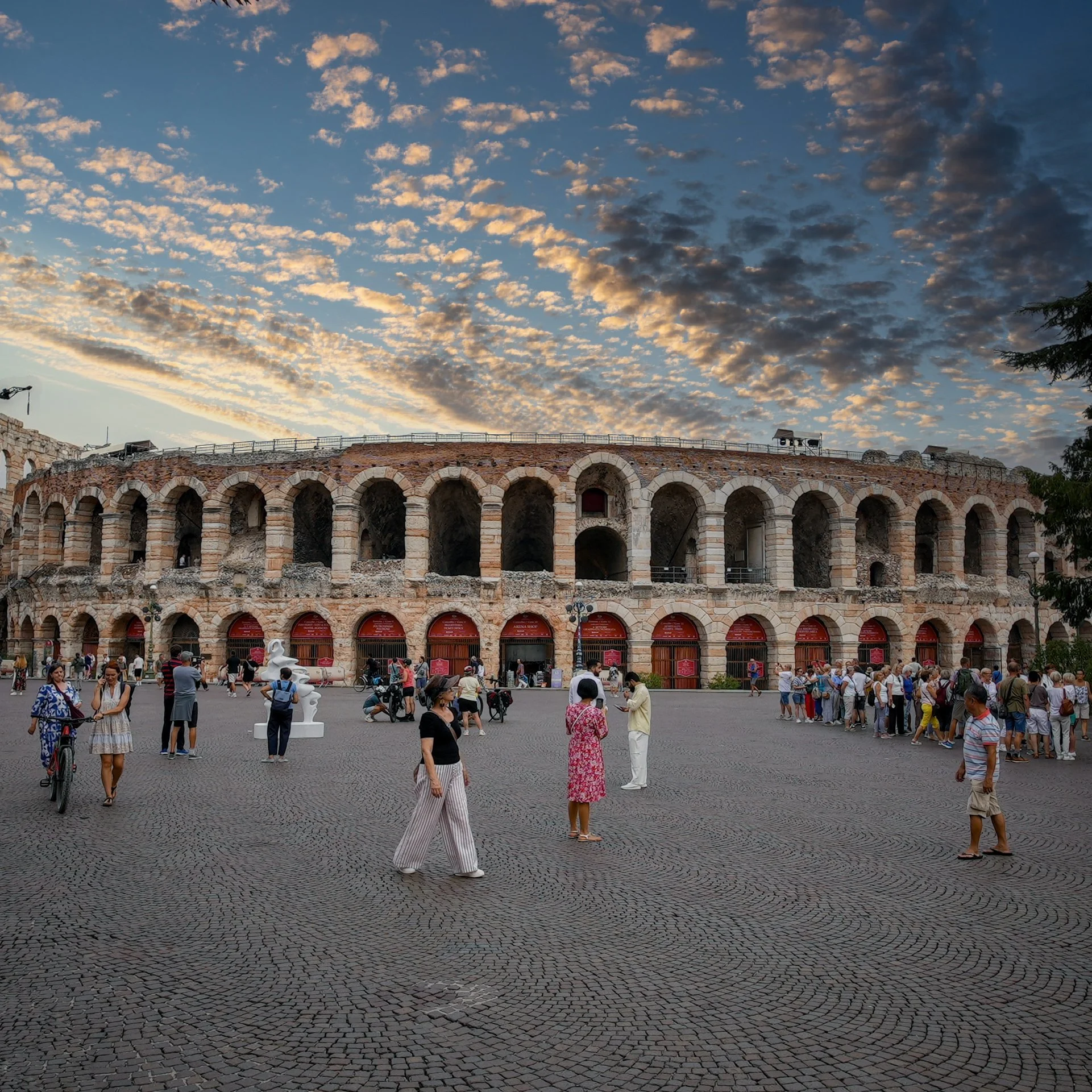
Sitting prominently in Piazza Bra, the Arena di Verona is one of the city's most impressive sights.
The Roman amphitheater dates to the first century AD and originally held roughly 30,000 spectators for gladiator fights and other Roman spectacles.
But what makes the Arena especially interesting is that it's still being used nearly 2,000 years later.
Today, instead of gladiators, the Arena hosts opera, concerts and major performances.
Even if you don't go inside, it's worth seeing during the day and again after dark when Piazza Bra comes alive.
2. Skip the Juliet's House Line—Do This Instead
Juliet's House is probably Verona's most famous tourist attraction—and one of its busiest.
Instead of waiting with the crowds to enter the courtyard, we found an alternative we liked much better.
Right next door is Il Tiramisù di Giulietta.
Head upstairs, buy a tiramisu and you'll get a fantastic view directly into Juliet's courtyard. You can see the famous balcony, take pictures and watch the crowds below.
When we visited?
No line.
And you get tiramisu.
We'll take that deal.
3. Visit Verona Cathedral — The Duomo
If you want a break from Verona's busier attractions, head to the Duomo di Verona.
Admission was just €4 per person when we visited, and the cathedral was beautiful inside.
What we appreciated most, though, was how peaceful it was. We could slow down, take our time and actually enjoy the architecture and artwork without fighting through crowds.
For €4, this was an easy recommendation for us.
4. Walk Across Ponte Pietra
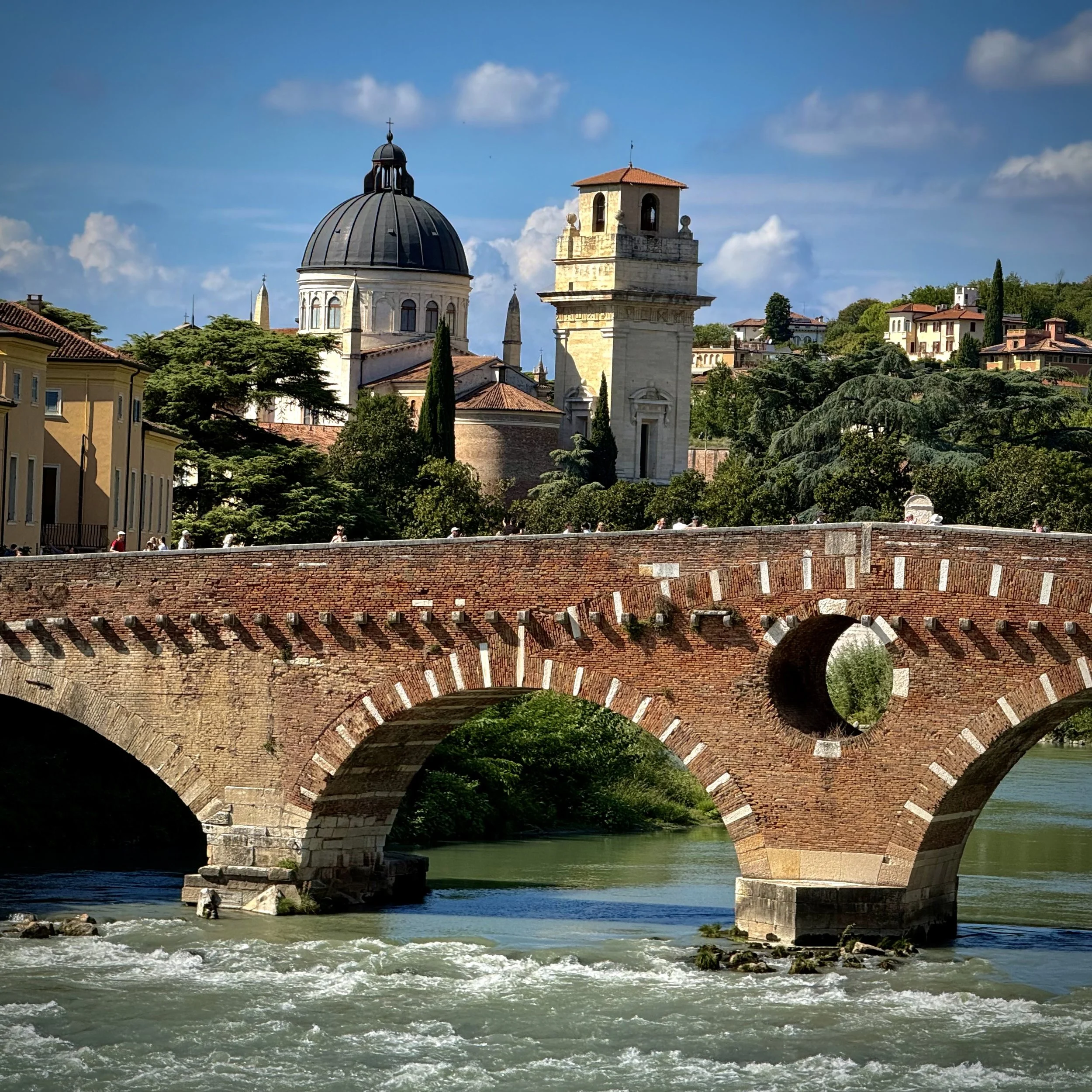
Ponte Pietra isn't just a beautiful way to cross the Adige River—it also has an incredible history.
A Roman bridge has existed at this location for roughly 2,000 years. Much of the bridge was destroyed by retreating German forces near the end of World War II and later reconstructed using recovered original stones wherever possible.
Crossing Ponte Pietra also puts you on the side of the river where you'll find some of the best views in Verona.
5. Explore Giardino Giusti
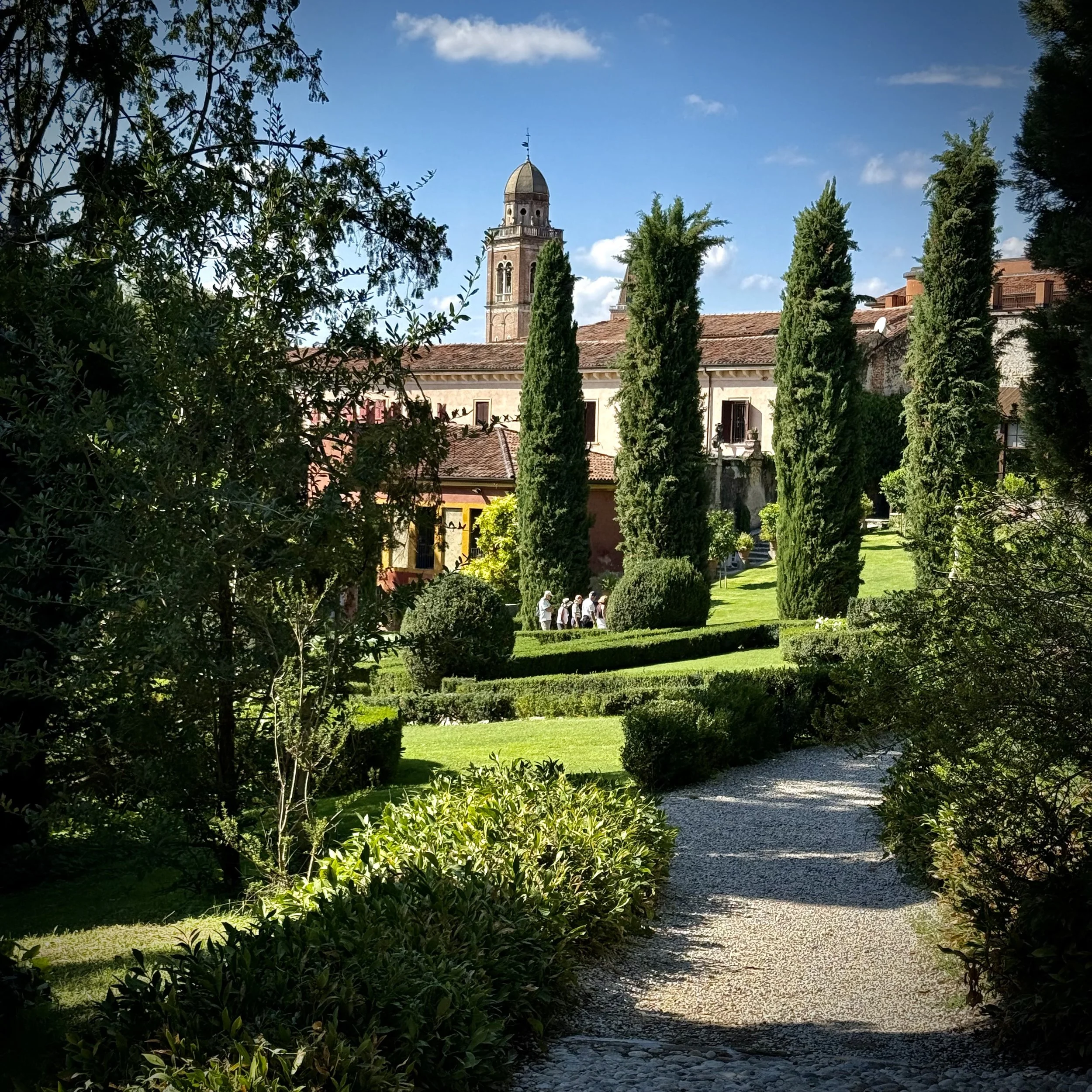
Giardino Giusti ended up being one of our favorite attractions in Verona.
Admission was €14 per person when we visited, giving you access to beautiful Renaissance gardens filled with manicured hedges, statues, fountains and pathways.
But don't stop at the lower gardens.
Keep climbing.
There are some stairs involved, but the climb isn't difficult, and eventually you'll reach a fantastic overlook across Verona.
You can also visit the historic palace while you're there, which makes the admission price feel much more worthwhile.
Give yourself at least an hour or two. This isn't somewhere you need to rush through.
6. Walk Up to Castel San Pietro
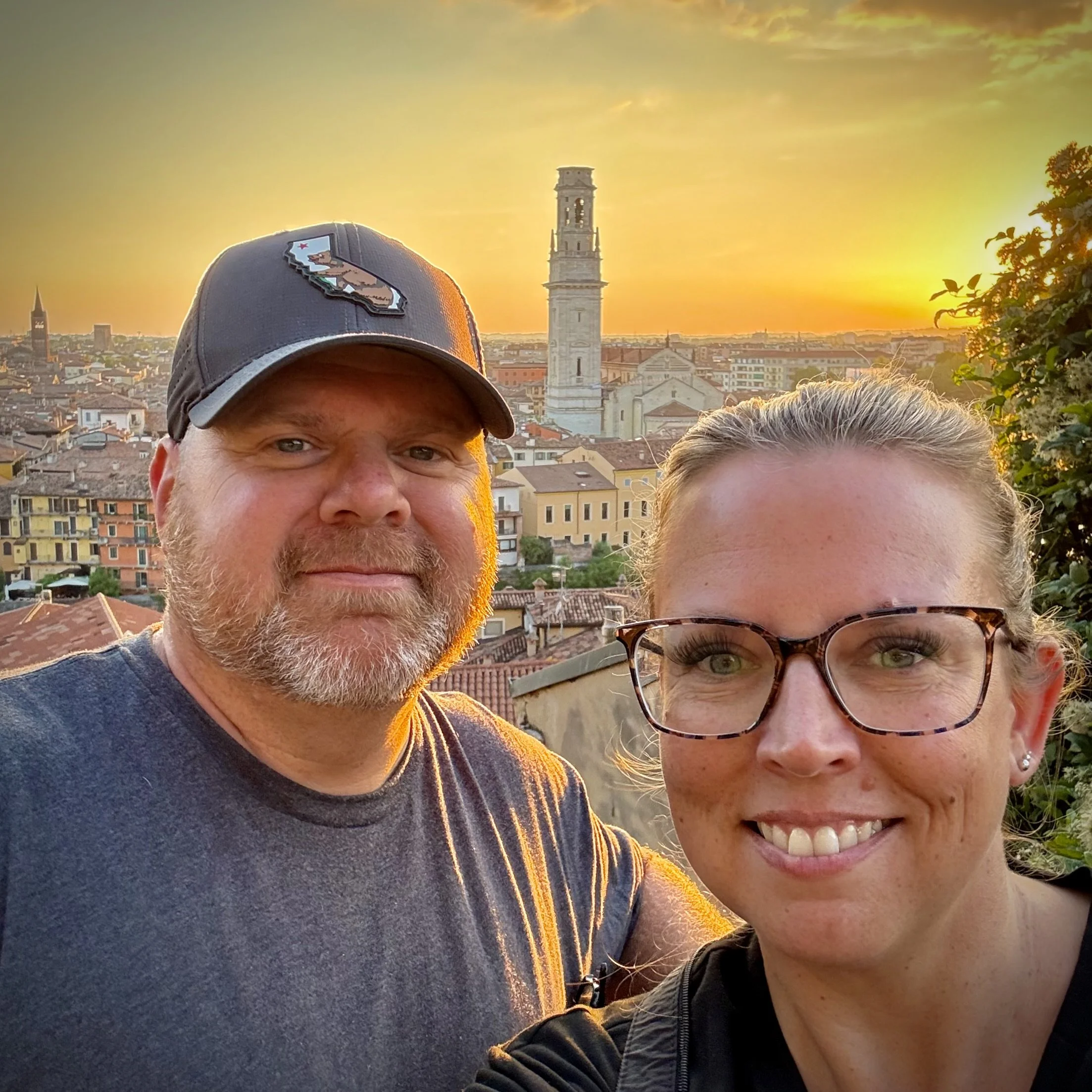
For one of the classic panoramic views over Verona, head up to Castel San Pietro.
You can take the funicular, which was €3 round-trip during our visit, but there was a decent line when we arrived.
So we walked.
It's around 237 steps, and it honestly wasn't bad at all.
We're actually glad we skipped the funicular because there are several places along the walk where you can stop and get different views across the Adige River and historic center.
Once you reach the top, you'll understand why this is one of Verona's most popular viewpoints.
Our tip: If you have time, do both Castel San Pietro and Giardino Giusti. Castel San Pietro gives you the bigger city panorama, while Giardino Giusti is more about the entire experience of the gardens and climb.
Where to Eat in Verona
Verona may be known for Romeo and Juliet and its Roman Arena, but we ate extremely well here too. And after several weeks traveling through Italy, we appreciated that Verona had plenty of variety—from traditional pasta and quick focaccia sandwiches to ramen when we desperately needed a break from Italian food.
Here are some of the places we'd recommend.
Greppia
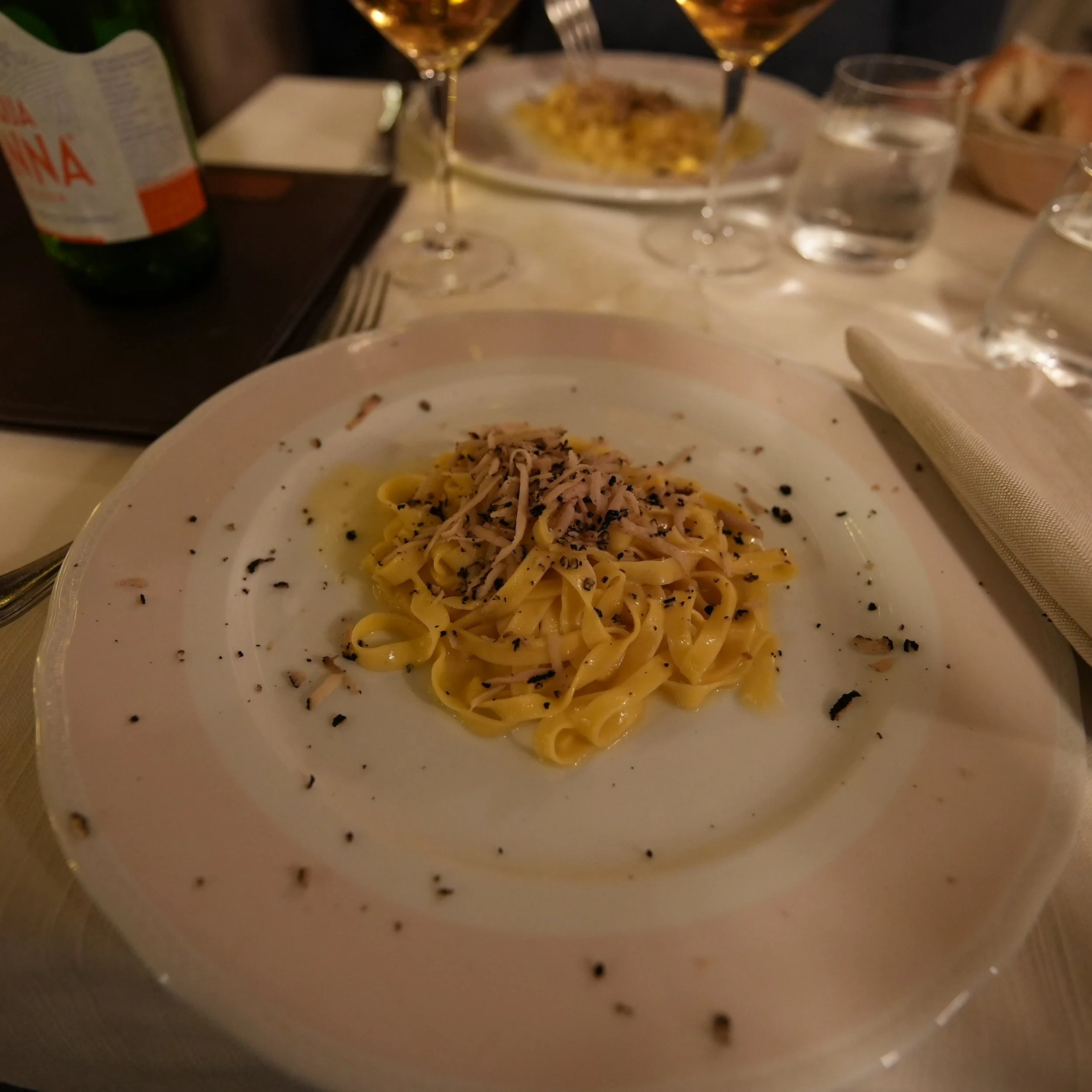
Our favorite sit-down dinner in Verona was Greppia.
The truffle pasta was fantastic—rich, creamy and packed with truffle flavor—and the three-pasta sampler was another winner.
But somehow, the biggest surprise was dessert.
The tiramisu was outstanding.
Neither of us normally loves tiramisu in the United States, but Italy—and especially Verona—may have officially converted us.
Apparently we don't dislike tiramisu.
We just dislike bad tiramisu.
Greppia was one of our more expensive meals in Verona, at around $81 for the two of us, but it was also one of our favorite dinners during our entire time in Italy.
La Prosciutteria
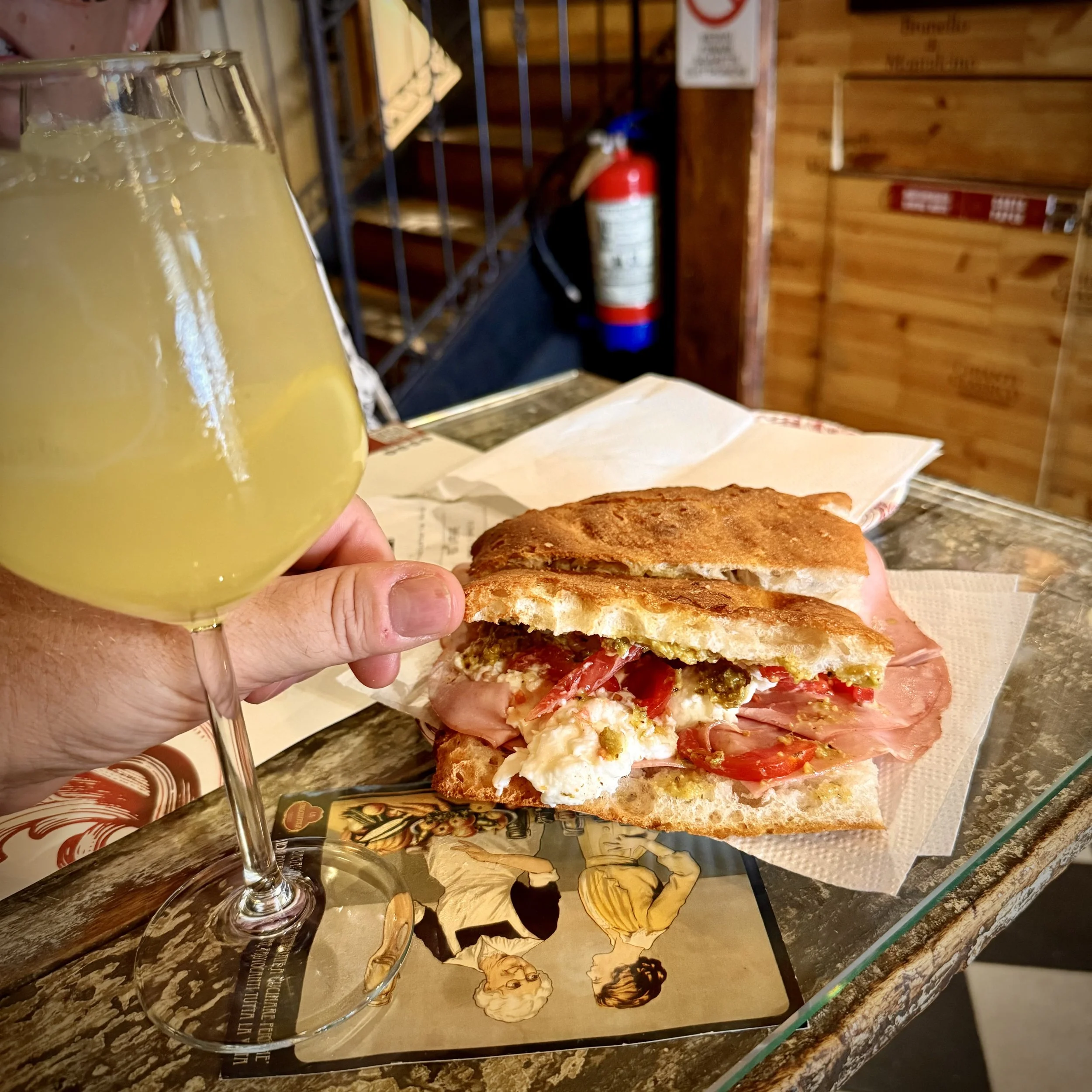
For something much more casual, La Prosciutteria is a great option for sandwiches, cured meats, cheeses and other classic Italian ingredients.
This is the kind of place that works perfectly for lunch when you don't want to spend an hour or two sitting in a restaurant. Grab a sandwich or a board, find somewhere to sit and then get right back to exploring Verona.
It's also a nice option if you're looking for something relatively simple after several days of big restaurant meals.
La Focaccia
Sometimes you don't need another elaborate Italian meal.
You just need good focaccia.
La Focaccia is an easy option for a quick and relatively inexpensive lunch or snack while walking around Verona. Focaccia is sold with different toppings and fillings, making it especially convenient when you want something you can grab without turning lunch into a major event.
Places like this are one of the reasons we loved staying directly in Verona's historic center. We could walk downstairs, grab something quick and be back out exploring—or back at the Airbnb editing—without losing half the day.
La Piazzetta Osteria Enoteca
For more of that classic Italian evening experience, La Piazzetta Osteria Enoteca is another place worth putting on your list.
This is better suited to those nights when you're not looking for a quick sandwich and instead want to slow down, order some wine and enjoy dinner.
And that's really how we enjoyed Verona most.
Rather than racing from attraction to attraction, some of our favorite evenings were simply walking around the historic center, stopping somewhere for dinner or a drink and then continuing through the city afterward.
Wolon
After weeks of pasta, pizza and sandwiches, eventually you reach a point where you need something completely different.
For us, that was Wolon.
It's a good option if you're looking for Asian food and want a break from Italian cuisine. When you're traveling through Italy for several weeks, having a few completely different food options nearby becomes much more valuable than you might expect.
We love Italian food.
But there are only so many consecutive days of pasta before ramen starts whispering your name.
Gelateria La Romana dal 1947
And obviously, we can't talk about eating in Italy without including gelato.
Gelateria La Romana dal 1947 is a popular gelateria with a huge selection of flavors and is an easy dessert stop while exploring Verona.
Our advice throughout Italy was pretty simple: don't save gelato for one special night.
You're in Italy. Get the gelato. Then get it again tomorrow.
Getting Around Verona
Verona might have been the easiest city we visited in Italy to navigate.
If you're staying in or near the historic center, you really don't need public transportation for sightseeing.
We walked almost everywhere.
Most major attractions are relatively close together, and because the Adige River wraps around much of the historic center, the layout becomes surprisingly easy to understand.
Historic center on one side.
Cross the river.
Climb up for the views.
And if you get completely lost?
Keep walking.
Eventually you'll probably hit the river.
Then maybe check Google Maps.
How Many Days Do You Need in Verona?
You can technically see many of Verona's major attractions on a day trip, but we wouldn't.
Two nights would give you enough time to see most of the highlights without rushing. Three nights would be even better.
We stayed five nights, and before arriving we genuinely wondered whether that would be too long. It wasn't.
Verona is one of those destinations where having extra time actually makes the experience better. You don't need to spend every hour running between attractions.
Take an evening and just walk. Sit somewhere for a drink. Grab a gelato. Walk along the Adige.
That's a big part of what made us enjoy Verona so much.
It's also a great base for exploring places like Lake Garda, nearby wine country and other destinations across northern Italy.
Common Mistakes to Avoid in Verona
Staying too far outside the historic center. If your budget allows, we'd prioritize location here. Being able to walk outside and immediately be part of Verona completely changed our experience.
Visiting only as a day trip. You can certainly do it, but you'll miss one of Verona's best qualities: the city after the daytime crowds begin disappearing.
Spending all your time around Juliet's House. Romeo and Juliet may bring people to Verona, but there's much more to the city than the famous balcony.
Skipping the other side of the Adige River. Giardino Giusti, Ponte Pietra, Castel San Pietro and the elevated viewpoints were some of our favorite experiences.
Taking the funicular automatically. If you're physically able, consider walking to Castel San Pietro. It's not a terrible climb and you get additional viewpoints along the way.
Trying to schedule every minute. Verona is particularly good when you leave some space in your itinerary to wander.