⬅Back
Vienna, Austria
Vienna is a city of grand imperial palaces, beautiful architecture, sprawling parks, and a surprisingly relaxed atmosphere. As Austria's capital and former center of the powerful Habsburg Empire, Vienna is packed with history, culture, and impressive landmarks.
But what surprised us most wasn't the palaces or famous attractions. It was how incredibly clean, spacious, and easy to explore the city felt. Despite being a major European capital, Vienna rarely felt overcrowded or overwhelming.
We spent four days exploring Vienna, walking through historic neighborhoods, visiting palace gardens, discovering local food, and taking advantage of the city's excellent public transportation. And by the time we left, we realized we'd made one big mistake: we hadn't planned nearly enough time here!
Vienna is the kind of destination where you can spend your days sightseeing and still want to return just to enjoy the atmosphere. Whether you're visiting for a long weekend or staying several weeks, there's plenty to keep you entertained.
The Vibe
Elegant, spacious, organized, historic, and surprisingly laid-back.
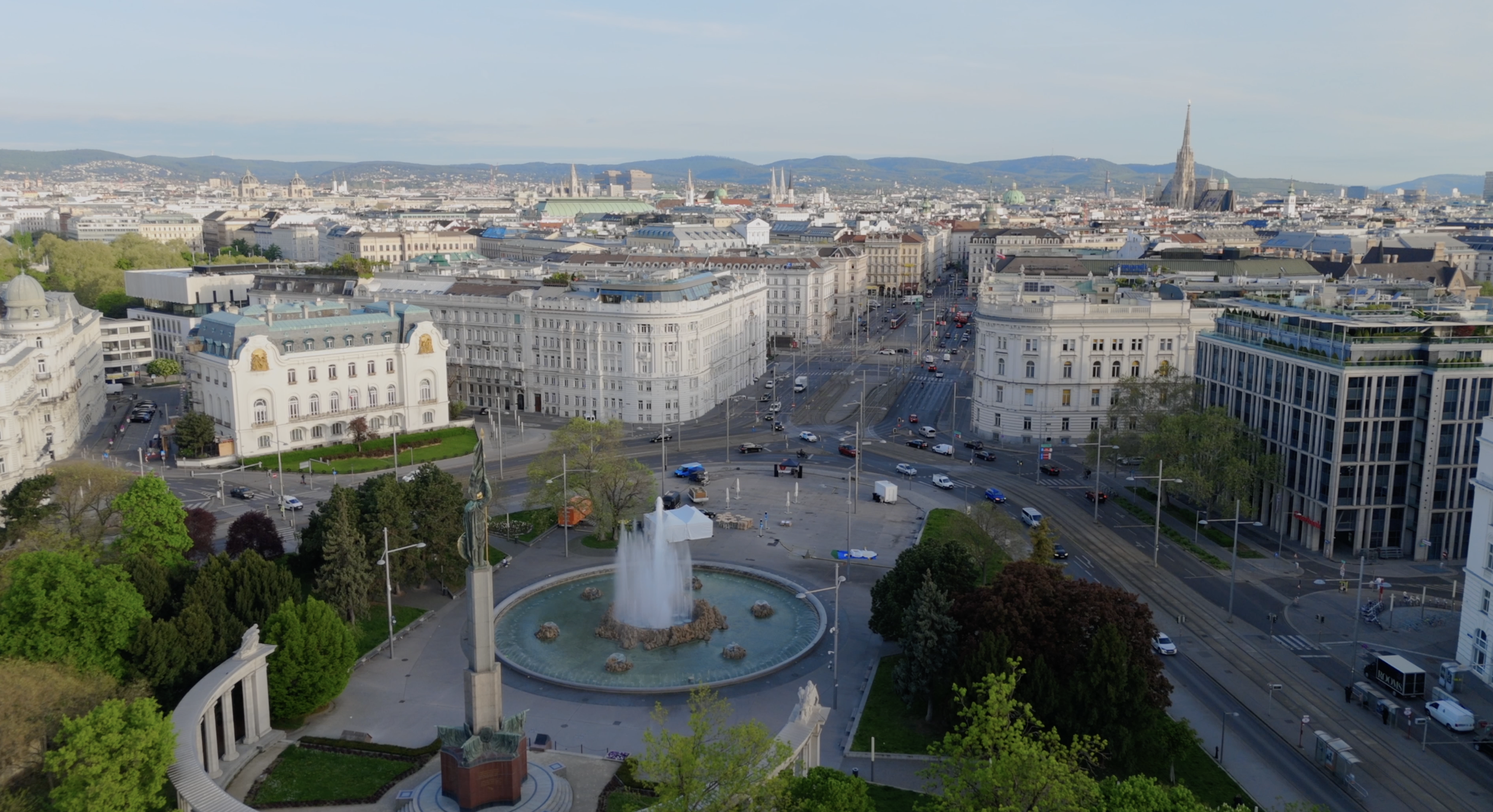
Vienna feels like a city built for twice as many people. Its enormous sidewalks, grand public squares, beautifully maintained parks, and impressive buildings give it a sense of openness that's hard to find in many European capitals.
We immediately noticed similarities to Munich, Germany. Both cities feel clean, safe, efficient, and well-organized. But Vienna has a more imperial personality, with horse-drawn carriages, historic coffeehouses, ornate architecture, and beautiful palaces seemingly around every corner.
The historic center can get busy, particularly around St. Stephen's Cathedral, but venture a few blocks away and you'll discover quieter streets, neighborhood cafés, and peaceful green spaces.
What we loved most was that Vienna never felt chaotic. It's a capital city where you can explore at your own pace, enjoy the scenery, and spend an entire afternoon wandering without needing a specific destination.
Vienna Quick Facts
Location: Vienna is the capital of Austria, located in Central Europe.
Population: Approximately 2 million people.
Language: German is the official language, although English is widely spoken in tourist areas.
Currency: Euro (€).
Time Zone: Central European Time (UTC+1), switching to UTC+2 during daylight saving time.
Electricity: 230V, using Type C and F electrical outlets.
Best Time to Visit: April through June and September through October offer pleasant weather and great sightseeing opportunities.
Recommended Stay: Plan for at least 4–7 days to explore the highlights. We spent four days and wished we'd stayed longer!
Getting Around: Vienna has an excellent public transportation network of subways (U-Bahn), trams, buses, and trains. The city is also very walkable.
Drinking Water: Tap water is safe to drink and is known for its excellent quality.
Tipping: A tip of approximately 5–10% is customary for good restaurant service.
Visa Requirements: Austria is part of the Schengen Area. U.S. passport holders can generally visit visa-free for up to 90 days within a 180-day period.
Emergency Number: Dial 112 for emergency assistance throughout Austria.
Where We Stayed: Hyatt Regency Vienna
We spent four nights at the Hyatt Regency Vienna near the city's main train station, and the location worked extremely well for us.
We were within walking distance of Belvedere Palace, and having the train station nearby made exploring Vienna and continuing our journey to Budapest incredibly convenient.
The hotel itself was beautiful, and thanks to our Hyatt Globalist status, we received an upgrade to a spacious junior suite with a separate bedroom, large bathroom, and dedicated workspace.
Breakfast was included, along with evening drinks and snacks at the lobby bar as a Globalist benefit. While the food wasn't particularly memorable, these perks helped reduce our overall travel expenses.
We used Hyatt points for our entire four-night stay, so our out-of-pocket accommodation cost was zero.
Best Areas to Stay
Innere Stadt (1st District): Best for first-time visitors who want to be surrounded by Vienna's famous landmarks, historic streets, restaurants, and cafés. It's convenient but generally more expensive.
Wieden (4th District): A great choice for travelers who want a quieter neighborhood near Belvedere Palace, Karlsplatz, and the main train station.
Neubau (7th District): A lively, creative neighborhood with independent shops, cafés, restaurants, and a more local atmosphere.
Leopoldstadt (2nd District): A good option for green spaces, access to the Danube Canal, and convenient public transportation.
Near Wien Hauptbahnhof: Ideal for travelers arriving or departing by train, especially those visiting multiple European cities.
Our Tip: Prioritize easy access to a U-Bahn or tram stop over being directly in the historic center. Vienna's transportation system makes staying outside the tourist core a practical option.
What to See & Do in Vienna
One of the best things about Vienna is how much you can experience without spending a fortune on admission tickets. We enjoyed many of the city's most beautiful attractions simply by exploring the outdoor spaces.
1. Explore Vienna's Historic Center
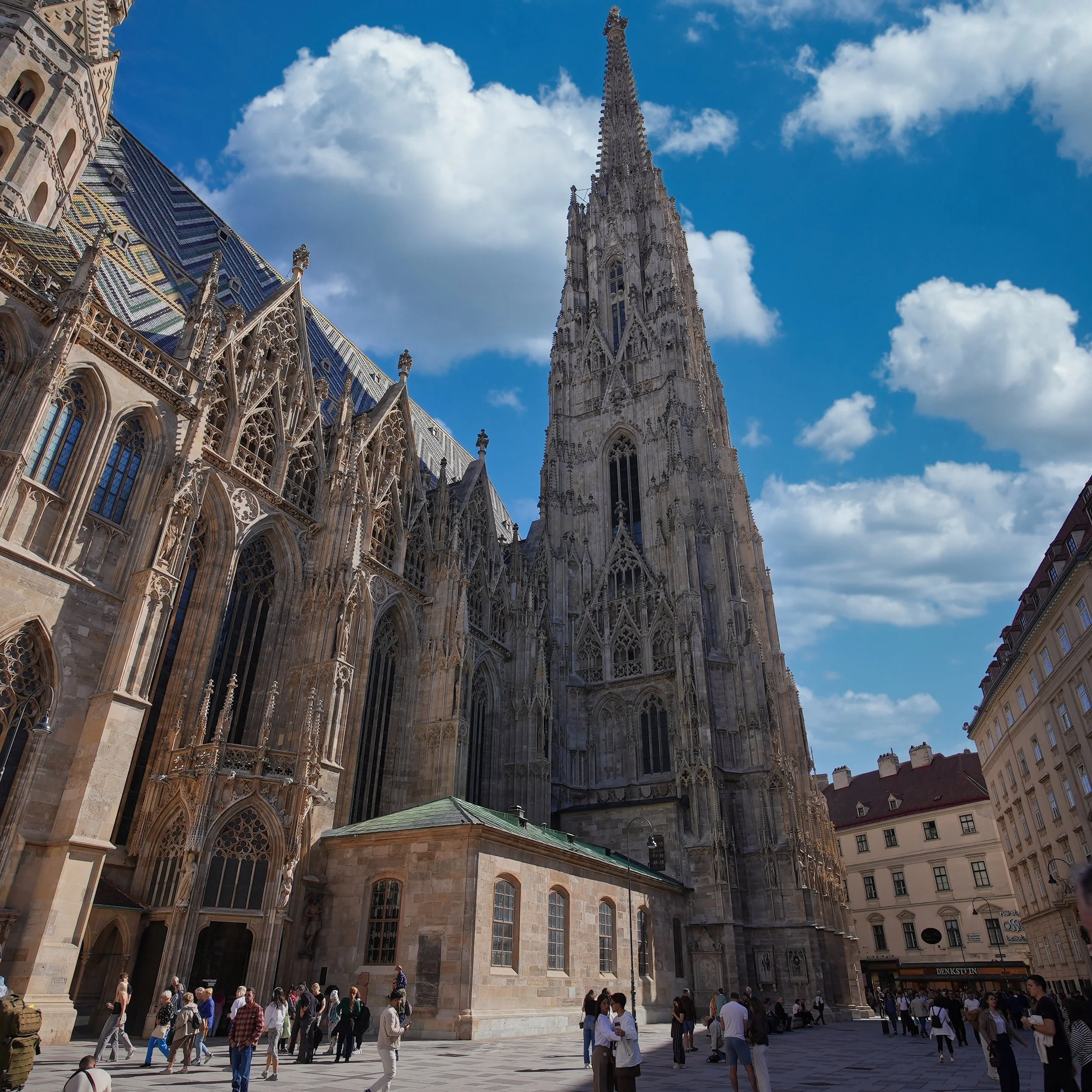
Start around Stephansplatz, where you'll find St. Stephen's Cathedral, one of Vienna's most recognizable landmarks.
Its Gothic architecture and colorful tiled roof make it worth seeing, even if you don't go inside.
The surrounding streets are filled with historic buildings, shops, cafés, and restaurants. It's a great area to explore on foot, although it can get crowded.
We paid €8 each to take the elevator up the cathedral's north tower, but the view wasn't as impressive as we'd hoped. We'd recommend admiring the cathedral from ground level unless you particularly want that perspective.
2. Wander Around Hofburg Palace
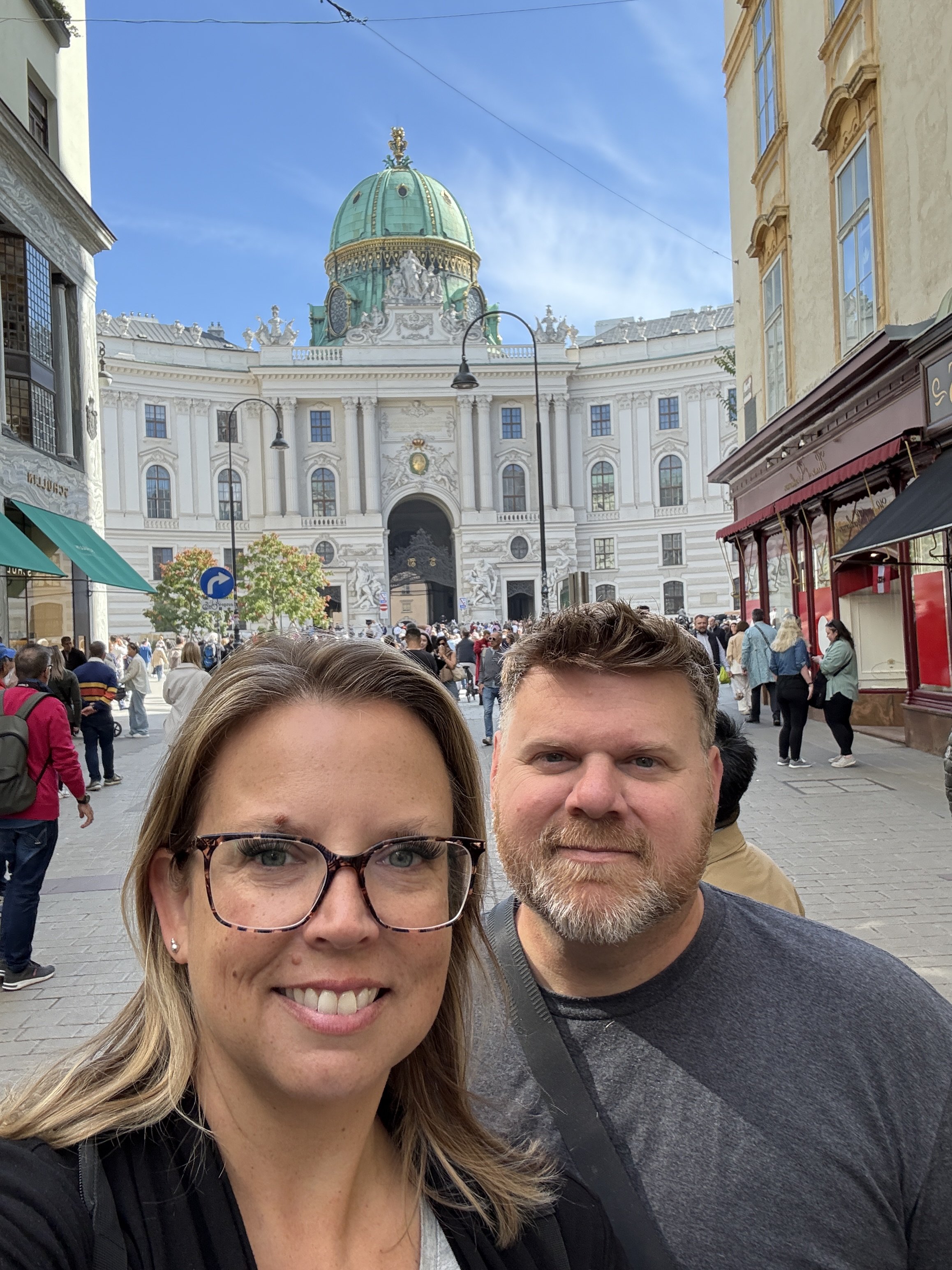
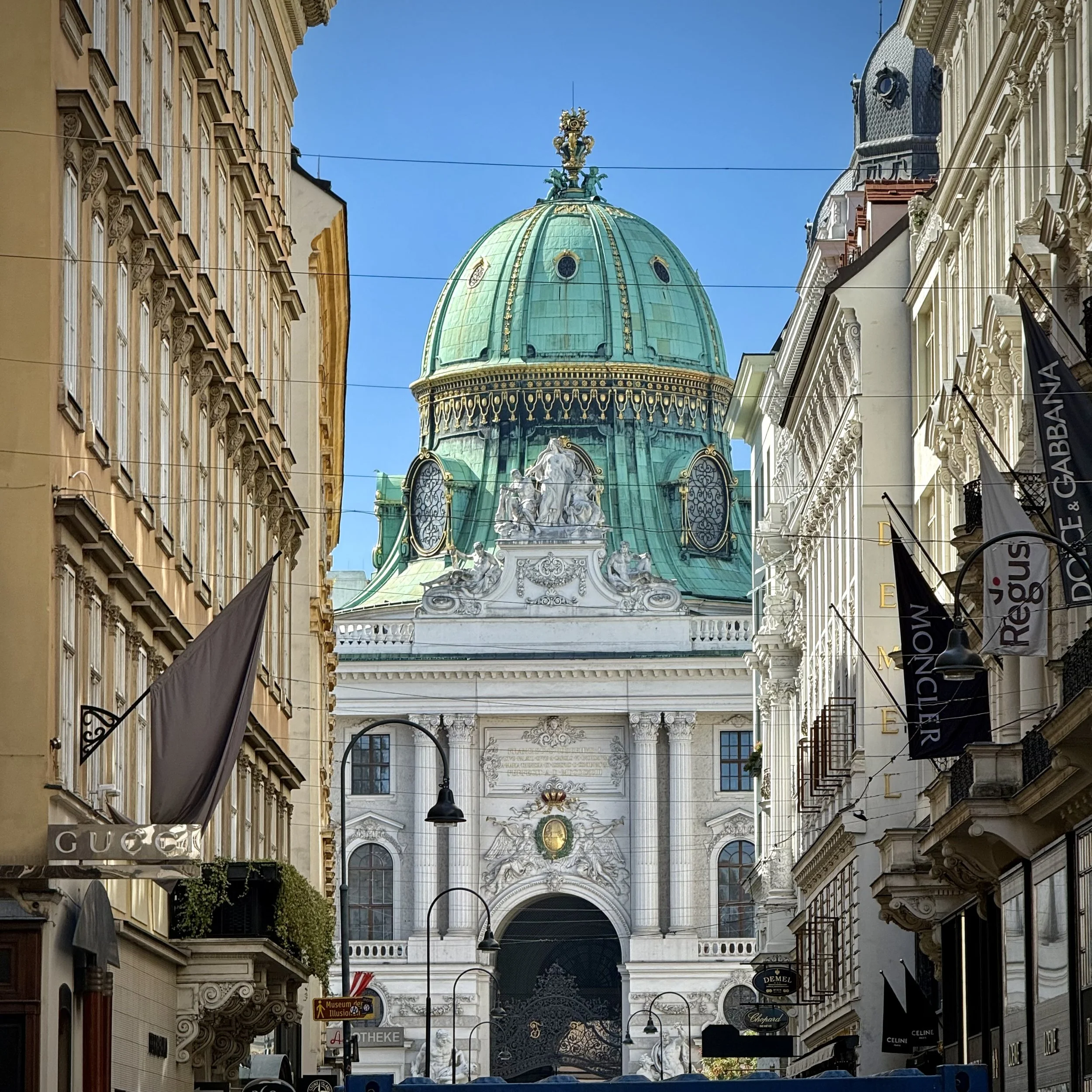
The enormous Hofburg Palace complex was once the residence of the Habsburg rulers and remains one of Vienna's most impressive historic areas.
Today, the complex contains museums, government offices, and the official workplace of Austria's president.
Even without visiting the interiors, the surrounding courtyards, squares, and architecture are worth exploring.
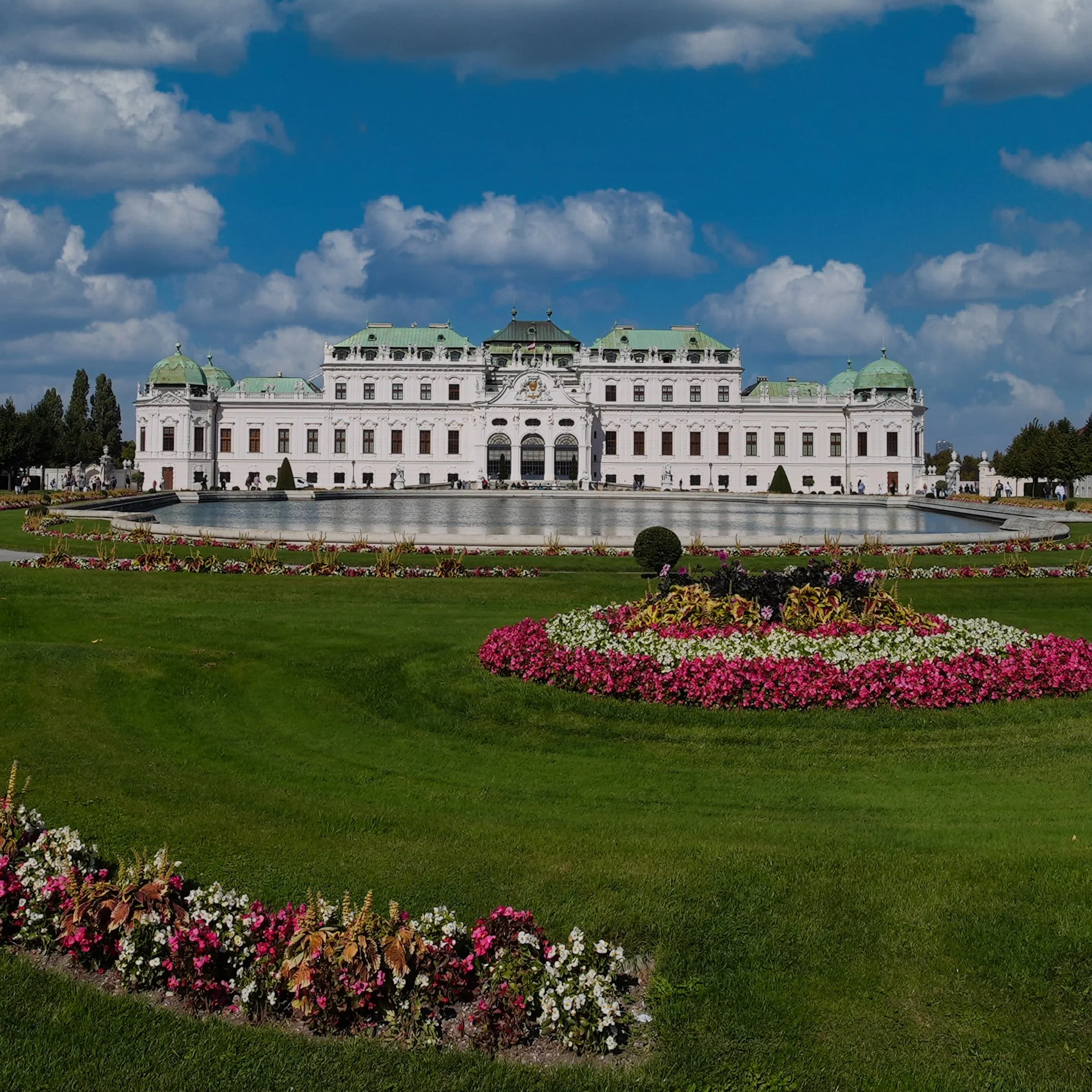
3. Visit Belvedere Palace and Gardens
Belvedere was one of our favorite places in Vienna.
The palace is beautiful, but the real highlight for us was the outdoor setting. Landscaped gardens, fountains, sculptures, and views toward the city make this one of Vienna's most photogenic locations.
You can enjoy the main gardens without purchasing a museum ticket.
4. Explore Schönbrunn Palace
Schönbrunn was the Habsburgs' summer residence, and the scale of the property is incredible.
We skipped the palace interior and spent our time exploring the enormous grounds, gardens, walking paths, and Neptune Fountain.
Don't miss the uphill walk to the Gloriette, where you'll find a fantastic view looking back toward the palace.
Much of the park is free to explore, making this an excellent activity even if you're traveling on a budget.
5. Admire St. Charles Church (Karlskirche)
Karlskirche is one of Vienna's most beautiful churches, with an enormous green dome, two towering columns, and a reflecting pool out front.
It's a wonderful place to stop, relax, and appreciate the architecture. The church also hosts musical performances, so check the schedule if you'd like to experience classical music in a historic setting.
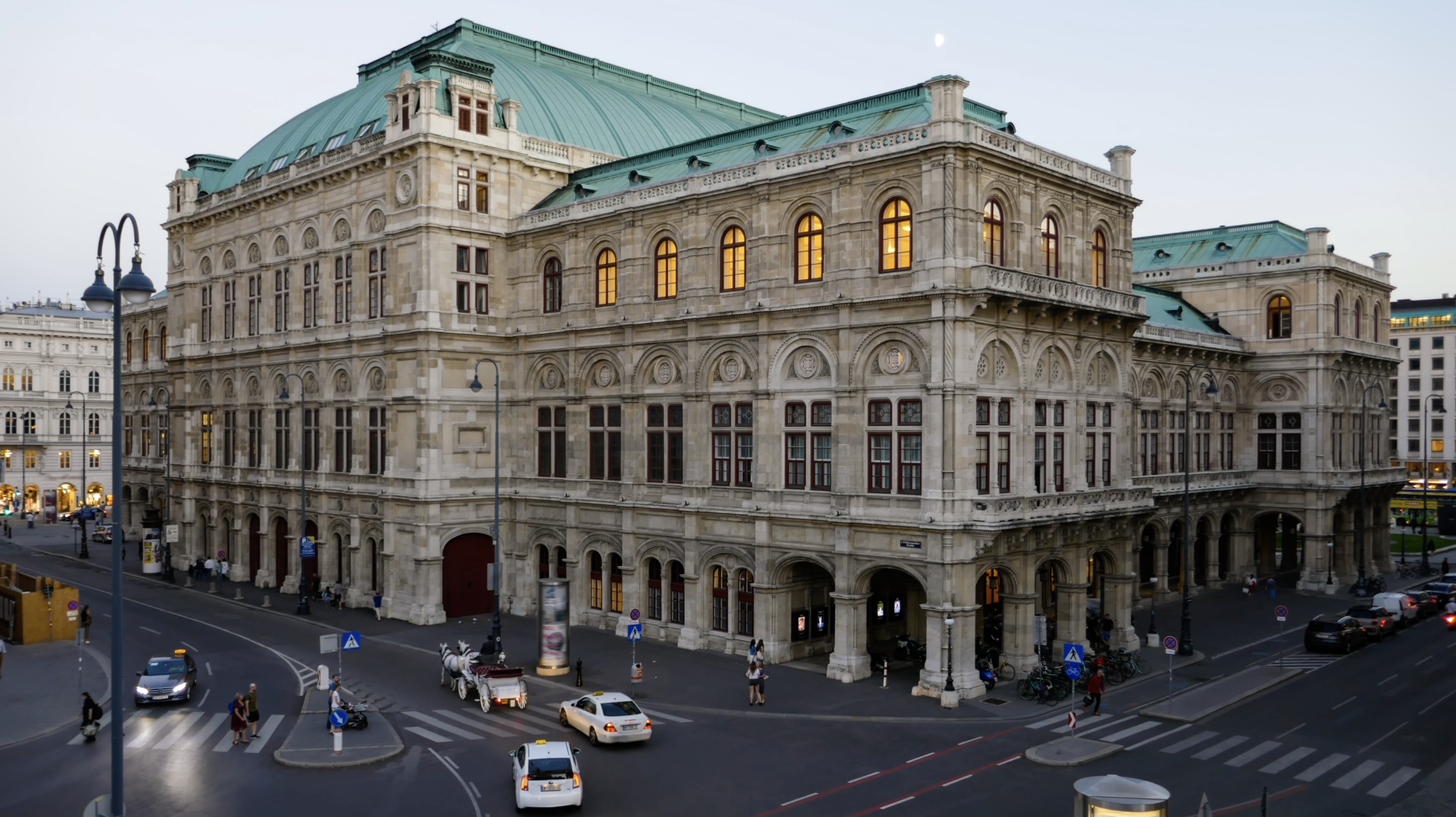
6. See the Vienna State Opera House
You don't need to be an opera enthusiast to appreciate this impressive building.
The Vienna State Opera is one of the city's most famous cultural landmarks and a reminder of Vienna's important role in European classical music.
7. Visit the Austrian Parliament
With its massive columns, elaborate statues, and Greek-inspired architecture, the Austrian Parliament building is one of Vienna's most striking landmarks.
It's also conveniently located near several other historic attractions, making it an easy stop while exploring the Ringstrasse.
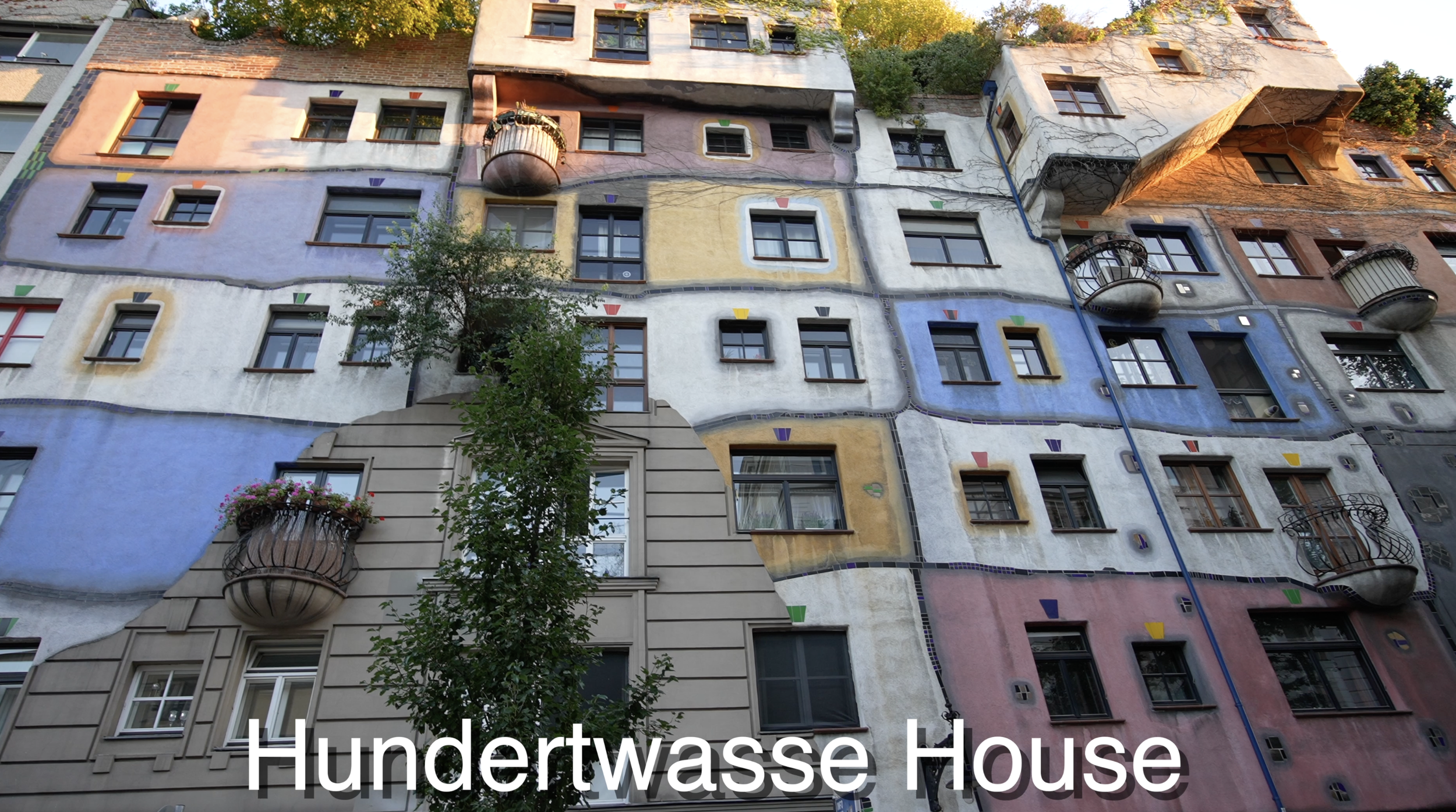
8. Discover Hundertwasser House
For something completely different, visit Hundertwasser House.
This colorful residential building features uneven lines, irregular windows, greenery, and almost no straight edges.
You can't tour the private apartments, but you can admire the building from outside and explore the nearby Hundertwasser Village.
It's a fun contrast to Vienna's otherwise grand and symmetrical imperial architecture.
9. Explore Naschmarkt
Naschmarkt was one of our favorite places to spend a few hours.
This long outdoor market is packed with restaurants, produce vendors, specialty food shops, and international cuisine.
It's a fantastic place to browse, people-watch, and enjoy lunch.
If you're visiting on Saturday, don't miss the nearby flea market, where you'll find antiques, vintage clothing, collectibles, and plenty of unusual items.
Local Foods to Try
Vienna is a fantastic destination for travelers who enjoy hearty Central European food, traditional pastries, and historic café culture.
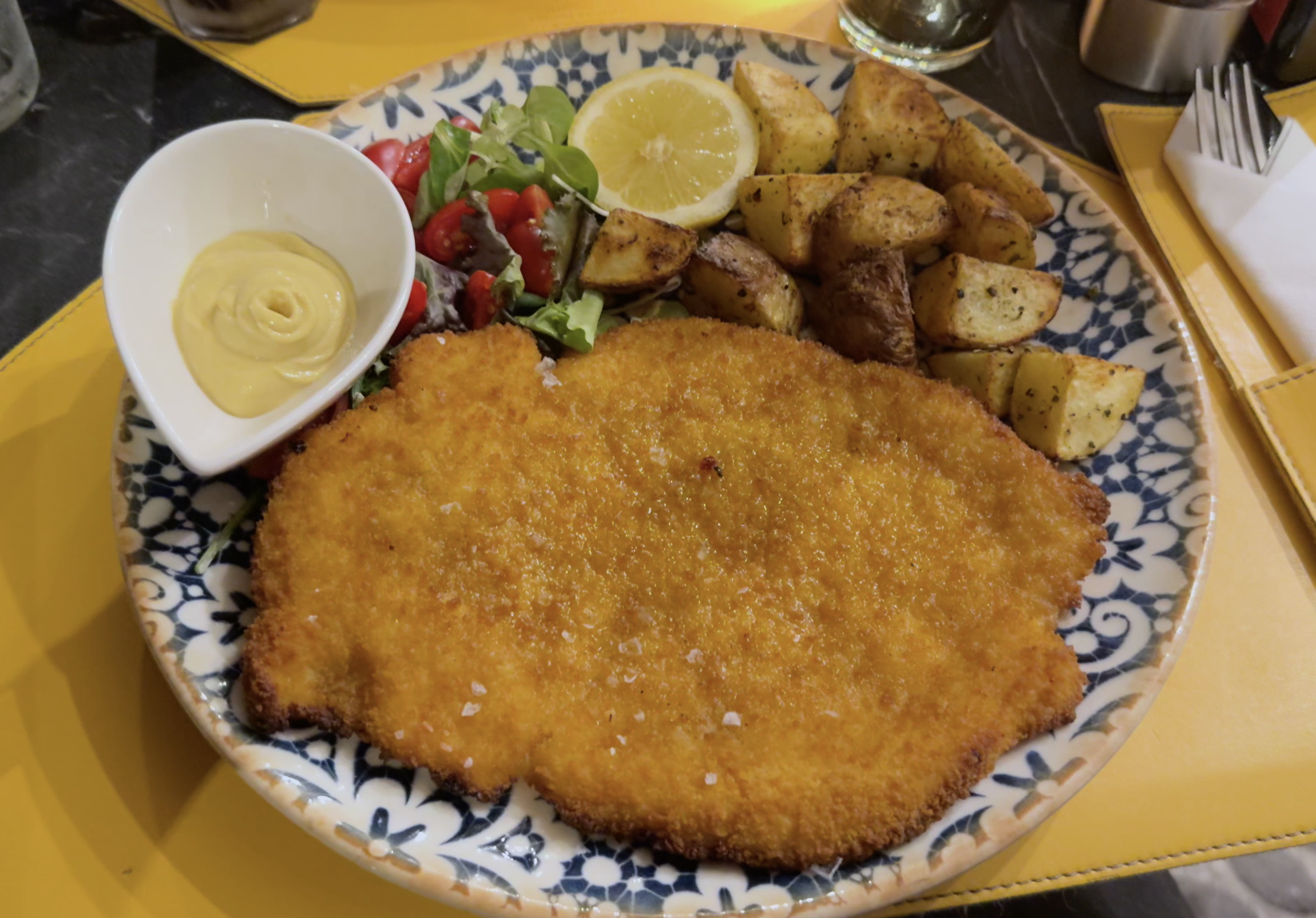
Wiener Schnitzel: Perhaps Austria's most famous dish. Traditional Wiener schnitzel is made with thinly pounded veal, breaded and fried until golden and crispy. Pork versions are also common and often less expensive.
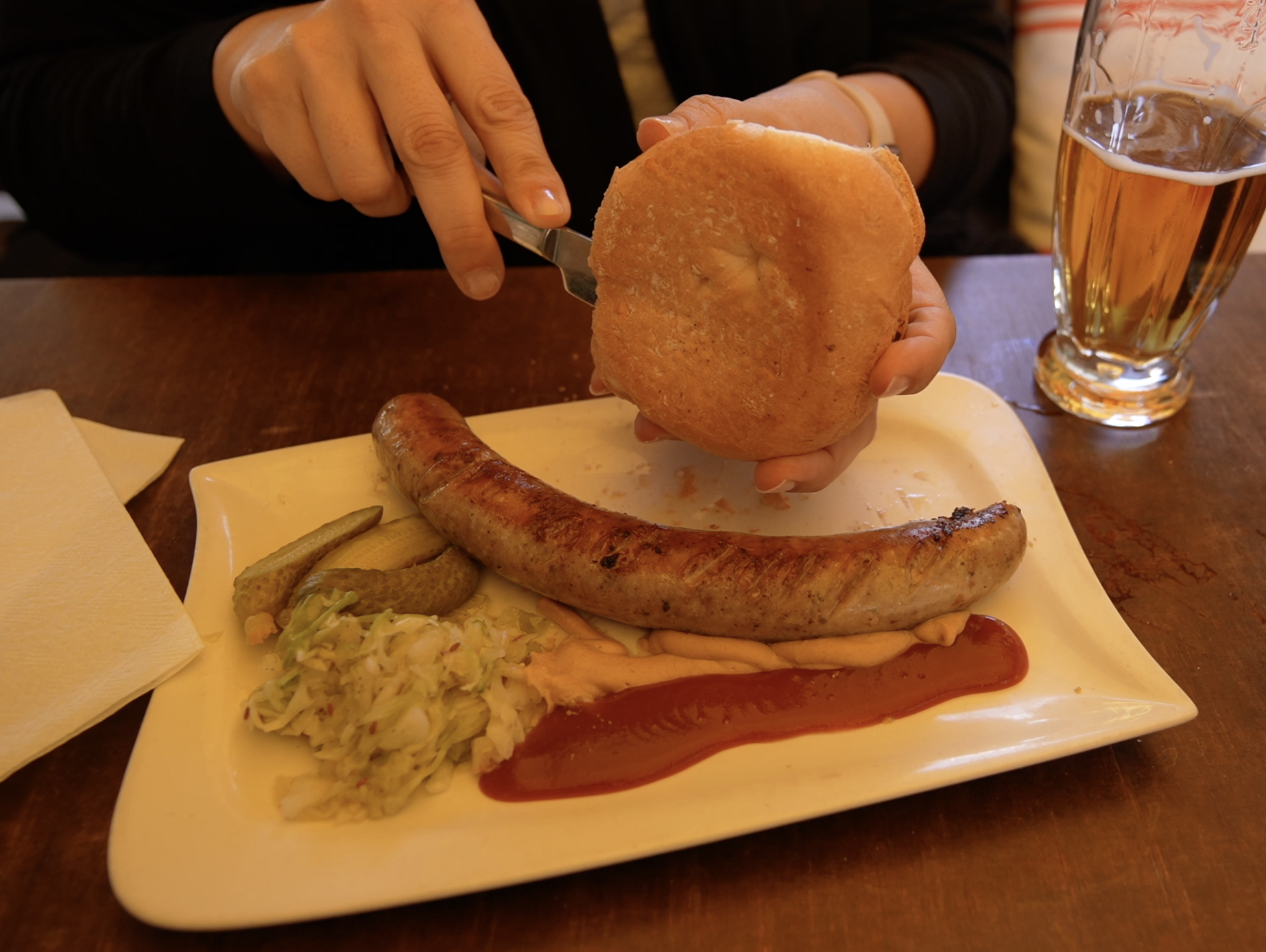
Käsekrainer: A sausage filled with small pockets of melted cheese. It's a popular street-food option served at Vienna's traditional sausage stands.
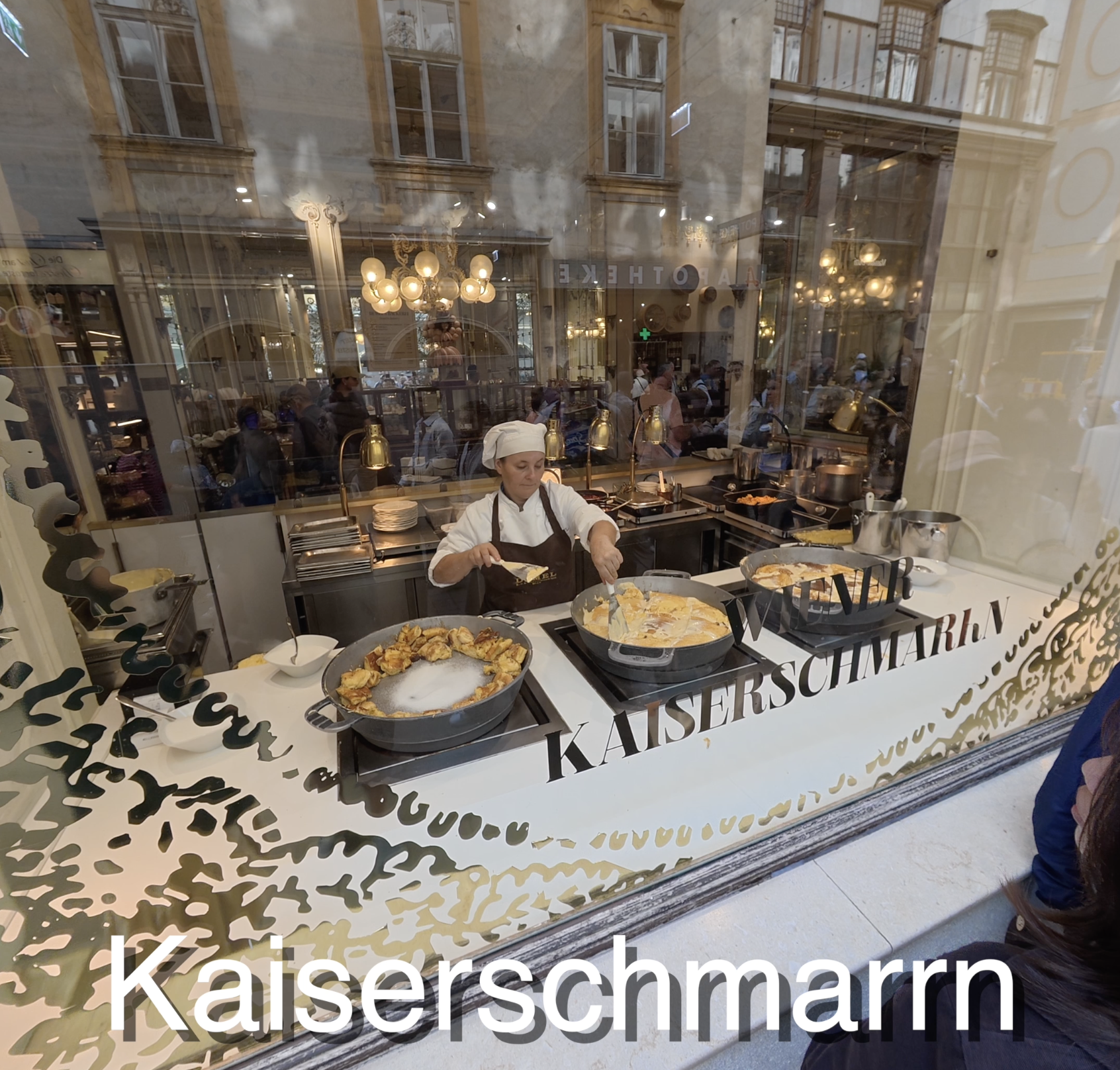
Kaiserschmarrn: A thick, fluffy pancake torn into pieces, lightly caramelized, dusted with powdered sugar, and typically served with fruit compote. One of our favorite Austrian desserts.
Sachertorte: Vienna's famous chocolate cake, layered with apricot jam and covered in chocolate glaze. Hotel Sacher is the most famous place to try it, but you can find versions throughout the city.
Apfelstrudel: A classic Austrian pastry filled with apples, cinnamon, and raisins, often served warm.
Tafelspitz: Tender boiled beef traditionally served with vegetables, horseradish, and apple-based accompaniments.
Sturm: A seasonal, partially fermented grape drink that's particularly popular during the autumn harvest. We encountered it during Vienna's Wine Hiking Day.
What & Where to Eat
We found Vienna's food prices fairly reasonable for a major European capital. It's not necessarily a budget destination, but we generally felt we were getting good value.
For an authentic Austrian meal, look for traditional restaurants serving schnitzel, sausages, and other regional specialties.
Vienna's sausage stands, called Würstelstände, are also worth trying. They're an easy way to grab a quick, filling meal without sitting down at a restaurant.
For sweets, skip the assumption that you need to stand in a long line at a famous café. Vienna has plenty of neighborhood coffeehouses where you can enjoy cake, pastries, and coffee in a more relaxed setting.
Our Favorite Food Experience: Naschmarkt
Naschmarkt stood out because of its variety and atmosphere.
You'll find Austrian specialties alongside Mediterranean, Middle Eastern, and other international cuisines.
We especially enjoyed wandering between the stalls, checking out the different foods, and stopping for lunch.
Our Tip: Compare menus and prices before choosing a restaurant, especially around major tourist attractions and busy market areas. Prices can vary considerably, even between neighboring establishments.
Getting Around Vienna
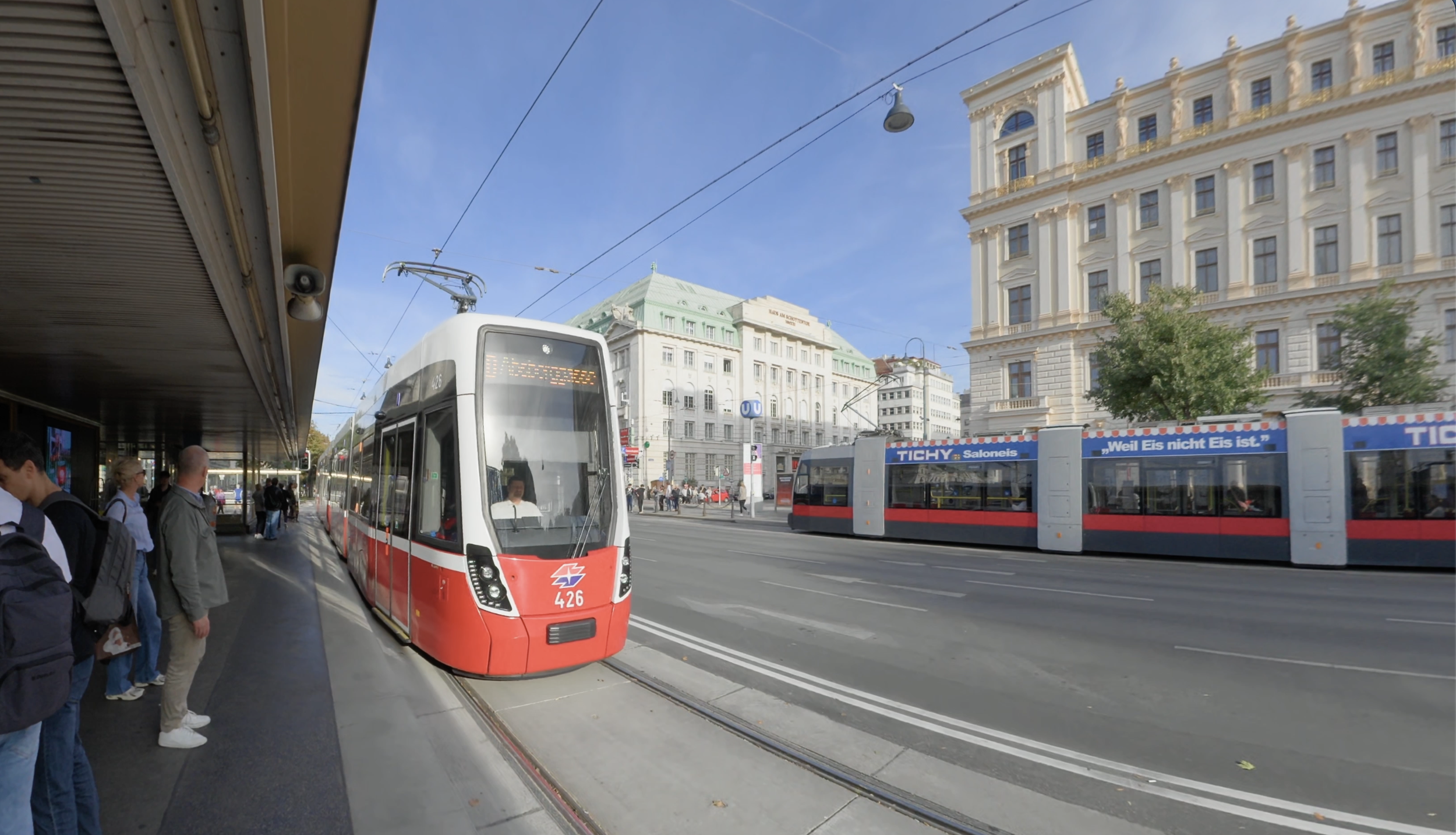
Vienna has one of the easiest public transportation systems we've experienced in Europe.
The network includes the U-Bahn (subway), trams, buses, and local trains, making it possible to explore nearly the entire city without renting a car.
We relied heavily on public transportation throughout our four-day stay and found it clean, efficient, and generally easy to navigate.
Some connections and transfers were a little confusing initially, but once we understood the system, getting around was straightforward.
Transportation Passes
During our visit, we purchased a seven-day transit pass for €17.90 per person, even though we were only staying four days.
It turned out to be the most economical option for our itinerary.
Don't automatically assume that a shorter-duration pass will be cheaper. Compare the current ticket options before purchasing.
You can find updated routes, fares, and ticket information through the official Wiener Linien website and app.
Walking
Vienna is also an excellent walking city.
Many of the major attractions in the historic center are relatively close together, and the wide sidewalks, pedestrian-friendly streets, and beautiful architecture make walking enjoyable.
Airport Transportation
Vienna International Airport is connected to the city by public transportation, including the S7 rail service, Railjet trains, and the City Airport Train (CAT).
The fastest or most economical choice will depend on where you're staying. Check whether your city transit ticket covers the full airport journey, as an additional fare may be required.
Traveling to Other European Cities
Vienna is an excellent stop on a multi-city European itinerary.
We arrived from Munich and continued to Budapest by train. With frequent rail connections to nearby countries, it's easy to explore Central Europe without flying between every destination.
Common Mistakes to Avoid
1. Paying for Every Attraction
Vienna has plenty of beautiful places you can enjoy for free.
We skipped several palace interiors and still had an incredible experience exploring the gardens, courtyards, parks, and historic squares.
Unless there's a specific museum or exhibition you're excited about, don't feel obligated to purchase admission everywhere.
2. Buying the Wrong Transportation Ticket
Compare the cost of individual rides, short-duration tickets, and weekly passes before buying.
Our seven-day pass was a better value than the shorter options available for our visit.
3. Spending All Your Time Around Stephansplatz
The historic center is beautiful, but it's also one of the busiest and most tourist-focused areas.
Make time to explore neighborhoods, gardens, and attractions beyond the cathedral.
4. Overpaying for Tourist Restaurants
Restaurants near major attractions can charge considerably more than similar establishments a short walk away.
We recommend checking menus before sitting down, particularly around popular squares and markets.
5. Waiting in Long Lines for Famous Desserts
Vienna is famous for its café culture, but you don't necessarily need to wait 45 minutes at Hotel Sacher for a slice of Sachertorte.
Consider visiting a smaller neighborhood café for a more relaxed experience.
6. Skipping the Sausage Stands
Don't overlook Vienna's traditional Würstelstände.
They're part of the local food culture and offer an easy, affordable meal between sightseeing stops.
7. Not Allowing Enough Time
This was our biggest mistake.
We originally thought four days would be plenty to explore Vienna. But by the time we left, we were already talking about returning for a much longer stay.
Vienna is a city worth slowing down for.
Safety in Vienna
Vienna felt exceptionally safe during our visit.
The streets were clean and well-maintained, public transportation felt secure, and we were comfortable exploring the city on foot.
Of course, Vienna is still a major European capital, so normal precautions apply.
Keep an eye on your belongings in crowded tourist areas, around major train stations, and on busy public transportation. Be cautious of pickpockets, especially when distracted by sightseeing.
Use licensed taxis or reputable transportation apps, and remain aware of your surroundings late at night.
For emergencies, the European emergency number is 112. Austria also has dedicated emergency numbers, including 133 for police and 144 for ambulances.
Overall, safety was one of the things we appreciated most about Vienna.
Visa & Entry Requirements
Austria is part of the European Union and the Schengen Area.
For U.S. passport holders: Short tourist visits are generally visa-free for up to 90 days within any rolling 180-day period across the Schengen Area.
Your passport generally must be valid for at least three months beyond your intended departure from the Schengen Area and must have been issued within the previous 10 years.
ETIAS and Entry/Exit System
Europe is introducing additional border procedures, including the Entry/Exit System (EES) and the European Travel Information and Authorisation System (ETIAS).
EES involves electronic registration of certain non-EU travelers entering and exiting the Schengen Area.
ETIAS, once operational, will require eligible visa-exempt travelers, including U.S. citizens, to obtain travel authorization before visiting participating European countries.
Implementation dates and requirements can change, so verify the latest rules before departure.
Official resources:
Travelers from other countries should confirm their specific visa and passport requirements before booking.