At a Glance, Overview & Vibe
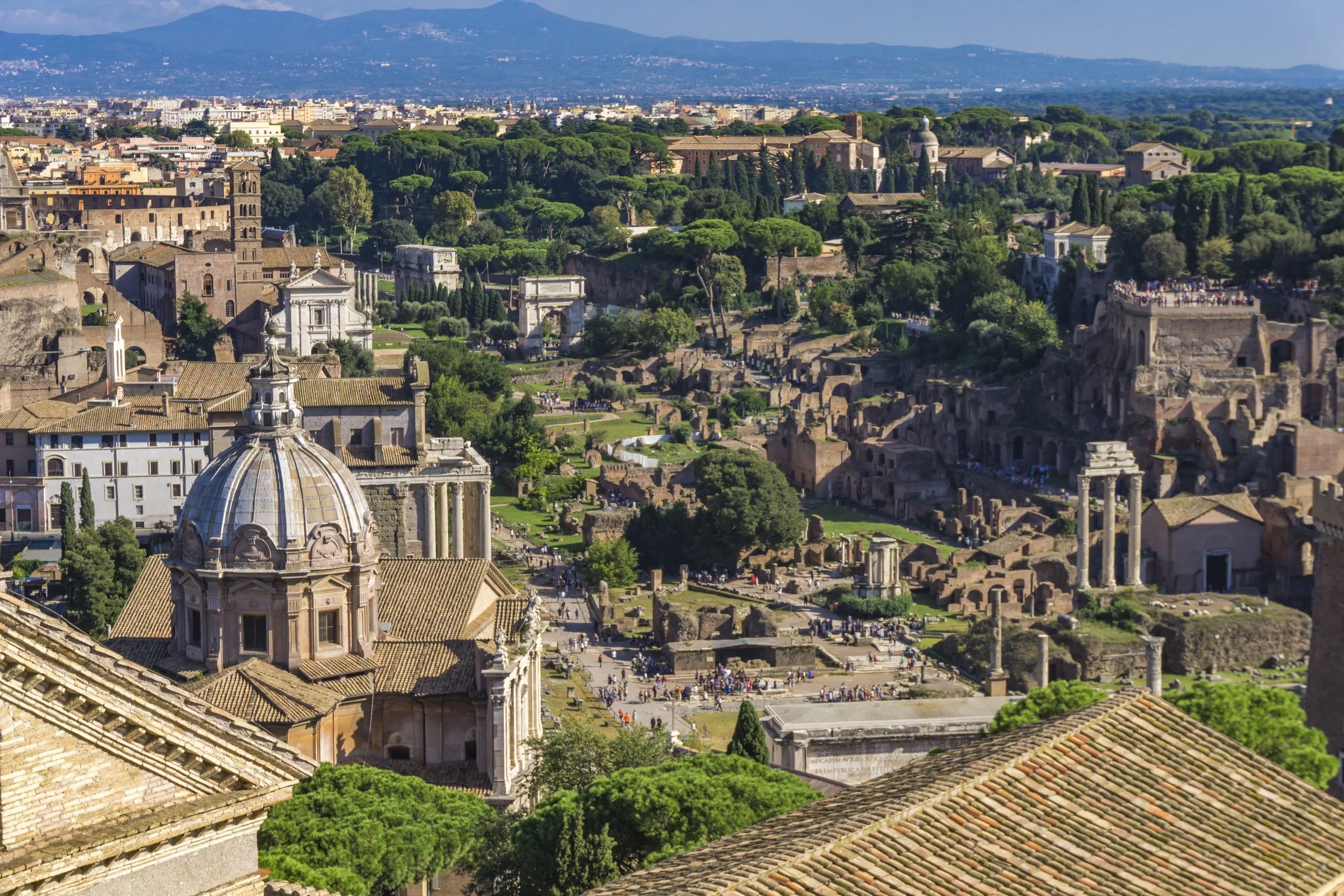
The Eternal City blends nearly 3,000 years of history with modern Italian life in a way that's impossible to replicate anywhere else. Ancient emperors, Renaissance artists, popes, and everyday Romans have all left their mark here. Around every corner you'll find something unexpected: a quiet piazza, a hidden church, a bustling neighborhood market, or an ancient ruin casually sitting beside a busy road.
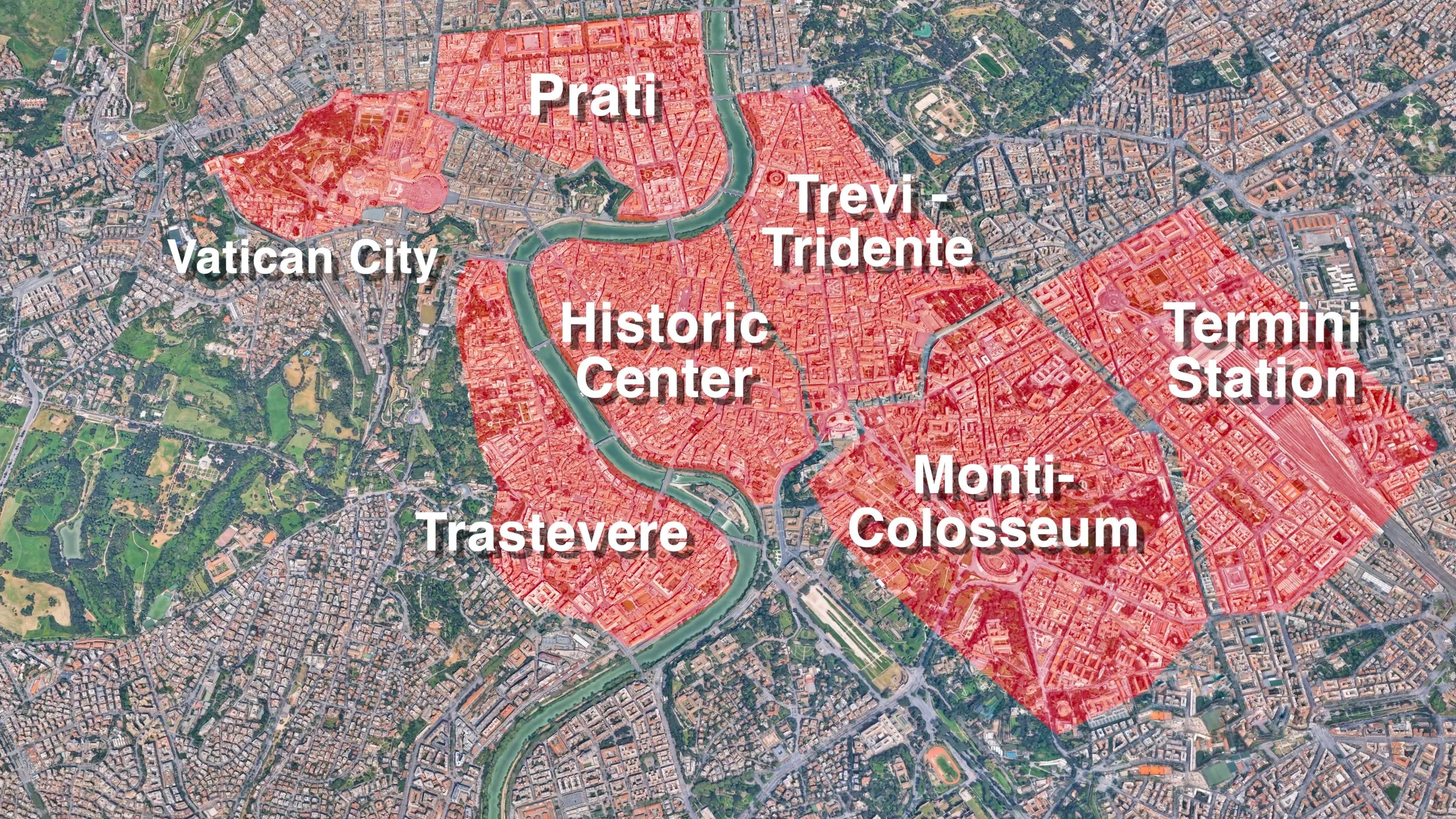
Each neighborhood has its own personality. The Historic Center is packed with famous landmarks and lively piazzas. Trastevere feels charming, romantic, and local after dark. Monti offers boutique shopping and cozy wine bars, while Prati provides elegant streets and easy access to Vatican City.
Despite being Italy's largest city, Rome rarely feels rushed. Meals stretch for hours, evenings begin late, and people linger in piazzas long after sunset. The pace encourages visitors to slow down, wander side streets, stop for gelato, and discover hidden corners that never appear on an itinerary.
Expect beautiful chaos. Scooters weave through traffic, church bells ring across the city, locals argue passionately over coffee, and tourists fill the famous squares. Somehow it all works together to create one of the most captivating cities in the world.
Quick Facts
Country: Italy
Region: Lazio
Population: Approximately 2.8 million (metro area over 4 million)
Currency: Euro (€)
Language: Italian (English is widely spoken in tourist areas)
Time Zone: Central European Time (CET/CEST)
Airport: Leonardo da Vinci–Fiumicino (FCO) is the main international airport, with Ciampino (CIA) serving many low-cost European airlines.
Emergency Number: 112
fun facts:
Rome was founded, according to legend, in 753 BC by Romulus.
The city has over 900 churches, more than any other city in the world.
The Pantheon remains the world's largest unreinforced concrete dome nearly 2,000 years after it was built.
Vatican City, the world's smallest independent country, sits entirely within Rome.
More than seven million tourists visit the Colosseum every year, making it one of Europe's most visited attractions.
Rome is famously built on seven hills, although modern Rome extends far beyond them.
Hundreds of drinking fountains, called nasoni, provide free, cold drinking water throughout the city.
Best Time to Visit
Rome can be visited year-round, but some seasons are far more enjoyable than others.
Spring (April through early June) is arguably the best time to visit. Temperatures are warm without being oppressive, flowers bloom throughout the city's parks and gardens, outdoor dining returns, and sightseeing is comfortable.
Fall (September through October) rivals spring. Summer crowds begin thinning, temperatures remain pleasant, and sunsets create beautiful golden light across Rome's historic buildings.
Summer (late June through August) is hot—often exceeding 95°F (35°C). Attractions remain crowded, accommodations are expensive, and long days of walking can become exhausting. August is particularly unique, as many local businesses close for Italian holidays while tourist attractions remain busy.
Winter (November through March) offers the lowest hotel prices and the fewest crowds. While temperatures are cool, snow is extremely rare. Christmas brings festive markets and beautiful decorations, making December an especially enjoyable time despite shorter days.
Where to Stay
Choosing the right neighborhood can make or break a Rome trip.
For most first-time visitors, Centro Storico (Historic Center) is hard to beat. Staying here puts you within walking distance of icons like the Pantheon, Piazza Navona, Trevi Fountain, and Campo de' Fiori. It's lively day and night, filled with restaurants, cafés, and beautiful streets, though hotels tend to be among the most expensive.
If your priority is easy sightseeing with a more local atmosphere, Monti is one of Rome's best neighborhoods. Located between the Colosseum and Termini Station, Monti combines boutique hotels, wine bars, trendy restaurants, and charming cobblestone streets without feeling overly touristy.
Travelers wanting nightlife and authentic Roman charm should consider Trastevere. During the day it's relaxed and picturesque; after sunset it transforms into one of Rome's busiest dining and nightlife districts. Be aware that accommodations here may require longer walks or public transportation to major attractions.
Prati, located near Vatican City, offers wider sidewalks, quieter streets, excellent restaurants, and upscale shopping. It's a favorite among repeat visitors looking for a calmer experience while remaining well connected to the rest of Rome.
If you're arriving or departing by train, Termini offers excellent transportation and lower hotel prices. However, while convenient, it's generally less charming than Rome's other central neighborhoods. Many first-time visitors prefer using Termini only as a transportation hub rather than a place to stay.
What to Do & See
No first visit to Rome is complete without exploring the city's legendary landmarks, but the magic often lies in slowing down and enjoying the spaces between them.
Start with the Colosseum, then continue through the Roman Forum and Palatine Hill, where the Roman Empire was born. Together, these sites easily fill half a day and provide incredible insight into ancient Rome.
Visit the remarkably preserved Pantheon, arguably Rome's greatest architectural masterpiece, before wandering to lively Piazza Navona, famous for Bernini's Fountain of the Four Rivers and its outdoor artists.
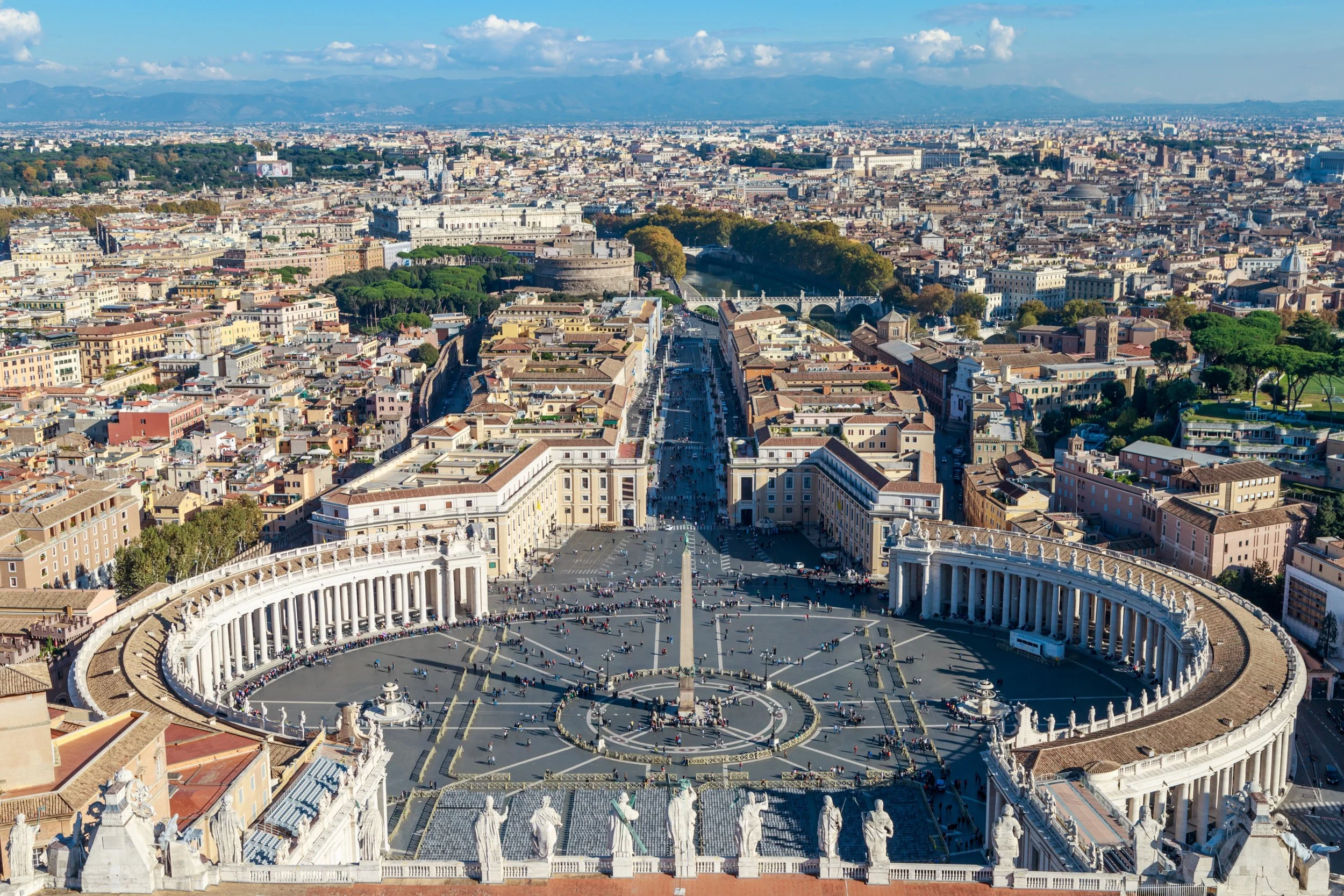
No trip is complete without tossing a coin into the Trevi Fountain, climbing the Spanish Steps, and spending time inside St. Peter's Basilica, one of the world's greatest churches.
Reserve tickets well in advance for the Vatican Museums and Sistine Chapel, where Michelangelo's ceiling continues to amaze millions each year.
Beyond the famous attractions, spend time getting wonderfully lost. Wander through Trastevere's winding streets, browse Campo de' Fiori's market, enjoy sunset from Pincio Terrace overlooking Piazza del Popolo, or stroll along the Tiber River in the evening.
If your schedule allows, climb to the top of the Altare della Patria (Victor Emmanuel II Monument) for one of Rome's best panoramic views—often overlooked by visitors.
Local Foods to Try
Rome's cuisine is wonderfully simple, relying on fresh ingredients and centuries-old recipes rather than elaborate preparation.
Pasta lovers should begin with the city's famous four classics: Cacio e Pepe, made with Pecorino Romano and black pepper; Carbonara, featuring eggs, guanciale, Pecorino, and black pepper (never cream); Amatriciana, combining tomato sauce with guanciale and Pecorino; and Gricia, often considered the ancestor of Carbonara.
Another local favorite is Supplì, a fried rice ball filled with mozzarella that's perfect as a quick snack. Pizza in Rome differs from Naples, featuring an ultra-thin, crispy crust that's ideal for sharing.
Don't miss Saltimbocca alla Romana, tender veal topped with prosciutto and sage, or Carciofi alla Romana, Roman-style artichokes available during spring.
For dessert, enjoy authentic Italian gelato and finish with a rich espresso standing at the counter like the locals.
Where to Eat
Rome rewards travelers who venture just a few streets away from the busiest attractions. Restaurants directly overlooking famous landmarks often charge premium prices while serving average food, so walking five or ten minutes can dramatically improve both quality and value.
Trastevere remains one of the city's best dining neighborhoods, offering everything from traditional family-run trattorias to modern Roman cuisine. The atmosphere is especially lively in the evenings, making it a wonderful place to linger over dinner.
Monti has become a favorite for visitors seeking stylish wine bars, intimate restaurants, and creative takes on Roman classics. It strikes an excellent balance between local authenticity and tourist accessibility.
Near Campo de' Fiori and the Jewish Ghetto, you'll discover historic restaurants serving generations-old recipes, particularly excellent fried artichokes and Roman-Jewish specialties.
If you're simply looking for a quick lunch, many neighborhood bakeries sell pizza by the slice, fresh sandwiches, and pastries that make perfect picnic meals.
Getting Around
Rome is surprisingly walkable, especially if you stay near the Historic Center. Many of the city's most famous attractions are connected by pleasant streets and picturesque piazzas, making walking the best way to experience the city.
Comfortable walking shoes are essential, as you'll likely cover 8–12 miles per day over uneven cobblestones.
For longer distances, Rome's metro is inexpensive and easy to use, although it has only three lines compared to many European capitals. The metro is most useful for reaching the Vatican, Colosseum, or Termini Station quickly.
Buses and trams fill the gaps, though they can be crowded and occasionally delayed due to traffic.
Taxis are readily available, but always use official white taxis or reputable ride-hailing services. Rome also supports services like Uber Black and Free Now, though standard taxis are often the simpler choice.
Avoid driving unless absolutely necessary. Historic streets, aggressive traffic, restricted driving zones (ZTLs), and limited parking make having a rental car more stressful than helpful.
Best Day Trips
Rome's central location makes it an excellent base for exploring other parts of Italy.
Tivoli is perhaps the easiest and most rewarding day trip. Here you'll find the magnificent Villa d'Este with its famous fountains and Hadrian's Villa, one of the Roman Empire's grandest archaeological sites.
History lovers should visit Ostia Antica, an incredibly preserved ancient Roman port city that many travelers compare to a quieter version of Pompeii.
Wine enthusiasts will enjoy Frascati, known for rolling vineyards, excellent white wines, and relaxed countryside dining just outside Rome.
For dramatic scenery, head to Orvieto, a stunning hilltop town in Umbria famous for its cathedral, underground tunnels, and medieval streets.
If you're looking for a beach escape, Sperlonga offers crystal-clear water and one of the prettiest seaside towns within easy reach of Rome.
Common Mistakes to Avoid
Many first-time visitors unknowingly make the same avoidable mistakes.
Waiting too long to book Colosseum and Vatican tickets.
Staying near Termini simply because it's cheap.
Eating at restaurants directly beside major attractions.
Trying to see everything in one or two days.
Underestimating how much walking Rome requires.
Visiting the Trevi Fountain only during midday crowds instead of early morning or late evening.
Wearing uncomfortable shoes on cobblestone streets.
Forgetting to refill water bottles at Rome's free public fountains.
Carrying large luggage through historic streets instead of taking a taxi.
Ignoring neighborhood exploration in favor of checking landmarks off a list.
Safety & Things to Know
Rome is generally a very safe destination for tourists.
The biggest concern is petty theft, particularly pickpocketing around crowded attractions, metro stations, buses, and Termini Station. Keep valuables secured, avoid placing phones or wallets in back pockets, and stay alert in crowded areas.
Restaurants typically charge a small coperto (cover charge) per person, which is normal and not a scam.
Many churches enforce modest dress codes, requiring shoulders and knees to be covered before entry.
Public drinking fountains provide safe, excellent-tasting drinking water throughout the city, helping visitors avoid constantly purchasing bottled water.
Dining hours may differ from what you're used to. Many restaurants don't begin serving dinner until around 7:00–7:30 PM, and locals often eat even later.
Finally, embrace Rome's slower pace. Some of the city's best memories come from wandering without a schedule, sitting in a piazza with a coffee, or discovering an unexpected church or hidden courtyard.
Visa & Entry Requirements
For most travelers from the United States, Canada, the United Kingdom, Australia, New Zealand, and many other countries, Italy is part of the Schengen Area, allowing visa-free travel for up to 90 days within any rolling 180-day period for tourism.
Your passport should generally be valid for at least three months beyond your planned departure from the Schengen Area, although having at least six months of validity is strongly recommended.
Beginning in the future, many visa-exempt travelers will also need to obtain an ETIAS (European Travel Information and Authorization System) approval before traveling once the program officially launches. Check the latest requirements before departure, as implementation dates have changed several times.
If you plan to visit multiple European countries, remember that your time spent in all Schengen countries counts toward the same 90-day limit.


